Walk into any college cafeteria at noon and you’ll see it immediately. The engineering students clustering near the windows in their hoodies and sneakers. The art majors scattered by the coffee bar, dressed in thrift store finds and vintage band tees. The business students sitting upright in their pressed shirts, already practicing for job interviews that are still two years away.
Fashion isn’t just about looking good. For students navigating the messy transition between who they were in high school and who they’re becoming as adults, clothing becomes a language. It’s how they signal belonging, reject norms, or test out different versions of themselves before committing to any particular identity.
The Psychology Behind Student Fashion Identity
The connection between fashion and personality students develop during their college years is more deliberate than it appears. According to research from the Journal of Fashion Marketing and Management, 68% of undergraduate students report consciously using clothing to project specific aspects of their personality to peers. This isn’t vanity. It’s strategy.
Dr. Karen Pine, a psychologist at the University of Hertfordshire, found that students who wore clothing aligned with their self-perception performed better academically and reported higher confidence levels. The research showed measurable differences in cognitive performance based on what participants wore during testing sessions. Jeans and a t-shirt produced different results than business casual. The clothing literally changed how students thought about themselves and their capabilities.
But here’s where it gets complicated. Students are simultaneously trying to fit in and stand out. They’re joining communities while asserting individuality. A sophomore at NYU might adopt the all-black uniform common in downtown Manhattan not because she lacks creativity, but because that shared aesthetic grants her entry into a specific social world. Within that framework, she’ll find smaller ways to differentiate: a particular vintage jacket, unconventional jewelry, or how she styles her hair.
Academic Pressure and the Search for Control
Students face constant evaluation. Papers, exams, group projects, internship applications. Much of their lives exists under someone else’s judgment. Self-expression through clothing offers one arena where they maintain complete control.
When deadlines pile up and a student is struggling with a challenging dissertation or research paper, sometimes the only decision they can make freely that day is what to wear. WriteAnyPapers provides dissertation writing support that helps students manage their academic workload, but fashion remains the most immediate form of self-determination available. It requires no approval, no rubric, no grade.
This explains why college student style tips proliferate online, but students rarely follow them exactly. They’re not looking for instructions. They’re looking for permission to experiment. The rise of platforms like TikTok and Instagram has made fashion more accessible but also more performative. Students curate outfits for their daily lives the way previous generations only dressed up for special occasions.
How Fashion Affects Confidence Across Different Campus Contexts
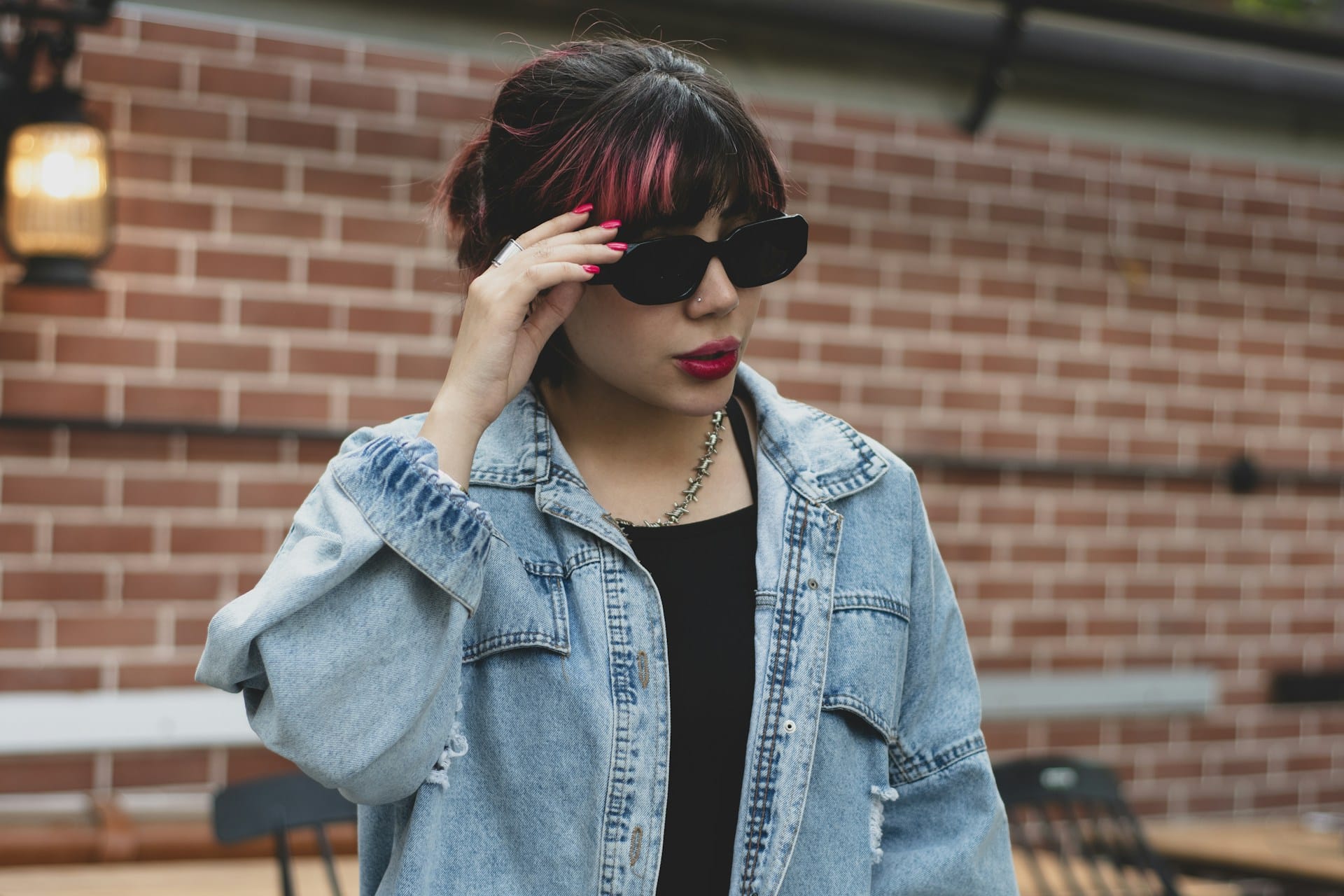
The same outfit produces different psychological effects depending on context. Research published in Social Psychological and Personality Science demonstrated what students already know intuitively: clothing that makes them feel confident in one setting can feel completely wrong in another.
Consider these scenarios:
The Classroom
- A student wearing a carefully chosen outfit to a presentation feels more articulate and prepared
- That same outfit worn to a casual study group might make them feel overdressed and self-conscious
- Comfort clothing during a three-hour lecture supports focus; formal wear can feel restrictive
Social Settings
- Greek life events at schools like University of Southern California often require specific dress codes that signal membership
- Coffee shop study sessions reward casual authenticity over polished appearance
- First dates involve calculated choices about what signals interest without trying too hard
Professional Contexts
- Career fairs demand business attire that often feels costume-like to students accustomed to campus casual
- Internship dress codes force students to adopt professional identities before they feel ready
- The transition from student to working professional shows most clearly in wardrobe shifts
The disconnect between these contexts creates real stress. Students who excel at one presentation of self struggle when forced into another. The art student who feels confident in paint-splattered jeans faces anxiety when required to dress conservatively for a corporate internship. The finance major who’s perfected business casual might feel like an imposter at a creative industry networking event. In moments of pressure, some students may even consider shortcuts, such as deciding to pay for a research paper at KingEssays.com to keep up with expectations. This is a practical solution and it can help with performance.
The Economics of Student Fashion Identity
Here’s what nobody mentions in glossy fashion articles aimed at students: most of them are broke. Federal student loan data shows the average undergraduate has roughly $1,000 in discretionary spending per month, and that’s before factoring in food, transportation, and textbooks.
Yet fashion remains a priority. A 2023 survey by the National Retail Federation found that college students spend an average of $976 annually on clothing and accessories. They’re making sacrifices elsewhere to fund their self-expression through clothing.
This creates interesting patterns:
|
Shopping Strategy |
Percentage of Students |
Primary Motivation |
|---|---|---|
|
Fast fashion (Zara, H&M, Shein) |
47% |
Affordability and trend access |
|
Thrift and vintage stores |
34% |
Uniqueness and sustainability |
|
Luxury investment pieces |
12% |
Quality and long-term value |
|
Borrowing and swapping |
23% |
Variety without cost |
Note: Percentages exceed 100% because students use multiple strategies
The rise of secondhand shopping among Gen Z isn’t purely environmental consciousness, though that factors in. It’s economic necessity merged with desire for individuality. At schools like Brown University or Oberlin College, thrifting has become the dominant fashion culture. Students compete to find the most unique vintage pieces, turning financial constraint into creative opportunity.
Identity Exploration Through Style Evolution
Watch a student’s fashion choices evolve across four years and you’re watching them figure out who they are. Freshman year often brings either dramatic reinvention or tentative continuation of high school patterns. By sophomore year, after some experimentation and social feedback, students usually settle into more defined style territories.
The relationship between fashion and personality students develop isn’t static. A student who arrives on campus dressing like everyone from her high school might spend sophomore year in vintage dresses and doc martens, junior year in minimalist basics, and senior year in some hybrid that finally feels authentic.
This evolution isn’t random. It maps onto identity development theories psychologists have studied for decades. Erik Erikson’s stages of psychosocial development place identity formation squarely in the late teens and early twenties, exactly when students are making daily decisions about self-presentation through clothing.
Some students approach fashion as serious identity work. They follow specific influencers, develop coherent aesthetic visions, and think deeply about what their choices communicate. Others treat it more casually, grabbing whatever’s clean and comfortable. But even the most fashion-indifferent student is making a statement. Choosing not to care about appearance is still a choice that projects identity.
The Dark Side: When Fashion Becomes Pressure
Not all students experience fashion as liberating self-expression. For some, it becomes another source of anxiety and inadequacy. Social comparison runs rampant on campuses where economic diversity means some students show up in designer labels while others are stretching their limited budgets.
At elite institutions, the pressure intensifies. A student at Stanford or Georgetown might feel compelled to maintain appearances that match their peers’ financial resources even when they’re on significant financial aid. The psychological toll of this performance rarely appears in discussions about how fashion affects confidence.
There’s also the issue of cultural and religious dress navigating predominantly Western fashion norms. Muslim students wearing hijab, Sikh students maintaining their articles of faith, or students from cultures with different beauty standards often face pressure to conform that goes beyond typical fashion choices. Their clothing carries meanings that extend past personal style into identity, faith, and cultural heritage.
Beyond the Surface
Student fashion identity serves as a rehearsal space for adult life. The experimentation happening in dorm rooms and campus quads is how young people learn to use clothing as communication. They’re developing a skill set they’ll use throughout their lives: reading social contexts, making strategic self-presentation choices, and using external appearance to support internal identity.
But it’s worth questioning whether we’ve made fashion too important in these years. When students feel their worth is tied to their appearance, when they’re spending limited resources on clothing instead of experiences or savings, when they’re more focused on curating Instagram outfits than actual learning, something’s off balance.
The healthiest relationship with student fashion identity probably lies somewhere between complete indifference and total preoccupation. Fashion can be a tool for self-discovery and confidence without becoming a source of stress or debt. Students who figure out that balance, who use clothing to support their goals rather than define their worth, seem to navigate the college years with more ease.
They’re the ones who dress well for the presentation because it helps them perform better, not because they need external validation. They’re the ones who experiment with style because it’s fun and interesting, not because they’re desperate to fit in. They’re the ones who eventually graduate with a sense of personal style that actually reflects who they are rather than who they thought they should be.
And that’s probably the point of it all.