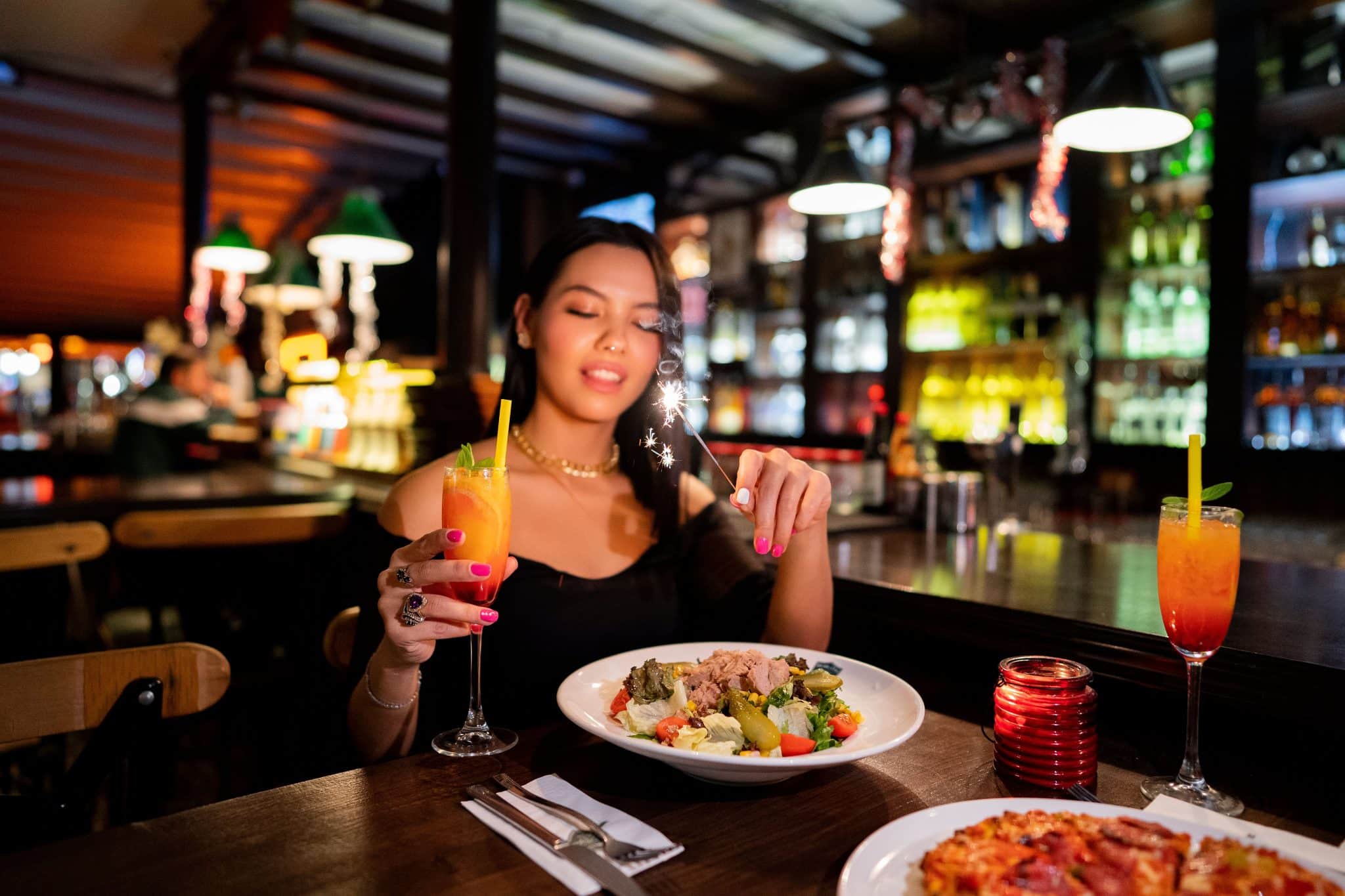
A steakhouse dinner can anchor an evening without requiring a packed schedule. The difference starts before the first course: choose a reservation time that leaves room to linger, a table suited to conversation, and a plan for what happens after dinner.
When the meal moves at a comfortable pace, and a nearby next stop is planned, dinner becomes one part of the evening rather than its only event. The first step is deciding how the group wants the night to feel.
Plan Around the Meal
For a celebration, booking the table at the best steakhouse in Tampa is one part of planning the evening. A reservation that allows guests to take their time gives guests room to talk. A nearby show, lounge, or waterfront walk can provide a natural next stop. Match the meal’s pace to the occasion, and leave breathing room between plans so no one has to rush.
Before booking, the host can decide if dessert belongs at the table or at a later stop. A reunion might call for an unhurried meal, while a pre-show dinner needs a clear departure time. Planning the time ahead helps the group settle in without watching the clock.
Choose Courses With Intention
A shared starter gives guests something to enjoy while everyone settles in. Those who prefer to focus on their entrées can keep the first course simple and decide about dessert later. A quick conversation about pacing helps the table avoid feeling rushed.
For a longer dinner, courses create natural pauses. The host can ask whether guests want to linger over dessert or leave room for another activity. That small decision helps everyone know what to expect without turning dinner into a strict schedule.
Make Conversation the Focus

The people at the table shape the evening as much as the itinerary. For a birthday or reunion, seating that lets guests speak across the table makes conversation easier. A quieter spot may suit the group better than a busy central area.
A few personal touches can make dinner feel special without elaborate planning. A toast, a card, or a favorite dessert can recognize the occasion. The host should choose a gesture that feels comfortable for the guest of honor, rather than making the meal feel staged.
Add a Well-Matched Next Stop
A second activity works best when it fits the dinner and the group. Live entertainment suits guests looking for a livelier evening. A waterfront walk gives a smaller group more time to talk, while a relaxed drink can extend the night without adding a major commitment.
Choose the next stop based on distance, timing, and the group’s energy. A nearby option cuts down on travel and gives guests flexibility if dinner runs long. Keeping the activity optional lets everyone enjoy the evening at a comfortable pace.
Set a Comfortable Schedule
The reservation time shapes the rest of the evening. An earlier dinner leaves room for a performance or another planned activity. A later booking can make the meal the main event. Before choosing a time, the host should check when the next activity begins.
A little space between plans keeps guests from watching the clock during dinner. If timing matters, the host can ask the restaurant how long the meal is likely to take. A simple schedule gives the group direction while leaving room to enjoy each course.
Keep Group Logistics Simple
The host should confirm the guest count before making plans. A changing headcount can affect seating, timing, and how easily the group moves to another venue. Sharing reservation details in advance helps guests arrive prepared.
For a celebration, one person can coordinate arrival times and communicate any requests. Guests should know whether the evening includes another stop and whether they can skip it. Clear details prevent confusion without turning the night into a list of instructions.
Let the Setting Suit the Occasion
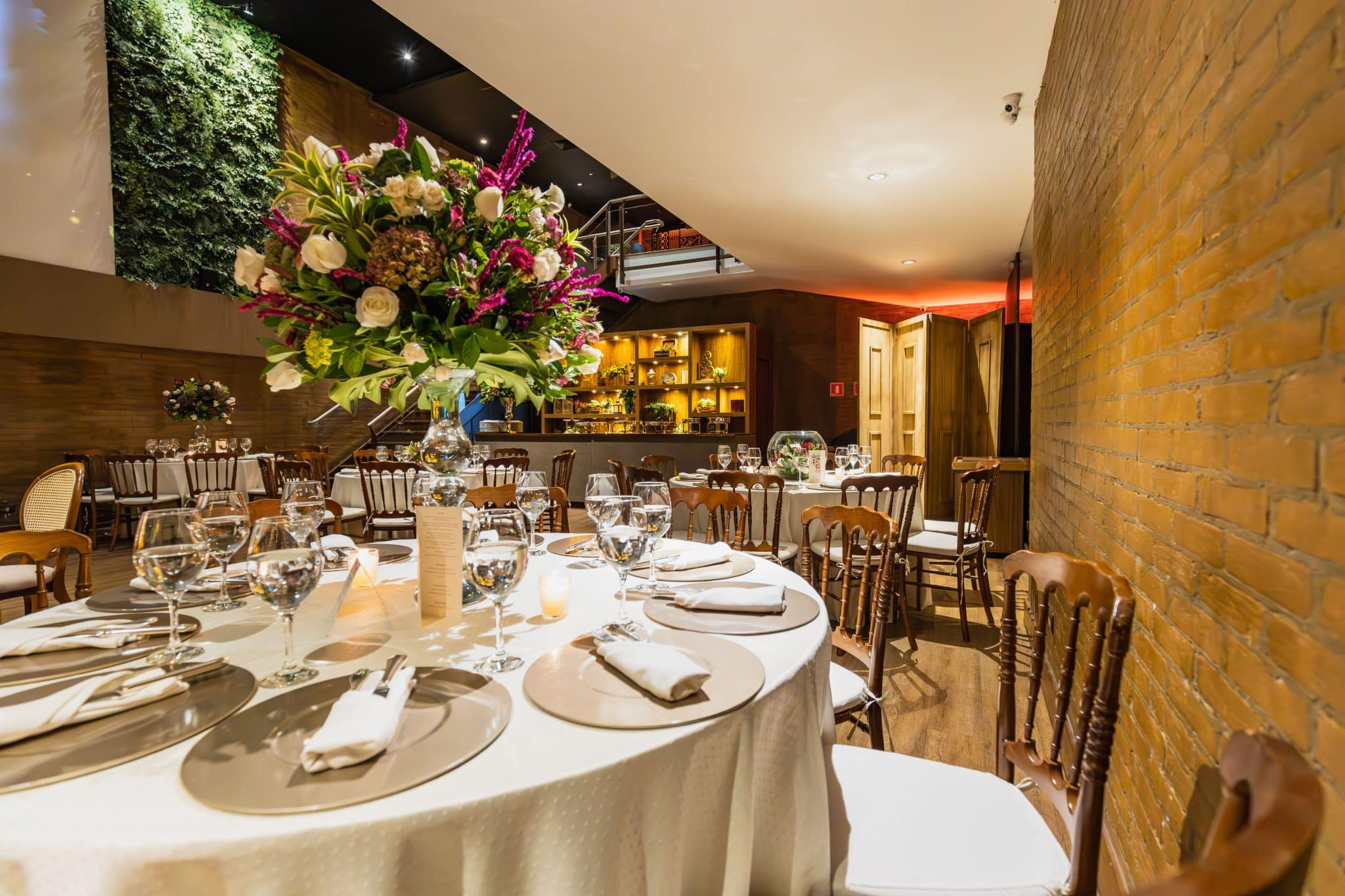
The room’s atmosphere affects how guests experience the meal. A celebratory dinner calls for a setting where people can feel comfortable through several courses. For a business meal, a table that supports conversation helps guests focus on one another.
When choosing a time and table, the host can consider lighting, noise, and seating. These details influence whether guests settle in or feel ready to leave. A setting that fits the occasion helps dinner flow naturally into the rest of the evening.
Conclusion
A steakhouse dinner becomes a full night out when the host considers the group’s pace, the reason for gathering, and what follows the meal. Start with a reservation time that fits the next activity, then leave space for conversation and an unhurried check. If the group’s energy changes, keep the second stop optional. That approach gives the evening a plan while letting dinner remain at its center.