A Creative Interest That Started Small
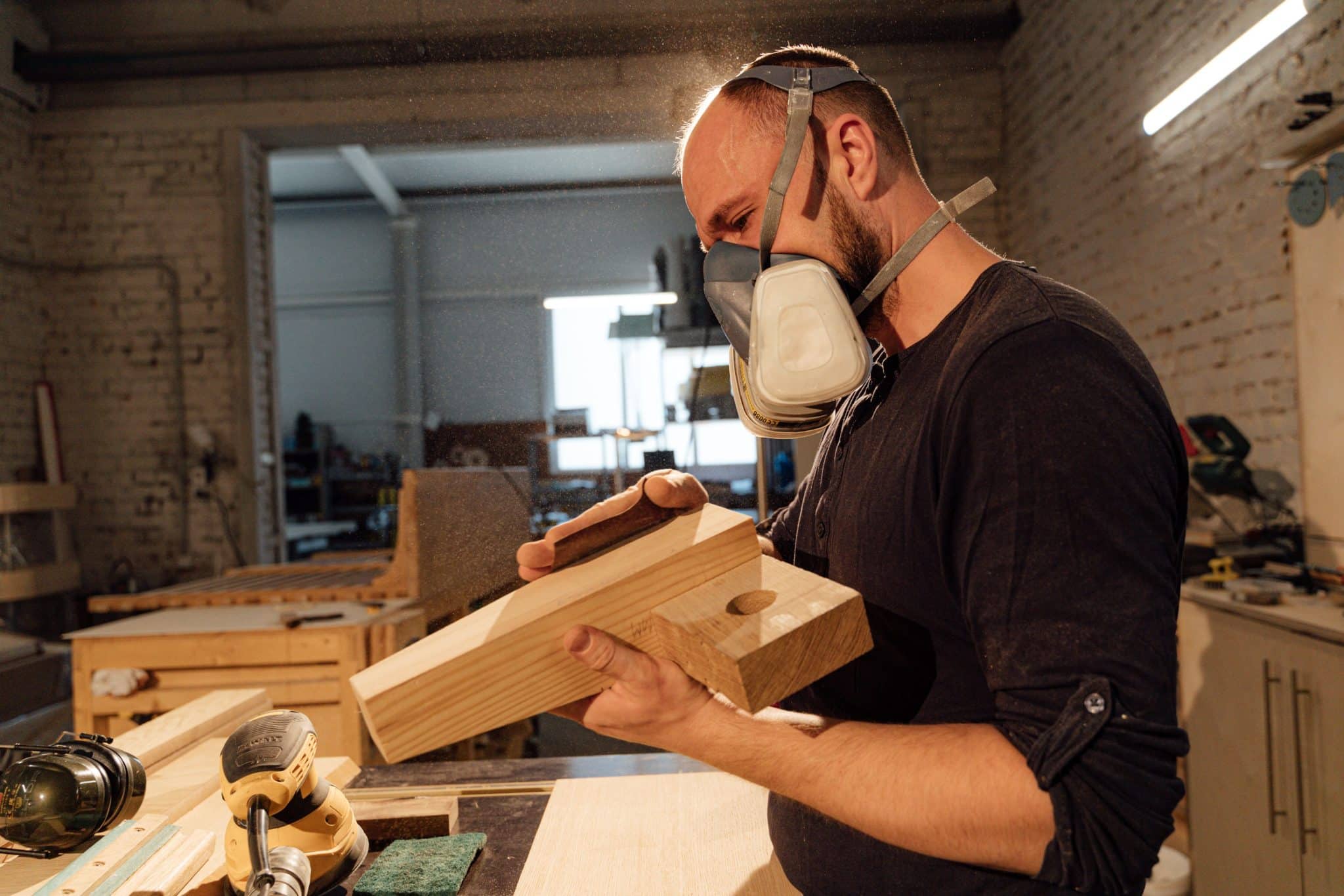
Many successful companies begin with a business plan, outside investment, and years of industry experience. ThunderWood Studio began more personally. Its story grew from curiosity, experimentation, and founder Oleksiy’s interest in handmade work. His professional background was in finance rather than design or carpentry, so building a furniture brand was not an obvious career move. Yet a private hobby slowly became a serious craft, a source of income, and eventually an international business.
Oleksiy first explored what could happen when natural wood was combined with epoxy resin. Small objects gave him space to test colors, finishes, and pouring methods without the demands of large-scale production. He created bracelets, rings, phone cases, lamps, and other decorative pieces. As his confidence increased, so did the size of his ideas. He eventually moved toward statement furniture, including custom epoxy dining tables designed to become the focal point of a home. This shift changed his work from material experimentation into the creation of functional pieces meant to last for years.
Learning Without a Traditional Roadmap
Oleksiy developed many woodworking and resin skills independently. He watched tutorials, studied different approaches, tested mixtures, and learned through practice. Epoxy can look simple, but it is sensitive to temperature, humidity, thickness, curing time, and wood moisture. A minor error can affect clarity, color, strength, or the final surface.
Each attempt became a practical lesson. Every pour showed him how resin moved, how pigments interacted, and how wood needed to be prepared. He gradually developed his own methods and resin combinations, giving him greater control and a more recognizable style.
The first successful sales confirmed that buyers valued not only the novelty of wood and resin but also the individuality of each piece. Their interest encouraged Oleksiy to improve his equipment, refine his process, and attempt more ambitious projects.
Discovering an Ocean-Inspired Style
Technical ability alone does not create a memorable brand. A maker also needs a visual identity. For ThunderWood Studio, that identity emerged from Oleksiy’s fascination with marine themes. Waves reaching a sandy shore, transparent water, coastlines, and underwater scenes became a rich source of ideas.
Recreating the sea in furniture required more than pouring blue resin into wood. The composition needed movement, depth, and balance. The epoxy had to complement the grain rather than hide it, while the wood remained essential to the design.
This approach became the studio’s signature. Ocean-inspired furniture made the brand recognizable, yet each piece remained distinct. Wood grain cannot be duplicated, pigments move unpredictably, and handmade wave contours vary from pour to pour. Even two tables based on the same concept will contain different details.
That variation became a major advantage. Customers were not purchasing a factory copy. They were choosing an object that could not be reproduced in the same form.
Moving From Accessories to Furniture
The transition from small products to full-size tables required more than artistic ambition. Furniture must be stable, durable, comfortable, and suitable for everyday use. A dining table needs proper dimensions, reliable support, a protective finish, and a surface that withstands regular use.
As Oleksiy’s experience grew, tables became a natural creative canvas. Their broad surfaces allowed him to explore resin rivers, abstract patterns, and detailed ocean scenes. At the same time, each piece served a practical purpose in a dining room, office, conference space, or commercial interior.
This balance of function and visual impact helped ThunderWood Studio reach a wider audience. Customers wanted more than a place to eat or work. They wanted furniture that reflected their taste, attracted attention, and added a story to the room.
Making Customers Part of the Process
Custom work became central to the studio’s development. Instead of limiting clients to a fixed collection, Oleksiy could shape each piece around a particular space and idea. A project might involve selecting the wood species, dimensions, resin color, tabletop shape, base, finish, edge style, or decorative theme.
Direct communication made the buyer part of the design process. Practical needs could be discussed alongside appearance before production began. A family dining table might require different proportions and durability considerations than a decorative console or conference table.
Customization also kept the work challenging. Every order introduced a new question. A large tabletop might need additional structural planning. A minimalist room could call for restrained colors, while another client might want a dramatic shoreline scene. Each commission encouraged new solutions instead of repeating the same product.
Reaching Customers Beyond the Workshop
Digital platforms played a major role in the brand’s expansion. Resin furniture lends itself to visual storytelling because photographs and videos can reveal the depth, natural grain, and movement within the design. People could discover the work online even when they lived far from the studio.
International interest brought both opportunities and practical challenges. Shipping handmade furniture across long distances requires secure packaging, reliable logistics, accurate schedules, and clear communication. A large table cannot be handled like a small decorative object. Every stage must protect the product and the customer’s expectations.
By managing these details, ThunderWood Studio expanded beyond a local maker business. It could serve buyers in different regions while preserving the personal connection that makes custom work valuable. Technology increased the brand’s reach without turning the workshop into an impersonal factory.
Persistence Behind the Growth
ThunderWood Studio did not become an international brand because of one lucky moment. Its development came from repeated decisions to keep learning, improve tools, solve technical problems, and accept projects that demanded new skills.
Oleksiy’s finance background made the journey unusual, but it also showed that creative businesses do not always begin with formal artistic training. Practical experience, patience, and attention to detail can gradually build professional expertise.
Encouragement from important women in his life also supported his early experiments. Their belief helped him continue when the business had no guaranteed outcome, and progress happened one project at a time.
A Business Built Around Individuality
The story of ThunderWood Studio shows how far a hobby can grow when curiosity is supported by discipline and a clear creative direction. Oleksiy did not stop after learning how to combine wood and resin. He kept asking how the materials could elicit stronger emotions, function better, and support more personal designs.
Today, the brand is built around individuality. Natural timber ensures that every foundation is unique. Resin adds color, transparency, movement, and depth. Collaboration gives each commission a purpose connected to the person or space it was made for.
What began with small handmade objects developed into a studio creating distinctive furniture for customers around the world. The journey from finance to woodworking, from accessories to tables, and from private experiments to an international brand shows what can happen when a maker continues to improve an idea rather than treating it as a passing interest. More examples of the studio’s craftsmanship and creative approach can be found at https://thunderwood.studio/