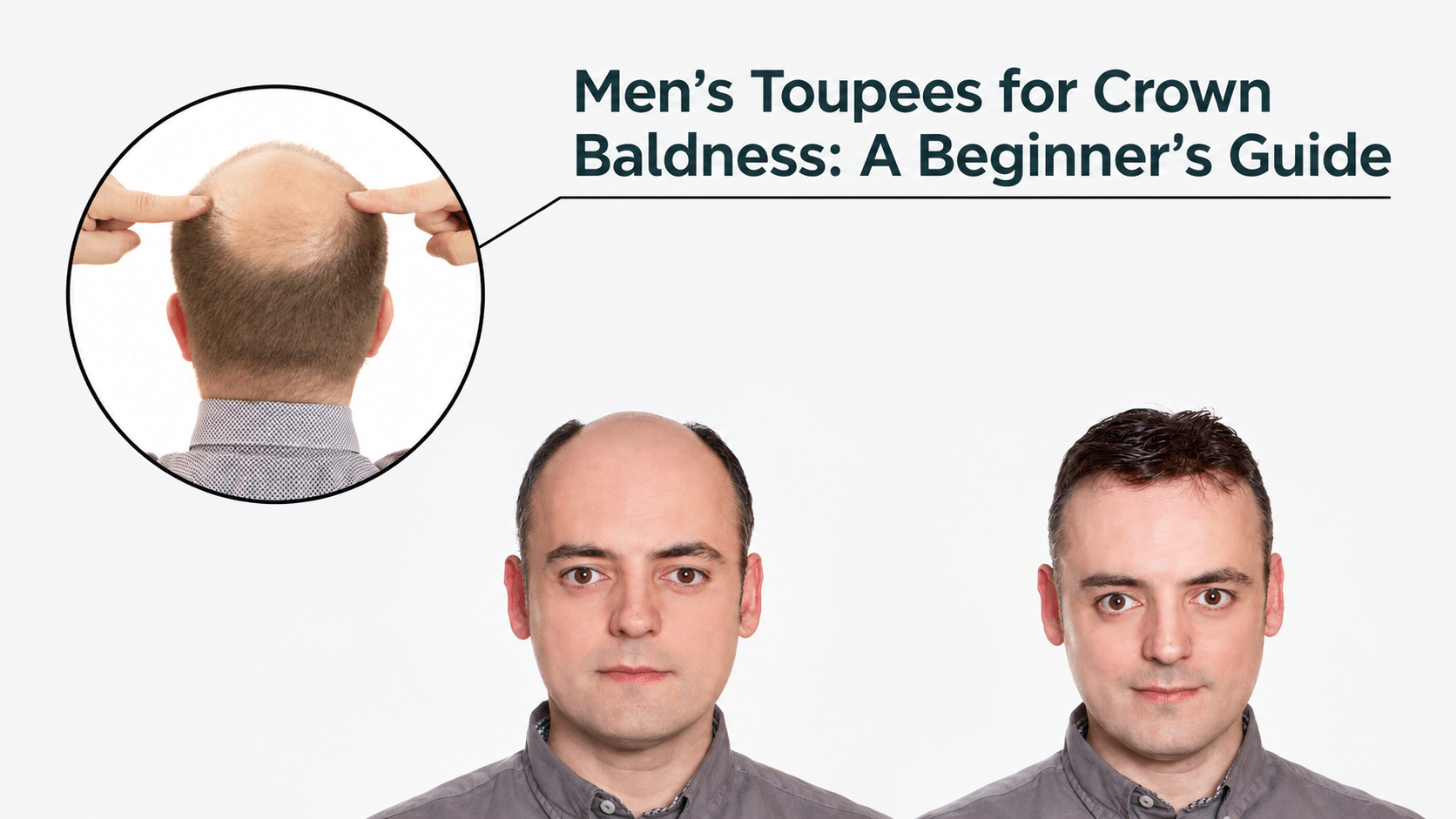
Hair loss affects people across every age group, background, and lifestyle. For some, it begins with subtle thinning near the temples or crown. For others, it appears suddenly through shedding, widening parts, or visible scalp changes. In every case, it can influence confidence and create understandable concern about appearance and aging.
The good news is that 2026 offers more realistic and effective options than ever before. Advances in diagnosis, treatment planning, and restoration methods have made it possible to address hair loss in ways that are more personalized, natural-looking, and practical. Instead of chasing trends, people can now choose from proven solutions based on their actual needs.
Why Hair Loss Happens and Why Diagnosis Comes First
Hair loss is not one condition with one cause. Genetics remains the most common factor, especially in pattern baldness for men and women. However, hormonal changes, illness, stress, medications, nutritional deficiencies, autoimmune issues, and scalp inflammation can also trigger noticeable shedding or thinning.
This is why diagnosis should always come before treatment. A person dealing with stress-related shedding may need a very different plan than someone experiencing hereditary hair loss. Treating the wrong issue often leads to frustration, wasted money, and delayed progress.
Qualified professionals may assess scalp health, family history, lifestyle factors, and medical conditions before recommending next steps. In many cases, understanding the reason behind the loss is what opens the door to successful regrowth or preservation.
Proven Medical Treatments Still Lead the Market
Two of the most recognized treatments for pattern hair loss remain minoxidil and finasteride. These options have stayed relevant because they continue to deliver measurable benefits for many users when used consistently and under proper guidance.
Minoxidil is commonly used to support hair growth cycles and improve follicle activity. It is available in topical forms and, in some cases, oral options prescribed by medical professionals. Patience is important, since visible results often take several months of regular use.
Finasteride is typically used to reduce the hormonal activity linked to male pattern baldness. Many specialists recommend combining treatments for stronger results, especially when early intervention begins before major loss has occurred.
Non-Surgical Solutions Becoming More Popular
Many people want improvement without surgery, and modern non-surgical treatments continue to grow in popularity. These options are often used alongside medical therapies rather than as complete replacements.
Platelet-rich plasma, commonly known as PRP, is one example. It involves using concentrated components from the patient’s own blood and placing them into the scalp to support follicle function. Many patients choose it as part of a long-term maintenance plan.
Low-level laser therapy devices have also become common for home use. Laser caps, helmets, and combs are designed to support scalp circulation and follicle activity. While results vary, they can be a useful addition for those in the early stages of thinning.
Hair Transplants Have Reached a New Level

Hair transplantation remains one of the most effective options for permanent restoration in areas where follicles have stopped producing healthy growth. What has changed in recent years is the precision, artistry, and natural appearance now possible through modern methods.
Techniques such as FUE and FUT allow specialists to move healthy follicles from donor areas into thinning or bald regions. Today’s procedures focus not only on density, but also on angle placement, hairline design, and long-term balance so results blend naturally.
Those exploring surgical solutions often begin by reviewing experienced clinics and learning about realistic outcomes. A useful place to explore restoration options is https://www.forhair.com, where readers can learn more about modern hair transplant planning and procedures.
Lifestyle Factors That Strongly Influence Results
Even advanced treatments work better when overall health supports hair growth. Sleep quality, stress levels, diet, hormone balance, and scalp care all play important roles in follicle performance and long-term results.
Daily habits matter as well. Gentle hair care, reducing heat damage, avoiding excessive tension styles, and maintaining a healthy routine can protect existing hair while treatments work over time.
Choosing the Best Path Forward
The right solution depends on the cause of hair loss, the stage of thinning, and personal goals. Someone with early shedding may benefit from medical treatment and lifestyle changes, while someone with advanced recession may prefer restoration surgery.
What matters most is acting early and choosing evidence-based options instead of quick fixes. Hair follicles often respond better when treatment begins before long-term miniaturization has progressed too far.
Hair loss in 2026 is no longer a problem with limited answers. With better tools, smarter strategies, and realistic guidance, many people can improve hair growth, restore density, and regain confidence through a plan built specifically for them.
Conclusion
Modern hair restoration is no longer about hiding the issue or settling for ineffective solutions. Today’s options range from medical treatments and non-surgical therapies to advanced transplant procedures that deliver natural-looking outcomes when chosen carefully.
The most successful results come from understanding the cause, acting early, and following a personalized plan. With patience and the right support, people facing hair loss in 2026 have more control, more confidence, and more hope than ever before.