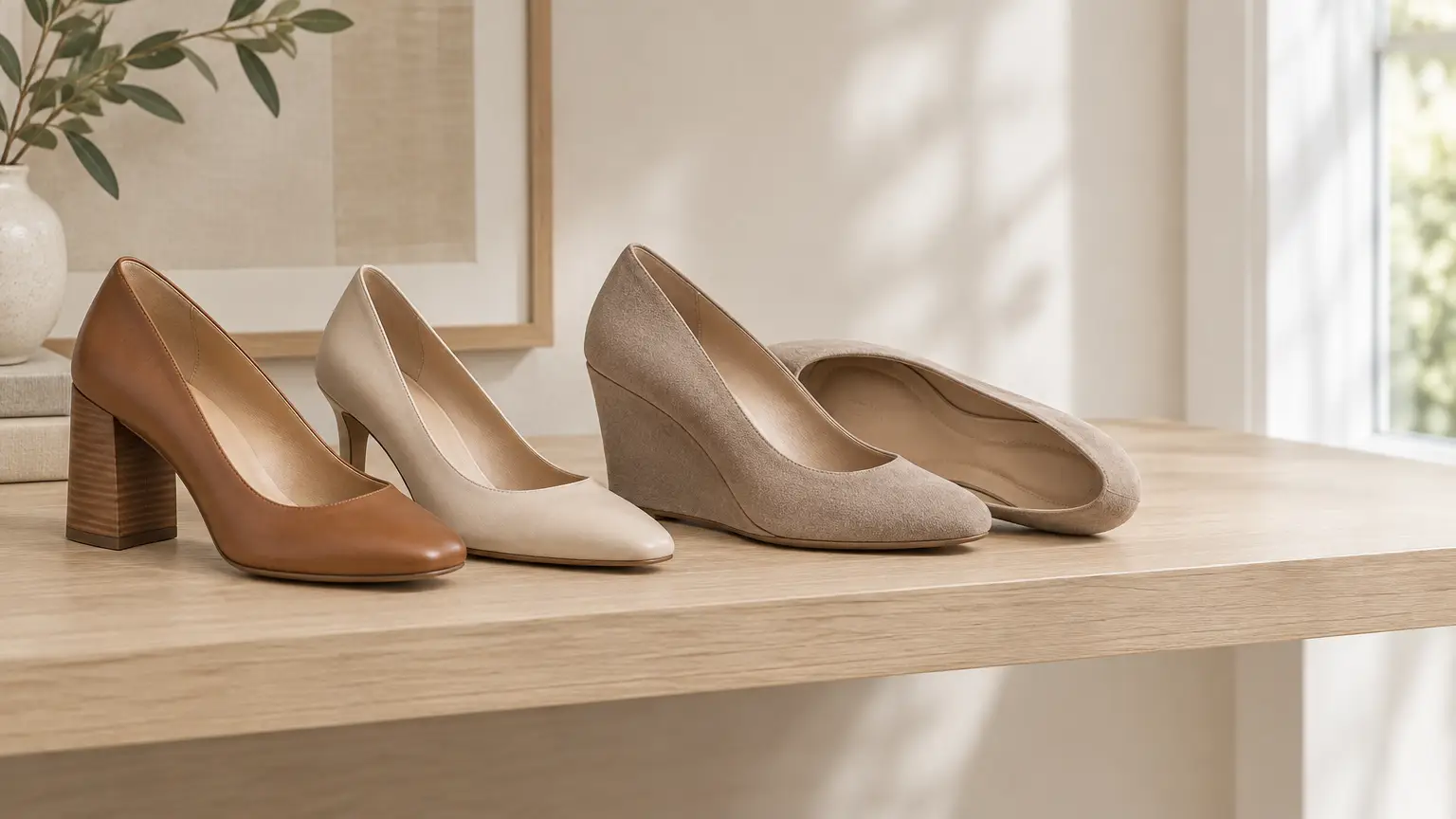
What we choose to wear has always been a mirror for how we actually live our lives. Think about it. When daily routines go through a major shift, our closets naturally alter to keep pace. We all saw this happen when athletic textiles quietly took over casual clothes, and again when wireless earbuds basically turned into an extra limb for millions of people.
Right now, a similar story is unfolding all over again.
The big difference? We are moving way past the point of buying things just because they look great on a store hanger. Modern consumers expect their favorite everyday accessories to bring some real, hands-free utility to the table.
This fundamental shift in how we shop is pulling wearable tech out of its nerdy, gadget-obsessed corner and dropping it right onto the center stage of style. The best part is that brands are finally stopping the trend of forcing us to wear clunky, metallic novelties. Instead, they are taking the foundational pieces we already wear every single day and weaving smart capabilities straight into them. You get a new class of products that blend seamlessly into a curated wardrobe without making you give up your personal style.
Look at the latest AI glasses from Sunglasshut as a prime example. They take iconic, timeless frame designs and pack them with responsive digital intelligence. It is a massive turning point for functional fashion. They drastically simplify your daily schedule while looking completely natural, whether you are running a serious business meeting or just grabbing a coffee on a Sunday afternoon.
Redefining What Luxury Actually Means
The entire concept of luxury has gone through a massive shakeup over the last few years. Sure, premium fabrics and immaculate production will always matter, but practical usefulness has become just as prestigious to the average shopper.
Let’s face it: our schedules are chaotic, and we need a wardrobe that can keep up. People are actively searching for items that eliminate the friction from their daily lives. They want sleek sneakers that monitor their wellness, coats built from weather-resistant materials that last for years, and lifestyle pieces that solve real problems.
If you look at recent consumer data, the global wearable market is exploding for one simple reason. People want an easier way to handle communication, productivity, and health tracking. Instead of buying five different standalone gadgets for five different tasks, buyers want intuitive designs that bundle those solutions into things they already own. This matters a lot to younger buyers trying to live a more intentional, minimal life. They would much rather invest in a couple of highly versatile pieces that deliver daily value instead of filling their closets with purely decorative items.
Making Smart Tech Look Completely Natural
Unlike the heavy, awkward wearables from a decade ago, today’s smart eyewear is incredibly discreet. That complete lack of pretense is exactly why it works.
The newest smart frames on the market look virtually identical to luxury sunglasses or standard prescription frames. Design teams are intentionally sticking to classic shapes that look great with a tailored suit, relaxed streetwear, or your favorite airport travel outfit. Yet, underneath that familiar look, the hidden hardware handles a ton of daily tasks:
- Simple Voice Control: Dictate quick text messages, set reminders, and check your calendar completely hands-free.
- Ambient Audio: Stream playlists, listen to podcasts, or take calls through open-ear setups that keep you aware of traffic.
- Point-of-View Capture: Snap clear photos or take videos from your exact perspective without reaching for your phone.
- Audio Navigation: Hear turn-by-turn directions read aloud while you walk through a new city.
- Instant Answers: Chat with an AI assistant to get rapid info while you are on the move.
Because all of these tools live inside a normal pair of glasses, using them feels second nature. You can stay connected to your digital life without constantly breaking eye contact or pulling your focus away from the room you are in.
The Push for Invisible Technology
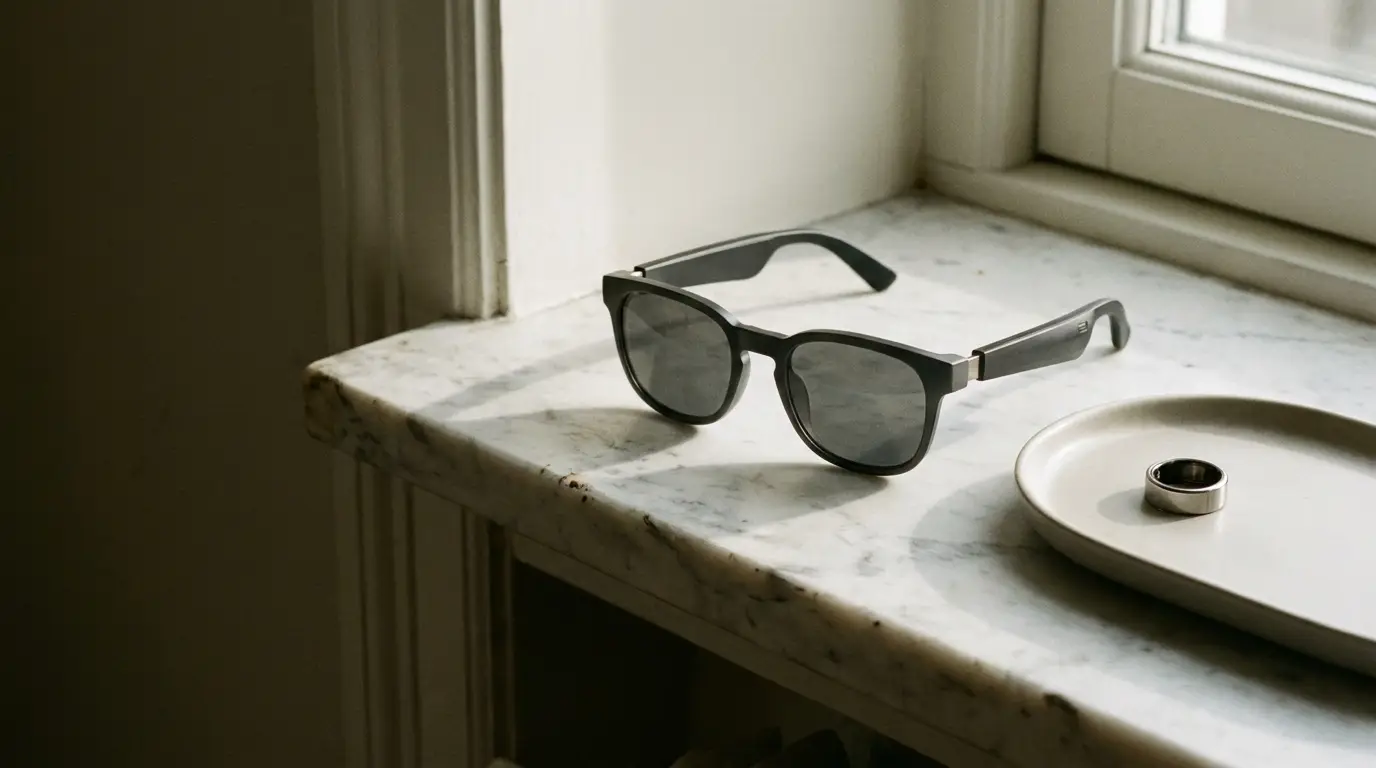
One of the most important movements in modern hardware design is the race to make technology invisible. In the early days of tech wearables, devices practically yelled for attention with glowing screens and harsh metallic accents. Today, consumer tastes have completely reversed. We want devices that work quietly behind the scenes without disrupting our personal look.
You can see this design philosophy everywhere right now, from ultra-thin smart rings to minimalist earwear. However, smart glasses are the ultimate example of this trend. They let you check your alerts and follow digital maps while keeping your head up and your eyes on the world. It matches the oldest rule in the fashion playbook: true elegance always looks effortless, never loud.
Giving Up Convenience for Style Is an Old Idea
For decades, loving fashion meant accepting a bunch of annoying compromises:
- Beautiful footwear was almost never comfortable enough for a long walk across town.
- High-end designer bags rarely had enough useful internal pockets or storage space.
- Luxury pieces routinely picked pure appearance over daily utility.
Wearable AI completely breaks that old cycle. It proves that a product can be highly functional and incredibly attractive at the same exact time.
For city professionals, smart glasses turn a frantic morning commute into a smooth, hands-free window to catch up on updates. For travelers, the built-in cameras catch split-second memories without the annoying delay of digging through a backpack to find a camera. For creative professionals, it provides a unique first-person viewpoint for real-time storytelling. These features change an item from a simple visual choice into a helpful daily tool that you actually want to use.
The Minimalist Wardrobe Evolution
|
Old Routine (Carrying Multiple Devices) |
New Routine (Integrated Smart Gear) |
|---|---|
|
• Quality Sunglasses • Wireless Earbuds • Pocket Camera • Handheld GPS Unit • Phone Voice Assistant |
= One Pair of Integrated AI Glasses |
Consolidating these tools doesn’t mean you have to give up your smartphone entirely, but it drastically lightens what you need to carry around in your pockets every day. For thoughtful shoppers, that daily usefulness upgrades the item from a temporary tech phase to a reliable wardrobe fixture.
Why Fashion Houses Are Taking the Reins
Technology firms are no longer the exclusive creators of smart wearables. Classic fashion houses and premium eyewear labels are taking over the space, teaming up directly with software developers to ensure aesthetics stay front and center.
People want products that emphasize their personal style first and the technological novelty second. This design-first focus has helped smart eyewear grow much faster than older wearable tech ever did. Instead of demanding a loud or eccentric look, brands are simply upgrading the classic shapes people already love and trust.
Longevity and Intentional Shopping
Mindful shopping is growing into a baseline standard for how people build their closets. While a lot of attention centers on organic textiles and ethical sourcing, item longevity is a massive piece of the puzzle that often gets overlooked.
Buying fewer, multi-use items is a direct way to curb fast-fashion waste. A versatile, tech-forward accessory keeps its relevance longer than a basic piece tied to a passing micro-trend. Shoppers are looking at items with a critical eye, checking if a purchase will still be useful a year down the road. Wearable AI answers that by pairing timeless design with software that continues to update over time.
Looking Ahead: A Seamlessly Connected Wardrobe
Artificial intelligence is moving off our desks and finding a home in the flow of our physical surroundings. Accessing an assistant through your daily accessories means getting translation help, mapping points, or scheduling tasks feels completely natural. By cutting down on screen time, it lets us participate more with our physical environment.
Moving forward, our clothing and accessories will only become more interactive. Future wearable gear will look beyond fitness stats to offer personalized lifestyle help, like real-time audio translation and immediate environmental updates. Because eyewear sits right where we see the world, it is the natural choice to lead this change.
The line dividing tech and fashion is disappearing completely. Built-in intelligence won’t be treated as a special addition; it will be a basic expectation for quality accessories. Investing in pieces like smart eyewear isn’t about tracking a brief digital craze. It is about building a functional, versatile wardrobe ready for the future.