Moving always sounds manageable when you’re talking about it ahead of time. You make the lists, tape the boxes, schedule the truck, and convince yourself it’s all under control. Then the actual day unfolds, and your energy dips halfway through the morning. If you’ve ever moved in Nashville, you know how it adds another layer. The air feels thick, the clock moves too fast, and everything seems urgent at once.
You unlock the door and step inside, carrying more than just boxes. The house feels quiet and unfamiliar, almost unsure of you. Excitement is there, but so is that creeping overwhelm. This is where it matters. Take a breath. Handle the basics first. Create some structure before exhaustion starts, making choices you’ll regret tomorrow.
A Solid Moving Plan Before the Truck Pulls Up
A smooth move doesn’t just happen. It’s usually the result of a little foresight and a lot of small decisions handled early. Without that, the day can unravel quickly, and you’ll feel it in your shoulders by noon. Start with the basics and don’t overthink it. Confirm your utility start dates so you’re not sitting in the dark that first night. Keep important documents in one folder that stays with you, not buried in a random box.
Clear labels help more than you expect. Movers can place boxes in the right rooms without constant direction. Walkways stay open, and furniture moves in without unnecessary damage. Small systems like this keep the day steady instead of scattered. Reliable help matters just as much as organization. Heavy furniture and tight corners wear you down fast. Partnering with reliable Nashville movers allows you to focus on settling in while professionals handle logistics, heavy lifting, and timing efficiently. That support gives you space to think. You can focus on where things belong and how you want the home to feel instead of worrying about strained backs or scratched floors.
A Deep Clean Before Anything Comes Out of a Box
Empty rooms are a rare opportunity. Once furniture settles in, cleaning becomes ten times harder. Dust collects along baseboards. Cabinets often need wiping inside and out. Bathroom surfaces deserve more than a glance. Taking the time to clean thoroughly now resets the space. It removes traces of previous occupants and replaces them with your own standard of comfort.
Work methodically. Start with ceilings and fans, then move down to walls, counters, and floors. Disinfect light switches and door handles. Vacuum closets before sliding clothes onto the rods. This step feels exhausting when you’re already tired from moving.
Utility Checks and Safety Basics
A house can look perfectly fine during a walkthrough and still carry small problems that only show up once you’re living in it. That’s the frustrating part. Everything seems solid until you actually rely on it. A light flickers. An outlet doesn’t work. The water pressure feels off when you try to shower after a long day of moving. Those little surprises hit harder when you’re already exhausted.
Take the time to test everything while you still have the energy to deal with it. Turn on every light and leave it on for a few minutes. Plug something into each outlet instead of assuming they all work.
Furniture Placement With Intention
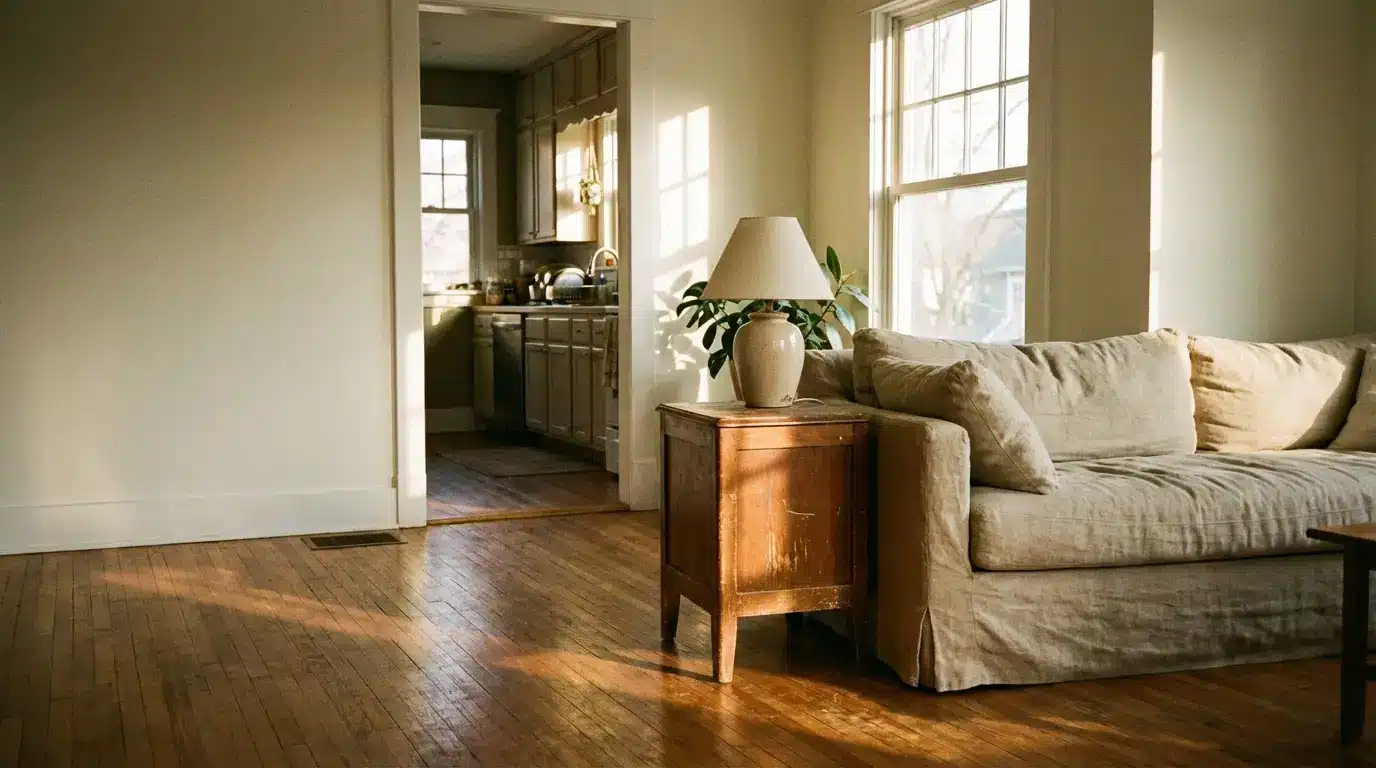
Furniture placement shapes how you experience the home every single day. Rushing through it often leads to frustration and multiple rearrangements. Before dropping heavy pieces into place, pause and think about movement. Imagine carrying groceries through the entryway. Picture where guests will sit. Consider where natural light falls during the afternoon.
Measure large items and compare them to room dimensions. Leave clear walking paths. Give doors space to open fully. Small adjustments now prevent awkward layouts later. Intentional placement also protects your energy.
The Essentials First Rule
Unpacking everything at once feels like the responsible thing to do. You want it done. You want the boxes gone. So you start ripping them open, stacking stuff on counters, losing track of what went where. Two hours later, you’re tired, and the house looks worse.
Set up the bed first. No debate there. Knowing you can fall into a made bed at the end of the night changes your whole mood. Next, handle the basics in the kitchen. A few plates. One pan. Coffee. That’s enough.
Small Repairs That Make a Big Difference
Every house comes with a few small annoyances. A cabinet handle that wiggles. A door that sticks just enough to make you shove it. A faucet that drips when the house is finally quiet. You tell yourself you’ll deal with it later. Later turns into weeks. Then it just lives there, bothering you.
Handle it early, even if you’re tired, especially if you’re tired. Walk through each room with a basic toolkit and actually look at things. Tighten loose screws. Straighten hinges. Fill the tiny nail holes that catch your eye every time you pass by. Dab a little paint over scuffed spots before they start to feel permanent.
Personal Touches That Make It Yours
A house without personality feels temporary. Clean and functional, sure, but not settled. Start introducing pieces that carry meaning. Hang photos that make you pause for a second. Set books on shelves instead of leaving them boxed. Place a familiar throw blanket over the couch.
These details shift the atmosphere. The rooms soften. The echo fades. Don’t rush to decorate every wall in one weekend. Let the space speak a little. Notice where you naturally sit in the evenings. Pay attention to where the light hits in the morning. Add items gradually so they feel intentional instead of forced.
Neighborhood Awareness and Daily Rhythm
Settling in goes beyond the front door. The outside environment shapes how comfortable the inside feels. Take a walk. Notice which houses have porch lights on early. Listen to how quiet the street gets at night. Find the closest grocery store and coffee shop.
Learn trash pickup days and where packages tend to be left. Introduce yourself to a neighbor if the moment feels natural. Even a quick wave builds familiarity. Routine creates comfort. Once you know your commute timing and the rhythm of the block, stress levels drop without you realizing it.
Moving stretches you. It tests your patience and your energy at the same time. One minute you’re excited about fresh paint and open space. The next minute, you’re sitting on the floor surrounded by boxes, wondering how you accumulated so much stuff.
Still, every step counts. Cleaning before unpacking. Checking the basics. Placing furniture with thought. Fixing small issues before they grow. Adding personal touches that warm the space. Learning the rhythm of the neighborhood.