Getting dressed may feel like a simple part of the day, but the right outfit can change how you carry yourself. Clothing choices reflect how people already feel about themselves and shape how they feel next.
Psychologists have studied this connection for over a decade. What people wear can influence mood, posture, focus, and behavior. That makes fashion more than a visual choice.
The Psychology Behind Dressing With Intention
Researchers use the term “enclothed cognition” to describe how clothing can affect thoughts and behavior.
A 2025 meta-analysis in Personality and Social Psychology Bulletin reviewed more than 100 effects from 40 studies. It found that many effects reported after 2015 remained reliable, even though some earlier findings did not hold up as well under later testing.
The main idea remains the same: clothing carries meaning, and people absorb it when they wear it.
How Clothing Choices Influence Mood and Behavior
Different clothes can support different moods.
A structured blazer can prime someone toward confident, assertive behavior in a meeting or negotiation. Loungewear may send a different message. It can help the body shift into rest mode after work or during a quiet day at home.
Someone who feels put together may speak more clearly, make decisions faster, or feel less distracted by appearance concerns.
Dressing for the Person You Want to Feel Like
Dressing with intention means choosing clothes that match the mindset you want to bring into the day. You may choose a sharper outfit before an important presentation to feel more focused. You may wear bright colors when you want more energy. A thoughtful outfit can support the way you want to show up, even before the day begins.
Fit as the Foundation of Fashion Confidence
A November 2024 survey of 2,000 women in the United Kingdom found that 66% viewed fit as the most important factor in clothing confidence. Brand name and trend appeal ranked much lower.
People often feel best in clothes that sit comfortably and move with the body. An expensive or fashionable item can still feel wrong when the fit does not work. A simple item can feel much better when it fits properly.
Why Ill-Fitting Clothes Undermine Confidence
Confidence becomes harder when the clothing keeps reminding you that something feels wrong.
A waistband that digs in, a shirt that pulls, or a dress that shifts out of place can make someone think about their body all day. That discomfort often turns into self-consciousness.
The person may repeatedly adjust their clothing and/or worry about how the outfit looks from different angles. That mental effort takes attention away from work, conversation, or social situations.
The Value of Tailoring and Personalized Fit
A simple alteration like taking in a waist or shortening a hem sometimes does more for someone’s confidence than an entirely new wardrobe. Tailoring also costs less than replacing an entire wardrobe. A few well-fitting pieces often offer more value than many items that never quite feel right.
Style as a Form of Self-Expression
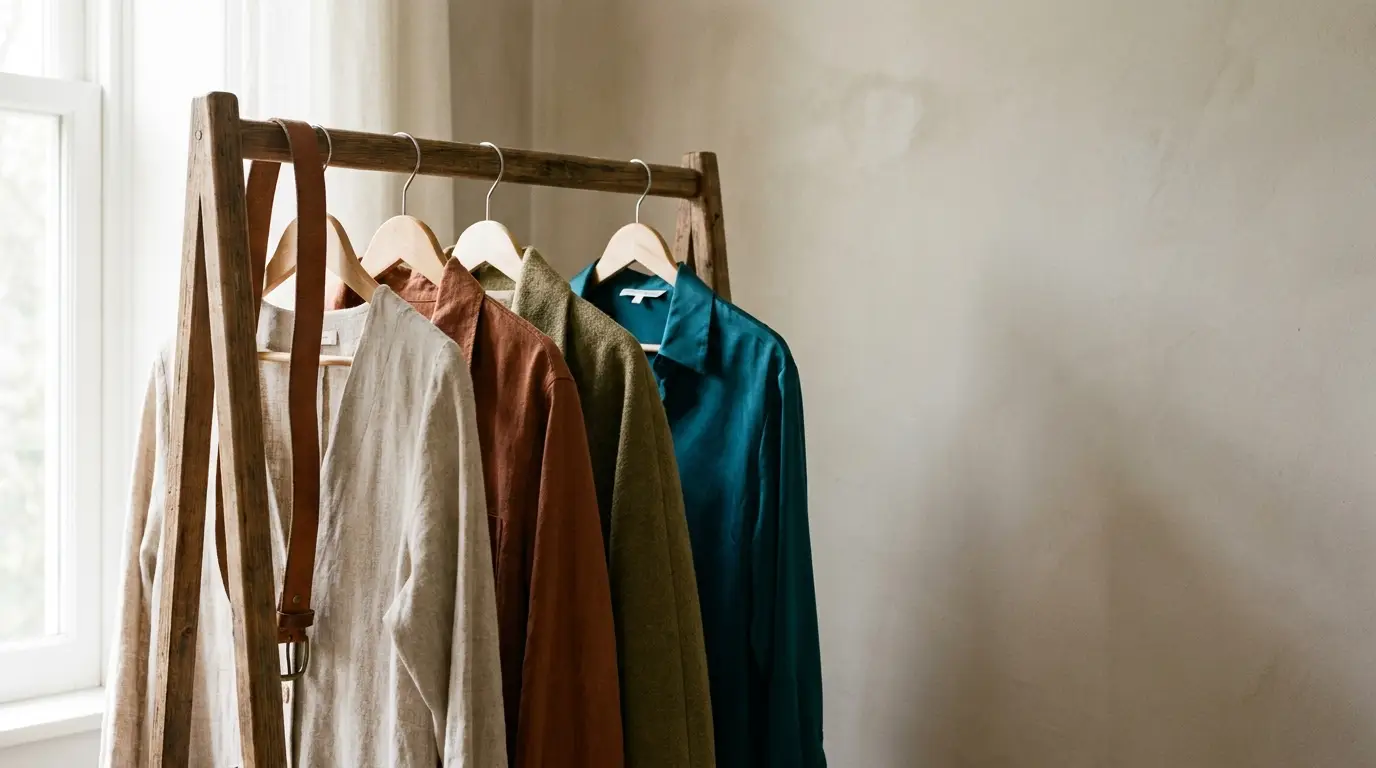
Personal style communicates identity before anyone speaks a single word. Color choices, silhouettes, and even the condition of someone’s shoes tell a story about values, mood, and self-perception.
Building a Wardrobe That Reflects Personal Identity
Start with the clothes you actually enjoy wearing. Notice which colors, shapes, and fabrics make you feel comfortable. What pieces do you reach for most of the time?
A wardrobe does not need to look dramatic or highly fashionable to feel authentic. Every piece becomes this small but such a deliberate statement. Over time, choosing clothes based on genuine preference can create a stronger and more consistent sense of self.
Evolving Personal Style Over Different Life Stages
Style changes as life changes. A new job, a different routine, a growing family, or a shift in priorities may affect what someone wants to wear. Clothes that once felt right may no longer match the person’s current life.
That does not mean the person has lost their identity. It often means their identity has developed. Allowing style to change can feel freeing. Holding onto an old version of yourself may create more discomfort than letting your wardrobe grow with you.
When Body Changes Influence Fashion Choices
Weight fluctuations, pregnancy, illness, and aging all reshape the body over time. When the body changes, clothing often needs to change too. Ignoring the difference can make daily dressing more stressful than it needs to be.
Adapting Style Through Transitional Body Changes
Keeping items that no longer fit can create frustration each time you open the closet. They may also become a daily reminder of a previous size or shape.
Letting go of those pieces can make room for clothing that feels better now. You do not need to replace everything at once. A few flexible items can support comfort while your body continues to change.
Finding Confidence During Fit Fluctuations
Choose a few staples that fit your current body. Look for fabrics with some stretch, adjustable waists, simple layers, and cuts that allow movement. Waiting for an old size to return may leave you with nothing that feels good in the present. A smaller wardrobe can work well during weight or body changes.
Fashion Confidence and Long-Term Body Goals
Sometimes wardrobe frustration points to something deeper than a shopping problem.
Recognizing When Clothing Struggles Reflect a Deeper Physical Goal
Sometimes no amount of tailoring or wardrobe editing resolves the disconnect between how someone looks and how they want to feel. That pattern deserves attention rather than another closet overhaul. It often signals a physical goal rather than a style problem.
Consulting a Board-Certified Plastic Surgeon in Manhattan as Part of a Broader Confidence Strategy
For some, that goal involves consulting a board-certified plastic surgeon in Manhattan to talk through realistic options. The conversation can explore choices that align the body with the image someone wants to carry day-to-day. This is one part of a broader confidence strategy, not a replacement for the deeper work of self-acceptance.
Making Style and Body Decisions From a Place of Self-Awareness
The healthiest decisions usually come from self-awareness rather than pressure. Before changing your wardrobe or body, ask what you want and why you want it. Consider whether the choice reflects your own goals or someone else’s expectations.
Decisions made from comparison or frustration may not feel right for long. Choices based on clear goals and realistic expectations often provide more lasting satisfaction.
Final Thoughts
Fashion and self-image influence each other. The clothes you wear can affect posture, mood, comfort, and confidence.
Body changes may require wardrobe changes, and some physical concerns may lead to broader decisions. In each case, the best approach starts with honesty and self-respect. Investing in that connection intentionally, through fit, personal style, or a broader confidence strategy, pays off well beyond the closet.
The goal is not to look perfect. It is about feeling more aligned with who you are and how you want to move through the world.