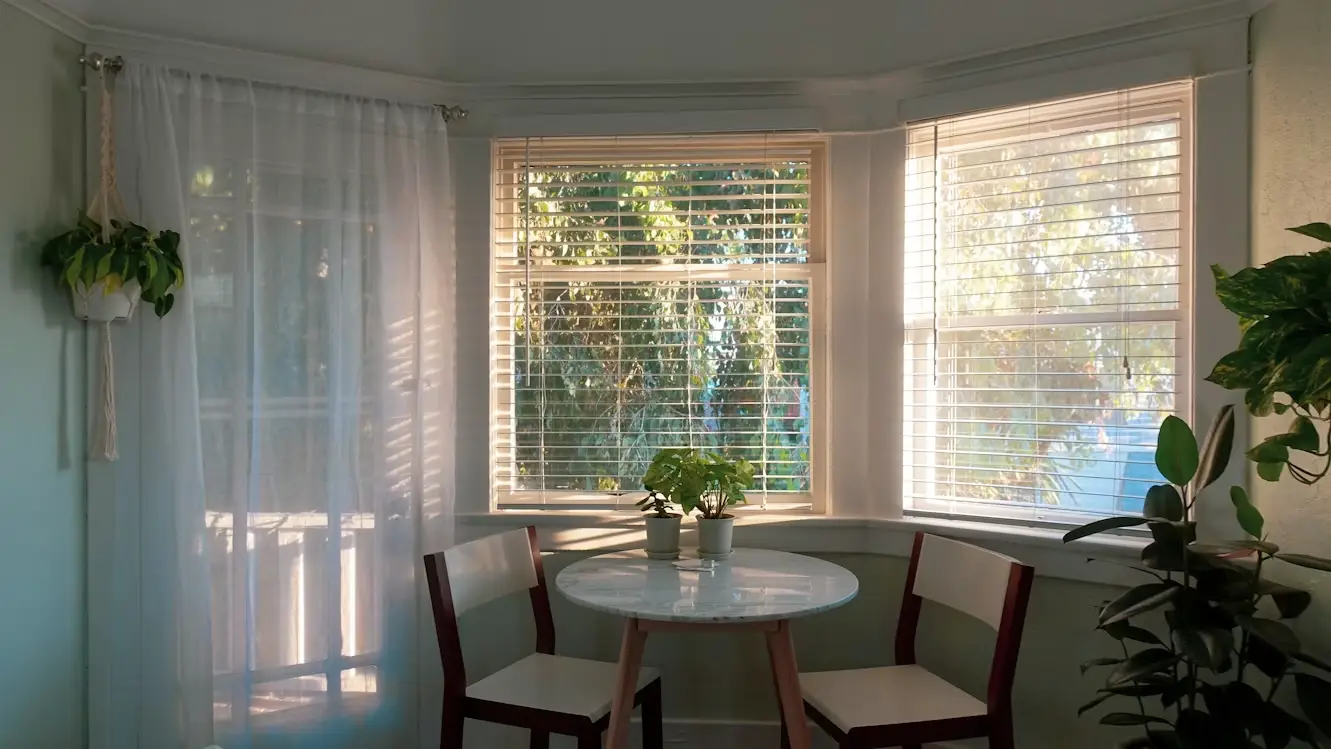
As people get older, comfort can take on new meanings. A supportive chair, softer clothing, better lighting, or a glass of water placed within reach can make the day feel easier and more settled.
These details don’t need to be expensive or complicated. They simply show care for someone’s routine, preferences, and sense of dignity.
Choose Clothing That Feels Easy and Comfortable
What someone wears can affect how relaxed they feel from morning to night. For seniors, soft fabrics, breathable layers, stretchy waistbands, warm socks, and tops that move easily can make getting dressed feel less tiring.
Temperature changes are worth thinking about as well. A cardigan, wrap, or soft robe nearby gives an older loved one more control when they feel chilly, without needing to ask for help every time. Practical clothing should still feel personal, with familiar colors, favorite textures, and pieces they genuinely like wearing.
Make Seating and Bedding More Supportive
A chair or bed can shape the rhythm of the whole day. Seniors who spend more time sitting or resting need support that feels steady, comfortable, and easy to use. A good chair should be simple to get in and out of, with a seat height that doesn’t make standing feel like a strain.
Bedding deserves the same attention. Smooth sheets, soft blankets, and pillows placed where they give proper support can make rest feel calmer. If someone shifts often, seems sore after sitting, or avoids certain positions, the current setup may need to be adjusted.
Keep Everyday Essentials Within Reach
A room feels easier to live in when the basics are close by. Water, tissues, glasses, a phone charger, medication reminders, a favorite book, and the television remote should be easy to reach without stretching, twisting, or standing too quickly.
For older adults who live alone or spend long stretches in one room, the right setup can make daily life feel calmer and more manageable. Clear surfaces, reachable essentials, and small changes that support comfort and independence in familiar surroundings can help a space feel warm, practical, and easy to use.
Support Independence Without Overcomplicating the Space

A helpful room should feel simple to move through, not crowded with fixes. Clear walkways, steady lighting, sensible chair placement, and fewer loose rugs can make everyday movement feel more natural. Small changes around the room can make aging comfortably at home feel more realistic, especially when safety, daily routines, and ease of movement are considered together.
The most effective changes usually blend into the room. A lamp placed where it’s actually needed, a clear path to the bathroom, or a favorite blanket within reach can make someone feel cared for without making the space feel overly managed.
When Comfort Issues Keep Coming Back
Comfort concerns can look different depending on where a loved one is receiving care. In Iowa, distance can make regular visits harder, so families may pay closer attention to small changes during phone calls or weekend check-ins. In Florida, where heat can keep older adults indoors for longer stretches, relatives may notice changes in hydration, skin sensitivity, and the amount of time someone spends in one position. In New York, a faster-paced care setting can make consistency in daily routines feel especially important.
Illinois can bring together a mix of those concerns, from busy city facilities to suburban care homes that relatives may not be able to visit every day. If an older loved one repeatedly seems uncomfortable, develops recurring skin irritation, or has pressure wounds that are not clearly explained, families may need to ask how those concerns are being tracked. In more serious cases, seeking help from a Chicago bedsore attorney can clarify which care details may need closer attention. Patterns matter more than one isolated moment, especially when the same concerns keep returning without a clear answer.
Add Personal Touches That Make the Space Feel Familiar
A room should still feel like it belongs to the person using it. Family photos, a favorite blanket, familiar music, a well-loved book, or a soft cardigan on the chair can make the space feel warmer without adding clutter.
Seasonal details can work well when they stay simple. A small vase, a fresh pillow cover, or a framed photo from a recent family moment can bring in personality without overwhelming the room. Comfort is often as emotional as it is physical, and familiar touches can make a space feel more like home.
Conclusion
Small comfort choices can have a real effect on how an older loved one feels each day. Easy clothing, supportive seating, clear walkways, familiar objects, and a room that’s simple to use can all help preserve independence without making life feel overly managed.
When families pay attention to both physical ease and emotional comfort, they create a space that feels safer, softer, and more personal.