Growing older at home often means rethinking small daily routines long before it means moving out of the house. The kitchen is usually where this shift becomes most noticeable, since cooking, cleaning, and reaching into cabinets all demand a mix of balance, strength, and stamina that can fade with age.
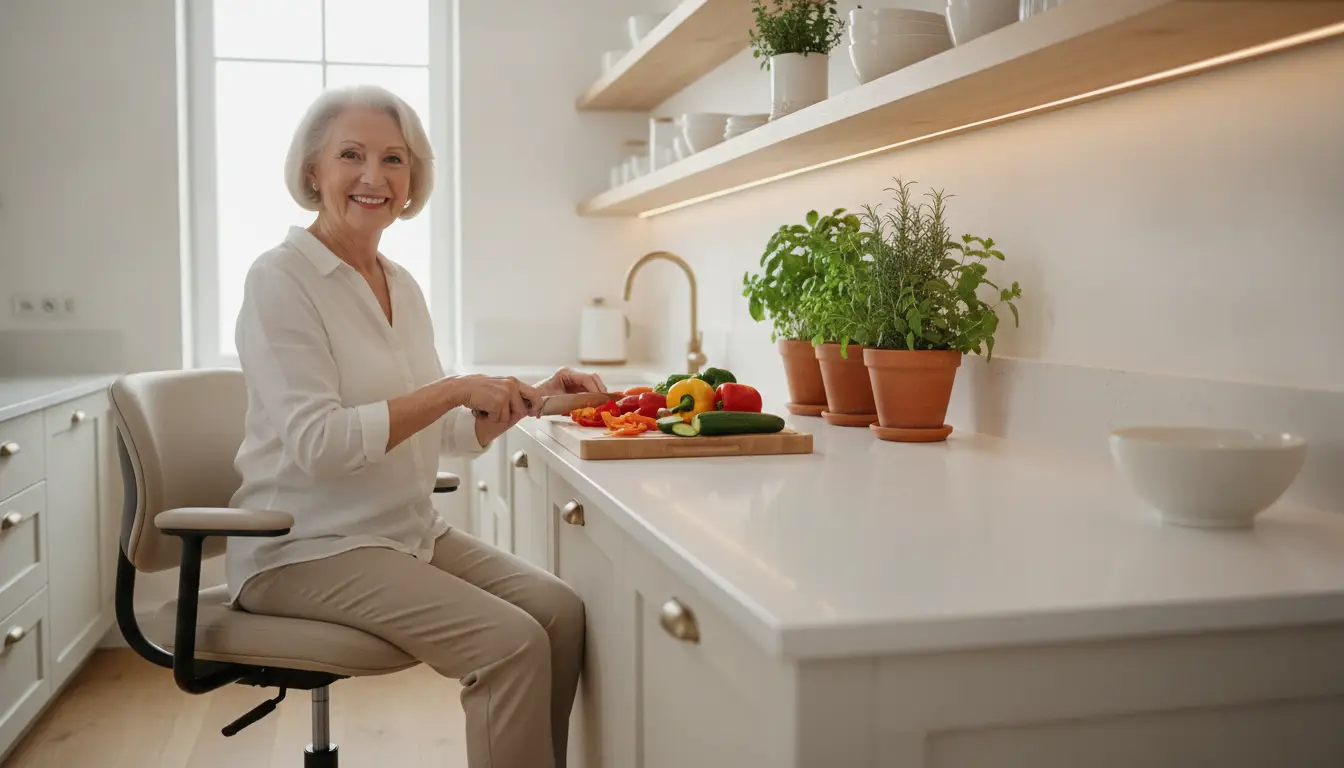
Home décor choices that once focused purely on style now need to account for comfort and safety too, and one of the simplest ways to bridge that gap is with an adjustable height kitchen chair for elderly family members, which lets a person sit securely while still reaching counters, stovetops, and cabinets at a comfortable height.
For many families, the kitchen is the emotional center of the home, and losing the ability to move around it freely can feel like losing a piece of independence. Standing for long stretches while chopping vegetables or stirring a pot puts real strain on joints, and even short bursts of standing can trigger fatigue or pain for someone with arthritis, limited leg strength, or balance issues.
A seated solution designed specifically for kitchen work changes that equation entirely, allowing someone to stay engaged in meal preparation without pushing their body past its limits.
Thinking about aging in place from a décor perspective means looking at furniture not just as something to fill a room, but as a tool that shapes how confidently a person can move through their day. Countertop height, cabinet placement, and flooring all matter, but seating is often the piece that gets overlooked first.
A well-chosen chair can determine whether someone continues cooking their own meals or gradually starts avoiding the kitchen altogether out of fear of falling or overexertion.
Good kitchen ergonomics for older adults also means considering how a chair interacts with the rest of the room. Tight galley kitchens need chairs that maneuver easily between the sink, stove, and counter, while open-plan kitchens might call for a chair that can also roll over to the dining table afterward.
Flooring transitions, rug edges, and cabinet toe-kicks are all details worth checking, since a chair that works beautifully in a showroom can still struggle on uneven home flooring.
None of this requires a full renovation. Often the most meaningful change in a kitchen built for aging in place is a single, thoughtfully chosen piece of seating that lets someone keep doing the tasks they enjoy, safely and on their own terms.
What to Look for in Kitchen Seating for Older Adults
Not every chair marketed as mobile or adjustable is actually suited to kitchen work. A dining chair offers none of the mobility a cook needs, a kitchen stool rarely adjusts in height, and a standard office chair was never designed with wet floors, hot surfaces, or sharp knives in mind.
The right kitchen chair for an older adult needs to combine several features at once: stable seated mobility around the room, wheels that lock securely in place, and the ability to raise or lower the seat to match different work surfaces like a stovetop, sink, or lower cabinet.
Locking wheels deserve particular attention. Anyone who has tried to steady themselves while holding a hot pan or a sharp knife knows how important it is that a chair not roll unexpectedly. A seated mobility solution for the kitchen needs a brake that is simple enough to engage without a second thought, so the person using it can focus on the task at hand rather than the chair itself.
Height adjustment is just as important, since kitchen tasks rarely happen at a single surface level. Reaching into a low cabinet, working at a standard counter, and checking something in the oven all call for different seated heights, and a chair that only offers one fixed position forces the user to compromise on comfort or safety somewhere along the way.
VELA Chairs has built its entire product line around exactly this kind of seated mobility, drawing on more than fifty years of experience in the field and a track record that includes over 500,000 chairs sold worldwide. That kind of long-term focus on one narrow problem, helping people stay mobile and independent in daily tasks, shows up in details that matter in a kitchen specifically, like electric height adjustment and a central brake designed for quick, confident use.
Beyond the mechanics, comfort features like padded armrests and a supportive backrest make a real difference during longer cooking sessions. Preparing a full meal can take well over an hour once you factor in prep, cooking, and cleanup, and a chair that feels good after five minutes needs to still feel good after fifty.
Adjustable armrest height and width, along with breathable upholstery, help prevent the stiffness and discomfort that can otherwise cut a cooking session short.
Finally, consider how the chair transitions between rooms. Many older adults use the same chair to move from kitchen to dining area, so a design that rolls smoothly across different flooring types adds real value beyond the kitchen itself.
Practical Steps for Setting Up an Age-Friendly Kitchen
Once the right seating is in place, a few additional adjustments can make the kitchen work even better for someone managing mobility challenges. Start by mapping out the most frequent movements: the path between the fridge, sink, and stove is usually the busiest stretch in any kitchen, and clearing that route of clutter, loose rugs, or low furniture reduces the risk of trips and falls significantly.
Storage placement is another area worth revisiting. Items used daily, like everyday plates, common pots, and frequently used utensils, should sit at a height that’s easy to reach from a seated position, roughly between waist and shoulder height.
Anything stored above or below that range becomes harder to access safely, even with a chair that adjusts in height, so it helps to physically test reach distances rather than guessing.
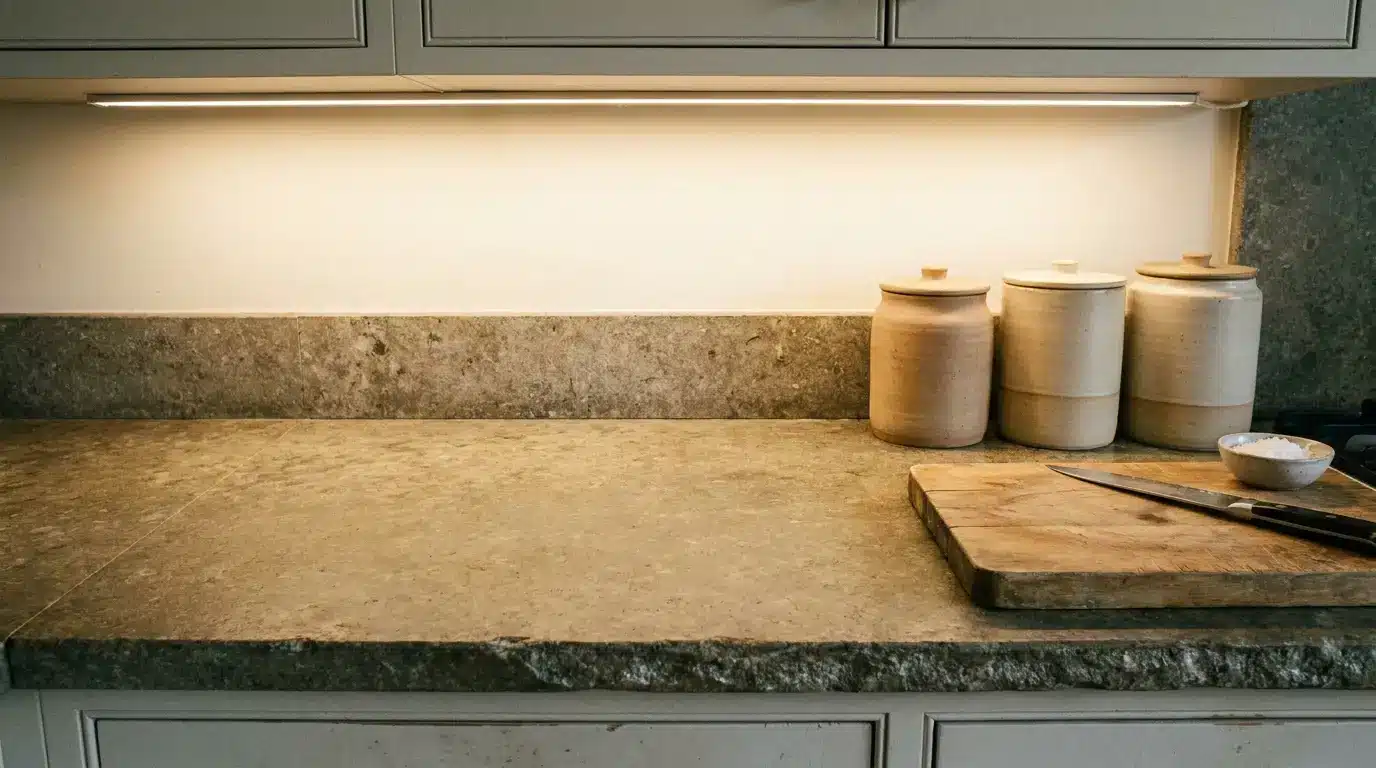
Lighting also plays a bigger role than most people expect. As eyesight changes with age, task lighting under cabinets and above the stove can make a real difference in both safety and confidence while cooking. Combined with clear color contrast between countertops and cabinet edges, better lighting helps prevent small accidents like misjudging the edge of a counter or dropping an item while reaching.
Counter space matters too. Having a clear, uncluttered area near the stove or sink gives someone using a seated mobility aid room to set down hot pans or wet dishes without needing to twist or reach unnecessarily. If counters are currently cluttered with small appliances, consider relocating rarely used items to free up that working space.
It’s also worth involving the person who will actually use the kitchen in these decisions, rather than making assumptions on their behalf. Preferences around chair height, armrest style, and even the color of upholstery can affect how willingly someone adopts a new routine. A chair that looks perfect on paper but feels wrong to the person sitting in it won’t get used consistently.
Finally, revisit the setup periodically. Mobility and comfort needs can shift over months or years, and what worked perfectly during the first year of using an adjustable chair might need small tweaks later on, whether that’s a different seat height, added cushioning, or a change in kitchen layout.
Treating the kitchen as something that evolves alongside the person using it, rather than a one-time fix, tends to produce the best long-term results for aging in place comfortably and confidently.