I’ve always loved having fresh flowers at home, but buying them each week adds up fast. That’s why I started my own cut flower garden, and honestly, it changed the way I think about growing anything.
You get color, scents, and steady stems without spending much, and it feels good to walk outside and cut what you need.
In this guide, I’ll walk you through the basics I wish I knew when I started. You’ll learn what a cutting garden is, where to place it, which flowers grow easily, and how to plant everything without stress.
By the end, you’ll feel ready to grow your own bunches all season.
What is a Cut Flower Garden?
When I think of a cut flower garden, I picture a space I grow mainly for picking fresh stems, not for creating a perfect-looking bed.
It feels a bit more relaxed than ornamental planting, because the goal is steady growth and quick replanting when a spot opens up.
I love it because it gives me fresh bouquets through the warm months without the cost of store flowers.
I can grow the colors and scents that make me happy, and the flowers always seem to pull in bees and butterflies, which adds a nice bit of life to the yard.
Choosing the Best Location for a Cut Flower Garden
When I’m choosing a spot for a cut flower garden, I always think about what will help the plants grow strong, stay healthy, and bloom nonstop.
A little planning here makes the whole season feel easier and more enjoyable.
1. Sunlight Requirements
I’ve found that most cut flowers grow best in full sun for six to eight hours a day. Good light keeps stems long and colors bright.
Some fillers can handle part sun, but the main flowers really need steady light. I usually put the sun lovers in the brightest part of the bed and save the softer edges for tough plants like mint.
2. Soil and Drainage
Healthy cutting beds start with loose, compost-rich soil that drains well. When my soil feels heavy or full of clay, I rely on raised beds so water doesn’t sit around the roots.
Mixing compost into the top layer always helps the soil feel lighter, nutrient-rich, and easier to work with.
3. Water and Access
For me, watering has to be simple, so I place my beds where a hose or irrigation line is close by. It keeps things stress-free, especially during warm months.
I also make sure I can reach every plant for trimming and cutting. I avoid low spots because standing water can lead to root problems.
4. Wind Protection
A little airflow is great, but strong wind can flatten tall flowers fast. Others use large outdoor planters to shelter delicate root systems and keep heavier botanical arrangements structurally anchored during unexpected seasonal storms. Positioning these sturdy containers strategically along pathways provides additional physical reinforcement while elevating the overall aesthetic of the garden layout.
If the yard is totally open, I add stakes or light support grids early to keep stems straight and safe when storms roll through.
Best Flowers for a Beginner-Friendly Cut Flower Garden
You have many beginner-friendly flowers to choose from. The lists below highlight the easiest and most dependable options for steady stems and simple care.
- Easy Annuals: Zinnias, cosmos, snapdragons, sunflowers, calendula, sweet peas, dahlias.
- Perennials and Bulbs: Coneflowers, yarrow, phlox, rudbeckia, tulips, daffodils, gladiolus, alliums.
- Foliage and Fillers: Basil, dill, ammi, ornamental grasses, mint, statice, eucalyptus.
These choices give you a strong mix of bright blooms, sturdy stems, and helpful greenery to build your first cutting garden with confidence.
| Flower Type | Vase Life (Days) | Bloom Window | Best Use |
|---|---|---|---|
| Zinnias | 7–10 | Summer–Fall | Bright focal stems |
| Snapdragons | 5–8 | Spring–Summer | Vertical lines |
| Cosmos | 3–5 | Summer–Fall | Light, airy touches |
| Coneflowers | 5–7 | Summer | Sturdy focal blooms |
| Basil (Filler) | 5–7 | Summer | Fragrant greenery |
These vase-life details help you plan a garden that offers steady blooms and reliable stems for arranging throughout the season.
How to Plant a Cutting Garden Flower Step-By-Step
You can build this cutting garden using direct-sown seeds and a few tubers, without any indoor seed starting.
Step 1: Choose Your Bed and Sunniest Spot
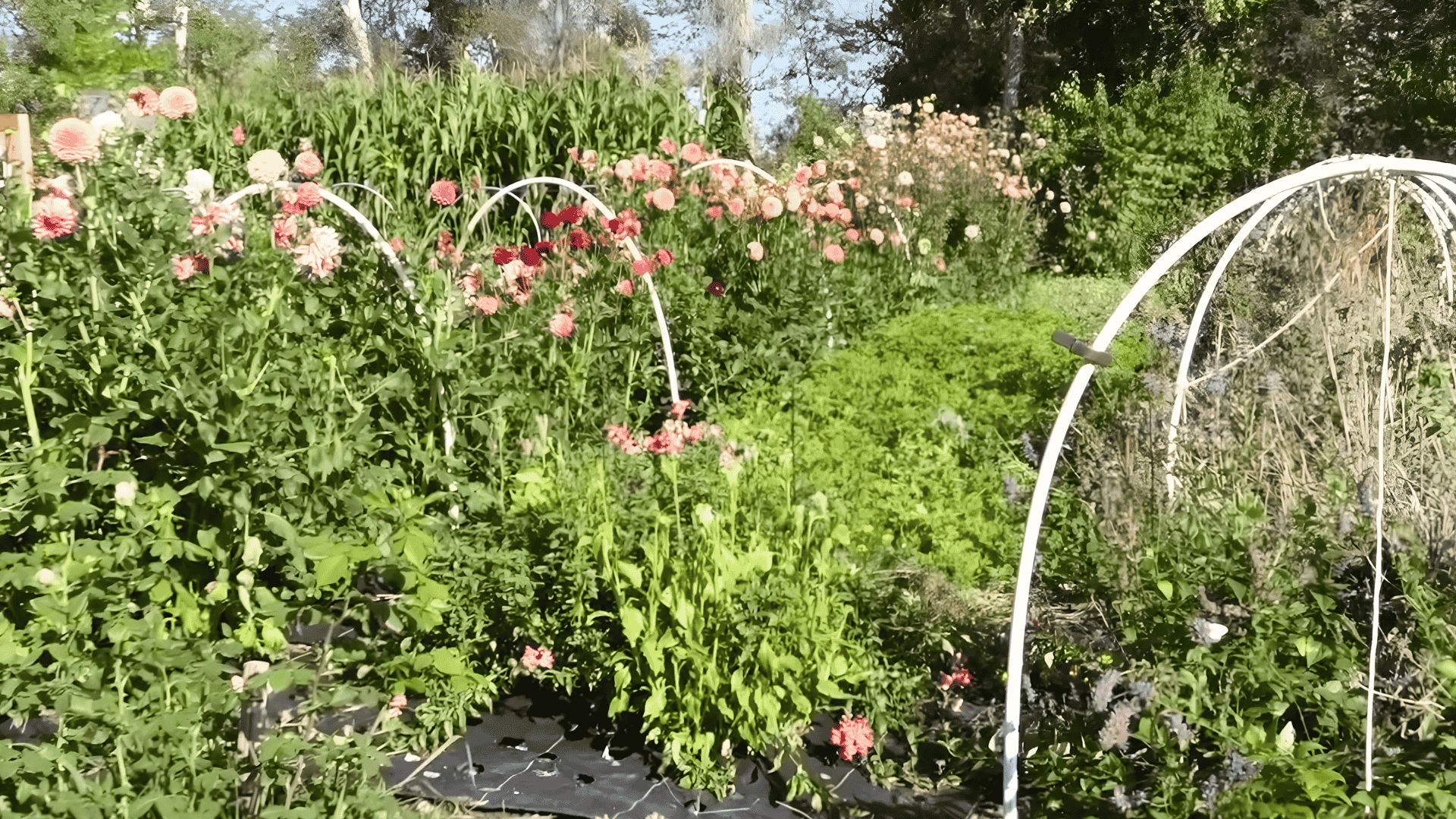
Set up a 4×8-foot bed or adjust the size to fit your space. Pick a full-sun area that receives at least six hours of direct light.
Place the tallest flowers on the north side so they don’t cast shade on shorter plants. This layout keeps everything growing evenly and gives you better stems for cutting.
Step 2: Pick Easy, Direct-Sown Flowers
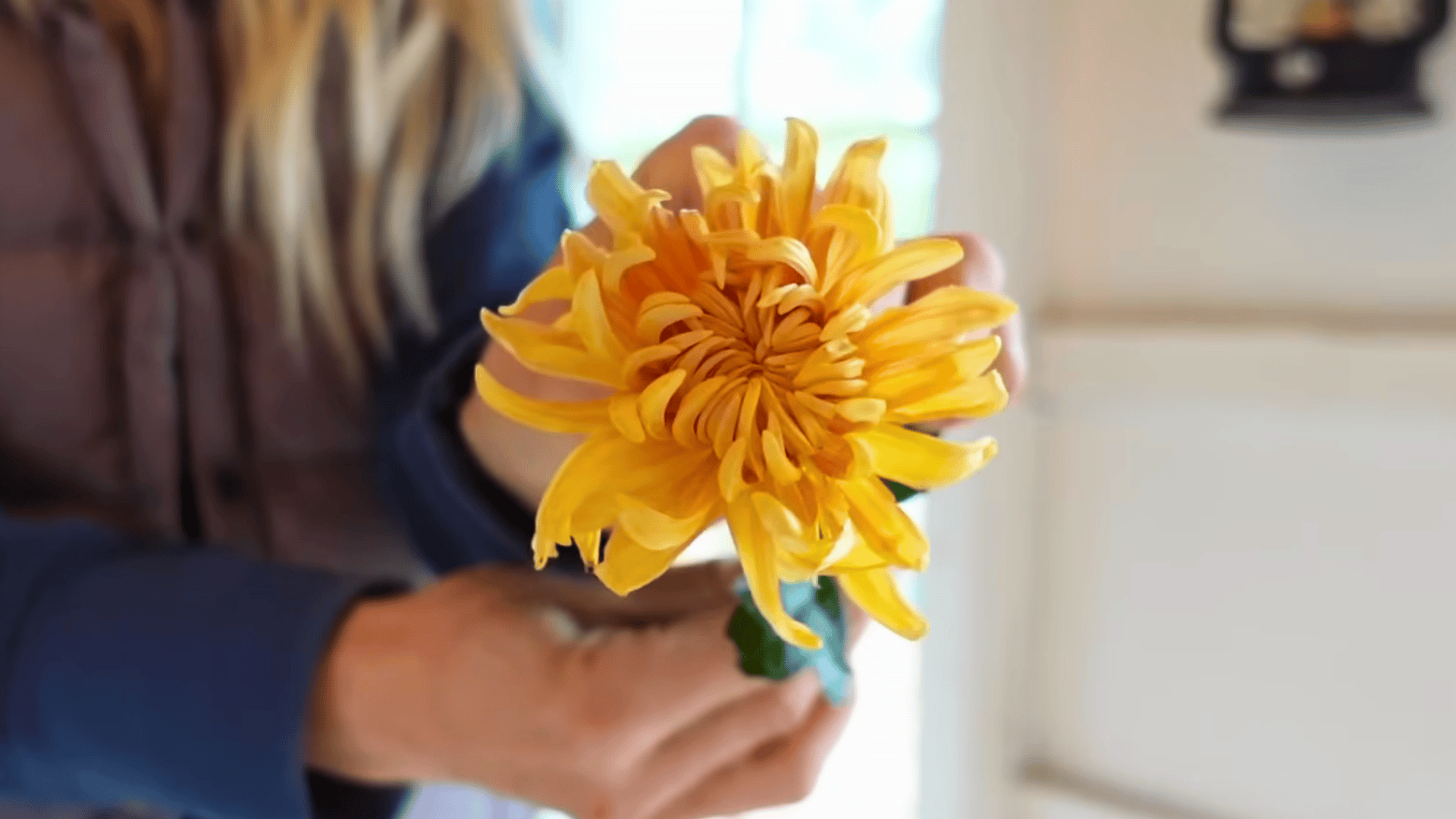
Choose flowers that grow well from seed outdoors so you don’t need indoor seed starting. Good options include sunflowers, zinnias, and cosmos, along with dahlias from tubers and chrysanthemums as rooted plants.
Select tall cutting varieties instead of short landscape types to ensure you get strong, vase-ready stems all season.
Step 3: Draw a Simple Grid and Plan Spacing
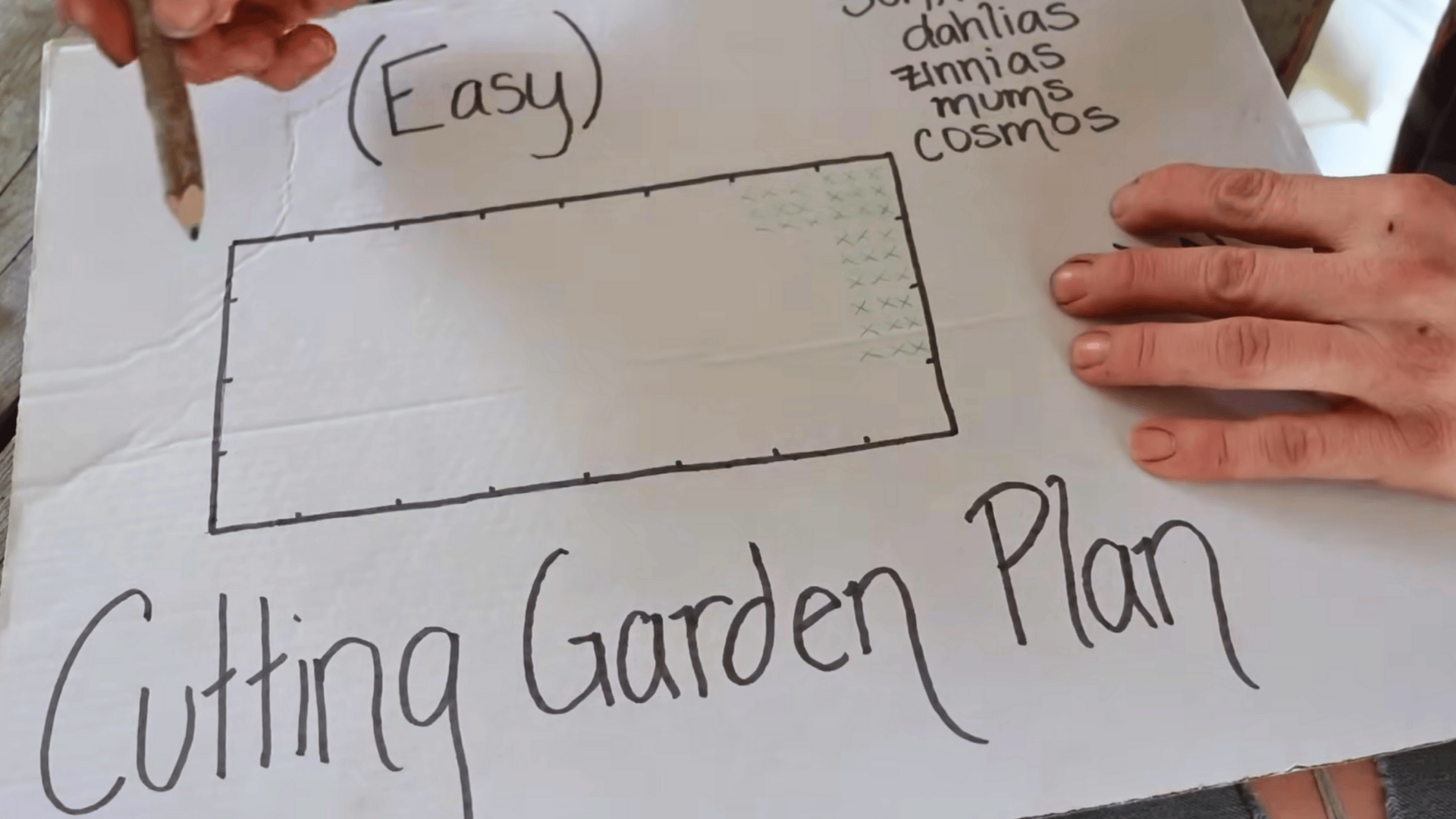
Sketch your bed as a simple grid, with one square representing one square foot. Plant sunflowers and cosmos on the north side, using about nine sunflowers or two cosmos per square foot.
Give each dahlia and mum its own square foot. This spacing keeps plants manageable and helps you harvest clean, usable stems.
Step 4: Follow Frost Dates and Succession Planting
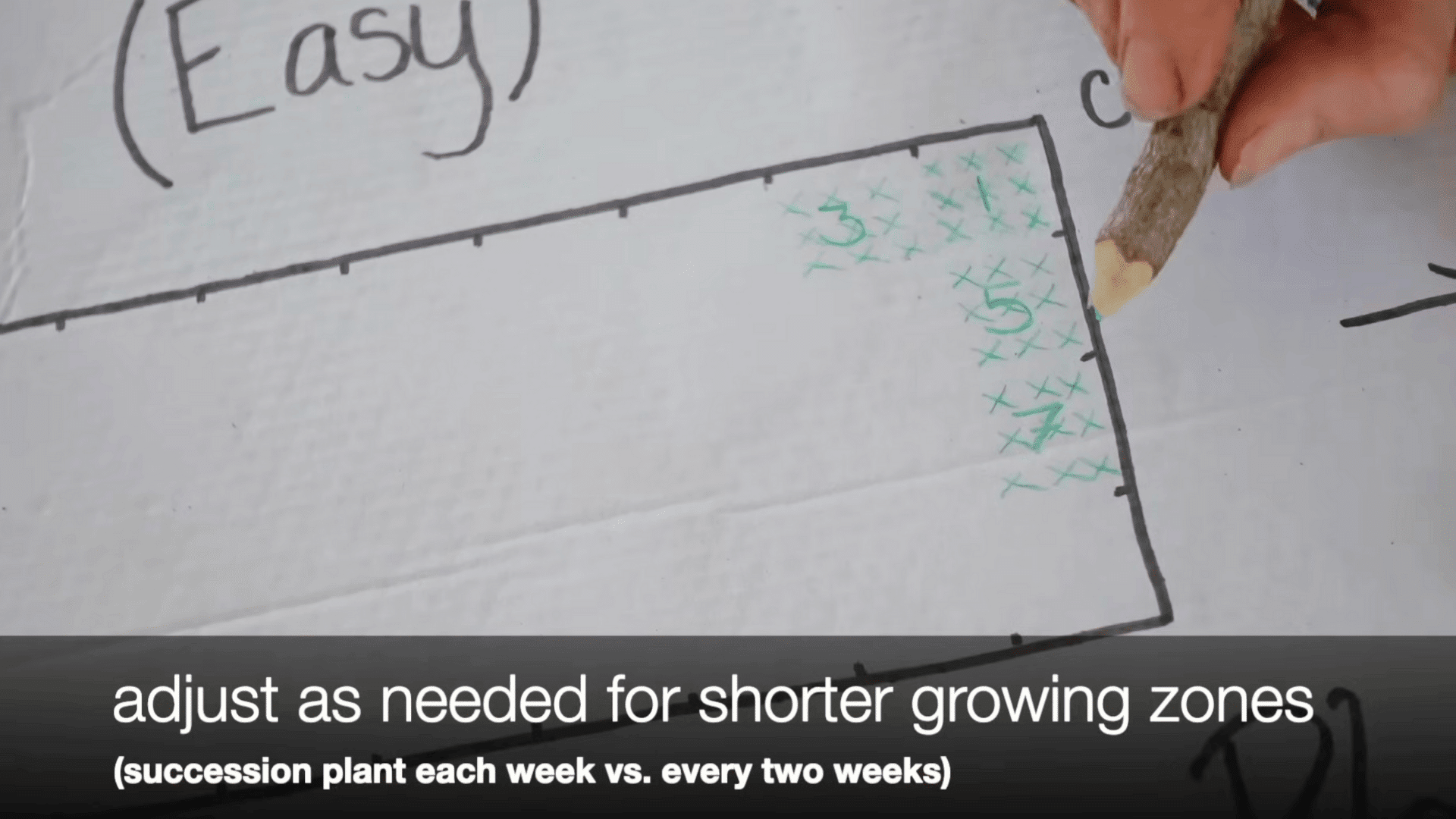
Use your last frost date to plan all planting. Put dahlias and mums in around that time, then direct-sow sunflowers, zinnias, and cosmos in waves every two weeks.
Planting in weeks 1, 3, 5, and 7 after frost gives you steady blooms, prevents overcrowding, and keeps your cutting garden productive through the whole season.
Step 5: Prepare Soil, Seed Carefully, and Manage Water
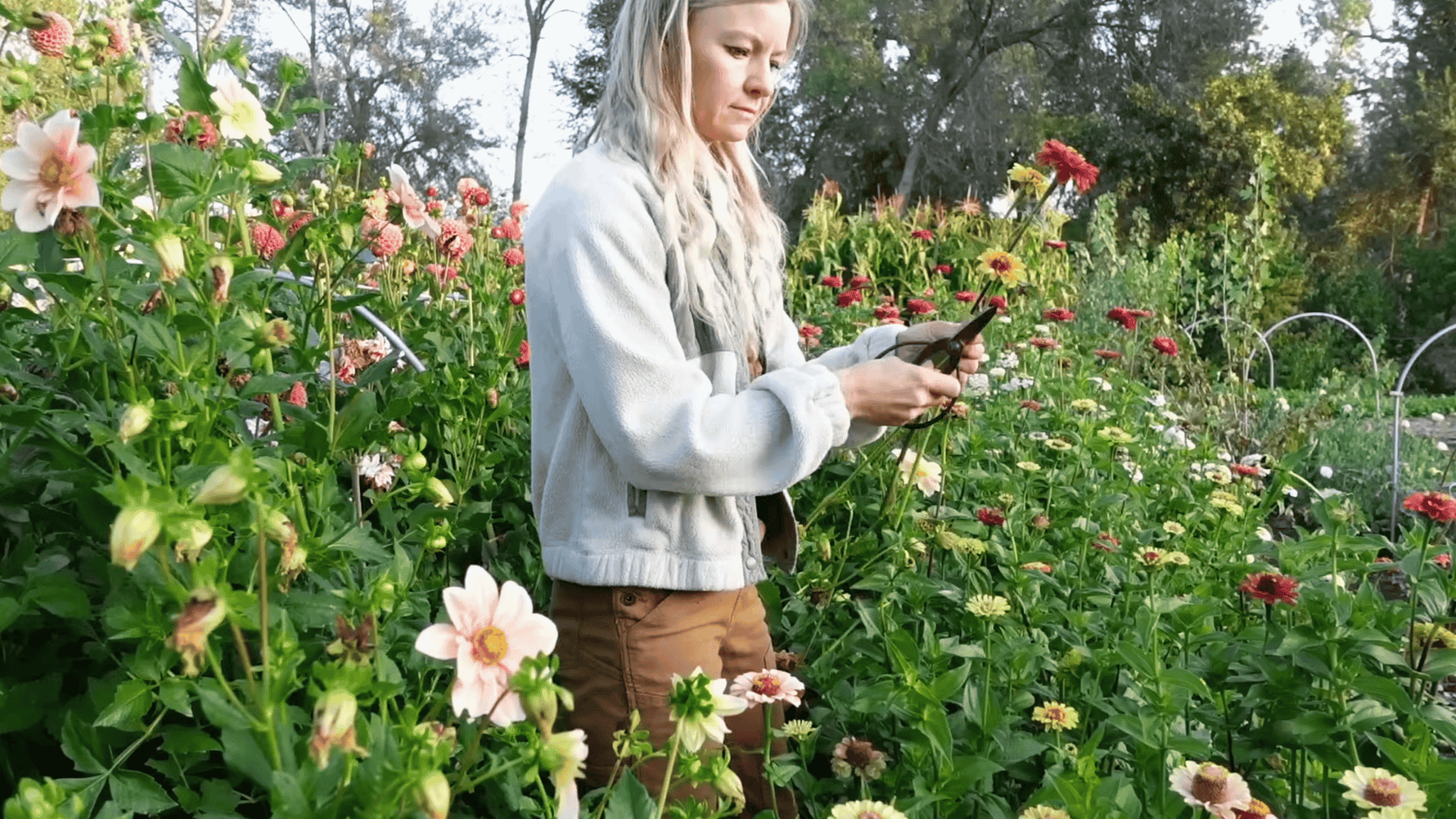
Keep soil loose, well-drained, and covered with mulch between plantings. Before sowing each section, pull mulch aside and create a clean seedbed.
Hand-water seeded squares so moisture stays even without overwatering dahlia tubers. When seedlings and dahlias are established, switch to your regular watering routine and remove fading plants as needed.
Step 6: Support, Harvest, and Keep the Garden Productive
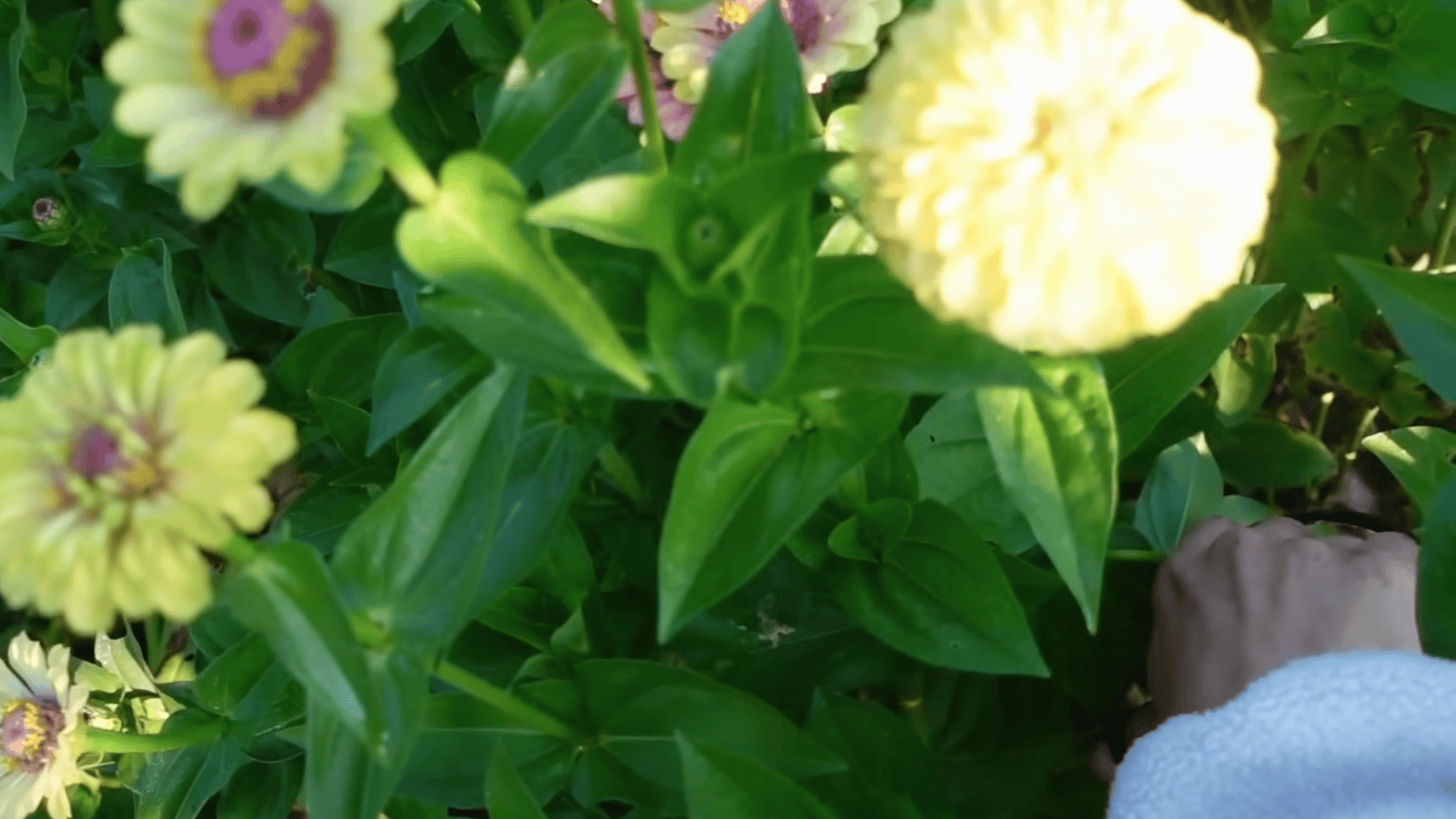
Add supports early for tall plants like sunflowers, dahlias, and cosmos so stems stay upright. Harvest often to encourage new blooms.
Use the wiggle test for zinnias and cut sunflowers and cosmos when buds are still tight. Remove declining plants from early successions to open space, improve airflow, and keep the garden healthy all season.
For a more detailed overview, check out YouTube video from Regenerative Gardening with Blossom & Branch Farm:
Harvesting and Conditioning Flowers for Longer Vase Life
Fresh stems always last longer when they’re cut with a bit of care, so I follow a few simple habits that keep my bouquets looking good once they’re inside.
Nothing complicated; just small steps that make a big difference.
- Best Time of Day: I cut flowers early in the morning or later in the day, when the stems feel cool and refreshed.
- Harvesting Technique: Sharp shears help a lot. I take long stems at a slight angle and strip off the lower leaves so the water stays clean.
- Conditioning Tips: Stems go straight into clean buckets with fresh lukewarm water. Clean tools keep things healthier, and some flowers perk up even more with a short chill.
- Stage of Harvest: Bud or half-open blooms always last longer for me. Fully open flowers look pretty in the garden, but fade fast once they’re inside.
With a little routine like this, your flowers stay bright and fresh for more days, and arranging them feels even more rewarding.
Planning Your Cut Flower Garden Layout Ideas
Planning a layout always makes the whole garden feel easier to manage. I like to think about height, watering, and how I’ll move through the space, because it saves so much time later when I’m cutting stems.
Basic Layout Principles
- Group tall plants at the back or center.
- Use blocks or rows for even growth.
- Leave space around beds so you can reach stems.
- Keep plants with similar needs together.
- Make paths wide enough for tools, buckets, and easy movement.
1. Classic Rectangular Cutting Bed
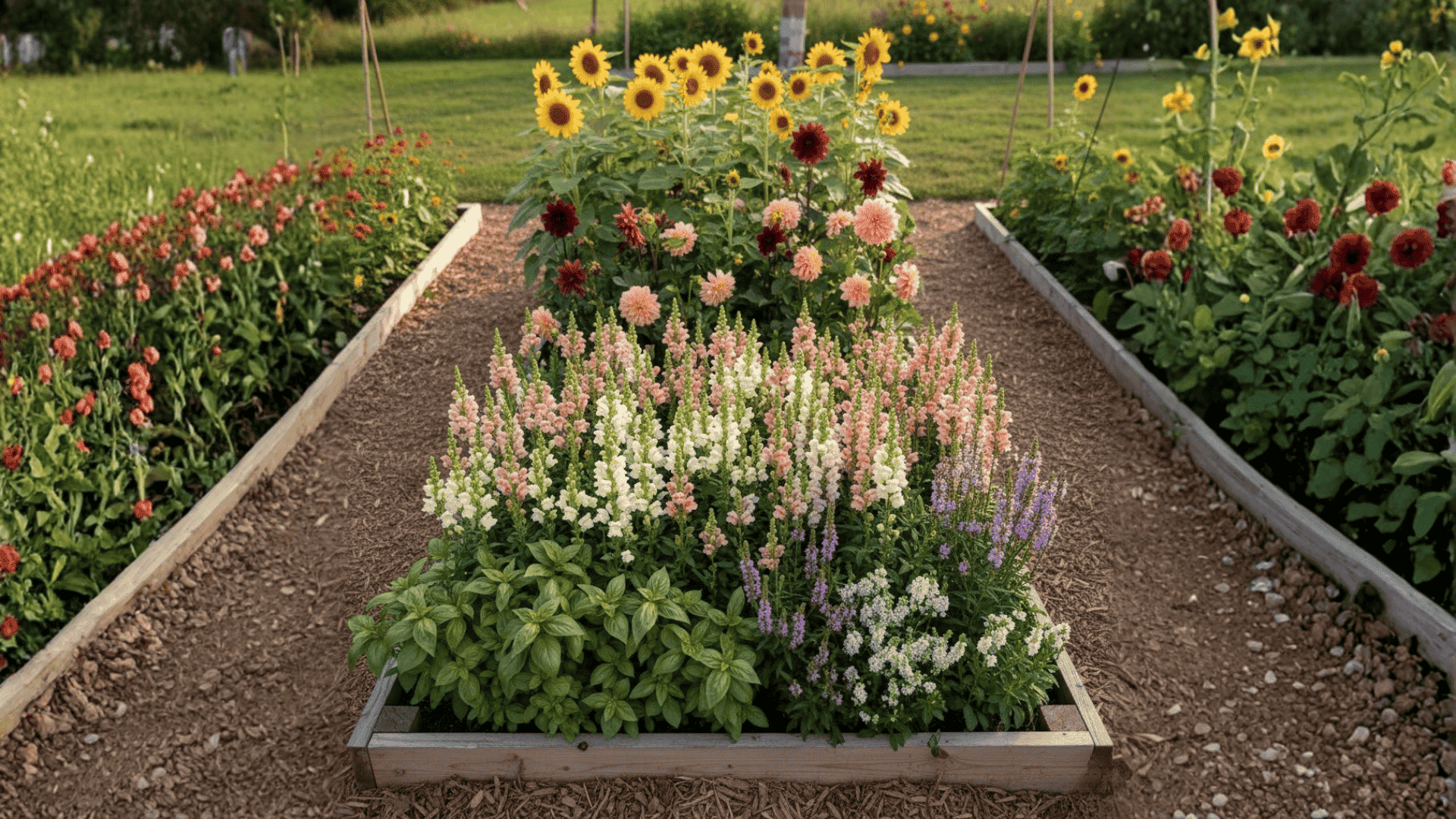
This layout uses clean rows arranged by plant height, making harvest easy from either side.
Tall flowers stay in the back, with mid-height and short growers near the front. The structure keeps everything neat and productive.
Tip: Add twine or light netting early to keep tall stems upright.
2. Cottage-Style Cutting Garden
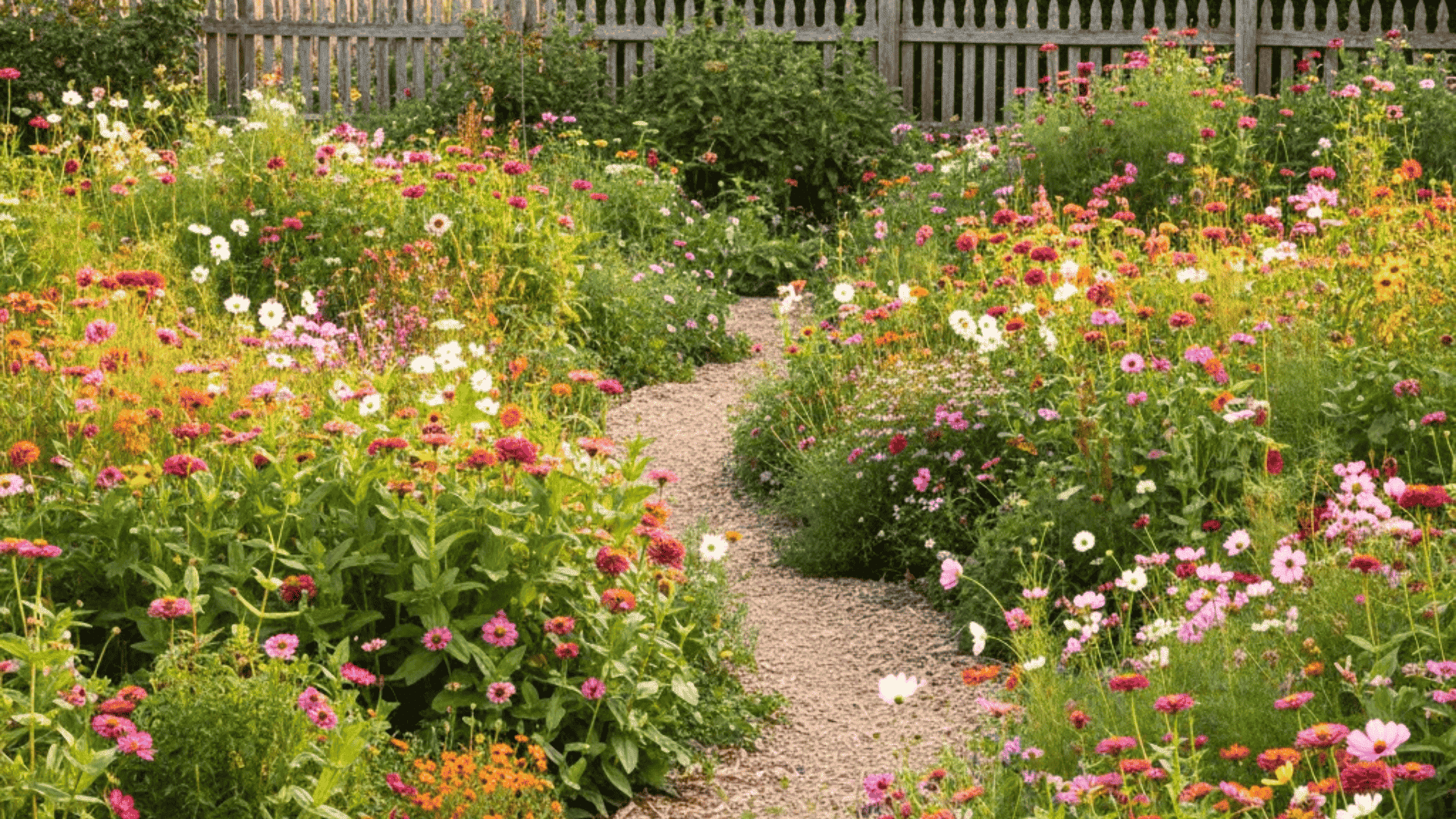
A softer, more natural layout with loose clusters of flowers arranged in gentle blocks.
Narrow paths help you move between groups for cutting without stepping on plants. It’s ideal if you enjoy a relaxed, informal look with lots of variety.
Tip: Mix bloom times in each cluster for steady color through the season.
3. Raised Bed Cutting Garden
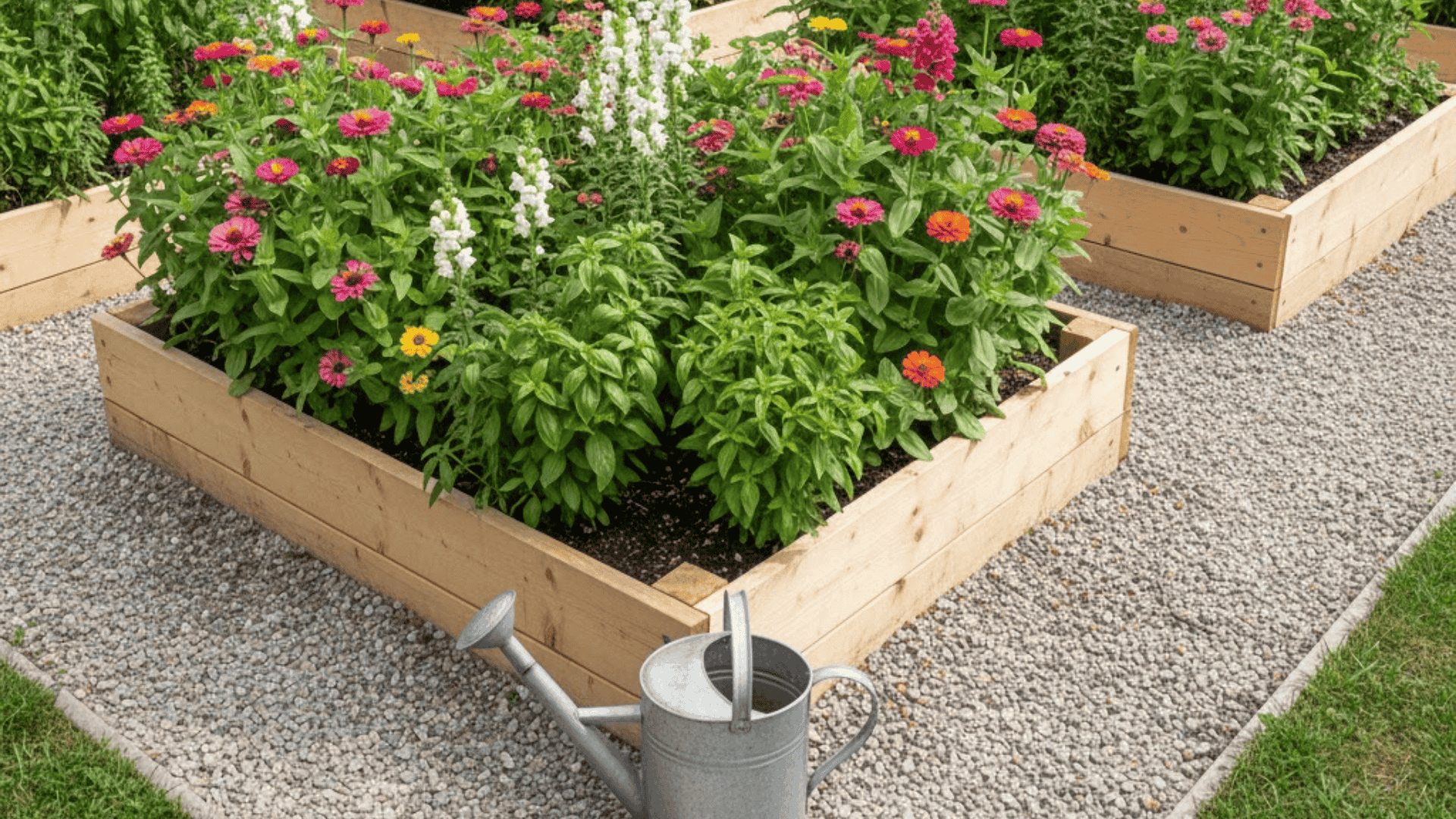
Wooden frames create tidy beds filled with compost-rich soil that warms quickly and drains well. Plants stay organized, and spacing is easier to manage. This setup is great for beginners who want a clear structure and reliable growth.
Tip: Place beds with enough room on all sides so harvesting stays easy.
4. L-Shaped Layout Beside a Fence

An L-shaped bed fits perfectly against a fence, giving you built-in support for tall flowers. Place shorter plants in front so they get full sun. This layout saves space and keeps pathways open for simple harvesting.
Tip: Use fencing or simple ties to guide tall stems as they grow.
5. Patio Container Cutting Garden
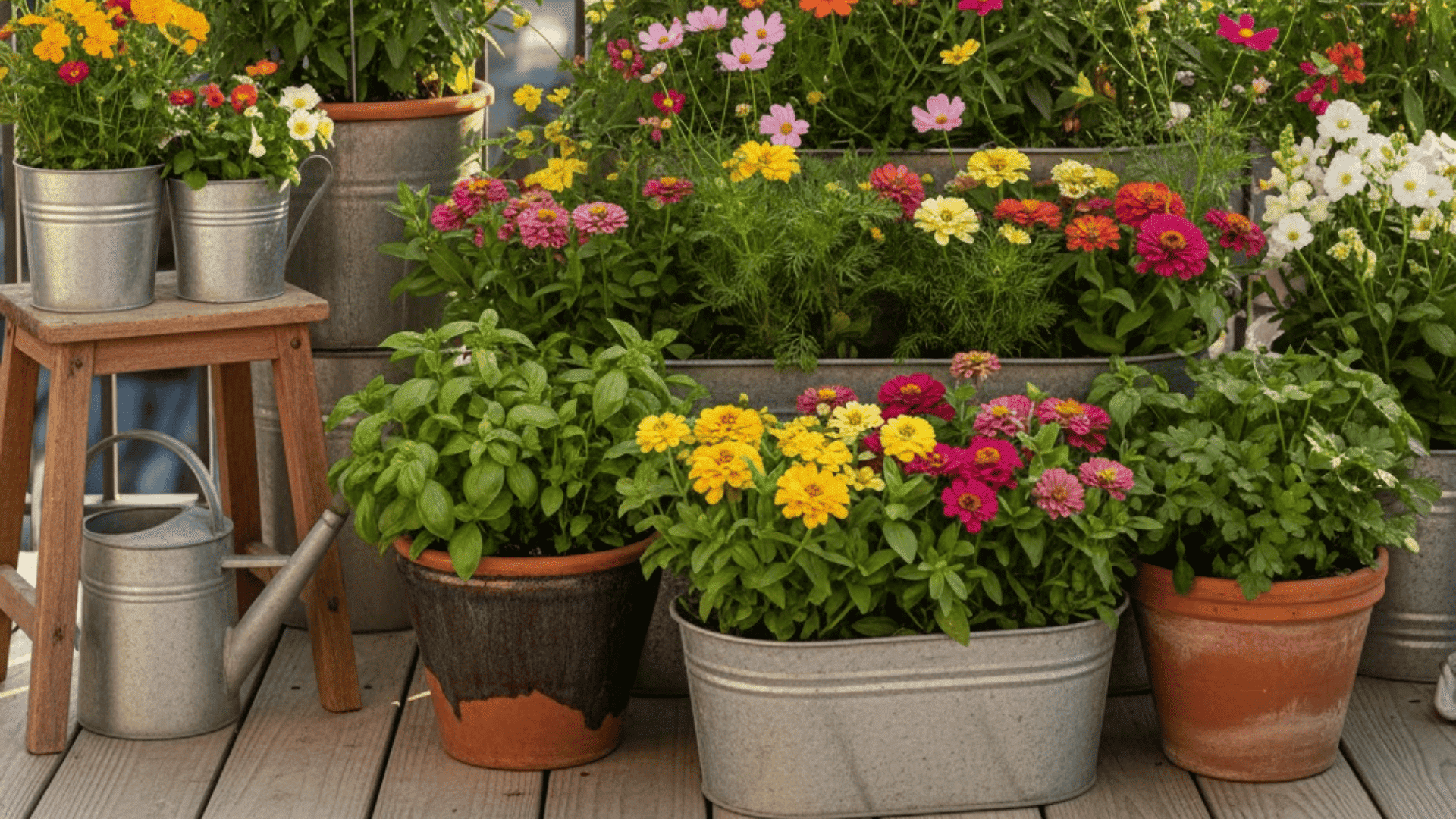
Grouped pots arranged by height let you grow cutting flowers on patios, decks, or balconies.
Containers make it easy to control soil quality and water needs while keeping plants mobile. Compact annuals and fillers thrive here.
Tip: Choose pots of similar depth so watering stays consistent across all containers.
Common Beginner Mistakes to Avoid
I’ve made plenty of these mistakes myself, so don’t stress if a few sound familiar. Small changes go a long way toward keeping a cut flower garden healthy and productive.
- Planting in low-light spots: Flowers grown in shade stay weak and produce fewer stems.
- Setting plants too close: Tight spacing blocks airflow and leads to bent, short growth.
- Skipping support: Tall flowers really do need early staking or netting to stay upright.
- Ignoring succession planting: One big planting only gives you one short bloom window.
- Cutting too rarely: Regular harvesting actually encourages more flowers.
- Uneven watering: Inconsistent moisture stresses plants and slows growth.
- Leaving soil unimproved: Compost helps roots breathe and makes the whole bed easier to manage.
Once you smooth out these small habits, the whole garden starts to feel calmer, easier, and a lot more fun to work with.
Bottom Line
Growing a cut flower garden comes down to learning what your space needs and taking small steps that fit your routine.
You now know how sunlight, spacing, soil, and steady care all work together to give you healthy stems through the season.
I’ve loved sharing these ideas with you, and I hope you feel a little more confident about starting your own setup.
Keep things simple at first, pay attention to what grows well for you, and let your garden grow with your style and pace.
If you want more ideas or a bit of extra guidance, you can always check out the other posts here for support and inspiration.