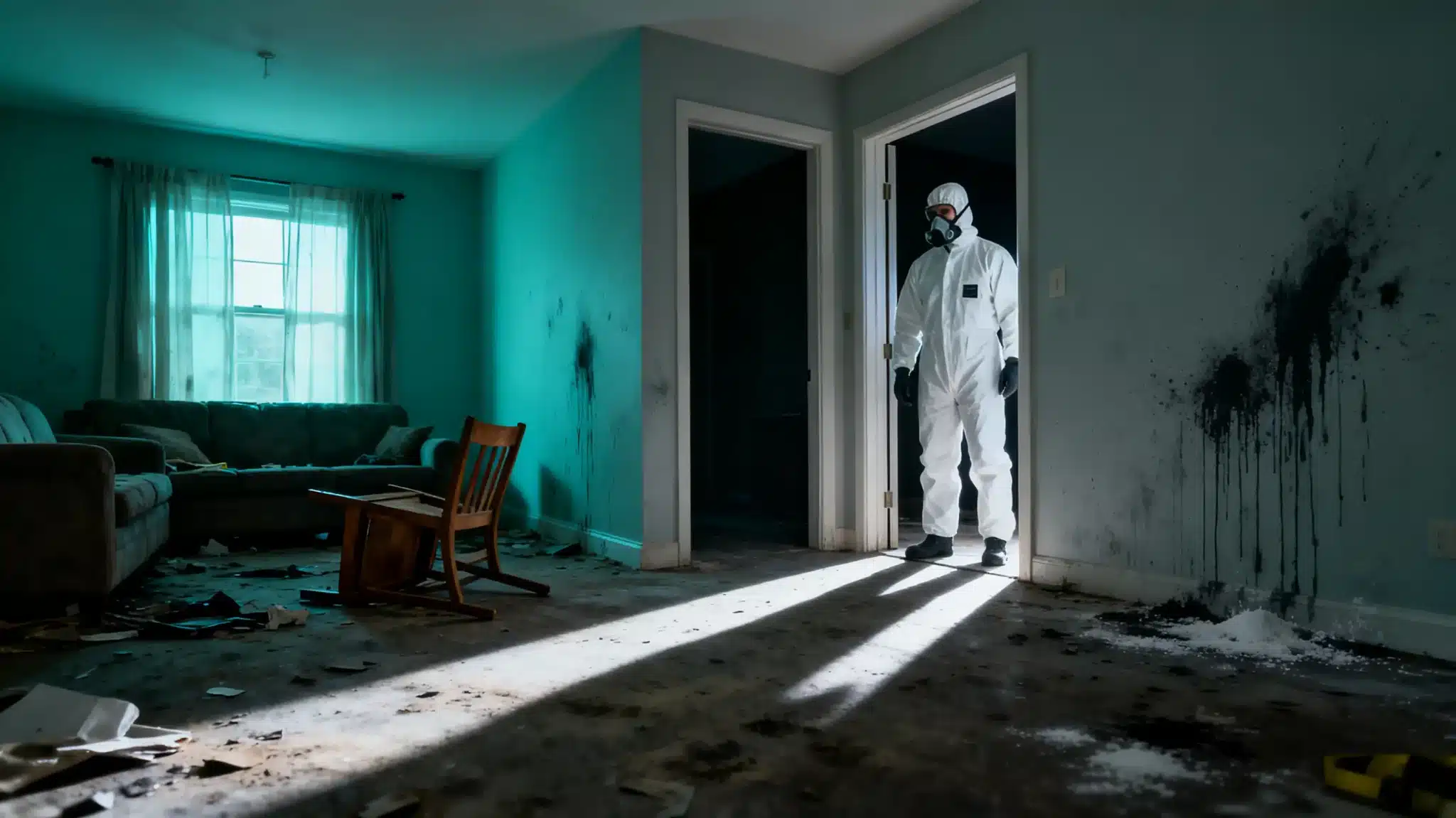
When a serious incident occurs at a property, the immediate focus falls on emergency services. Police officers and forensic investigators arrive to secure the area, gather evidence, and piece together what happened. However, once the investigation wraps up and the cordon comes down, many property owners are surprised to learn what comes next.
The scene is often left in a state of severe disruption, containing hazardous materials and chemical residues. The responsibility for restoring the property does not fall on the police or local authority. It falls on the property owner.
Who Is Responsible for Crime Scene Cleanup in the UK?
A common misconception is that the police, emergency services, or local councils handle the cleanup after an investigation. In reality, forensic teams are there solely to collect evidence, and their involvement ends once that work is complete. They do not clean up the mess created during their investigation or by the incident itself.
The powders and chemicals used to detect fingerprints, for example, can permanently stain walls and carpets if not treated quickly. Officers may also damage doors or windows to gain entry, adding to the state of disarray left behind.
Under UK law, the legal responsibility for restoring the property sits with the building owner or occupier. Homeowners, landlords, and business operators are all expected to arrange remediation work themselves.
The only general exception is when an incident takes place on council-owned property, in which case the local authority typically handles it. Leaving biohazards unattended can lead to lasting property damage and long-term health risks for future occupants, making prompt action essential.
What the Restoration Process Involves
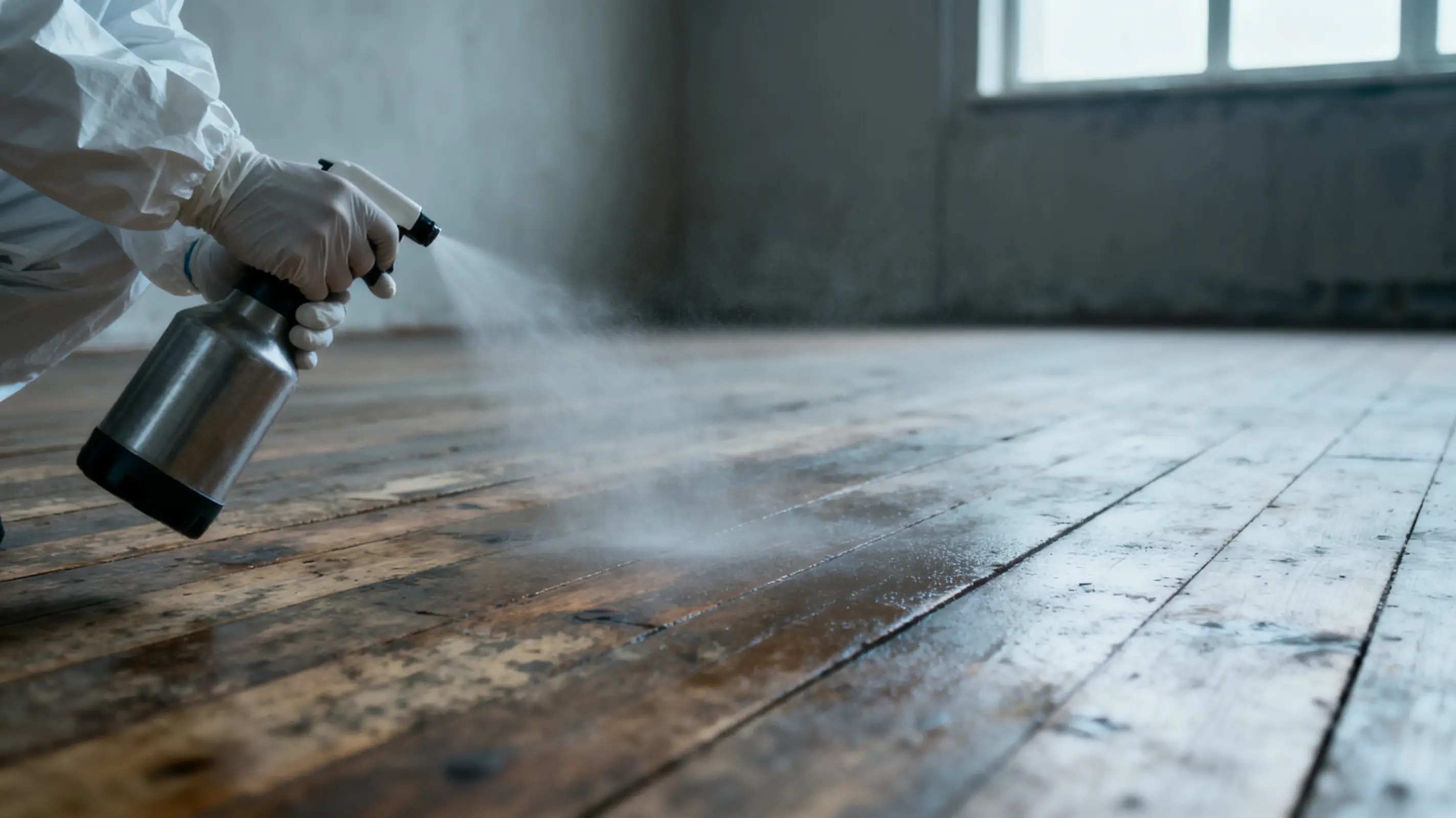
The aftermath of a serious incident requires far more than a standard deep clean. Household cleaning products and conventional methods are completely insufficient when dealing with blood, bodily fluids, or forensic chemical residues.
These materials can seep into floorboards, porous brickwork, drywall, and soft furnishings, creating invisible hazards that persist for months if left untreated. Standard domestic waste disposal routes are also illegal for clinical waste, so contaminated materials cannot simply be discarded in a skip.
Property owners in this situation often arrange specialist cleaning by ICE Cleaning, whose technicians use industrial-grade sanitising agents and hold the necessary waste carrier licences to dispose of hazardous materials at authorised sites. These professionals work with full discretion and regulatory compliance to ensure the environment is safe for habitation once the job is complete.
Who Pays for the Cleanup?
The costs associated with crime scene remediation can be substantial, which naturally concerns property owners already dealing with a distressing situation. In many cases, standard home or commercial buildings insurance policies cover the cost of professional cleaning after a crime. Property owners should contact their insurer as soon as possible to check the specifics of their policy, confirm their level of cover, and begin the claims process.
Landlords generally remain responsible for the structural integrity and safety of the premises, though individual tenancy agreements may vary. In commercial settings, business interruption insurance can sometimes help cover losses while the property remains closed for restoration. Documenting the scene thoroughly with photographs before any work begins is advisable, as this evidence supports the insurance claim.
Hazards Commonly Found at Incident Scenes
A property affected by a serious incident can contain multiple hazards that require professional attention. No untrained person should attempt to clear these materials without specialist equipment and protective gear.
The main hazards that remediation professionals typically encounter include:
- Biohazards and bodily fluids carrying the risk of bloodborne pathogens such as HIV, hepatitis B, and hepatitis C.
- Fingerprint dust and heavy chemical residues left behind by forensic investigation teams.
- Sharp objects, broken glass, and potential drug paraphernalia.
Final Notes
A crime or serious incident on any property is an incredibly stressful event, and the physical aftermath left by both the incident and the subsequent police investigation can make recovery feel overwhelming. Understanding that the cleanup falls to the property owner, not the emergency services, allows for quicker action to protect the building and the safety of anyone who uses it.
Hiring certified professionals ensures the property returns to a safe, clean condition without exposing anyone to dangerous biological or chemical materials. Whether the building needs to be handed back to tenants, reopened for business, or returned to as a home, professional remediation provides the foundation for moving forward.