When I first started looking into standard garage door sizes, I had no idea there were so many factors to consider.
I just wanted a door that actually fit my car without giving me a heart attack every time I parked. If you feel the same, you’re in the right place.
In this blog, I’ll walk you through the most common garage door sizes, how to measure your space the right way, and what to consider before choosing a door.
We’ll also talk about single doors, double doors, oversized options, and the mistakes most people make. By the end, you’ll feel confident picking the size that works best for your home and your vehicle.
How Home Design Impacts Your Garage Door Size
Your home’s layout plays a bigger role in your garage door size than most people realize. The shape of your driveway, the height of your garage ceiling, and even the style of your home’s exterior can all influence what size makes the most sense.
For example, if you have a narrow or curved driveway, a wider door can make daily parking much less stressful.
Homes with higher garage ceilings may benefit from taller doors, especially if you plan to add overhead storage racks.
And if you care about curb appeal, the proportions of your garage door can make your whole house look more balanced.
Taking your home’s design into account ensures your garage door isn’t just functional, but also fits naturally with the rest of your space.
Standard Garage Door Sizes: What Most People Actually Use
Here’s the thing about garage doors – most of them follow pretty standard measurements. This makes life easier for everyone, from manufacturers to installers to homeowners like us. Let’s break down what you’ll typically see.
Single-Car Garage Door Sizes

If you’ve got a standard single-car garage (the kind most suburban homes have), you’re probably looking at one of these sizes:
The Most Common Options:
- 8 feet wide x 7 feet high – This is your basic, no-frills single garage door size. It’ll fit most sedans and smaller vehicles just fine.
- 9 feet wide x 7 feet high – Honestly, this is my personal favorite. That extra foot of garage door width makes a huge difference when you’re trying to park without scraping your mirrors.
- 10 feet wide x 7 feet high – This is becoming more popular as cars get bigger. If you drive an SUV or truck, this extra width will save you a lot of stress.
I always tell people to go bigger if they can. That extra garage door width isn’t just about fitting your car – it’s about fitting your car comfortably. Trust me, your side mirrors will thank you.
Double-Car Garage Door Sizes
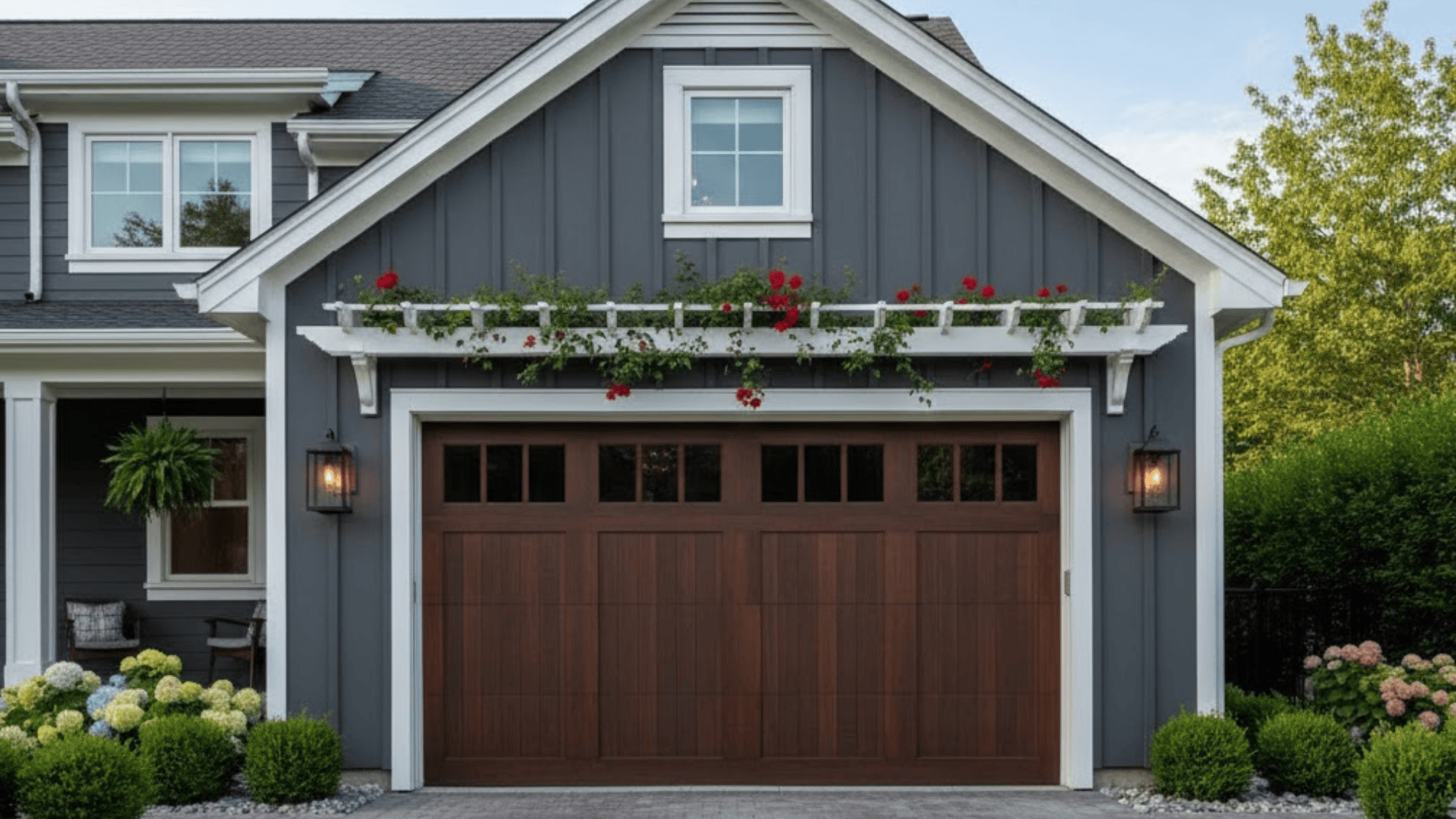
Now we’re talking! Double garage doors offer flexibility. Here’s what’s standard:
16 feet wide x 7 feet high – This is the classic double garage door size. Some people go with 16 x 8 feet if they have taller vehicles or just want that extra clearance.
Here’s where it gets interesting, though. You’ve got two main options:
- One large door – Clean look, modern feel, but if something breaks, your whole garage is out of commission
- Two separate single doors – More traditional, and if one breaks, you can still use the other half
Both work great – it really comes down to personal preference and your home’s style.
How to Measure Your Garage Door Opening
This is where people often mess up. Measuring seems easy, but it gets tricky. I’ll guide you step-by-step because accurate measurements are crucial.
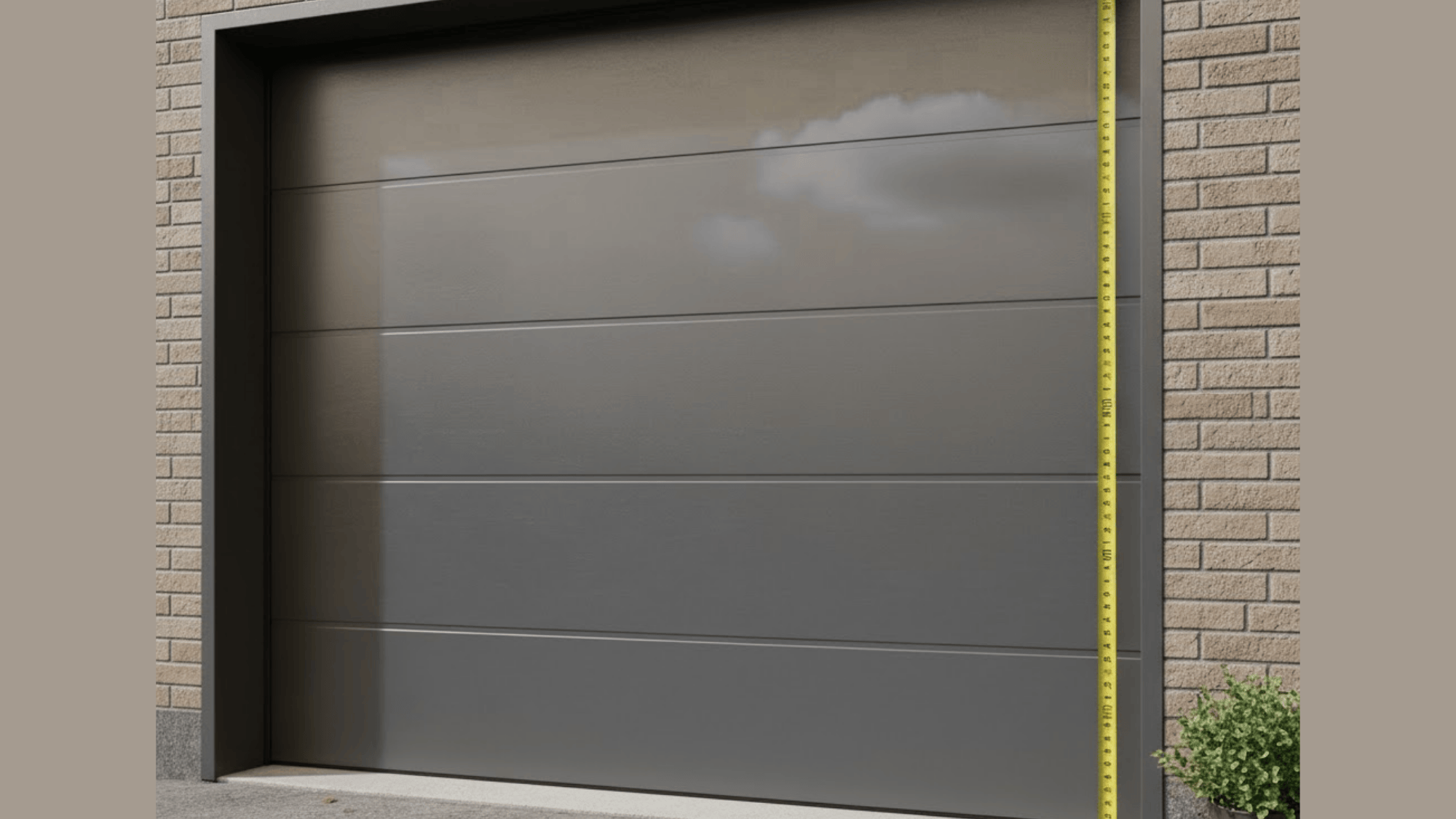
Step 1: Measure the Rough Opening
This is the actual space where your door will go. You’ll need a tape measure and maybe a friend to help hold the other end (or just use what I do – tape the end to the wall and pray it doesn’t fall).
Width: Measure across the widest point of the opening. Here’s a pro tip my contractor friend taught me – add 1 inch to each side of the door frame. So if your opening is 8 feet, you’re actually working with 8 feet 2 inches.
Height: This one’s tricky. Measure the height at three different points – left side, middle, and right side. Use the smallest measurement you get.
Garage floors aren’t always perfectly level (mine definitely isn’t), so this prevents you from buying a door that’s too tall.
Don’t forget about insulation! If you’re planning to insulate your door or garage, factor in that extra thickness. It might not seem like much, but it matters.
Step 2: Measure the Side Room
The side room is the space on either side of your garage door opening where the tracks will be installed. You typically need:
| Type of Track | Space Needed |
|---|---|
| Standard track | 3 ¾ inches minimum |
| Low headroom track | Up to 5 ½ inches |
This matters because without enough side room, your door tracks won’t install properly. And improper installation means a door that doesn’t work smoothly – or worse, doesn’t work at all.
Step 3: Measure the Headroom
Headroom is the space between the top of your door opening and the ceiling. Most garage doors need at least 10 to 12 inches of headroom.
Here’s the kicker: if you’re installing an automatic garage door opener (and let’s be real, who isn’t these days?), add another 3 inches to that requirement. Those opener mechanisms need space to work.
Step 4: Measure the Backroom
Backroom (also called depth) is the distance from the garage door opening to the back of your garage.
The formula is simple: your door height + 18 inches minimum.
So if you have a 7-foot-tall door, you need at least 8.5 feet of depth. Automatic openers might need even more, so check the manufacturer’s requirements.
Choosing the Right Garage Door Size for Your Needs
Alright, now that you know the standard sizes and how to measure, let’s talk about actually picking the right garage door size for your situation.
Consider your vehicles: This seems obvious, but really think about it. Do you have:
- A compact sedan? Standard single door works great.
- An SUV or truck? Go for that 9 or 10-foot garage door width.
- Multiple vehicles? You’ll need a double door.
- An RV or a boat? Time to look at custom oversized options.
Maybe you drive a small car now, but are you planning to upgrade to something bigger? I learned this the hard way when I switched from a sedan to an SUV and suddenly my “perfectly adequate” 8-foot door felt ridiculously tight.
Don’t forget storage and workspace: Your garage isn’t just for cars. Do you have:
- A workbench along one wall?
- Bikes, lawn equipment, or seasonal storage?
- Kids’ sports equipment that seems to multiply overnight?
All of this affects how much space you actually have for your vehicle, which might mean you need a bigger garage door size than you initially thought.
Insulation Factor When Choosing the Right Garage Door Size
| Steel Door Thickness | Insulation Level | Best For | Key Benefits |
|---|---|---|---|
| 1/8 inch | None | Basic garages that don’t need temperature control | Lowest cost, simple construction |
| ½ inch | Light insulation | Mild climates or detached garages | Some energy efficiency, slight noise reduction |
| 1 ½ inches | Fully insulated | Attached garages or homes in extreme hot/cold climates | Strong energy efficiency, improved temperature control, significant noise reduction, and increased durability. |
Common Mistakes People Make (Learn from Others’ Failures!)
I’ve seen these mistakes way too many times:
- Not measuring twice: Seriously, measure everything at least twice. Preferably three times. Installing the wrong-size door is expensive to fix.
- Forgetting about the opener: Those automatic openers need clearance. Don’t forget to account for them in your measurements.
- Ignoring headroom and side room requirements: Just because your opening is the right size doesn’t mean you have room for the tracks and mechanism.
- Choosing based on price alone: The cheapest option isn’t always the best. Think about durability, insulation, and long-term value.
- Not planning for future vehicle changes: That compact car might not be your forever vehicle.
Wrapping It All Up
After learning about all the standard garage door sizes and how to measure your space, I hope you feel much more confident about choosing the right door.
Picking a garage door isn’t just about what looks nice; it’s about making sure your car fits, your opener works, and your garage feels comfortable to use every day.
I’ve seen how much easier life gets when the door actually matches your needs, and I’m glad you took the time to understand the details.
Now you can avoid the common mistakes and make a choice you won’t regret later.
If you’re ready for your next step, go ahead and start measuring or comparing door options today!