Many Americans rely on emotional support animals (ESAs) to gain relief from the debilitating symptoms of mental health disabilities. While they have an integral role, they aren’t the same as service dogs, who are task-trained. ESAs exclusively assist through companionship.
Since ESAs are not required to undergo training, they do not receive the same scope of legal protections. For instance, ESAs do not receive public access rights and must still adhere to pet-related regulations in public places.
This leads ESA owners to wonder whether ESAs have any protections in housing. Common questions include: Are ESAs exempt from no-pet policies? Will size/breed restrictions apply? Can a landlord charge a pet deposit for an emotional support animal?
While you may have concerns, we’re here to help. Read on for the answers.
Understanding an Emotional Support Animal’s Housing Rights
Emotional support animals are protected federally under the Fair Housing Act (FHA). This law was enacted in 1968 to ensure that people with disabilities, including mental health disabilities, do not face discrimination in housing. This applies to both the purchase of properties and renting.
The FHA recognizes emotional support animals and their importance in the lives of those with disabilities.
They have thus introduced ESA-specific protections. Under the FHA, landlords must reasonably accommodate emotional support animals and cannot treat them as pets, even if they have no-pet policies. They also cannot charge pet rent, nor subject valid ESAs to breed, size, weight restrictions, or other pet-specific regulations.
Landlords can only deny an ESA if:
- Valid documentation has not been obtained (more on this later)
- The animal cannot be feasibly accommodated
- The animal would pose a danger, disruption, or undue hardship
Some property types are also exempt, including owner-occupied dwellings with four or fewer units.
Can a Landlord Charge a Pet Deposit for an Emotional Support Animal?
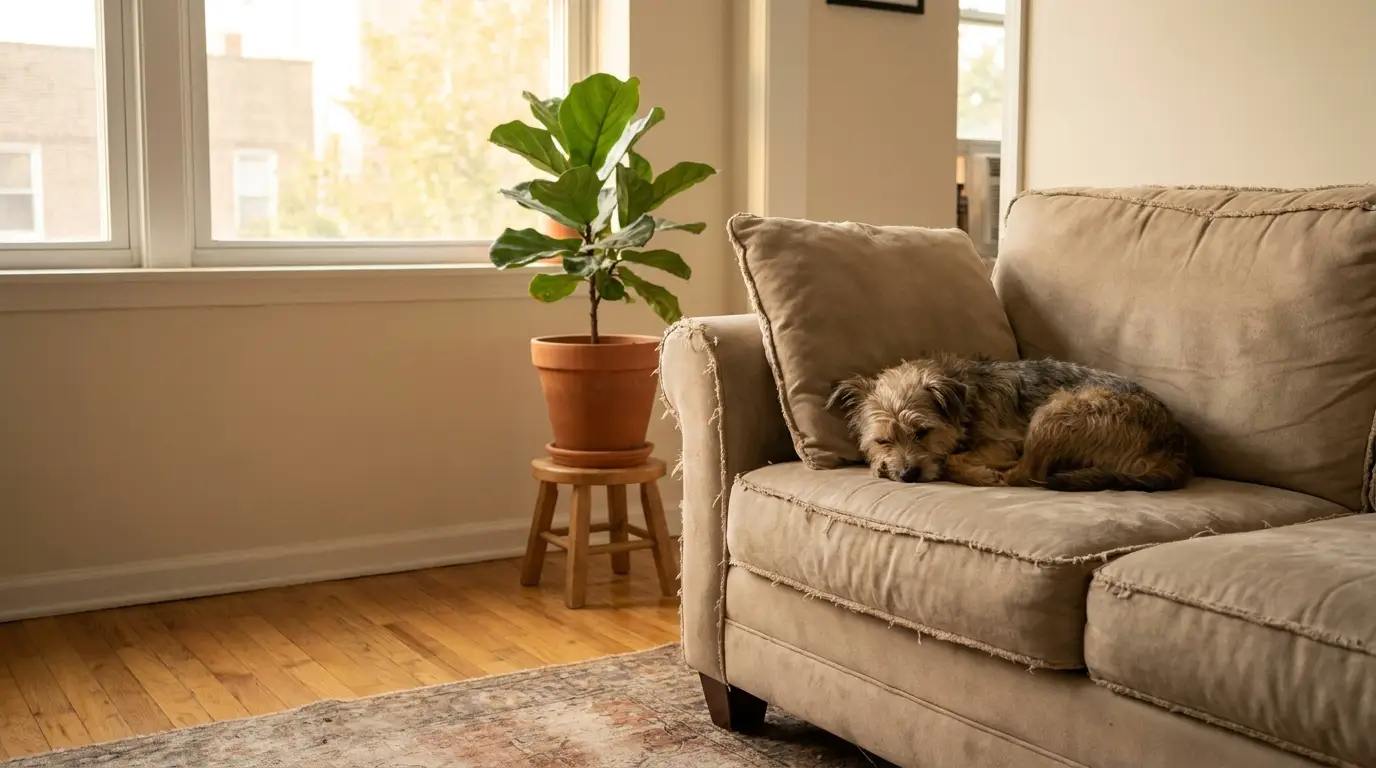
A pet deposit is a refundable security deposit that is held to cover any potential damage a pet causes beyond reasonable wear and tear. Pet deposits are becoming a more frequent inclusion in lease agreements and can stretch into the hundreds of dollars. So, it’s a valid (and common) concern for ESA owners to wonder whether this applies to their ESA.
The answer? No. A landlord cannot charge a pet deposit for an emotional support animal. Remember: ESAs are not treated as pets under the FHA and are therefore exempt from all pet-specific fees, not just pet rent. This exemption also remains the case regardless of the type of animal.
However, this does not mean you won’t be held liable for actual property damage your ESA causes. You must still pay for any damage beyond reasonable wear and tear. Your ESA may also be denied housing if the damage is significant and falls into “undue hardship” territory.
Exceptions to Note
A landlord can only charge a pet deposit if they have a valid, legitimate reason to treat your ESA as a pet instead.
You can’t simply claim your pet is an emotional support animal because they provide you with comfort. This status is legally protected and requires you to obtain a document called an ESA letter.
Getting an ESA Letter for Your FHA Housing Rights
An ESA letter is a document that confirms you have a legally valid need for an ESA and satisfy the requirements. It can only be prescribed by a licensed mental healthcare professional (LMHP) who practices in your state.
To get an ESA letter, you must have a diagnosed mental health disability that affects one or more key areas of your life. You must also find therapeutic relief from an animal’s presence and undergo an ESA letter evaluation appointment with the LMHP.
During the ESA evaluation, your disability-related needs will be carefully assessed. If an ESA is a suitable treatment, the LMHP will make your prescription official and provide you with a valid ESA letter. You can then call your animal an ESA and benefit from the FHA housing protections.
Should I Register My ESA?
Registration is not mandatory and does not replace an ESA letter. However, it can serve as further proof and give you more peace of mind. It also retains your ESA’s key information in one easily accessible place. This ESA registration guide covers more about the benefits it brings.
Considering the Housing and Urban Development (HUD)’s recent changes — they’ll no longer review most ESA discrimination complaints — registration should definitely be worth considering. It can help to prevent disputes with misinformed landlords who naively believe that an ESA must be registered to gain an exemption from pet deposits.
Final Verdict: Can a Landlord Charge a Pet Deposit for an Emotional Support Animal?
No, a landlord cannot charge a pet deposit for an ESA, provided you have a valid ESA letter. They can, however, still hold you liable for any damage your ESA causes to the property. If your pet tears up carpets, scratches doors, or chews up furniture, you will still be expected to cover the repair costs.