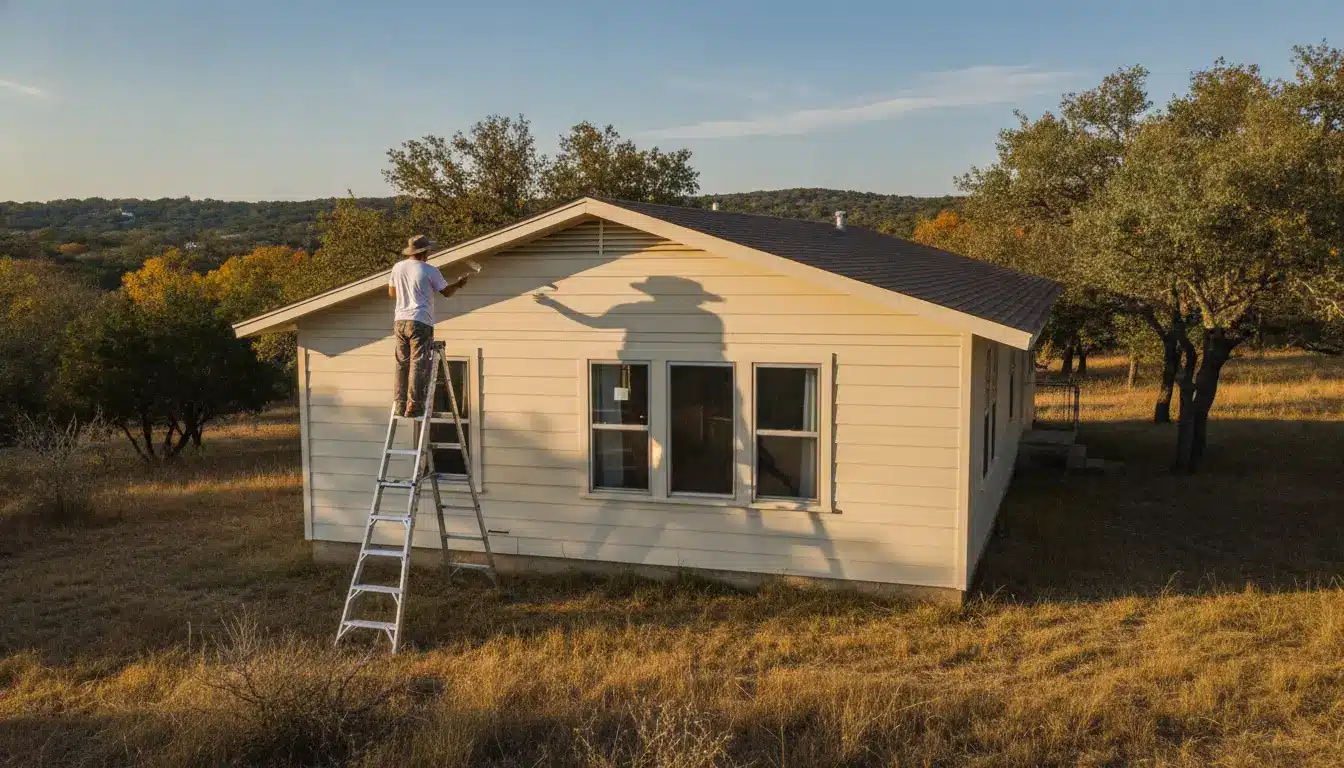
Timing matters a lot more with exterior paint than most homeowners realize. Central Texas weather swings between scorching summers and unpredictable cold snaps, and both extremes can ruin an otherwise solid paint job if the timing is off. Picking the right season isn’t just a scheduling preference, it genuinely affects how long the paint lasts.
If you’re planning a project for the year ahead, it’s worth thinking through the calendar before you think through the color.
It’s an easy detail to overlook when you’re focused on picking the right shade, but the season a project happens in can add or subtract years from how long that paint job actually holds up before it needs attention again.
Why Summer Isn’t Always the Obvious Choice
It seems logical to paint in summer since the weather is dry and warm. But extreme heat actually works against good paint adhesion. When surface temperatures climb too high, paint can dry too fast on the outside while the layer underneath hasn’t properly bonded, which leads to bubbling and premature cracking.
Direct, intense afternoon sun on a wall can also cause uneven drying between shaded and exposed sections of the same surface, creating a patchy finish that’s hard to fix after the fact. This unevenness is often invisible right after the job but becomes noticeable within a year as one section fades or wears differently than the rest.
Spring and Fall Tend to Hit the Sweet Spot
Moderate temperatures, lower humidity swings, and more consistent conditions make spring and fall the seasons most experienced crews prefer for exterior work. Paint has time to cure properly without the surface baking in direct heat, and there’s less risk of sudden temperature drops overnight that can interfere with drying. Most manufacturers list an ideal application range, and these seasons naturally fall within that window far more consistently than peak summer or the depths of winter.
These windows also tend to have fewer surprise storms compared to late summer, which matters since a fresh coat needs a decent stretch of dry weather to cure fully. Even a single unexpected downpour within the first day or two after painting can force a redo on the affected section.
Winter Isn’t Automatically Off the Table
A lot of homeowners assume exterior painting is simply impossible in the colder months, but mild winter days in this part of Texas can actually work, provided temperatures stay within the range specified for the paint being used. The bigger obstacle is usually scheduling around the shorter windows of workable weather rather than the cold itself.
This is less common and requires more careful planning, but it’s worth knowing it’s an option if a specific deadline, like preparing a home for sale, doesn’t line up neatly with spring or fall. A contractor experienced with cold-weather application knows exactly which products and techniques still perform reliably outside the ideal window.
That said, this route requires closer attention to daily forecasts and often means working within a narrower daily time frame, since even a mild winter day can dip below workable temperatures once the sun goes down. It’s generally best treated as a backup option rather than the default plan.
How Humidity Complicates the Picture
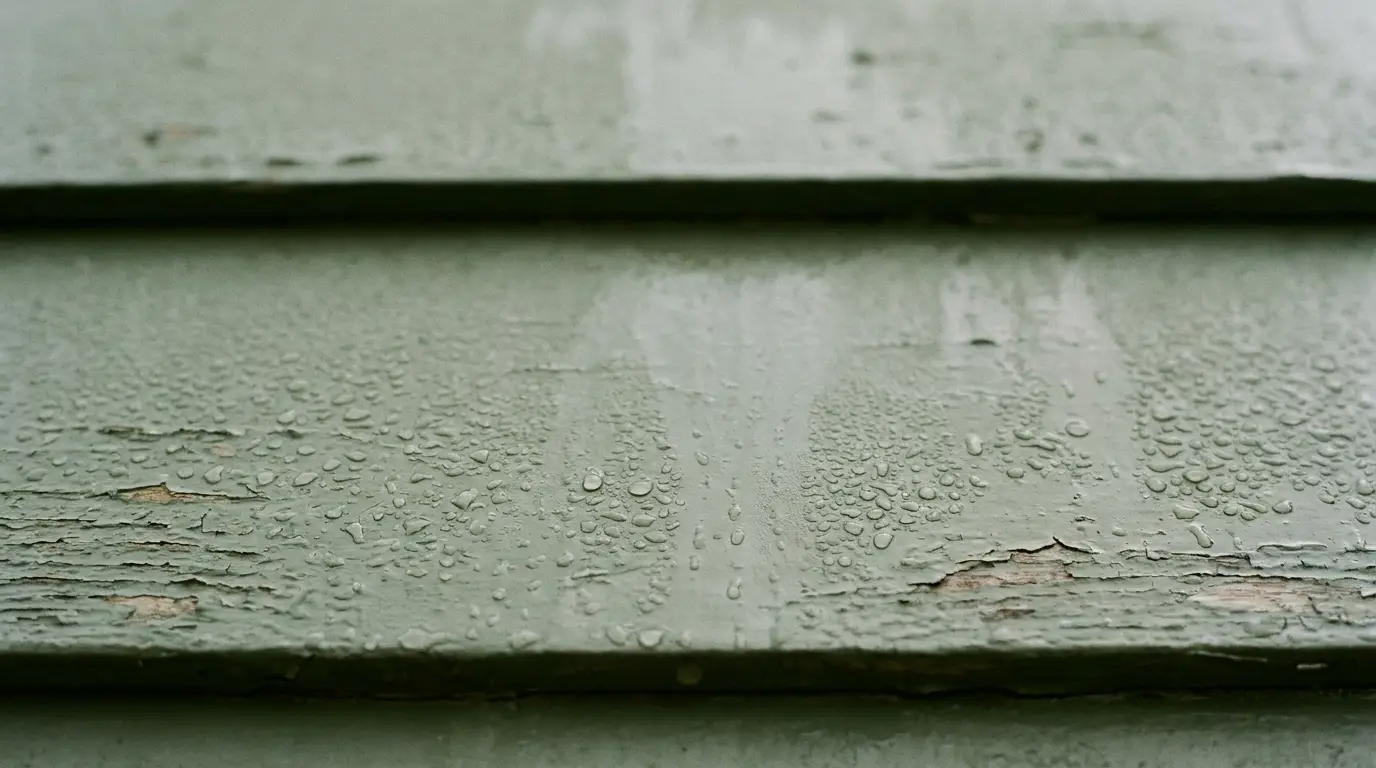
Temperature gets most of the attention, but humidity plays just as big a role in how well exterior paint cures. High humidity slows drying time significantly, which can leave a surface vulnerable to dust, pollen, or even light rain before it’s fully set. This is especially relevant during the muggier stretches of a Central Texas summer, even on days that don’t feel unbearably hot.
Crews who understand this will often push a start time later in the morning to let overnight moisture burn off, rather than starting at first light when dew is still present on exterior surfaces. That small adjustment in timing can meaningfully affect how well the final coat adheres, even though it’s rarely something homeowners think to ask about.
A Good Crew Adjusts Around the Forecast
Even within the right season, timing during the week matters. Experienced teams doing exterior painting waco tx homeowners request each spring will check forecasts closely and reschedule if rain or extreme heat is likely to interfere with curing. That flexibility is a sign of a crew that cares about long-term results rather than just checking a job off the calendar.
If a company seems willing to paint regardless of weather conditions, that’s worth asking follow-up questions about. A little pushback on scheduling is usually a good sign rather than a red flag, since it shows they care more about the final result than sticking rigidly to an original date, even when that means a slightly less convenient start date for everyone involved.
Final Thoughts
Good exterior paint work depends on more than skill and product quality. Timing, temperature, and weather patterns all play a real role in how long a job lasts. Plan around spring or fall when you can, and don’t be afraid to ask a potential contractor how they handle scheduling around Texas weather.
A little patience around the calendar now can add years of life to a paint job you’d otherwise be redoing sooner than necessary, and that patience typically costs nothing beyond a slightly longer wait for the right week to come around, which is a small trade-off for a finish that actually lasts.