
Looking in the mirror affects daily mood far more than most people realize. How someone feels about physical appearance shapes mental state throughout the day. A positive self-image can inspire motivation, and dissatisfaction fuels underlying stress.
The link between aesthetic self-care and emotional stability continues gaining widespread attention. Exploring this connection clarifies why personal care routines extend beyond surface vanity.
The Modern Shift Toward Mind-Body Beauty
Personal care routines are moving away from pure vanity toward total wellness. People view physical self-care as a direct support for emotional stability.
The evolving mindset among consumers globally. The next phase of personal care focuses on mind-body beauty, where physical appearance and mental well-being link together. People are moving away from superficial quick fixes in favor of holistic habits.
Financial investments in mental wellness reflect this broader cultural transition. Market figures show that the mental wellness sector expands by 12.4% each year. Consumers prioritize practices that nurture emotional calm along with outward appearance.
Navigating Aesthetic Choices with Intentionality
Intentional choices regarding personal care lead to healthier emotional outcomes. Setting realistic expectations prevents self-criticism during aesthetic treatments or skincare journeys. Healthy routines focus on self-nourishment rather than seeking unattainable perfection.
Approach cosmetic enhancements as tools for personal empowerment, not societal approval. Look into cosmetic physicians like Dr Scott Allison, who perform enhancements that align with aesthetic goals and genuine self-confidence. When decisions come from self-love, the psychological benefit is maximized. Choosing treatments aligned with personal values builds genuine satisfaction.
Balance comes from recognizing that external care complements internal reflection. Combining thoughtful aesthetic treatments with stress management builds sustainable wellness. Prioritizing well-being creates long-lasting confidence that carries through daily activities.
How Physical Perception Shapes Emotional Health
Self-perception influences mental states and social interactions in profound ways. An analysis showed a direct relationship between how individuals perceive their physical appearance and their mental health. Positive feelings about appearance reduce social anxiety and improve mood.
Confidence tied to appearance affects everyday interactions in measurable ways. A consumer survey found that just over 50% of participants defined beauty as feeling confident. Inner confidence stems directly from feeling comfortable in one’s skin.
When people feel satisfied with their physical image, social engagement feels less intimidating. Expressing yourself freely becomes easier when physical insecurities are quieted. Personal grooming acts as a catalyst for self-assurance in professional and personal settings.
The Psychological Toll of Complex Skin Conditions
Visible skin issues frequently trigger emotional distress and ongoing anxiety for sufferers. A study revealed that 85.2% of participants found their skin conditions bothersome, with 57.4% stating these issues impacted their mental health. Persistent breakouts or inflammation create a continuous cycle of frustration.
Dermatological issues overlap with psychological symptoms in severe ways. Medical research indicates that between 30% and 60% of individuals with skin conditions exhibit psychiatric symptoms. Managing physical symptoms can ease underlying psychological pressure.
Clinical Insights on Aesthetics and Self-Esteem
Clinical observations support the direct link between dermatological care and emotional wellness. Psychological comorbidities appear in over one-third of dermatological patients. Addressing physical concerns lowers psychological strain for many individuals.
Targeted routines correlate with individual self-image and mental balance. Research found low self-esteem in 26% of study participants, linking it to specific skincare habits and cosmetic treatments on visible body areas. Intentional care routines restore personal balance and control.
Patients can address root causes rather than temporary symptoms. Structured cosmetic plans offer patients control over their physical appearance. Regaining control over skin health translates into improved psychological resilience.
Practical Daily Habits for Skin and Mind Balance
Building a sustainable self-care ritual requires balancing physical hygiene with mental relaxation. Simple habits transform daily maintenance into stress-reducing moments that ground the mind. Key habits that support physical and mental harmony include:
- Morning cleansing rituals create quiet moments of mindfulness before daily demands begin
- Evening hydration routines signal to the nervous system that it is time to unwind and rest
- Sun protection shields long-term skin health while reinforcing proactive self-care habits
- Gentle facial massages reduce muscle tension accumulated throughout busy workdays
Consistency in these small actions builds self-respect with each passing week. Taking 10 dedicated minutes each morning creates a structured start to the day. Small rituals offer stability during unpredictable or stressful weeks.
Breaking the Stigma Around Aesthetic Self-Care
Viewing aesthetic care as self-care changes the societal conversation surrounding beauty. Taking pride in appearance is no longer dismissed as pure vanity. Open discussions about skin health and mental wellness break long-standing stigmas.
Prioritizing appearance can be a legitimate form of emotional maintenance. Caring for physical health supports mental health, creating a positive feedback loop. People feel empowered when they take proactive steps toward personal wellness.
Embracing this integrated perspective allows individuals to seek help without shame. Whether consulting dermatologists or adopting mindfulness, caring for oneself is valid. Valuing both physical and mental well-being leads to a more balanced life.
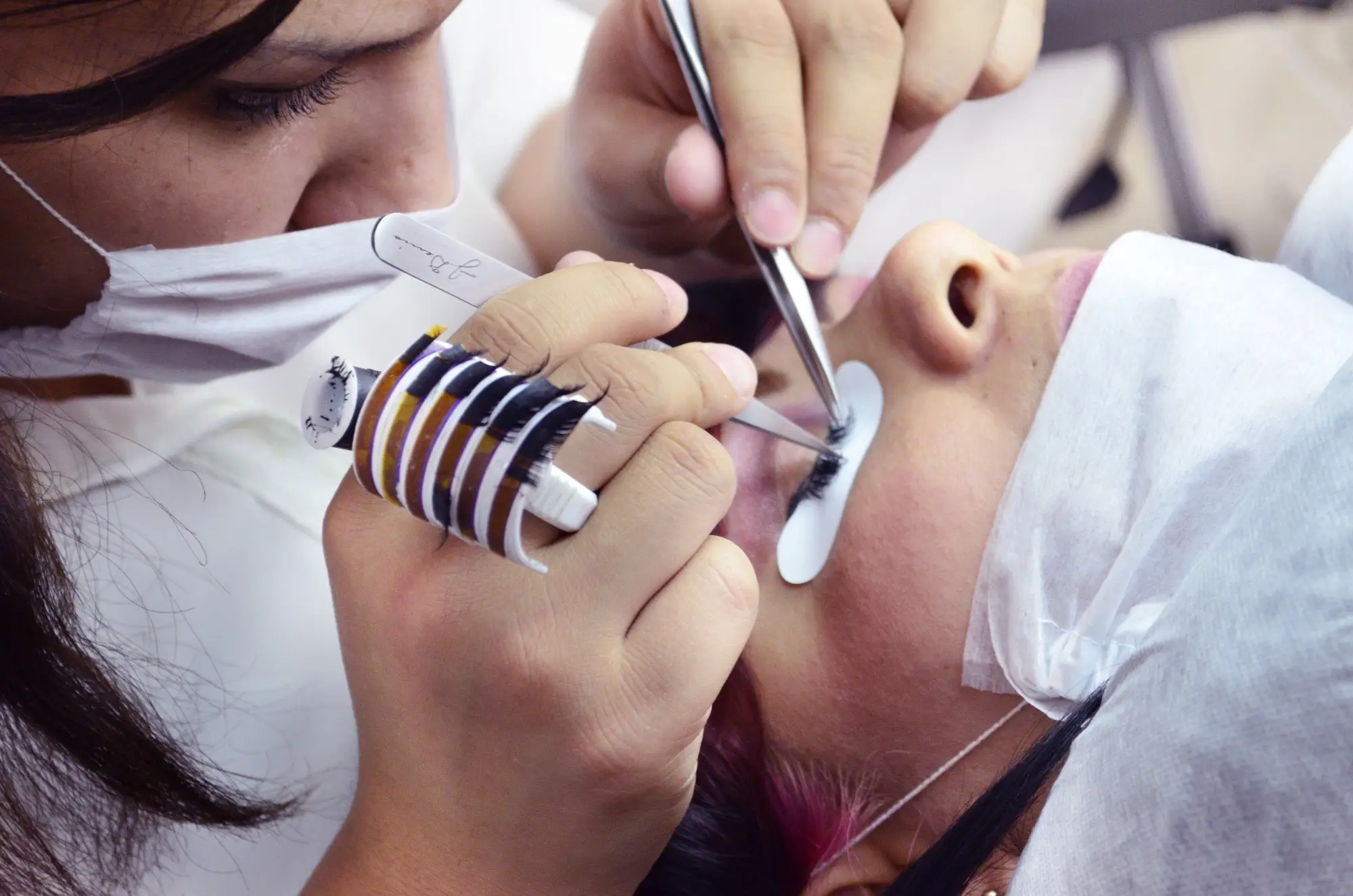
Taking care of physical appearance goes far beyond superficial goals. Understanding the strong tie between aesthetics and mind offers a fresh path to daily balance. Treating body and mind as connected systems unlocks lasting self-assurance. Thoughtful self-care remains a grounding tool for long-term emotional strength.