A bathroom remodel looks simple until you’re living through it with no mirror, no storage, and a shower schedule that feels like a hostage negotiation. If you want a space that looks better, works harder, and adds value to your home, planning matters more than expensive tile. The smartest remodels balance layout, budget, moisture control, and style so you don’t end up paying twice for decisions that should’ve been settled the first time.
Choose a Layout That Improves Function First
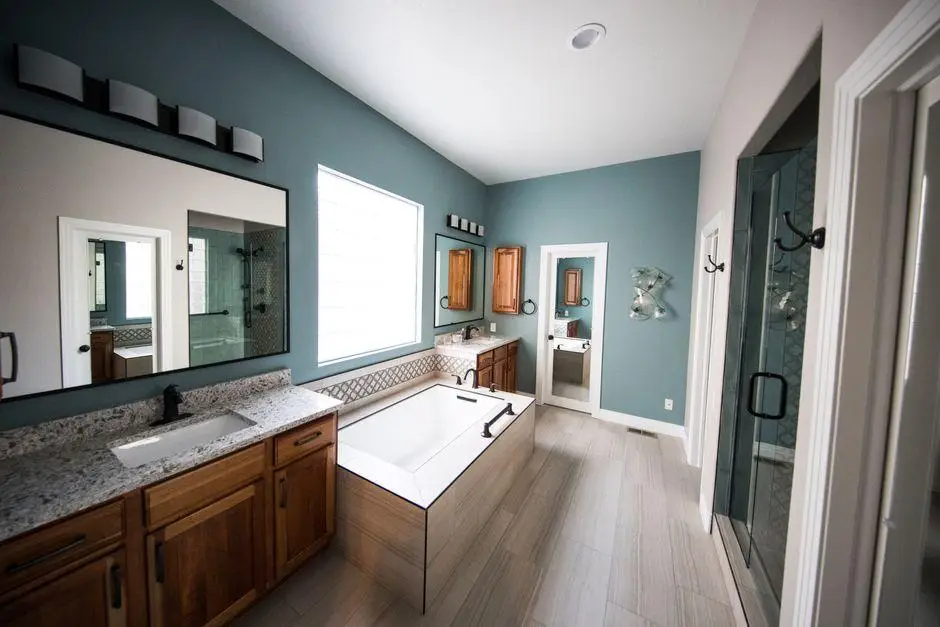
A bathroom layout can make even a beautiful remodel feel awkward if the spacing is off. You want enough room to open vanity drawers, step out of the shower comfortably, and move around without bumping into corners or doors. If your current layout works, keeping plumbing in place can also control costs.
Still, some changes are worth it. Swapping a bulky tub for a walk-in shower can open the room and improve accessibility. A double vanity may help in a primary bath, while a single larger vanity often makes more sense in a secondary one.
If you’re unsure what changes make practical and financial sense, working with a professional bath remodeler can help you weigh layout improvements against construction costs. That kind of guidance often keeps a remodel from becoming an expensive lesson in hindsight.
Start With How You Actually Use the Bathroom
Before you pick finishes, look at your daily routine. A bathroom used by one person before school or work needs something different from a shared family bath that sees chaos by 7 a.m. Think about traffic flow, storage, lighting, and how much counter space you genuinely use.
Make a simple list of pain points:
- Not enough drawers for grooming tools
- Poor lighting around the mirror
- A shower that feels cramped
- Flooring that gets slippery fast
- No easy place for towels or laundry
This stage sounds basic, but it saves you from designing for a photo instead of real life. A floating vanity may look clean and modern, but if you need every inch of storage, it may not be your best move. Good remodeling starts with habits, not hardware.
Set a Budget That Includes the Unfun Stuff
Most bathroom budgets get eaten alive by things you don’t see in the final reveal. Plumbing updates, waterproofing, subfloor repair, ventilation fixes, and labor can take a big bite out of the total before the new tile even arrives. Glamorous? Not exactly. Necessary? Absolutely.
Break your budget into categories:
- Demolition and disposal
- Plumbing and electrical work
- Waterproofing and installation materials
- Fixtures, tile, vanity, and lighting
- Paint, trim, and final details
- A contingency fund of 10 to 20 percent
That last item matters more than people expect. Older homes often hide leaks, mold, or outdated wiring behind the walls. If you skip the contingency fund, one surprise can throw the whole project off balance. Budgeting well means giving yourself options instead of panic.
Pick Materials That Can Handle Real Moisture
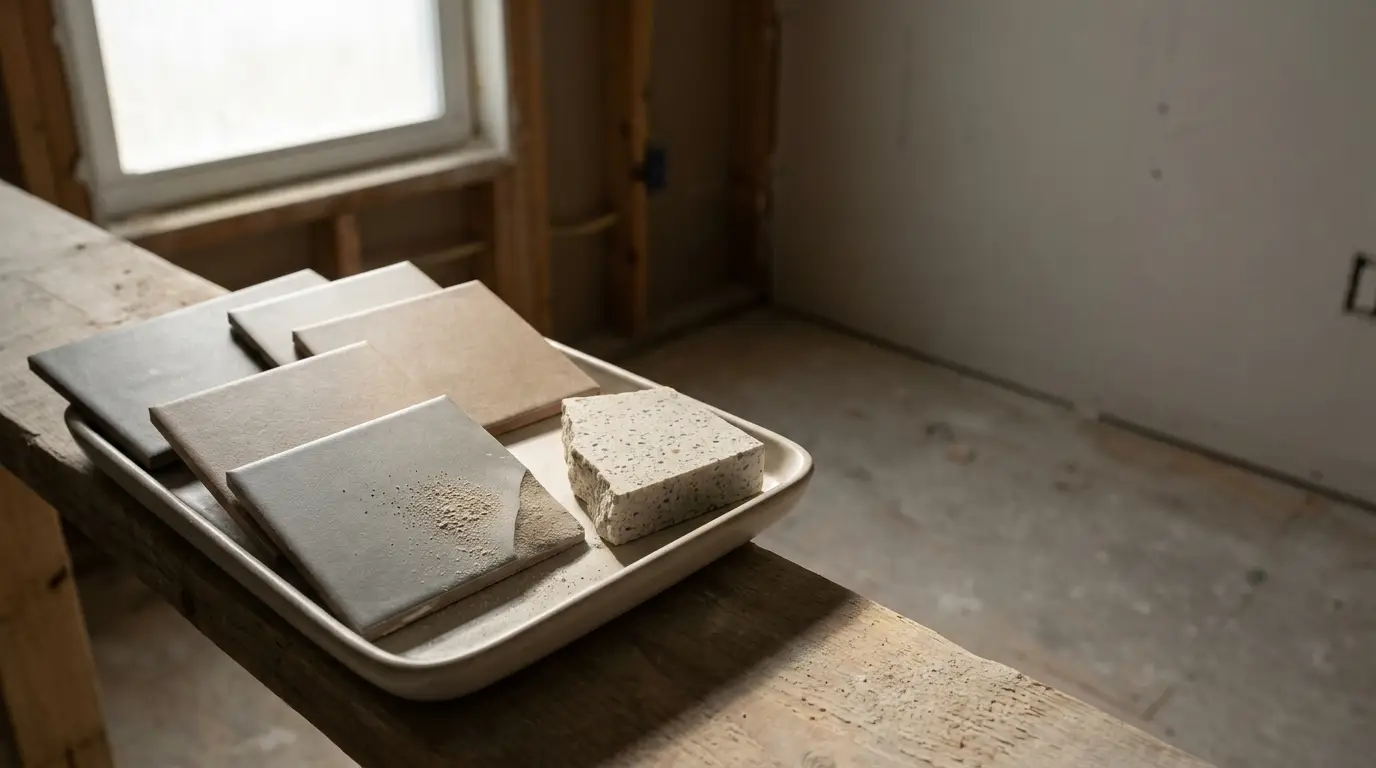
Bathrooms are tiny weather systems. Steam, splashes, heat, and humidity put every surface to work, so materials need to do more than look good under flattering lighting. The best choices hold up to moisture, clean easily, and won’t age badly after a few months of daily use.
Good options often include:
- Porcelain tile for floors and shower walls
- Quartz countertops for low-maintenance durability
- Semi-gloss or moisture-resistant paint
- Solid wood or quality plywood vanities over cheap particleboard
- Grout and sealants designed for wet areas
This is where bargain hunting can backfire. A low-cost vanity that swells after repeated humidity exposure isn’t saving you money. It’s setting a timer. If you want a bathroom that lasts, treat moisture resistance as a requirement, not a bonus feature.
Build Storage Into the Plan From Day One
Storage tends to get ignored until the styling phase, when people realize they still have nowhere to put toothpaste, backup toilet paper, or the hair dryer with the suspiciously tangled cord. A clean bathroom almost always comes down to hidden, useful storage.
Look for opportunities like:
- Vanity drawers instead of deep cabinets
- Recessed medicine cabinets
- Shower niches for soaps and shampoo
- Tall linen cabinets in larger bathrooms
- Open shelving used sparingly for towels or décor
The trick is matching storage to what you own. If you keep a lot of products on hand, a minimalist vanity may leave you frustrated within a week. If the bathroom is small, built-in solutions usually work better than freestanding furniture. Smart storage keeps the room functional without making it feel crowded.
Ventilation and Waterproofing Deserve More Respect
These are not the flashy parts of a remodel, but they are the parts that protect your investment. Poor ventilation encourages peeling paint, warped cabinetry, and mold growth. Weak waterproofing can lead to leaks that spread slowly and expensively.
A quality exhaust fan should be sized for the room and vented properly to the exterior, not just into an attic where moisture can linger and cause bigger trouble. Waterproofing behind tile, around shower pans, and near seams should be done carefully, not rushed.
Ask direct questions during planning:
- How will the shower be waterproofed?
- Is the fan powerful enough for the room size?
- Will moisture-prone areas get the right materials?
- What happens if damage is found behind the walls?
Bathrooms fail quietly at first. Then they get loud in your wallet.
Think About Resale Without Designing for Strangers
A remodel should fit your life, but resale still matters. The strongest bathrooms usually blend personal comfort with broad appeal. That means classic finishes, good lighting, durable materials, and a layout that feels intuitive to almost anyone using the space.
You don’t need to make every choice bland. You can bring personality through mirrors, hardware, wall color, or tile accents while keeping the permanent elements timeless. Neutral doesn’t have to mean boring; it can simply mean flexible.
If you’re planning to stay for years, lean into the features that improve your routine now. If a move may happen sooner, prioritize updates buyers notice quickly, such as clean tile work, modern fixtures, a fresh vanity, and a shower that feels current. The sweet spot is a bathroom that works beautifully for you and still looks like money well spent.