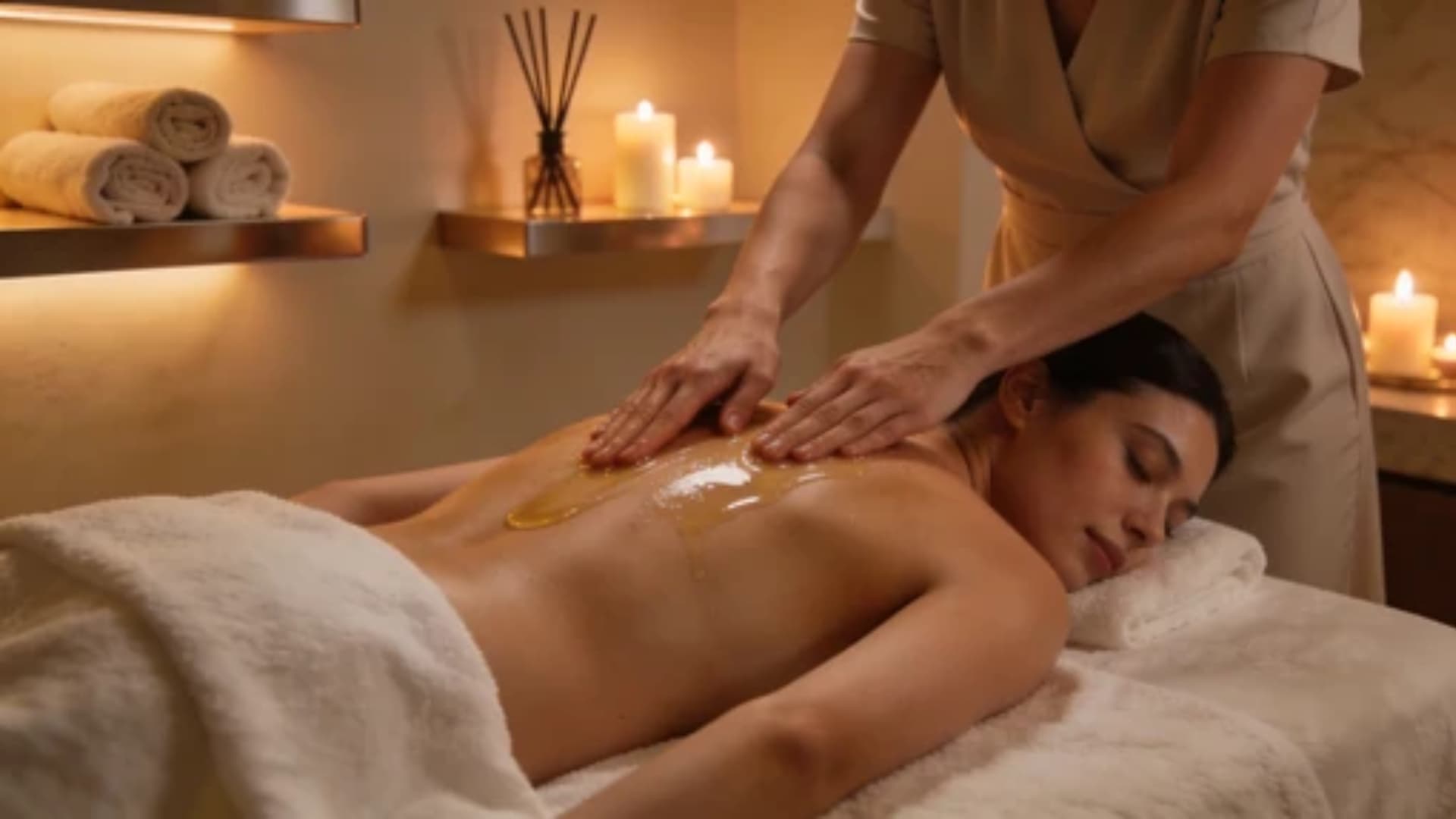
If you’ve ever felt like your back deserves the same level of care as your face. A back facial can be a game-changer, especially when regular skincare routines just aren’t cutting it.
From treating breakouts and rough patches to providing deep hydration, this treatment targets everything your back has been missing.
I’ll guide you through the step-by-step process of a back facial, the benefits you can expect, and how to decide if it’s the right treatment for you.
If you’re dealing with acne or dry skin, keep reading to find out how this treatment can give you smooth, healthy, and refreshed skin.
Understanding a Back Facial
A back facial is a professional treatment that deeply cleanses, exfoliates, and hydrates the skin on your back.
Performed by a licensed esthetician, it combines steam, scrubs, extractions, masks, and serums to address concerns that regular showering simply cannot resolve.
Unlike standard body treatments that only work on the surface, a back facial is tailored to each individual’s skin needs. It targets the buildup that regular routines often miss that quietly accumulates over time.
Whether the concern is persistent breakouts, rough texture, or deep dryness, each session is designed to address the specific condition at hand, delivering a level of care that no at-home routine can realistically replicate on its own.
A typical session runs about 60 minutes. It begins with a skin consultation where your esthetician reviews your concerns and assesses your skin before touching anything. This step matters more than people expect.
Someone with active inflammatory acne needs a different approach than someone coming in for texture improvement or pre-event hydration, and a good esthetician will adjust the products and pressure accordingly.
Key Benefits of a Back Facial
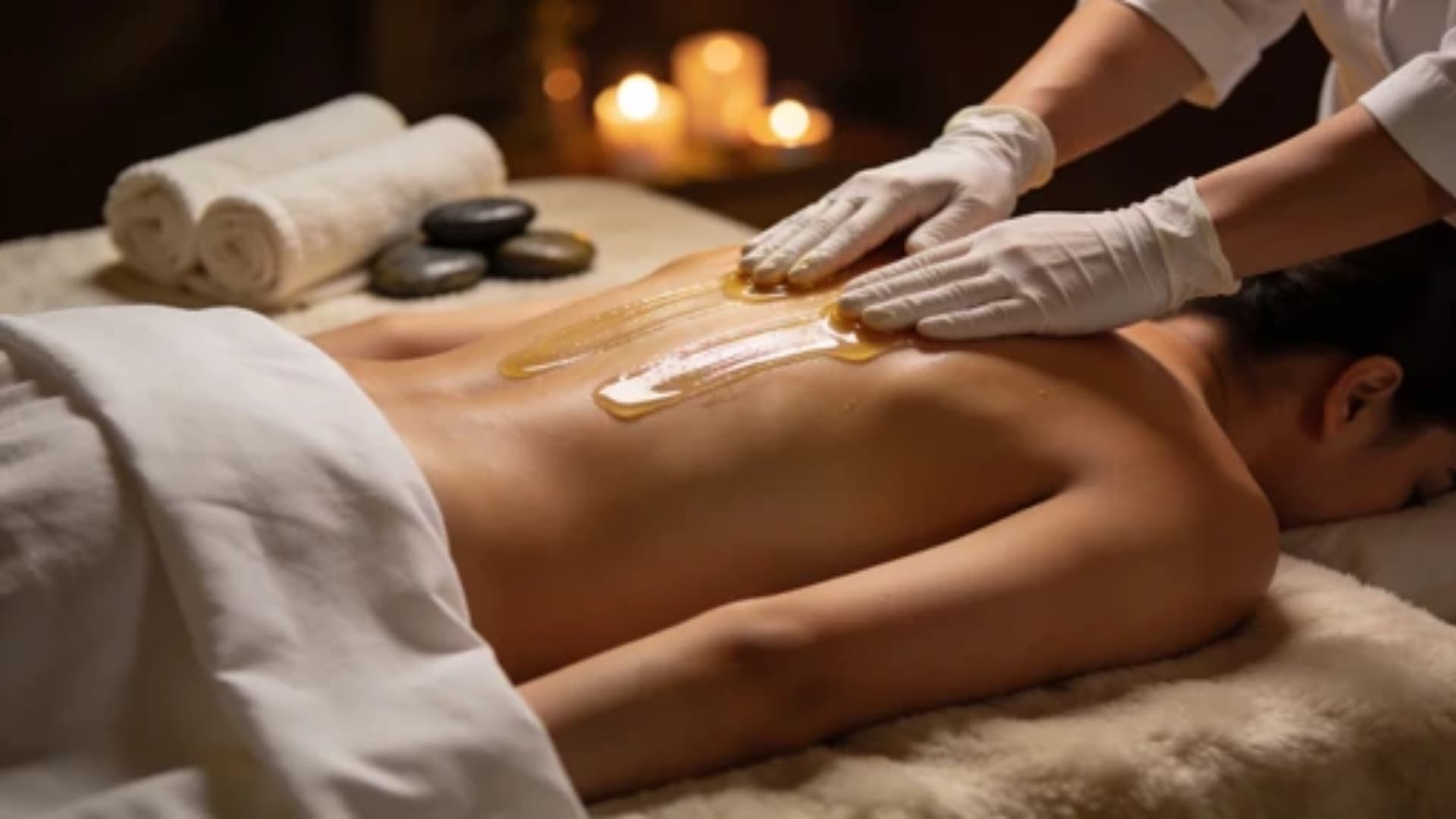
Here’s what actually changes with regular back facial treatments.
1. Improved Skin Texture
Rough, patchy skin on the back doesn’t improve on its own. A back facial uses professional exfoliation tools like scrubs, enzyme treatments, or chemical exfoliants to remove dead skin buildup left behind by regular body washes.
Over time, the skin becomes softer, smoother, and more even. Each session builds on the last, showing a noticeable difference in how your back looks and feels.
2. Acne Treatment for the Back
Back acne forms when oil, sweat, and dead skin cells clog hair follicles, allowing bacteria to grow. A back facial clears this out with deep cleansing, exfoliation, and manual extractions that remove blockages at the source.
The esthetician may also use salicylic acid or antibacterial products to calm redness and stop future breakouts. It works far better than any body wash you can buy at a drugstore.
Important note on active breakouts: If your back acne is in a severe inflammatory phase with deep cystic nodules, communicate this clearly at your consultation.
Some estheticians will modify the treatment to avoid aggressive extractions on actively inflamed cysts, which can worsen irritation rather than help. A gentle, hydrating-focused session may be recommended first to calm the skin before deeper extraction work is introduced
3. Deep Hydration for Dry Skin
The back is hard to reach, meaning it rarely gets properly moisturized at home. Back facials use masks, serums, and moisturizers suited to your skin type to restore hydration where it’s needed most.
These products go deeper than regular body lotion, leaving the skin feeling soft, smooth, and properly cared for, rather than just coated on the surface.
4. Relaxation and Stress Relief
A back facial does more than help your skin. Every session ends with a back massage that loosens tight muscles, improves blood flow, and helps your body relax completely.
The back holds a lot of daily tension, especially for people who sit for long periods or stay physically active. The steam, product application, and massage together make this one of the most relaxing treatments I’ve booked.
5. Fading Post-Breakout Marks
One benefit that doesn’t get enough attention: consistent back facials help fade the dark spots and post-inflammatory hyperpigmentation left behind by old breakouts.
Vitamin C serums, regular exfoliation, and targeted brightening masks work cumulatively across sessions to even skin tone. This is particularly relevant for anyone dealing with scarring from years of bacne rather than just current breakouts.
6. Confidence in Back-Revealing Clothes
This is the practical outcome most people are really after. Whether it’s a backless dress, a swimsuit, or a formal gown, having treated, healthy back skin changes how you feel in those moments.
It’s not a superficial reason to book a treatment. It’s a completely legitimate one
Step-by-Step Guide to a Back Facial
Every spa has its own protocol, and products will vary. The steps below reflect the specific treatment I experienced, with notes on what each product is actually doing for the skin.
Step 1: Back Cleanse
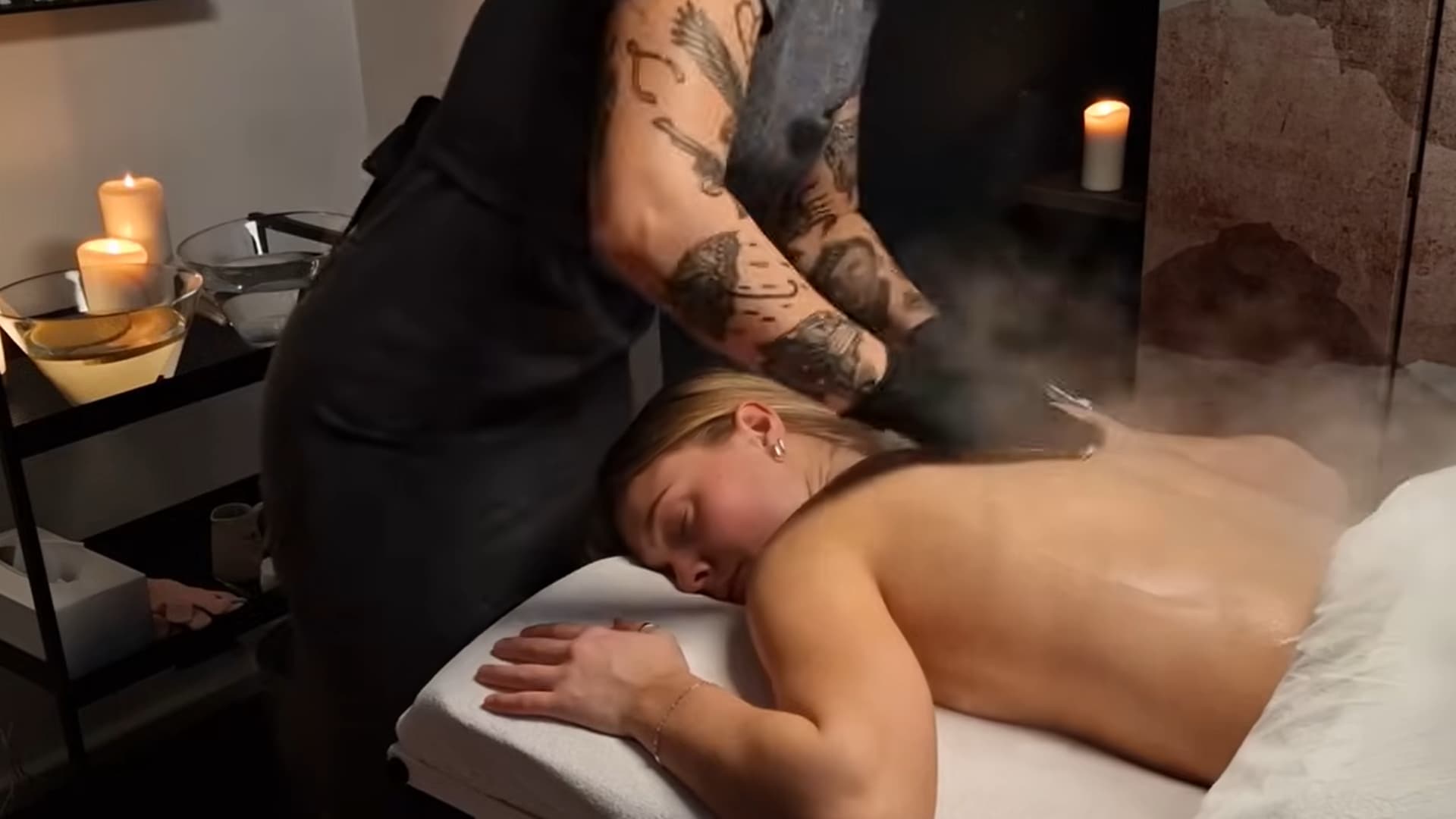
Start by cleansing the back using a gentle product. The steamer is on to open the pores, allowing a deeper cleanse. This removes dirt and oils from the skin and helps prevent breakouts, especially on areas like the back that often get overlooked.
Regular cleansing can help improve skin texture and keep the back clear and smooth.
What’s happening here: Steam does the foundational work. Warm moisture softens hardened sebum plugs inside pores, making them significantly easier to clear in later steps. Without this prep, extractions are both more uncomfortable and less effective.
Step 2: Exfoliating Enzyme Cleanser
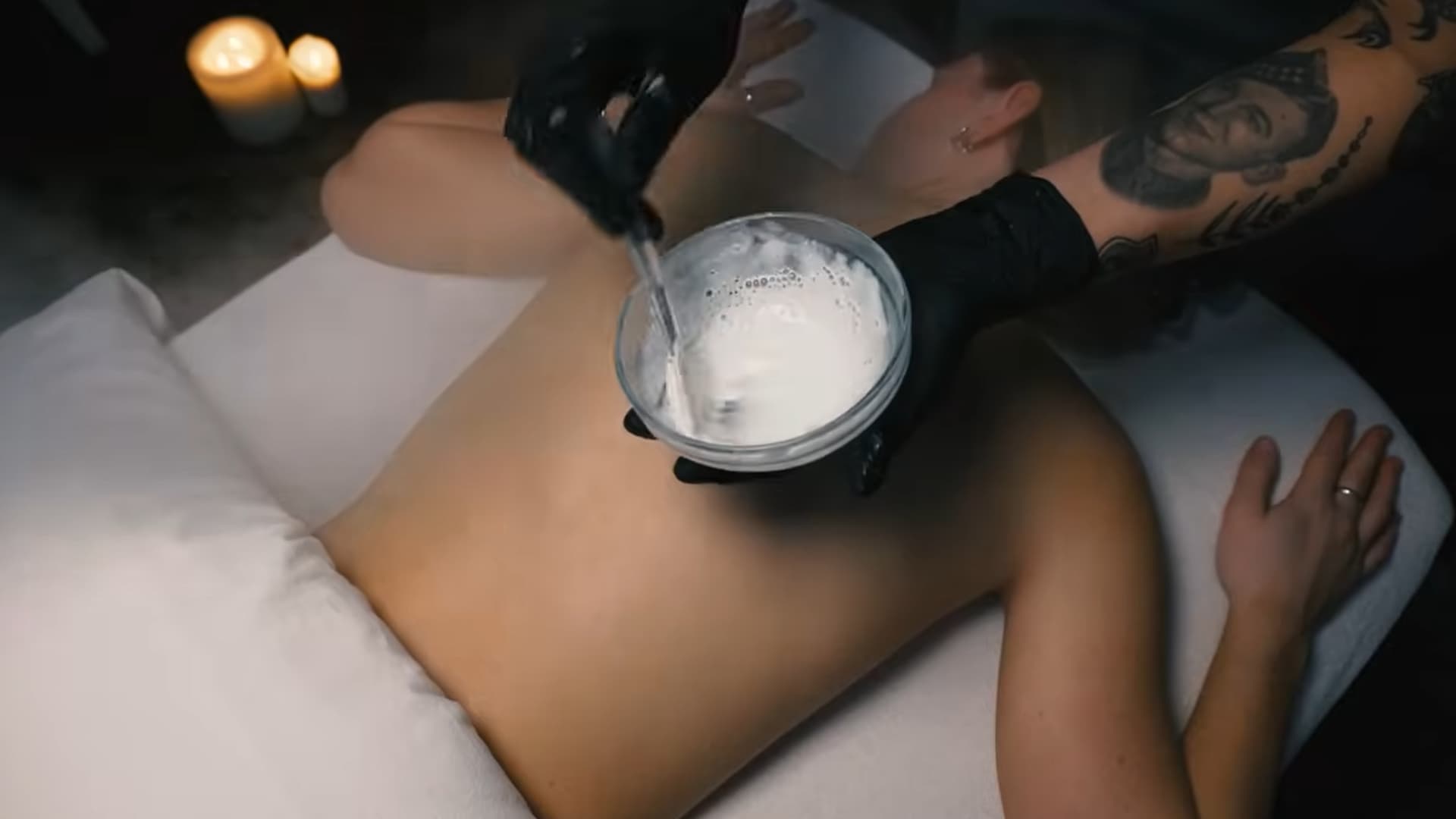
Mix an exfoliating enzyme cleanser with water to form a paste. Apply this paste to the back using a brush. The enzyme cleanser works to remove dirt, excess sebum, and dead skin cells.
It has a gentle exfoliating effect, making the skin feel revitalized and brighter. It’s perfect for all skin types and promotes a smoother complexion.
Enzyme vs. acid exfoliation: Enzyme cleansers use fruit-derived enzymes (often from papaya or pineapple) to dissolve dead skin cells without physical scrubbing. They’re gentler than AHA or BHA chemical exfoliants, which is why they’re used at this stage rather than later. For clients with more resilient skin or stubborn texture, estheticians may substitute a salicylic acid solution here instead.
Step 3: Back Mask
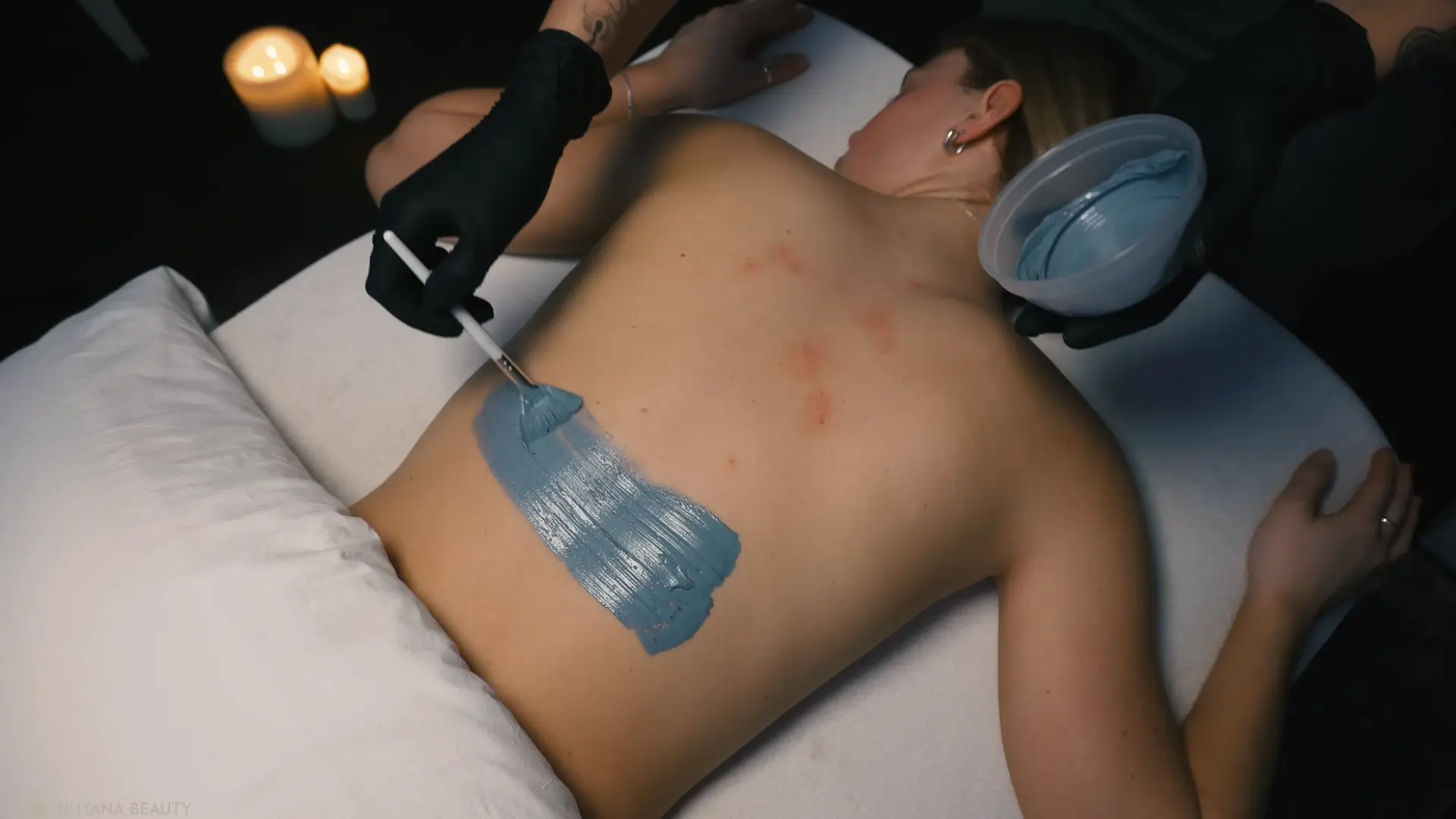
After exfoliating, apply a blemish-clearing mask. This mask contains bamboo charcoal, which absorbs excess sebum and impurities. Salicylic acid fights acne-causing bacteria, while blue spirulina soothes the skin.
The mask also includes lime and rosemary oils for a refreshing, tingling feeling. Leave it on for 15 minutes, during which you can enjoy a relaxing arm massage.
The 15-minute mask window is well used. Most spas offer a complementary arm or scalp massage during this stage, it’s worth accepting rather than lying still. The relaxation compounds, and by the time the mask is removed, the tension in the upper body has usually dropped noticeably.
Step 4: Mask Removal

Once the mask has activated, remove it using hot towels. Gently press the towels to loosen the mask from the back and shoulders.
Keep rinsing the towels with fresh hot water to ensure the mask is fully removed. This step ensures the skin is clean and free from the mask’s residue, preparing it for the next treatment.
Step 5: Vitamin C Serum
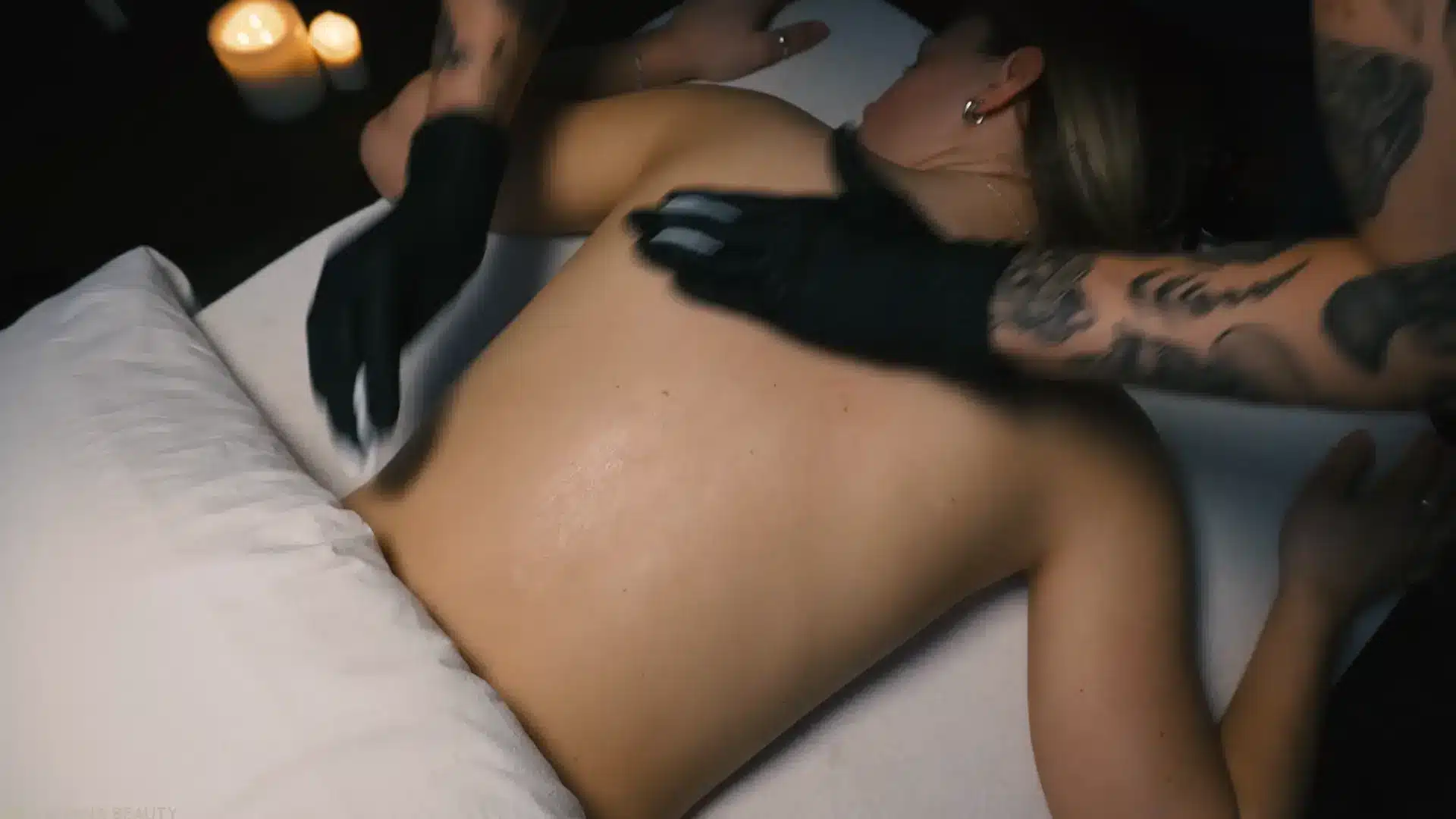
Apply a Vitamin C serum to the back, focusing on areas with dark spots or pigmentation. Vitamin C is known for its brightening effects and helps fade marks left by previous breakouts. It’s essential for boosting the skin’s overall health and improving its appearance, leaving the skin looking refreshed and glowing.
Why Vitamin C at this stage: The skin is fully prepped at this point, clean, exfoliated, and pores are temporarily clear. Applying an active serum like Vitamin C immediately after exfoliation and mask removal means better absorption than it would get through intact, congested skin. This is one reason professional application delivers results that home routines often don’t
Step 6: Redu Boost
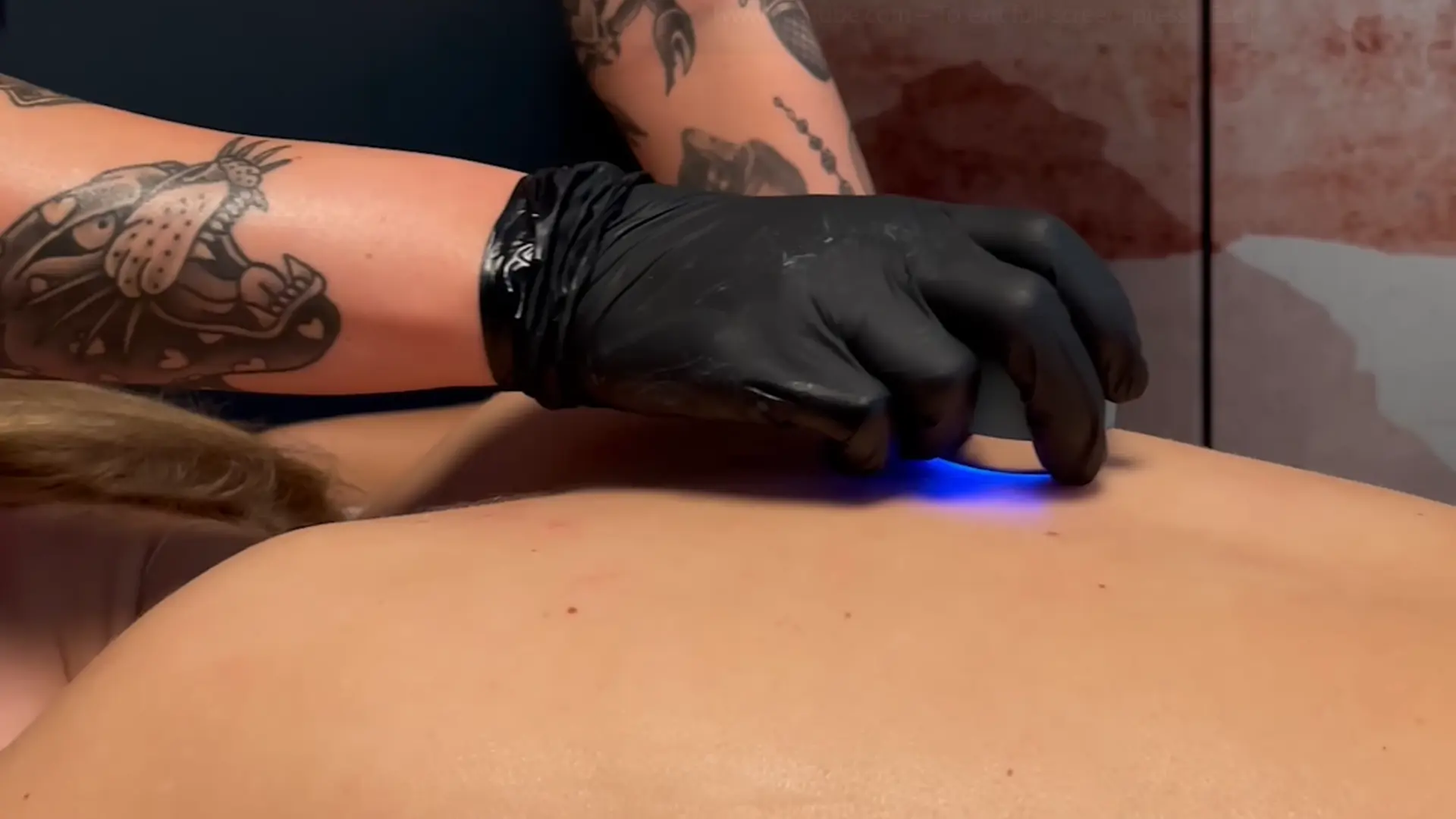
Next, use the Redu Boost, an LED light therapy tool designed to enhance the effects of your skincare products. The blue setting targets acne, helping to reduce inflammation and clear up the skin.
This tool amplifies the effectiveness of serums and creams, making them work deeper and more efficiently to tackle skin concerns.
How LED works: Blue light (around 415nm wavelength) has clinically demonstrated antibacterial effects on Cutibacterium acnes, the bacteria primarily responsible for inflammatory acne.
Red light settings, when used, support collagen production and skin repair. Not all spas include LED at this price point, if acne is your primary concern, it’s worth asking whether a clinic includes light therapy before booking
Step 7: Face Theory Rosehip Oil
Massage the back using a combination of rosehip seed oil and peppermint essential oil. The rosehip oil hydrates and softens the skin, while peppermint oil provides a cooling effect and helps with inflammation.
Peppermint’s antibacterial properties help prevent future breakouts, leaving the skin calm and clear.
Step 8: Blemish Prevention Serum
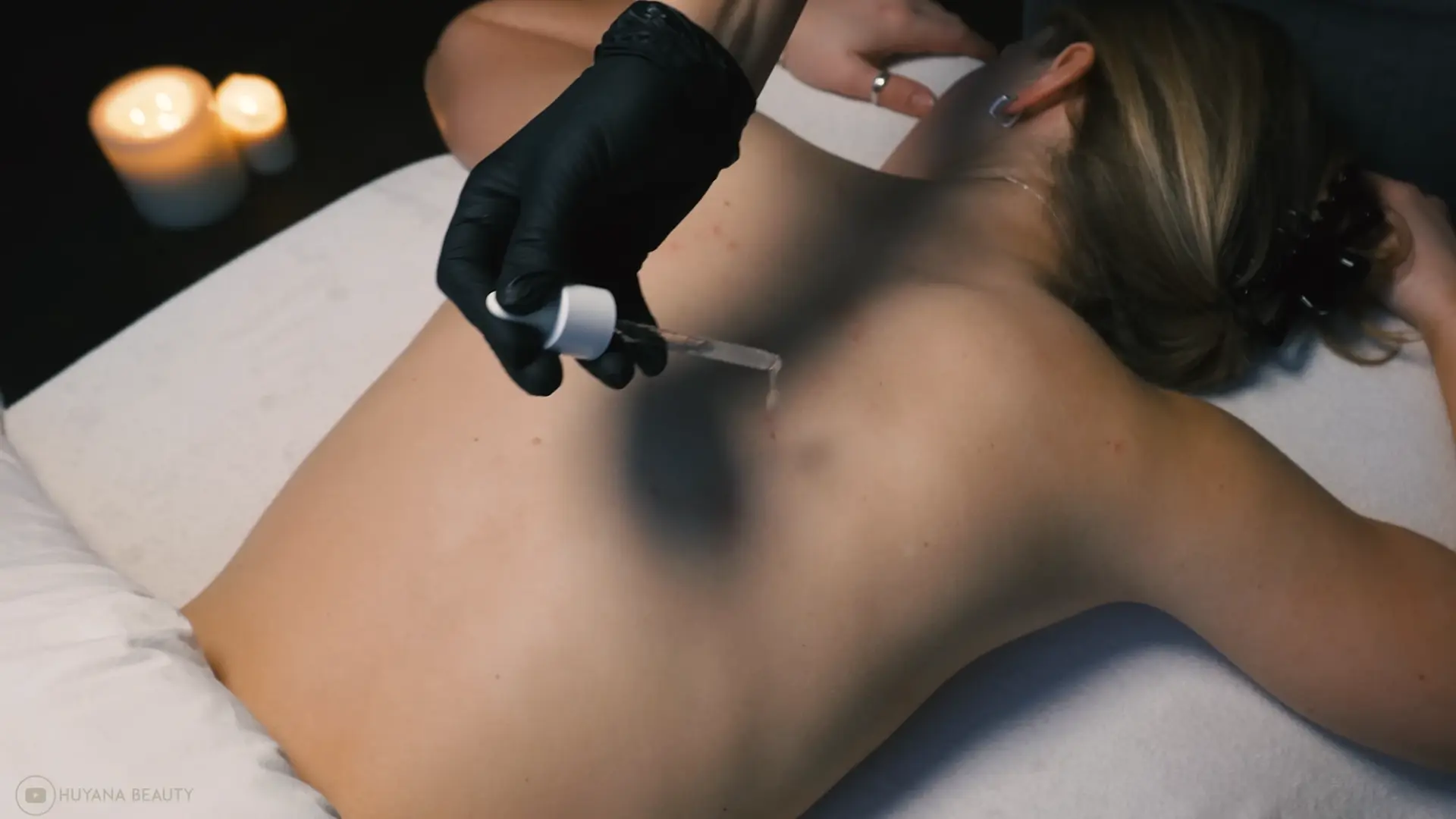
Finish the back facial with Blemish Prevention Serum. Apply it to any problem areas to fight acne and prevent future breakouts. This final step helps to lock in moisture and soothe the skin, ensuring that your back looks healthy and clear. A final spritz of morning mist adds a refreshing touch.
Walking out after this step felt different from walking in. The skin looked refreshed, my back felt loose and relaxed, and the overall experience left a strong impression that this kind of care had genuinely been worth the time.
Watch the full back facial treatment in action in the video below to see how each step upgrades your skin!
Typical Costing of a Back Facial
The cost of a back facial varies depending on where you go and who is performing the treatment. Here is a clear breakdown of what to expect at different types of providers before making a booking.
|
Provider Type |
Price Range |
What Influences the Cost |
|
Standard Professional Spa |
$100 to $150 |
Basic to mid-range products, certified esthetician |
|
High-End Spa in Larger Cities |
$175 to $250 |
Premium products, advanced techniques, experienced esthetician |
|
Independent Esthetician |
Below $100 to $120 |
Lower overhead costs, flexible pricing |
|
Smaller Studios |
$90 to $130 |
Budget-friendly rates without compromising on results |
Regardless of the price point, the quality of the treatment largely comes down to the esthetician’s skill and the products used during the session.
Starting with a standard professional spa is a practical first step, and from there it becomes easier to decide whether upgrading to a higher-end provider is worth it for your specific skin concerns.
What to Expect at a Back Facial?
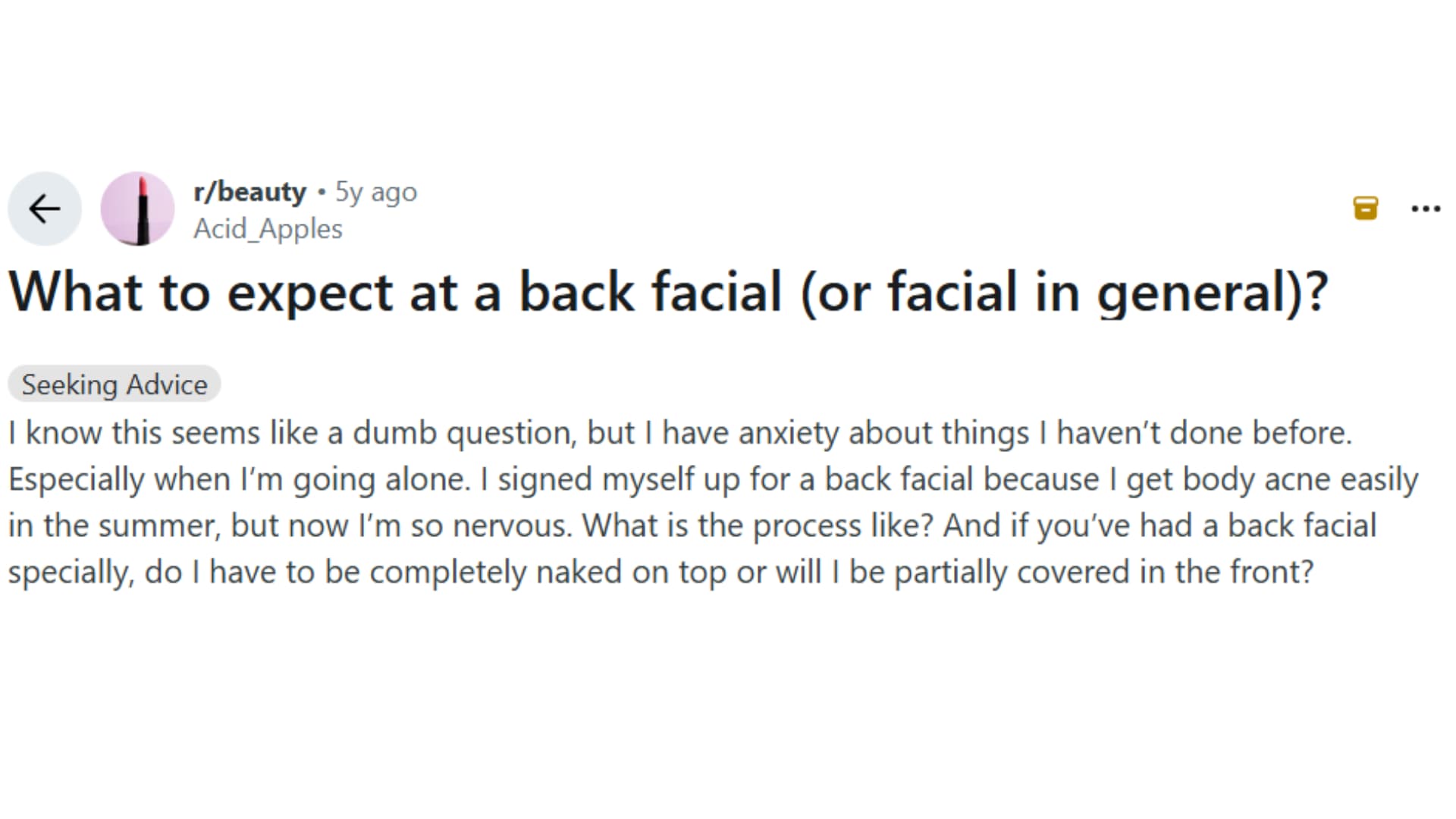
u/Acid_Apples shared their experience, expressing anxiety about their first back facial. If you’re feeling the same, it’s normal! A back facial is similar to a traditional facial, but it focuses on the back.
You’ll likely be asked to lie face down on a table, wearing a hospital-type gown that opens in the back for comfort. The process includes cleansing, exfoliation, extractions (if necessary), and a hydrating mask to nourish your skin.
Regular treatments can help with bacne, and following a home skincare routine can maintain the results. For those worried about scarring, a consistent skincare regimen after the facial will keep your back skin looking smooth.
Who Should Avoid or Delay a Back Facial
Back facials are safe for most people, but there are situations where you should wait or consult a dermatologist first.
- Currently using Accutane (isotretinoin): This medication makes skin extremely fragile and sensitive to physical manipulation. Most estheticians will decline to treat clients on Accutane. Wait at least six months after completing the course before booking.
- Using prescription retinoids on the back: Retinoid-treated skin is more vulnerable to irritation from exfoliation and extractions. Pause topical retinoid use for at least five to seven days before a session and inform your esthetician.
- Active sunburn on the back: Treating sunburned skin is contraindicated. Wait until the burn has fully healed and the skin is no longer sensitive to touch.
- Open wounds, cuts, or active skin infections: Any broken skin or active infection in the treatment area needs to be fully resolved before booking.
- Known allergy to any ingredients in standard back facial products: Disclose all known allergies at your consultation. Reputable spas can work around most common allergens with alternative products, but they need to know in advance.
If you’re unsure whether your current skin situation is compatible with the treatment, a quick call to the spa before booking is always worth it. A good esthetician would rather have that conversation in advance than discover a contraindication mid-session.
Potential Side Effects
These are normal responses to professional skin treatment, not signs that something went wrong.
- Mild redness across the treated area, usually settling within a few hours
- Slight sensitivity or tenderness, especially where extractions were performed
- Minor surface-level irritation for those with sensitive skin or first-time clients
- Small temporary swelling in areas where congestion was heavier
Redness lasting beyond 24 to 48 hours, increasing pain, or any signs of infection (warmth, swelling that worsens, discharge) are not normal and warrant contact with either the spa or a medical professional. These outcomes are rare with professional treatment but worth knowing about.
Aftercare: What to Do in the 48 Hours After Your Session
This section is consistently underserved in most back facial content, and it matters. The treatment opens pores, removes protective layers of dead skin, and leaves the skin temporarily more reactive. What you do in the hours after directly affects how long the results last.
- Avoid applying any products to your back for at least 6 hours after treatment. This includes perfumed body lotions, synthetic fabrics treated with detergent residue, and any active serums. Let the skin settle.
- Skip intense exercise for 24 hours. Sweat introduced to freshly treated, open pores can cause breakouts — the exact outcome you came in to prevent. A light walk is fine; a hot yoga session is not.
- Do not exfoliate at home for at least five days. Layering exfoliation on top of professional exfoliation irritates the skin barrier and slows healing.
- Wear loose, breathable clothing immediately after. Tight waistbands, bra straps with friction, or synthetic fabrics worn against freshly treated skin can cause irritation and small breakouts along pressure points.
- If your back will be exposed to the sun after the session, apply SPF. Freshly exfoliated skin is more vulnerable to UV damage than untreated skin. Don’t skip this step if you’re heading outdoors.
- Book your follow-up before you leave. The esthetician can tell you specifically whether your skin needs four weeks or six weeks before the next session based on what they observed during treatment.
Who Should Get a Back Facial, and When It’s Right for You?
A back facial is not limited to one skin type or concern. It works well for a wide range of people.
Anyone dealing with persistent bacne that regular body wash has failed to clear will see the most immediate results, but it is equally effective for dry, flaky, or rough-textured skin that needs professional exfoliation and hydration.
Those with oily skin prone to blackheads and recurring congestion also benefit significantly from the deep cleansing involved.
Beyond active skin concerns, it is a practical choice for anyone preparing for a special occasion where the back will be visible, as well as for those like me who simply want to maintain healthier skin long term through consistent professional care rather than waiting for problems to build up.
When to Book a Back Facial for the Best Results
Timing a back facial correctly makes a noticeable difference in how the skin responds and recovers. Here is when it makes the most sense to schedule one.
- Book at least one to two weeks before a wedding, vacation, or any event where the back will be visible
- Avoid scheduling within 48 hours of an event, as post-treatment redness may still be visible
- For long-term skin health, schedule a session every four to six weeks
- Consistent sessions produce cumulative results that single one-off treatments cannot match
If you’re booking specifically for an event, the ideal window is two to three weeks out.
That gives the skin enough time to recover from any post-extraction sensitivity, for redness to fully resolve, and for the brightening and smoothing effects of the treatment to fully develop and show. One week before an event is manageable but tight. The day before is too close.
Final Thoughts
A back facial is one of the most practical treatments for skin concerns that daily routines consistently miss.
I covered everything from the step-by-step process and realistic costs to side effects, aftercare, and who benefits most, so you have a clear picture before booking your first session.
The skin on your back responds just as well to professional care as any other part of your body. It just rarely gets the chance.
If you are dealing with bacne, rough texture, or simply want to feel more confident in your own skin, this treatment is worth considering.
If you have tried a back facial or are thinking about booking one, drop your thoughts in the comments below.