At-home skincare devices have become increasingly sophisticated, giving consumers access to technologies inspired by treatments traditionally associated with aesthetic clinics. Among the most discussed options are microneedling and micro-infusion devices. Their popularity is driven by consumers who want to take a more active approach to concerns such as uneven texture, dullness, fine lines, and the overall appearance of aging skin.
Before choosing a device, however, it is important to understand what the technology actually does. A modern anti aging device should not be viewed as a shortcut that instantly reverses visible signs of aging. Instead, devices of this kind are best understood as tools that may complement a consistent skincare routine when used correctly, carefully, and according to manufacturer instructions.
What Is an At-Home Microneedling Device?
A microneedling device uses a collection of very small needles that make controlled contact with the skin.
Professional microneedling procedures can involve deeper treatment and should be performed by qualified professionals. Consumer devices are generally designed to provide a gentler experience suitable for home use.
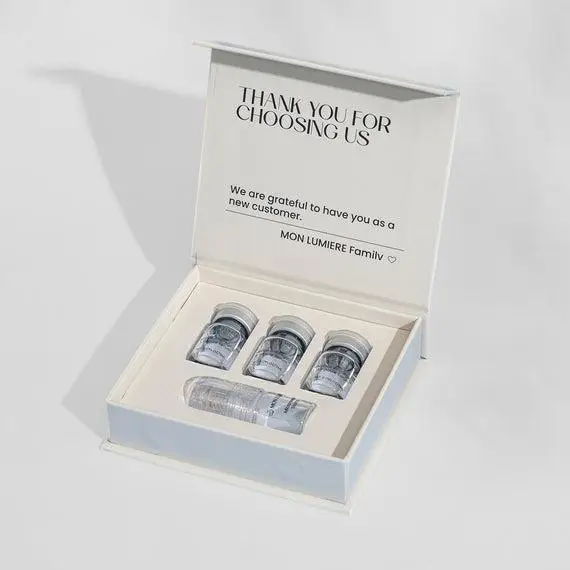
Some systems focus primarily on mechanical stimulation, while micro-infusion devices may combine very fine needles with the controlled delivery of a skincare solution.
The precise design varies considerably between products, so users should always understand the intended purpose of a device before using it.
Why Microneedling Has Become Popular
One of the reasons microneedling attracts attention is its versatility.
People may consider it when they want to improve the appearance of:
- fine lines;
- uneven skin texture;
- dull-looking skin;
- enlarged-looking pores;
- uneven tone;
- early signs of skin aging.
There is also a psychological component to the popularity of beauty devices. Using a specialized tool can make a skincare routine feel more intentional and personalized.
However, devices should never encourage an unnecessarily aggressive approach to skincare. Skin does not need to feel severely irritated for a treatment to be worthwhile.
At-Home Versus Professional Microneedling
The distinction between home and professional treatment is essential.
Professional microneedling is performed using specialized equipment and may involve greater needle depths depending on the treatment goal and local regulations. Practitioners can evaluate the skin and adjust the procedure accordingly.
At-home devices are typically designed with convenience and lower treatment intensity in mind.
This can make them suitable for consumers who want to incorporate technology into their regular beauty routine, but it also means expectations should be realistic.
A home device should not automatically be expected to reproduce the results of a clinical procedure.
Preparing the Skin
Preparation is one of the most important parts of the process.
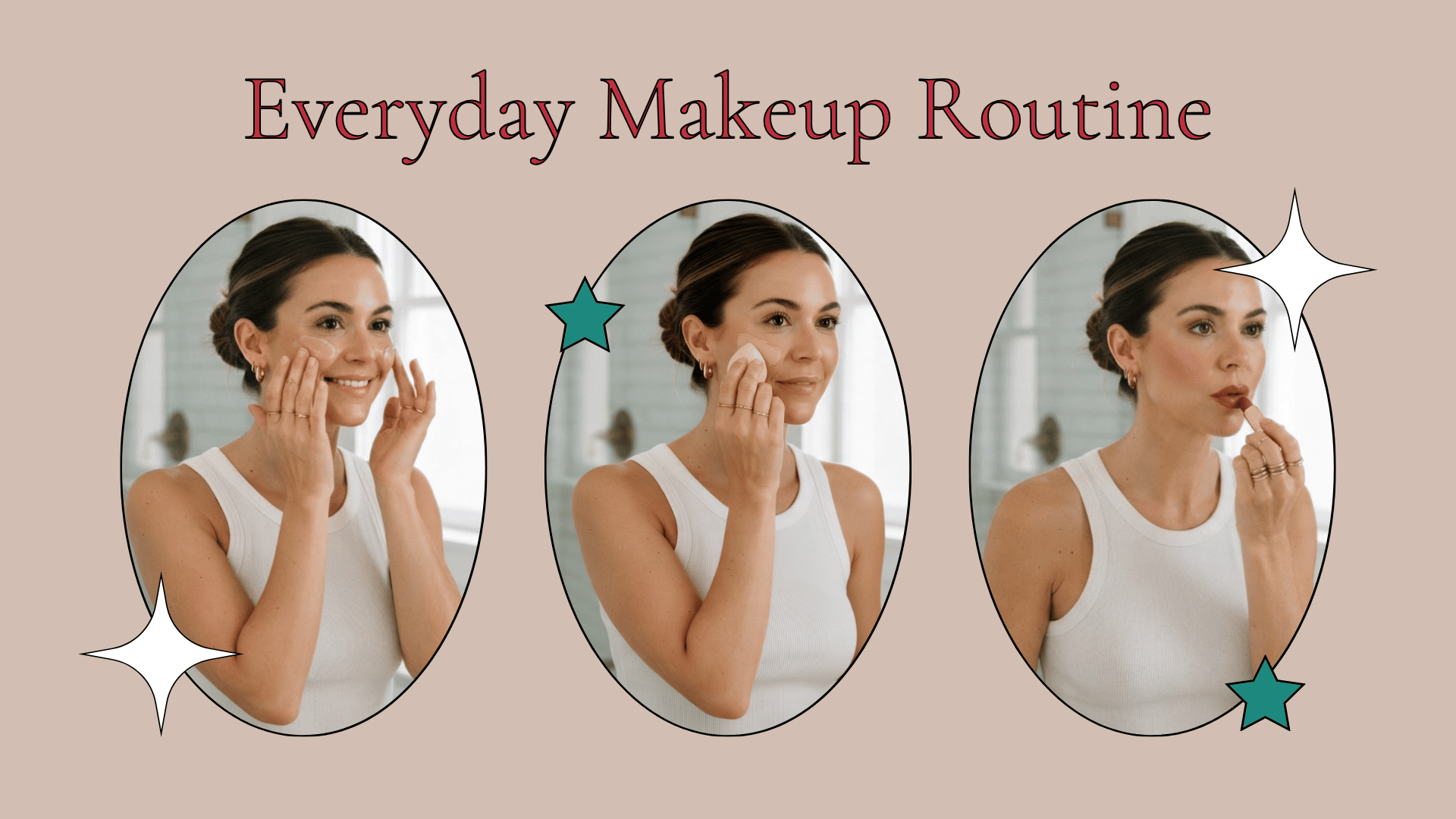
The skin should generally be clean and free from makeup, sunscreen, excess oil, and environmental residue before treatment.
Hands should also be washed carefully.
Depending on the product instructions, certain strong skincare ingredients may need to be avoided around the time of treatment. Highly exfoliating acids, retinoids, or other potentially irritating formulas may not be appropriate immediately before or after microneedling.
Following product-specific instructions is always preferable to creating an aggressive routine based on assumptions.
Using the Device Correctly
Technique matters.
A common misconception is that applying more pressure will produce better results. In reality, unnecessary pressure can increase discomfort and irritation.
The device should move or stamp across the treatment area according to its design. Users should avoid repeatedly treating the same area beyond the recommended number of passes.
Frequency is equally important.
If a manufacturer recommends waiting between treatments, that recovery period should be respected. Performing the procedure more often than recommended may interfere with the skin’s ability to recover.
The Importance of Hygiene
Microneedling devices require particularly careful hygiene because they interact directly with the surface of the skin.
Users should never share personal microneedling tools.
Single-use cartridges should be discarded after use when specified by the manufacturer. Reusable components should be cleaned only according to the official instructions.
Attempting to extend the life of components intended for one-time use can create unnecessary hygiene risks.
The treatment should also be postponed if the skin has open wounds, active infections, severe irritation, or another condition that makes needling inappropriate.
What About Serums?
Many people become interested in microneedling because they have heard that the process can be combined with skincare solutions.
This does not mean every serum in a bathroom cabinet is suitable.
Some formulas contain ingredients designed exclusively for intact skin. Fragrance, essential oils, strong exfoliating acids, and certain highly active ingredients may cause unnecessary irritation when paired with needling.
Users should therefore use only formulas specifically recommended for their device or treatment method.
Simple, hydrating skincare is often the preferred approach immediately following treatment.
What Results Are Realistic?
At-home skincare devices are generally best approached as part of a long-term routine.
Users may notice that their complexion looks temporarily fresher or more hydrated after a treatment. Changes in texture and the appearance of fine lines may require substantially more time.
Consistency matters more than intensity.
It can be useful to photograph the skin before beginning a routine and then compare images after several weeks or months. Photographs should ideally be taken in similar lighting, at the same angle, and without filters.
This provides a more reliable reference than trying to remember how the skin looked several months earlier.
Aftercare Is Part of the Treatment
The procedure itself is only part of the process.
After microneedling, the skin may temporarily appear pink or feel more sensitive than usual. During this period, a simple routine is often preferable.
A gentle moisturizer can support comfort, while broad-spectrum sunscreen helps protect the skin from ultraviolet exposure.
Excessive exfoliation should usually be avoided immediately afterward.
Users may be tempted to apply numerous active ingredients because they believe the skin will absorb them more effectively, but combining too many products can increase irritation.
Who Should Be Cautious?
At-home microneedling is not appropriate for every person or every skin condition.
People with active inflammatory skin conditions, infections, open lesions, a history of unusual scarring, or other significant dermatological concerns should seek professional guidance before using a device.
Anyone uncertain about whether microneedling is appropriate for their skin should speak with a qualified dermatologist or healthcare professional.
Building a Sustainable Routine
The best beauty routine is rarely the most complicated one.
A microneedling device can complement a carefully designed regimen, but it should sit alongside the basics: gentle cleansing, appropriate hydration, targeted skincare when needed, and daily sun protection.
The goal should be sustainable improvement rather than constant intervention.
When used thoughtfully, at-home skincare technology can offer consumers greater control over their beauty routines. The key is to understand the limitations of the device, respect the skin’s recovery process, maintain excellent hygiene, and remain patient enough to evaluate changes over time.