Who would’ve thought that the cool-toned hair color you saw on that one girl that one time is called Mushroom Brown hair color? Yeah, that’s what it’s called, and its the perfect brown shade for you.
It’s the very color that made Jessica Alba and Daisy Edgar-Jones stand out as the saucy brunettes. It’s the it-girl color for cool-toned brunettes.
The look always depends on the method of application and maintenance, which is why many women don’t get the desired “jessica alba look” they asked or hoped for.
If you have been to 10 different hairstylists and still haven’t achieved the look you wanted, I will be teaching you about the originality of mushroom hair color, the step-by-step instructions on application, and common mistakes and questions.
What is Mushroom Brown Hair Color?
Mushroom brown is a cool-toned brown with gray, taupe, and beige undertones, with no red, gold, or caramel warmth. Think soft, muted, and neutral, like a cloudy day.
The shade can look different depending on lighting and your hair’s natural undertones. What appears cool in daylight may look flat or slightly green under harsh indoor lighting. Online photos often use ideal lighting, so results won’t always match the inspiration images.
Creating mushroom brown requires ash tones to cancel warmth, neutral shades to prevent flatness, and blue or violet pigments to control leftover warmth. It’s often confused with ash brown, cool brunette, or greige, but it sits between brown and gray.
What Skin Tones Suit Mushroom Brown Hair Color
Mushroom brown can suit many skin tones, but balance is key. The cooler the shade, the more important undertone matching becomes. Here’s how mushroom brown pairs with different skin tones:
| Skin Tone | How Mushroom Brown Looks | What Works Best |
| Cool or neutral | Pairs naturally and looks balanced | Full mushroom brown tones |
| Olive | Looks good when not overly gray | Balanced ash with softness |
| Warm | Can clash if too cool | Add warmth through highlights |
| Very fair | Can look draining if too ashy | Lighter, softer versions |
Choosing the right balance keeps mushroom brown from looking flat or mismatched. If you’re unsure, trying a temporary color or wig can help you decide before committing.
The Products You Need for Mushroom Brown Hair
Using the right products is key to keeping mushroom brown cool and balanced. The wrong formulas can fade the color fast or shift it warm. What to use and avoid:
- Hair dyes: Choose ash, cool, or neutral shades. Avoid warm or golden labels.
- Toners: Use ash or blue-based toners to maintain cool tones.
- Purple shampoo: Best for beige or highlighted mushroom brown.
- Blue shampoo: Better for darker bases or visible warmth.
- Cleansers: Use sulfate-free, lightweight formulas.
- Avoid: Sulfates, heavy oils, and silicone-rich heat protectants.
Sticking to cool-focused products helps mushroom brown stay muted and natural between color sessions.
How to Get Mushroom Brown Hair: Step-by-Step
Mushroom brown isn’t a one-step color for everyone. Your starting shade, warmth level, and hair condition all affect the final result. Skipping steps often leads to muddy, green, or uneven tones, so patience matters more than speed.
Step 1: Check Your Base Color and Warmth
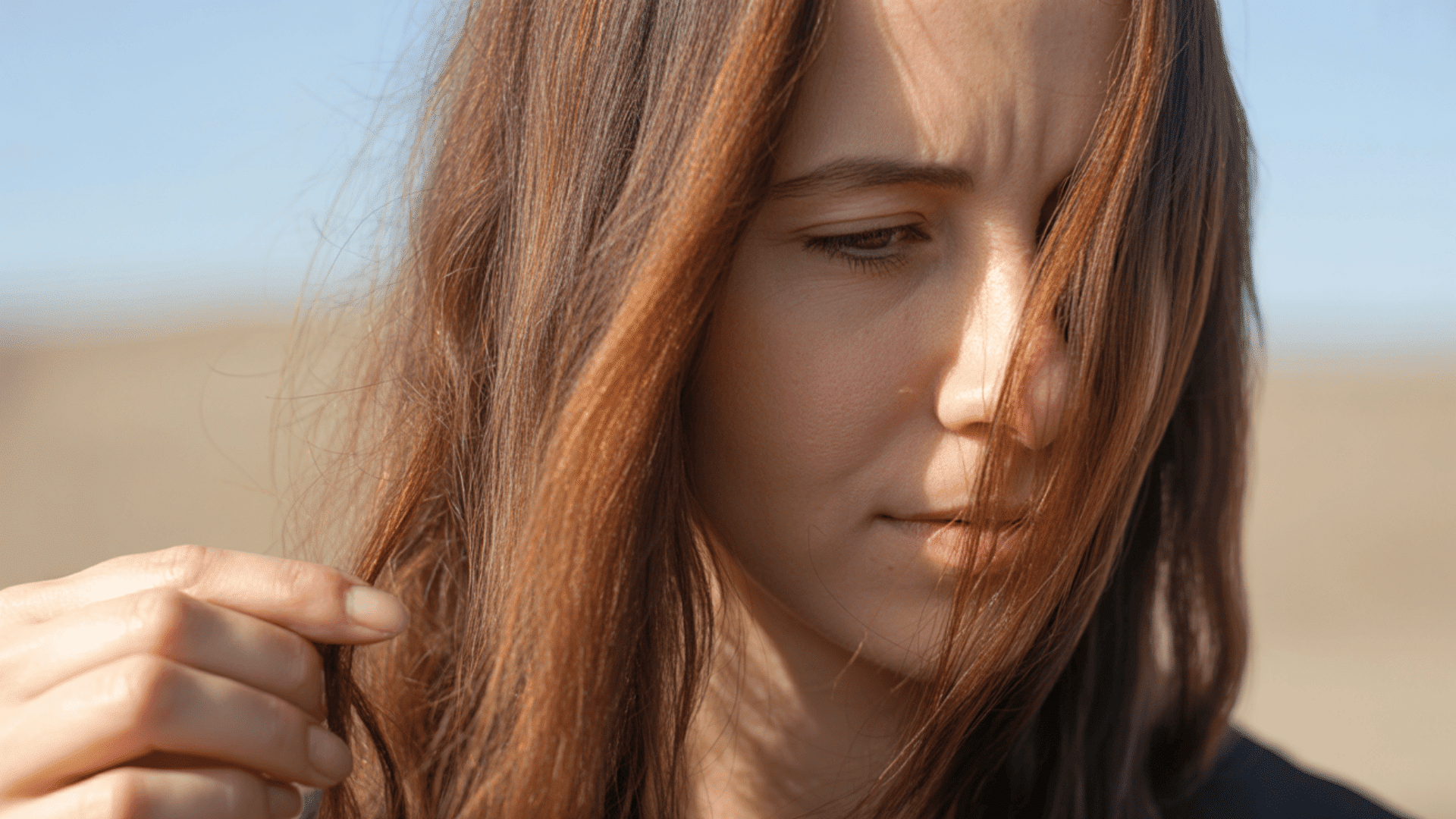
Before coloring, understand what you’re working with. Dark hair usually hides a lot of warmth, while previously dyed hair may react unevenly. Light, cool-toned hair is the easiest base for mushroom brown.
Look closely at whether your hair pulls red, orange, or yellow. Also consider past color treatments, as old dye can change how new color deposits. Examine your hair in different sections; the ends may be lighter or more porous than the roots.
Pro tip: Check your hair in natural daylight. Warm tones show up much more clearly outdoors than under indoor lighting.
Step 2: Neutralize or Lift Warm Tones if Needed
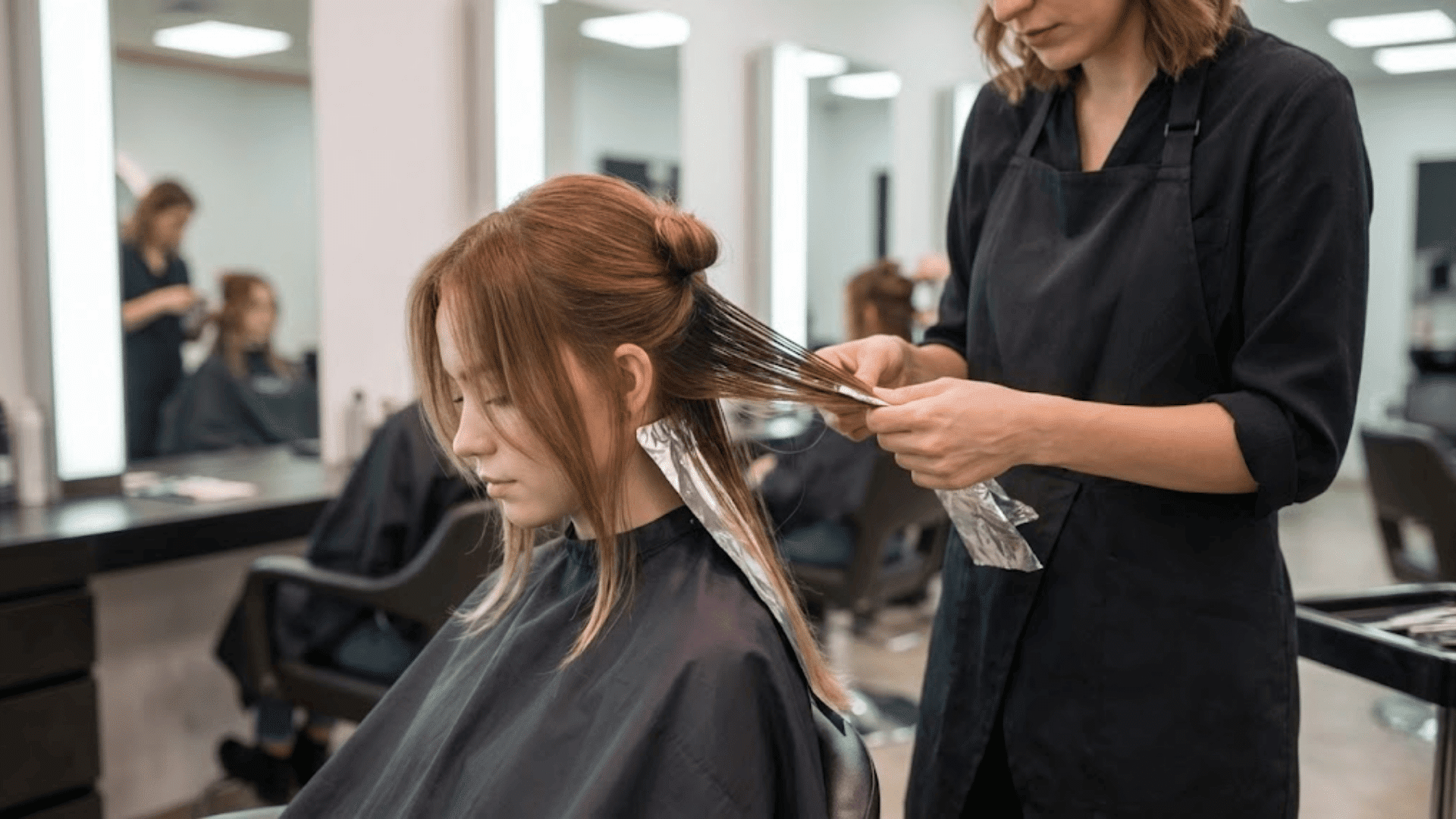
Warmth works against mushroom brown. If your hair has visible red, orange, or deep yellow tones, they must be neutralized or lifted first. This step may involve lightening, color remover, or a neutralizing treatment.
For dark hair, use a lightener or high-lift color to reach a light brown base. For warm-toned hair, apply a blue or green-based toner first to cancel out orange or red. Previously dyed hair may need a color remover before proceeding. Work in sections, apply evenly, and follow processing times exactly.
Pro tip: Lift only as much as needed. Over-lightening makes hair porous, which causes mushroom brown to fade faster and grab unevenly.
Step 3: Apply the Mushroom Brown Shade
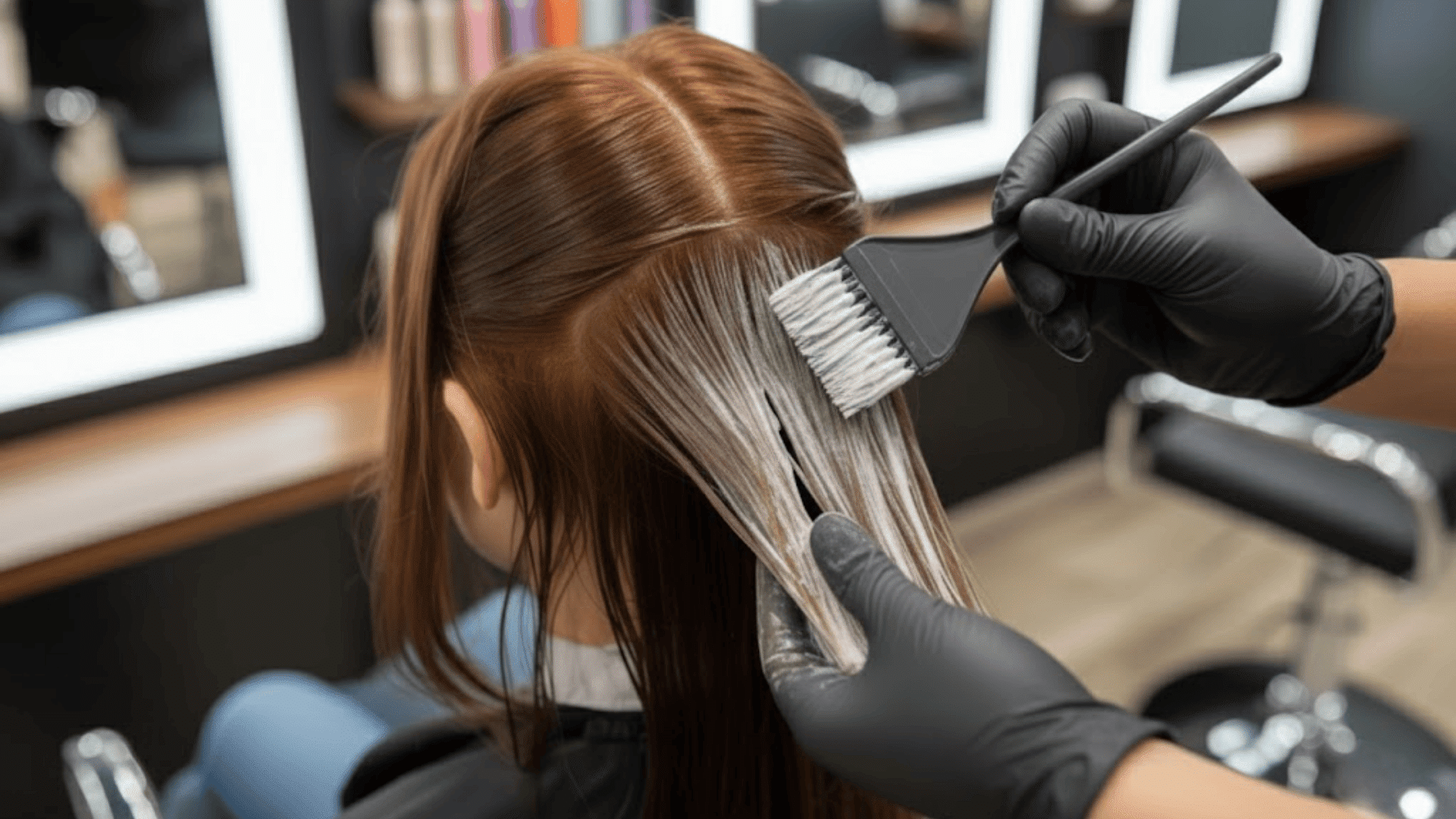
Once your base is ready, apply the mushroom brown color evenly from roots to ends. Start at the roots where hair is healthiest, then work through mid-lengths to ends. Use a tint brush for precision and make sure every strand is saturated; cool tones show patchiness easily.
Divide hair into four quadrants and work in half-inch sections. Apply generously and comb through each section to distribute evenly. Process according to package directions, typically 30-45 minutes. Check color development every 10 minutes.
Pro tip: Work in small sections and use enough product. Mushroom brown highlights unevenness more than warm browns.
Step 4: Tone to Balance Gray, Beige, and Ash
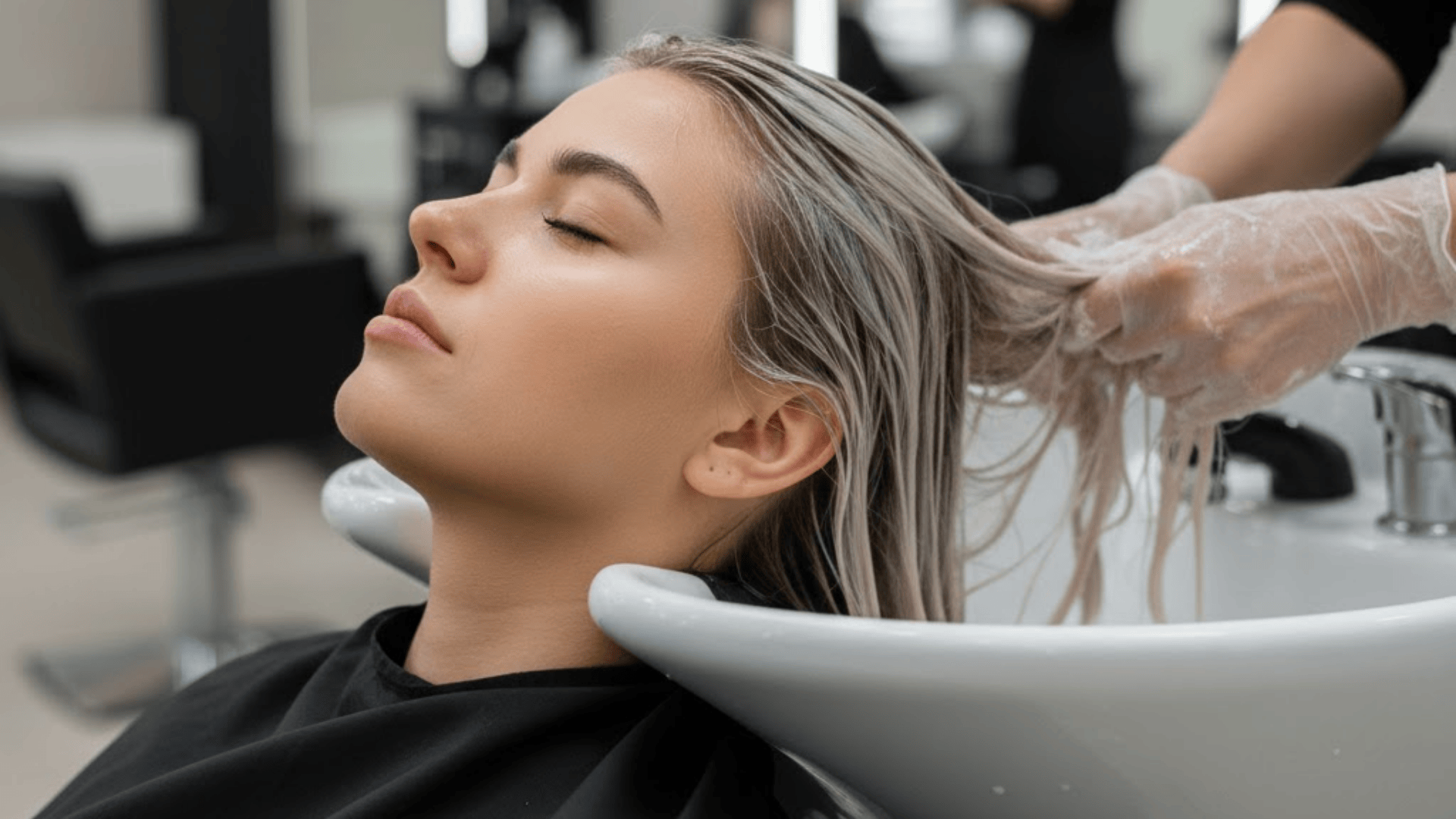
Toning is what makes mushroom brown look intentional instead of DIY. This step balances gray, beige, and ash so the color doesn’t lean too cool or too warm.
After rinsing the color, apply an ash or cool-toned toner to damp hair. Use a purple-based toner if the result looks too warm, or a blue-based one if orange is visible. Process for 5-15 minutes, depending on desired coolness. Rinse with cool water to seal the color.
Pro tip: Always tone gradually. It’s easier to add more coolness than to fix a color that’s been over-toned.
Step 5: Adjust Depth or Dimension if Needed
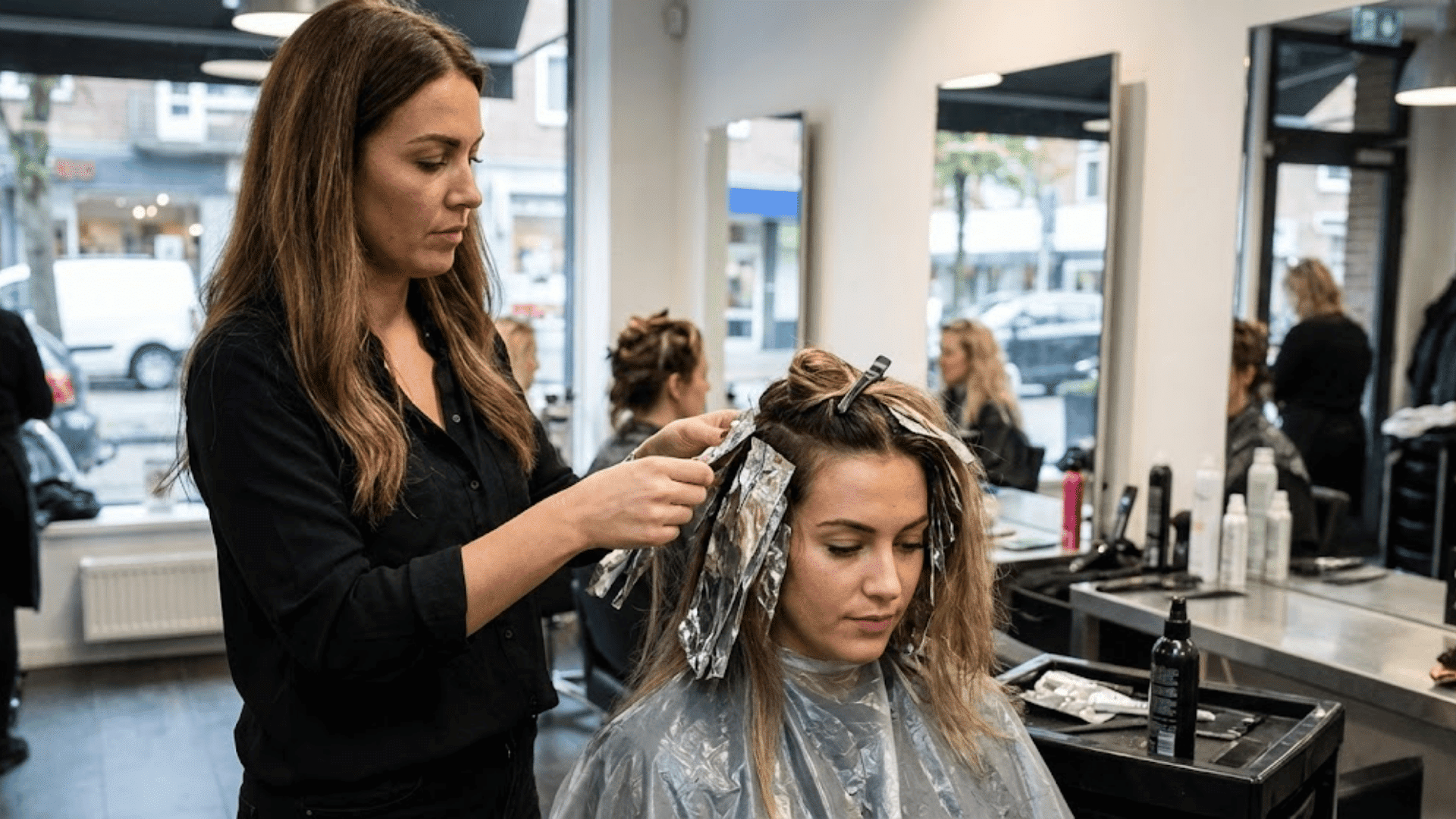
If the color looks flat after toning, dimension brings it back to life. Subtle lowlights, soft highlights, or a gloss add depth and movement.
For dimension, paint lighter pieces through the top layers using a balayage technique, or add darker lowlights underneath for depth. Apply a clear or tinted gloss all over to add shine and blend tones. Process for 10-20 minutes and rinse thoroughly.
Pro tip: Apply to resistant areas first, then front sections. This prevents uneven processing and ensures consistent color throughout.
When each step is done in the right order, mushroom brown looks balanced, natural, and polished rather than muddy or uneven.
Mushroom Brown Hair Color Variations
Mushroom brown has variations adjusting depth, warmth, and dimension while staying cool-toned. Here’s a breakdown of the most popular options:
| Variation | Description | Best For |
| Dark Mushroom Brown | Deeper with more gray, less beige | Naturally dark hair; less lifting needed |
| Mushroom Brunette | Softer with subtle warmth | Avoiding overly ashy tones; wider skin tone range |
| Mushroom Brown with Highlights | Dimensional with lighter pieces | Preventing flat color; adding depth |
| Mushroom Brown Balayage | Natural roots, cool tones on ends | Low maintenance; blended regrowth |
Your chosen variation affects maintenance frequency. Balayage and highlights need fewer touch-ups, while solid color requires regular toning to keep cool tones fresh and prevent warmth from returning.
Outcomes Based on Hair Color and Styling
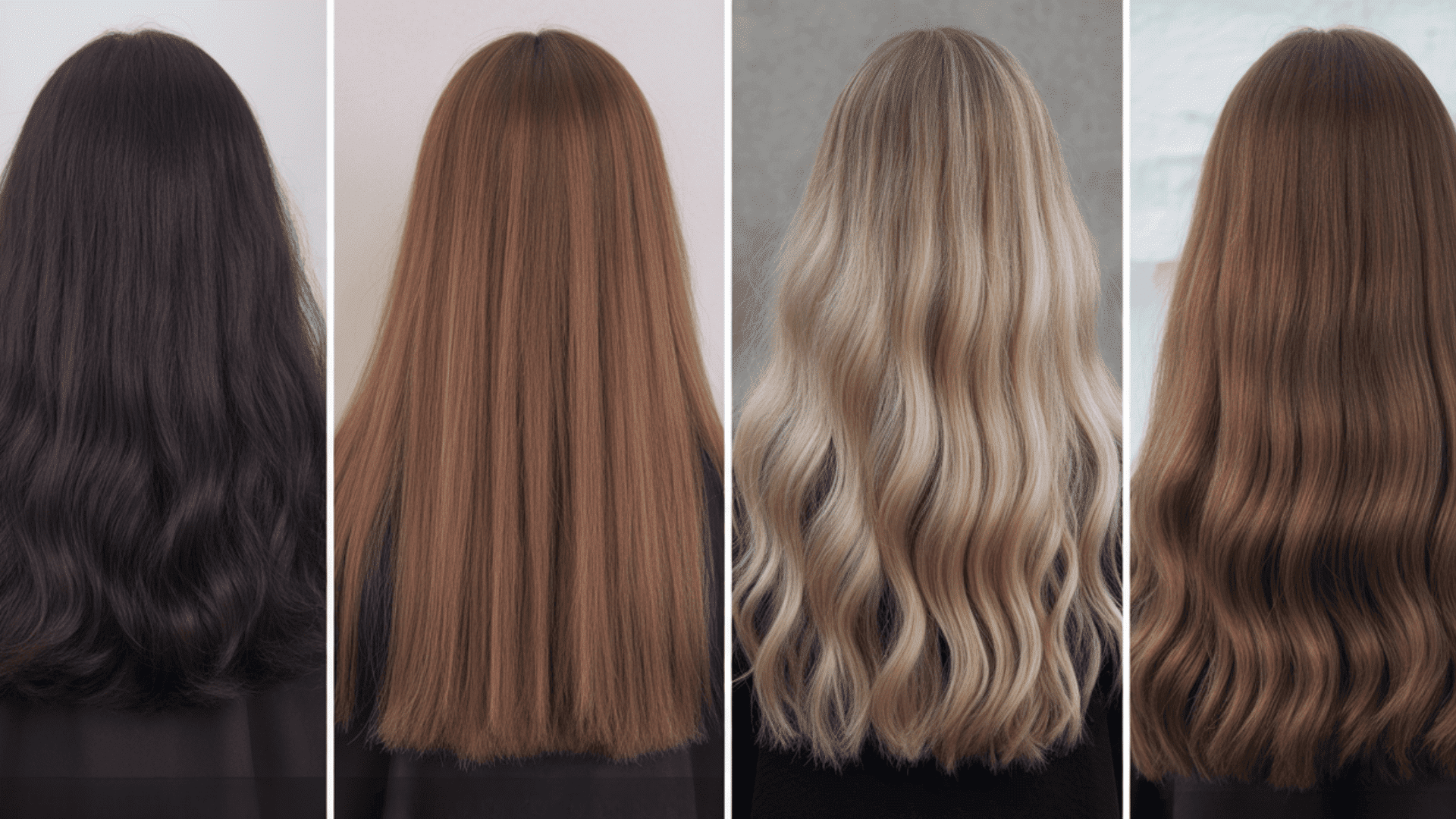
Your starting hair color plays a big role in how mushroom brown turns out. This shade needs a cool, balanced base, and not every hair color can support it without prep.
Mushroom Brown Results Based on Your Hair Color
Your starting hair color has a major impact on how mushroom brown turns out. This shade needs a cool, balanced base, and some hair colors require more prep than others.
- Natural dark hair: Can look muddy or warm without lightening first
- Warm or red-toned hair: Fades brassy and needs strong neutralization
- Previously dyed hair: May grab unevenly and often needs correction
- Light blonde hair: Takes mushroom brown most easily with minimal prep
The lighter and cooler your base, the closer you’ll get to true mushroom brown.
How to Style Mushroom Brown Color?
Your original hair color also affects how mushroom brown looks once styled, especially during the first few weeks.
- From dark hair: Add waves or texture to keep the color from looking flat
- From warm tones: Style with volume at the roots to highlight cool tones
- From blonde: Sleek, smooth styles show off the clean color shift
- Previously dyed hair: Mix smooth and textured sections to blend variation
Adjusting your styling approach helps the mushroom brown look intentional rather than accidental as the color settles.
Mushroom Brown Hair ColorChallenges
Mushroom brown has nuances, especially with gray hair or bleach decisions. Understanding these factors helps you avoid common pitfalls and achieve better results. Study the following table to understand the challenges:
| Factor | What to Know |
| Gray Hair | Works well due to matching cool tones, but coarse or resistant gray may not fully absorb color |
| Tonal Balance | Most problems stem from imbalance; too much ash creates flat or greenish tones |
| Hair Porosity | Porous hair struggles to hold cool tones evenly |
| Purple/Blue Shampoo | Overusing pushes color into gray or green territory |
| Bleach Necessity | Sometimes avoidable if hair is already light; darker or warm-toned hair usually requires lifting |
| Skipping Lightening | Results in dull, warm brown that fades quickly into brassiness |
Knowing when to lift and how much ash to use makes the difference. Pay attention to your starting point for the best outcome.
How to Maintain Mushroom Brown Hair?
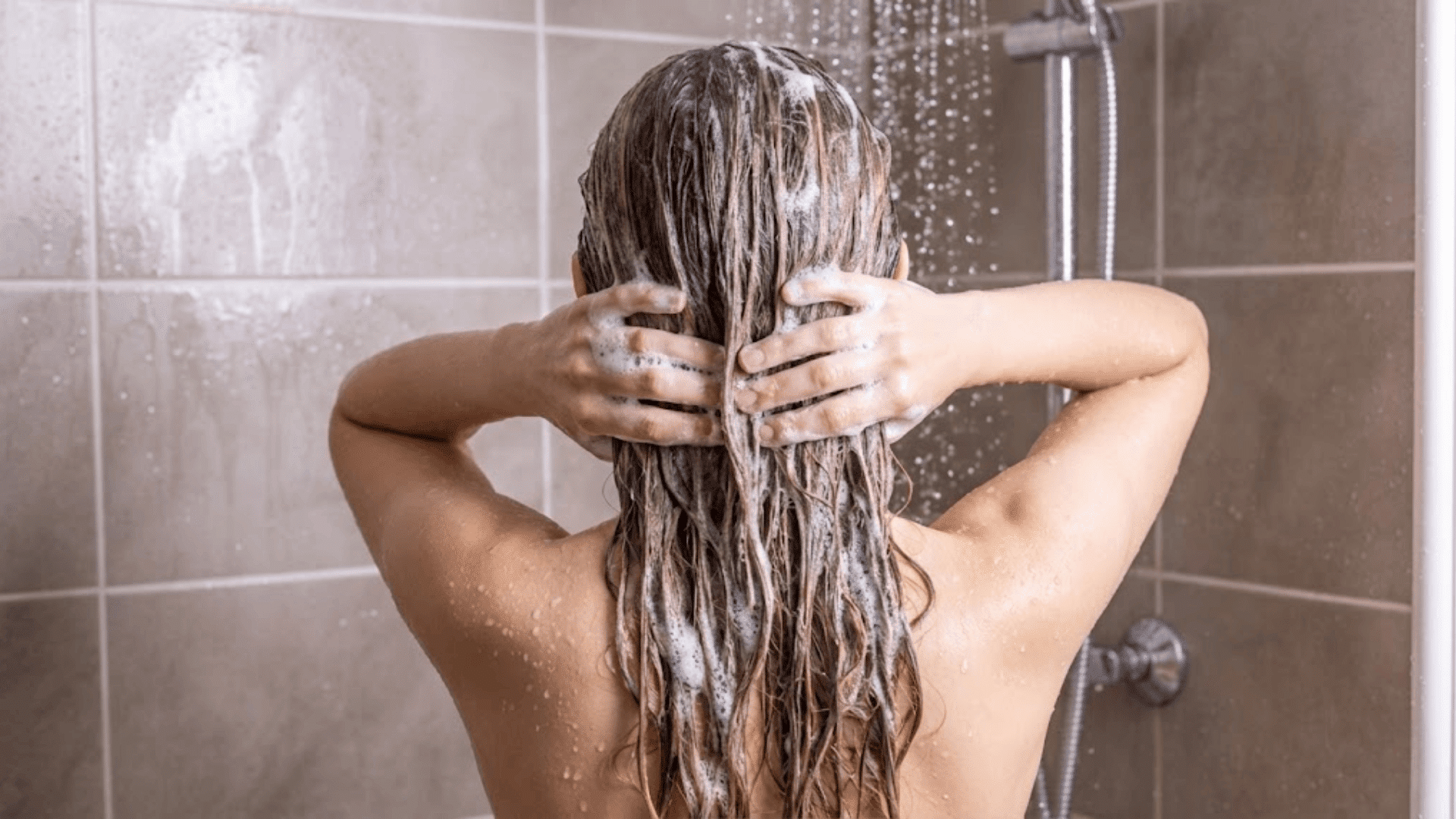
Mushroom brown fades faster than most hair colors because cool tones are fragile. Proper maintenance prevents warmth from creeping back and extends the time between touch-ups. Note the following maintenance tips:
- Tone regularly: Refresh cool tones every 4–6 weeks with toners or purple/blue shampoo
- Wash less: Reduce washing frequency to prevent fading; use dry shampoo between washes
- Choose wisely: Use purple shampoo for lighter tones, blue for darker or orange warmth
- Go sulfate-free: Stick to color-safe, sulfate-free, lightweight formulas
- Limit heat: Minimize heat styling as it opens the cuticle and accelerates fading
- Condition weekly: Apply deep conditioning masks to maintain hair health and color vibrancy
Consistency with these habits keeps the mushroom brown muted, cool, and even longer. Skipping steps or using harsh products will ruin the tone, so stick to the basics.
Salon Mushroom Brown vs At-Home Results
Choosing between a salon and at-home dye depends on your hair history and how precise you want the result to be. Mushroom brown is unforgiving, so the margin for error matters.
| Factor | Salon | At-Home |
| Customization | Mixed to your base and skin tone | One-size-fits-all |
| Dimension | Added depth with toning and lowlights | Flat, single-tone |
| Longevity | Lasts longer when applied correctly | Fades faster |
| Predictability | More consistent results | Less predictable |
| Best for | Dyed, damaged, or dark hair | Virgin or already light hair |
At-home dye can work if your hair is virgin, already light, or you’re maintaining an existing shade. For dyed, damaged, or dark hair, a salon gives you better odds of getting mushroom brown right the first time.
The Bottom Line
Mushroom brown isn’t the “even worst case scenario looks good” situation, but when done right, it’s worth the effort. Your base color, skin tone, and maintenance routine all contribute to how your hair looks. You can’t just rely on the instructions on the back of a hair color bottle.
You have to be thorough with your choices and application technique. If you put in enough effort, mushroom brown will give you that effortlessly cool vibe without screaming, “I just dyed my hair.”
You don’t have to own a salon to be an expert at styling and colouring your hair. With this blog, you can become that self-taught expert I am.
If you want DIY instructions on any other hair color, drop a comment in the comment section below.