I used to think short haircuts meant choosing between very short or clearly medium length, with nothing in between.
You may have noticed the same thing while looking through haircut photos online. That is where confusion often starts, especially when people mention what is a bixie haircut but do not explain it clearly.
Many want shorter hair without feeling exposed or locked into one strict shape. This topic matters because the right cut can make daily care easier and help hair feel more manageable.
Ahead, you will see how this haircut works, how it compares to similar styles, and how to decide if it fits your comfort level. That sets the stage for everything that follows.
What is a Bixie Haircut?
A bixie haircut is a short hairstyle that sits between a pixie cut and a bob. It is shorter than a bob but keeps more length than a traditional pixie.
The goal of a bixie is to offer a shortcut that still allows some styling freedom. The hair is cut with layers to give shape and light movement, rather than a heavy or blunt finish.
The name “bixie” comes from combining the words bob and pixie. This explains the idea behind the cut. It keeps the short, cropped feel of a pixie while holding on to the slightly longer length seen in a bob.
Because of this balance, the bixie often feels less extreme than very short cuts.
Most bixie haircuts fall between the ears and the chin. The crown is cut shorter with layers, while the sides and front stay a bit longer to frame the face. Depending on how it is styled, a bixie can look neat and controlled or relaxed and undone.
Where Does a Bixie Sit Compared to a Pixie and a Bob?

A bixie sits clearly between a pixie and a bob, keeping short length while leaving enough hair around the face for comfort and styling confidence.
Length Breakdown by Area
The crown area of a bixie is cut short with light layers to stop weight from sitting on top. The sides stay longer than a pixie, usually covering part of the ear, but remain shorter than a bob.
The back is shaped and tapered so it follows the head without being shaved or tight.
In the front, longer pieces frame the face and often reach the jaw or chin. This layout keeps the cut short while still giving shape, balance, and everyday wearability for many hair types and daily routines.
Why This Matters for First-Time Short Haircuts
Knowing where a bixie sits helps first-time short haircut clients understand what will stay long and what will be cut back. Many people worry that short hair will feel too exposed or hard to manage.
Clear length zones make expectations realistic before the cut happens. This makes salon conversations easier and lowers regret after the appointment.
When the length around the face and ears is understood ahead of time, choosing a bixie often feels like a safer step than jumping straight into a very short pixie haircut decision for beginners.
What a Bixie Haircut is Not
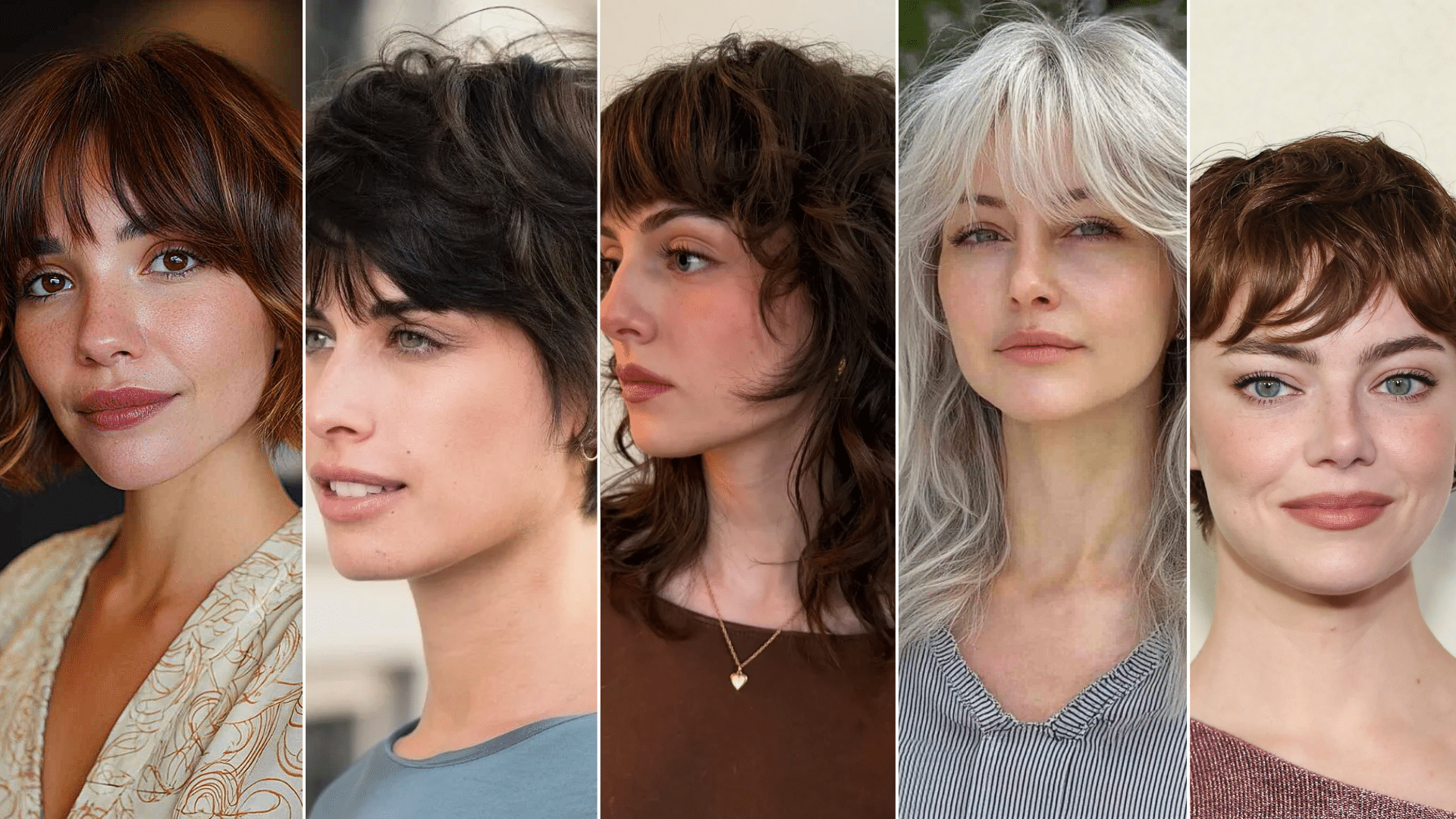
Many short haircuts look similar at first glance. This section clears confusion by explaining which styles are often mistaken for a bixie and why they are not the same.
| Haircut Type | How It Looks | Why It Is Not a Bixie |
|---|---|---|
| Short Bob | Falls at the jaw or chin with heavier ends | A bixie has lighter layers and more shape through the crown |
| Pixie Cut | Very short and close to the head | A bixie keeps more length around the ears and face |
| Shag Cut | Strong layers with volume at the top | A bixie has controlled layers and a cleaner outline |
| Wolf Cut | Longer back with dramatic top volume | A bixie stays balanced without extreme length changes |
| Grown-Out Pixie | Uneven length from skipped trims | A bixie is planned and shaped from the start |
Understanding these differences helps set clear expectations before a haircut. It also makes it easier to explain the desired length and shape during a salon appointment.
Where the Bixie Haircut Came From
The bixie haircut first appeared during the 1990s, a time when short haircuts became more relaxed and less structured. Many people wanted short hair that did not feel too sharp or severe.
The bixie answered that need by keeping a short length while adding layers that softened the overall shape. It became popular because it allowed movement and face framing without the heavy outline seen in many bobs.
Several well-known actors helped bring attention to this cut during that decade. Styles worn by Meg Ryan, Halle Berry, Winona Ryder, and Cameron Diaz showed how short hair could look casual and wearable.
These cuts often featured light layers, soft edges, and a natural finish. Over time, the bixie faded as longer styles returned, but the core shape remained familiar and easy to revisit when short hair trends resurfaced.
Why the Bixie Haircut is Trending Again
The bixie haircut has found new interest in recent years after being less common for a while. One reason is that short, layered cuts are coming back into everyday styling.
Many people now prefer looks that are easier to manage and do not need long styling routines. A bixie fits both needs by staying short while still offering shape around the face.
Another reason is that images of people with this cut appear often on social media platforms.
Videos and photos showing the bixie styled in slightly different ways help others see how it can work for many hair types. Public figures who choose this cut also encourage others to try it.
Finally, trends that were common in the 1990s are becoming familiar again. The bixie brings short hair back in a way that feels fresh without being extreme, which suits many daily routines.
Who Does a Bixie Haircut Suit?
A bixie haircut works for many people because the length and layers can be adjusted to fit face shape, hair density, and natural texture without extreme changes.
Face Shapes
Different face shapes respond well to a bixie when the length and layers are placed with care and attention to balance.
- Oval: Keeps natural proportions without needing heavy shaping
- Round: Uses layers to create a clearer outline and structure
- Square: Reduces harsh lines by keeping softer edges
- Heart-shaped: Helps even out wider foreheads and narrower chins
Hair Types
Hair texture plays a big role in how a bixie looks and behaves day to day, especially with layering choices.
- Fine hair: Creates lift and fullness through short layers
- Thick hair: Removes extra weight for easier daily control
- Wavy hair: Allows natural movement to show clearly
- Light curls: Works best when layers are placed carefully to avoid bulk
Bixie Haircut for Thinning or Aging Hair
This haircut often suits thinning or aging hair because its shorter length and layered shape help hair look fuller and easier to manage daily.
Why It Works for Thinner Hair
A bixie works well for thinner hair because the crown layers help lift hair away from the scalp. This lift prevents hair from lying flat, which can make thinning more noticeable.
The shorter overall length also reduces pulling and weight, which helps fine strands hold shape better. Because the cut avoids heavy ends, hair often looks lighter and more even.
Styling usually takes less effort, which helps avoid overworking fragile hair. With proper layering, the bixie supports natural movement and gives the appearance of more body without relying on heavy products or complex styling routines.
Life Stages Where a Bixie Makes Sense
Certain life stages bring changes in hair density and texture that make longer styles harder to manage. After pregnancy, hair may shed or feel uneven, and a bixie can help reset shape.
Hormonal thinning can also cause hair to lose strength, making shorter cuts easier to control. Over time, hair texture may shift and feel drier or finer than before.
A bixie adapts well to these changes by keeping length manageable while still allowing face framing. This makes daily care simpler during periods of transition.
Barber vs. Salon Bixie Cuts
A bixie haircut can look different depending on whether it is done at a barbershop or a hair salon. The main difference comes from cutting methods and finish preference.
Barber-cut bixies often focus on clean lines, tighter shaping around the neck, and a sharper outline.
Clippers or shorter scissor work may be used, which can give the cut a more structured and direct look. This option often suits people who prefer clear edges and minimal styling steps.
For barbers who regularly work with shortcuts and detailed finishing, practical workwear can also make a difference during appointments. The leather barber aprons can help keep clothing protected from loose hair and styling products while providing useful storage for small tools. This can be especially convenient when moving between cutting, trimming, and final styling steps.
Salon-cut bixies usually focus more on layering, softness, and face framing. Stylists often use longer scissor work to shape the crown and front pieces so the cut grows out evenly.
This approach works well for people who want flexibility with parting or light styling changes. Choosing between the two depends on daily routine, comfort with sharp edges, and how much shape control is preferred over time.
Popular Types of Bixie Haircuts
These common bixie variations show how small changes in layers, length, and finish can adjust the cut to suit different hair needs.
1. Classic Bixie
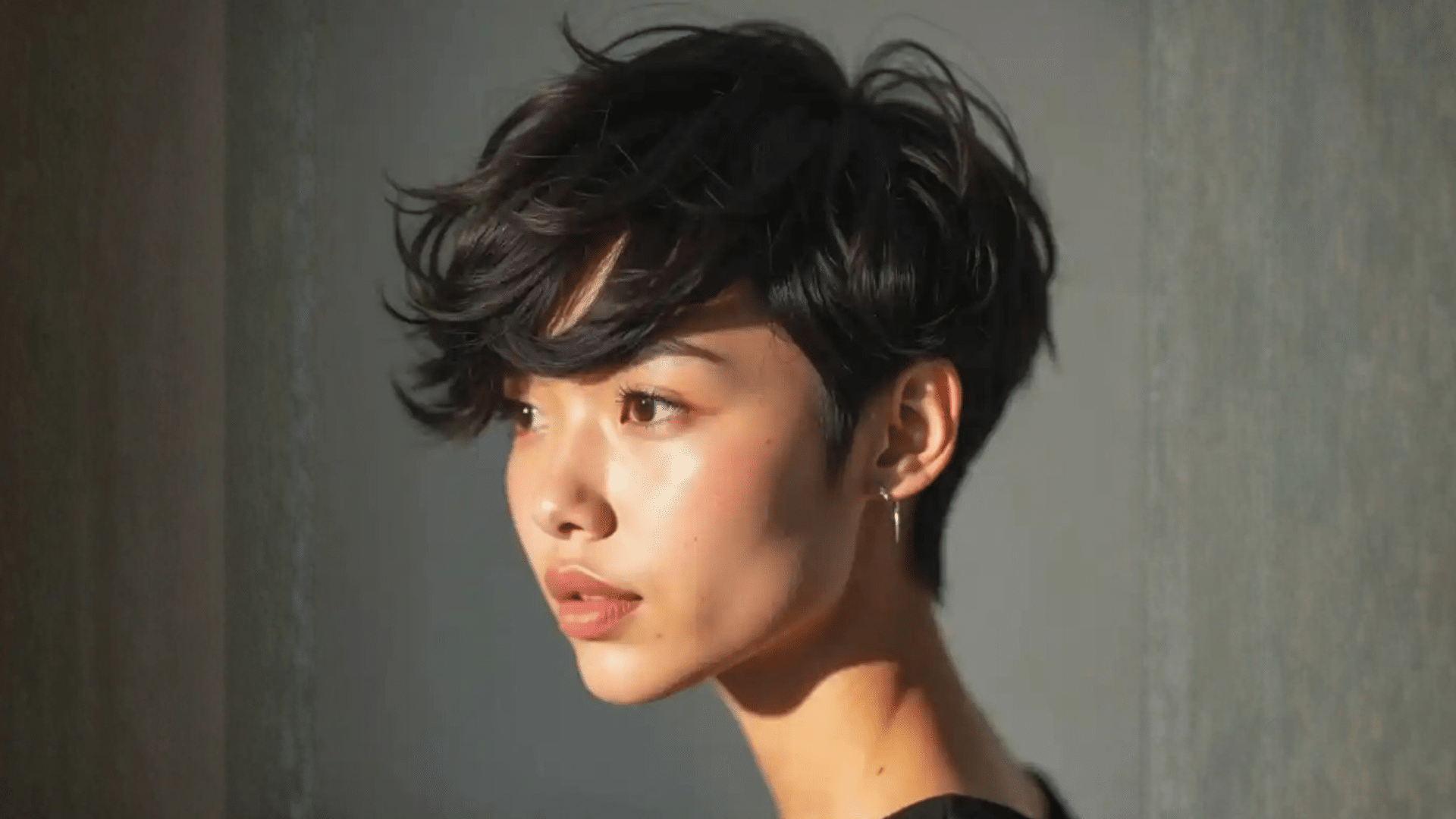
A classic bixie keeps the cut simple and even, with layers placed to hold shape without looking heavy. The length usually stays between the ears and chin, creating a clean outline that works for many face shapes.
The crown is lightly layered to prevent flatness, while the sides and front stay soft and controlled. This option suits people who want a short haircut that feels neat and easy to manage each day.
It also grows out smoothly, making it a steady choice for first-time short haircuts.
2. Textured or Tousled Bixie
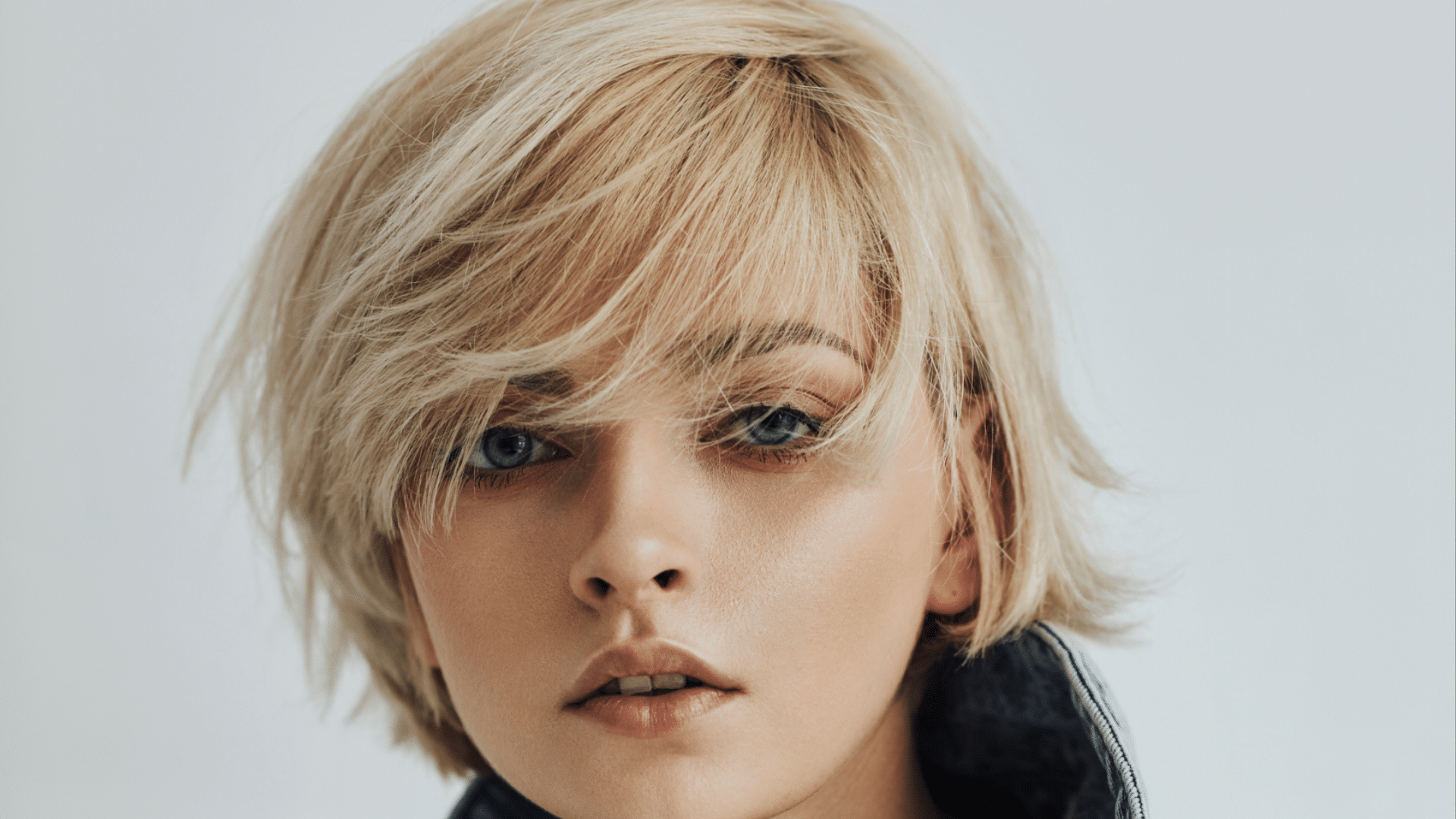
This version focuses on uneven layers that give the hair a relaxed, natural look. The crown and ends are cut with more separation, which helps hair move freely and avoids stiffness. It works well for fine or wavy hair that needs shape without added weight.
Styling often involves simple drying methods and light products. The textured bixie suits people who prefer a casual finish and do not want hair to look too controlled or stiff throughout the day.
3. Bixie With Bangs or Fringe
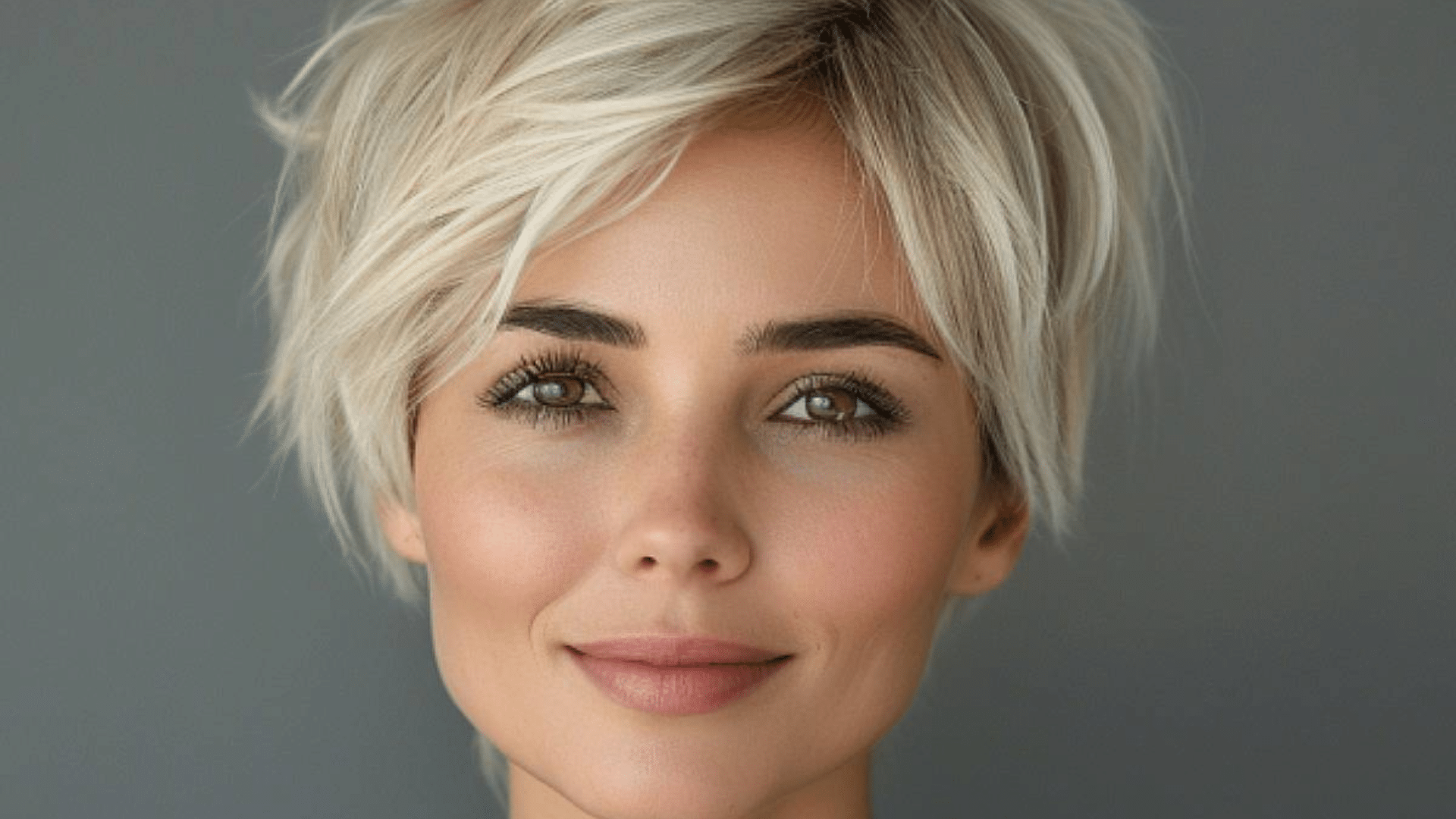
Adding bangs changes the overall look of a bixie without changing its length. Curtain bangs can soften the face and frame the eyes, while wispy bangs keep the style light. Blunt bangs create a stronger front shape and draw attention forward.
The rest of the cut stays short and layered, so daily care remains simple. This option works well for people who want face coverage or a small style change without committing to a longer haircut.
4. 90s-Inspired Bixie
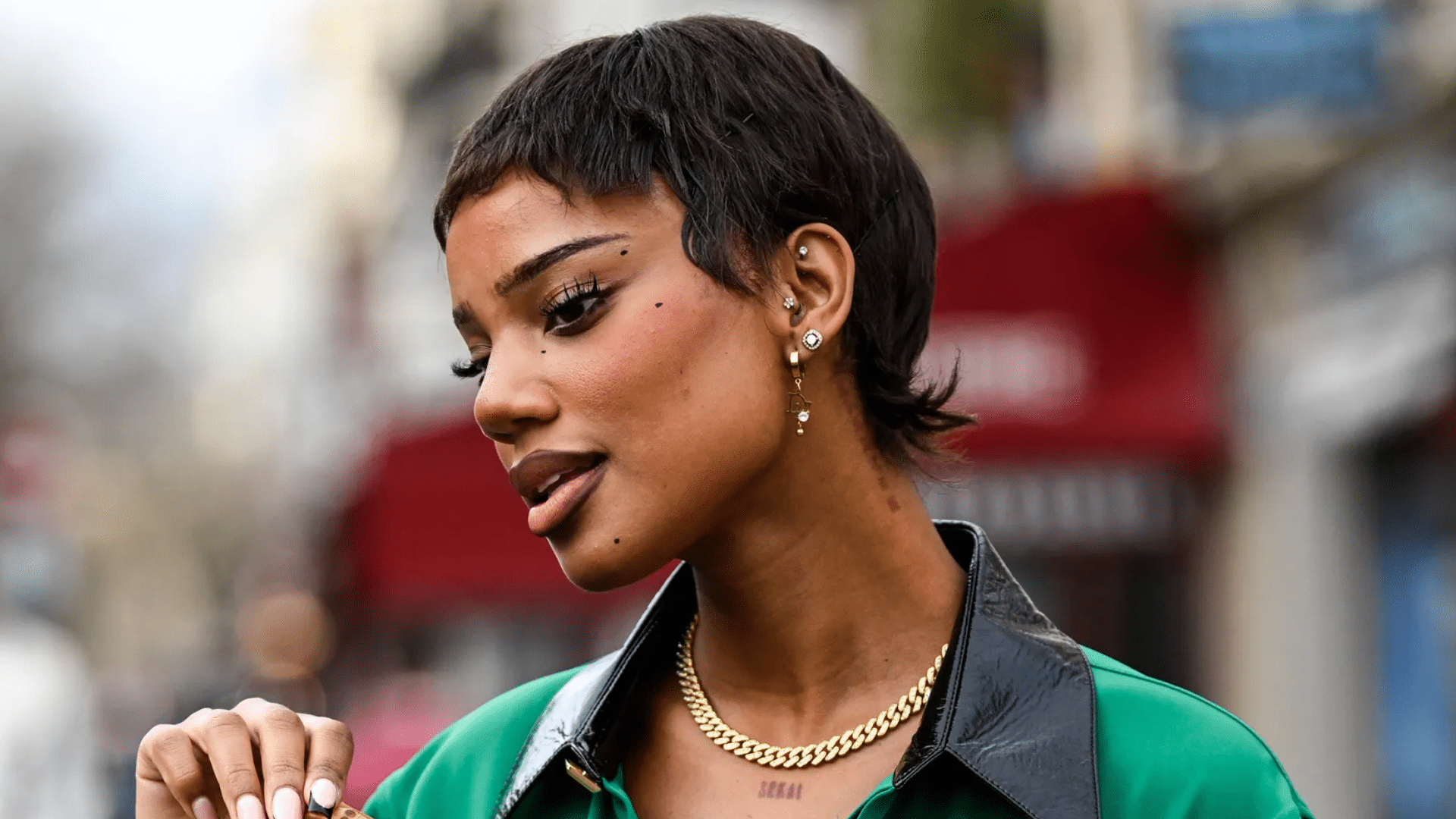
This type reflects short haircuts worn during the 1990s, with fuller ends and visible layering. The cut often includes more lift at the crown and a looser shape around the sides.
Ends are less sharp and feel softer, giving the haircut a lived-in look. It works well for people who like short hair that does not feel strict or stiff. Styling usually focuses on volume and light separation rather than smooth lines or tight control.
5. Sleek Bixie

A sleek bixie keeps layers subtle and focuses on a smooth surface. The hair is shaped close to the head while still leaving enough length to frame the face. This style suits straight hair or people who prefer a tidy appearance.
Styling often involves brushing or light heat use to keep the shape clean. The sleek bixie works well in settings where a neat look is preferred, while still keeping the comfort and ease of a short haircut.
How to Style a Bixie Haircut
A bixie haircut is easy to style and does not need long routines, which makes it practical for daily wear and quick changes.
Everyday Styling
A bixie works well with simple styling methods, including air-drying for many hair types. After washing, hair can be gently towel-dried and left to dry naturally while keeping its shape.
Light products are usually enough to control flyaways without weighing hair down. Because the cut already has layers, it often falls into place on its own. This makes daily styling faster and reduces the need for heat tools.
For many people, a quick brush or finger styling is enough to keep the haircut looking tidy throughout the day.
Polished vs. Messy Looks
The same bixie haircut can look very different depending on how it is styled. Straightening creates a smooth outline and keeps the shape neat, which suits work or formal settings.
A messy look comes from scrunching or lightly drying hair with movement, letting layers separate naturally. Both options work without changing the cut itself. This flexibility allows the bixie to suit different moods and occasions without extra effort or complex styling steps.
Small Changes That Make a Big Difference
Small styling changes can refresh a bixie without cutting more hair. Switching the part line can change how the face is framed and how volume sits. Adding light waves with simple tools creates texture and soft movement.
Tucking hair behind the ears opens the face and gives a cleaner look. These small adjustments help the haircut feel new without needing frequent changes or heavy styling routines.
What to Say to Your Stylist If You Want a Bixie
Clear wording helps avoid confusion during a haircut appointment. Start by asking for a bixie haircut by name, rather than saying short bob or long pixie. Explain that you want something shorter than a bob but not as short as a pixie.
Mention that you want short layers at the crown with a bit more length around the ears and front. This helps the stylist understand where the length should stay.
Bringing photos is important. Choose pictures that show the front, side, and back so the overall shape is clear. It also helps to point out what you like in each photo, such as the length near the face or how soft the layers look.
Avoid vague phrases like “just make it short.” Being specific leads to better results.
How to Maintain a Bixie Haircut
Keeping a bixie haircut looking neat depends on regular care and small habits that help the shape stay clear between hair appointments.
- Schedule trims every four to six weeks to keep the layers from losing shape
- Wash and dry gently to avoid flattening the crown area
- Use light products to prevent buildup and heaviness
- Adjust part lines as hair grows to keep balance
- Avoid skipping trims, as uneven growth shows faster on short cuts
Pros and Cons of a Bixie Haircut
Every haircut has strengths and limits. This table helps compare the practical benefits and drawbacks of choosing a bixie haircut.
| Pros | Cons |
|---|---|
| Short length makes daily care quicker | Needs regular trims to keep its shape |
| Layers help hair look fuller | Limited options for tying hair back |
| Easier transition from very short cuts | Shape can look uneven if trims are delayed |
| Works for many hair types | Styling choices are fewer than longer cuts |
Looking at both sides makes it easier to decide if a bixie fits styling habits, comfort level, and long-term haircut plans.
Is the Bixie a Trend or a Long-Term Style?
The bixie haircut may appear popular right now, but its shape is based on familiar short haircuts that have been used for decades.
Because it sits between a pixie and a bob, it does not rely on extreme length or sharp details that fade quickly. The cut can shift slightly over time by adjusting layers or letting certain areas grow, which helps it stay relevant as preferences change.
Many people also keep the bixie longer or shorter, depending on comfort, making it easier to adapt without starting over.
While interest in the bixie rises and falls like most styles, its basic structure remains useful. This makes it more than a passing phase and a practical option for people who want flexibility without frequent major changes.
Conclusion
Short hair does not have to feel limiting or difficult to manage. This post explained how the bixie sits between a pixie and a bob, how it looks, who it suits, and how it behaves over time.
The biggest benefit is flexibility. You can keep length around the face while still enjoying a shorter cut that feels lighter and easier to handle.
Small changes in layers and styling can also adjust the look without starting over. If you have been unsure about short hair, understanding what a bixie haircut is can help you decide with more confidence.
Would this cut fit your routine and comfort level right now? Take a moment to check out related blogs for more haircut ideas and comparisons.