I used to think figs were all the same until I started seeing different colors, flavors, and textures at the store.
You’ve probably noticed this too and wondered which one actually fits your needs. That’s where understanding the types of figs starts to matter. Some figs taste very sweet, others stay mild.
Some work best fresh, while others handle drying or cooking better. Picking the wrong one can change the result of a recipe or how much you enjoy eating it.
I put this together to help you make sense of the options without confusion. By the end, you’ll have a clearer way to choose the right fig for how you plan to use it.
Understanding Figs
Figs are a fruit that grows on fig trees and have been eaten for thousands of years. You’ll find them fresh during certain seasons and dried throughout the year.
A fig has a soft outer skin and a tender center filled with tiny seeds. These seeds add light texture but do not feel hard when you eat them.
Figs can look very different from one another. Some have green skin, while others turn purple, brown, or nearly black when ripe.
The inside color also varies, ranging from pale amber to deep red. Flavor depends on the type. Some figs taste very sweet, while others feel mild and gentle.
How figs grow also matters. Some fig trees produce fruit without pollination, while others need it. This affects size, sweetness, and where each type grows best.
Different Types of Figs
Here you learn about common fig types, their colors, flavors, textures, and uses, helping you compare options and decide which figs suit your needs most.
1. Black Mission Figs
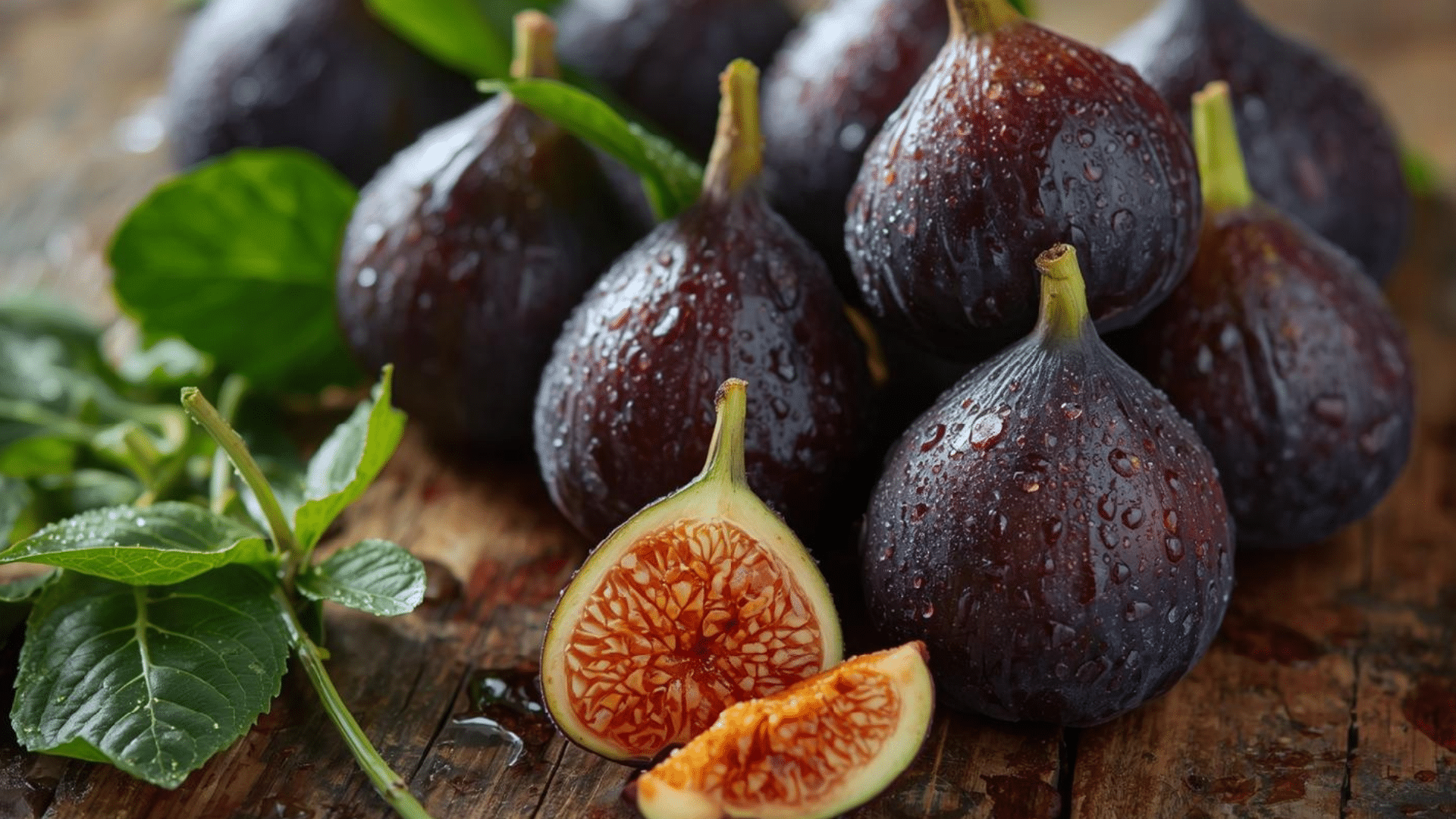
Black Mission figs are a dark-skinned choice you can buy fresh or dry at home. Their strong sweetness and deep red center make them simple to spot and use today.
Color group: Black Mission figs fall into the dark fig group. Their skin ranges from deep purple to nearly black, while the inside shows a dark red center.
Sweetness level: These figs are among the sweeter options. The sugar level is strong, especially when fully ripe or dried.
Best uses: You can eat Black Mission figs fresh, straight from the tree or the store. They also work well for drying due to their sugar content. Many people use them in baking, sauces, or paired with cheese because the flavor stays strong after heating.
Growing notes: This fig grows on common fig trees, so pollination is not needed. It handles warm climates well and is often grown in home gardens. You can grow it in the ground or large containers if space is limited.
Texture or skin traits: The skin is thin but firm. The inside is soft, dense, and filled with small seeds that add light texture without feeling gritty.
2. Brown Turkey Figs
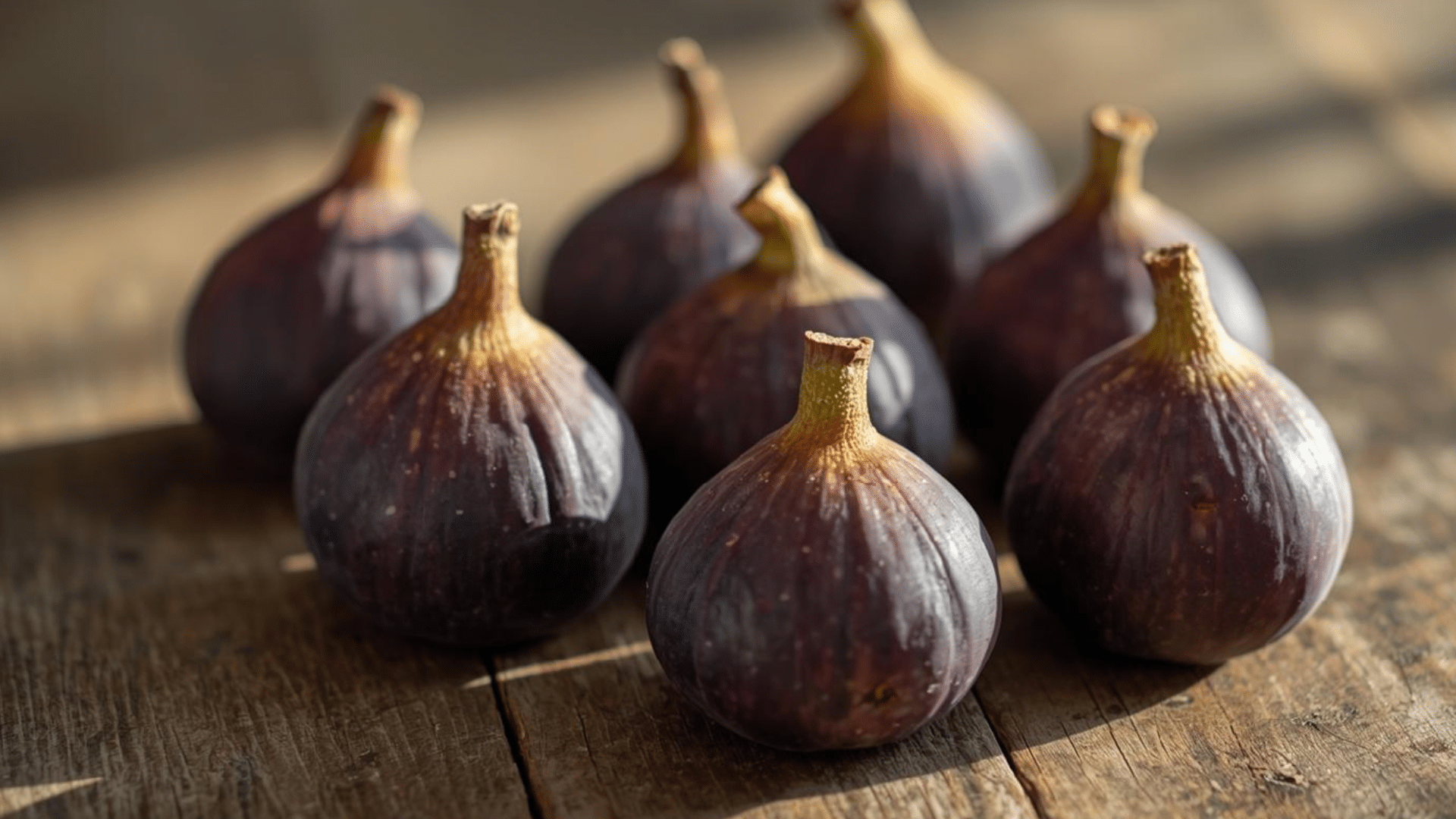
Brown Turkey figs are a steady choice for your kitchen or garden. They taste gently sweet, cook well, and fit many recipes without overpowering other ingredients you use at home.
Color group: Brown Turkey figs sit in the brown to purple color range. The skin darkens as the fruit ripens.
Sweetness level: The sweetness is mild to medium. It is not overpowering, which makes it easier to use in many dishes.
Best uses: These figs are great for cooking and baking. They hold their shape when heated, making them useful for tarts, flatbreads, and sauces. You can also eat them fresh, especially when fully ripe.
Growing notes: Brown Turkey figs grow on common fig trees and do not need pollination. They are known for steady growth and are often suggested for beginners. They grow well in many regions and adapt to different soils.
Texture or skin traits: The skin is slightly thicker than some figs, which helps during cooking. The flesh is soft but not watery, with a balanced feel when eaten.
3. Kadota Figs
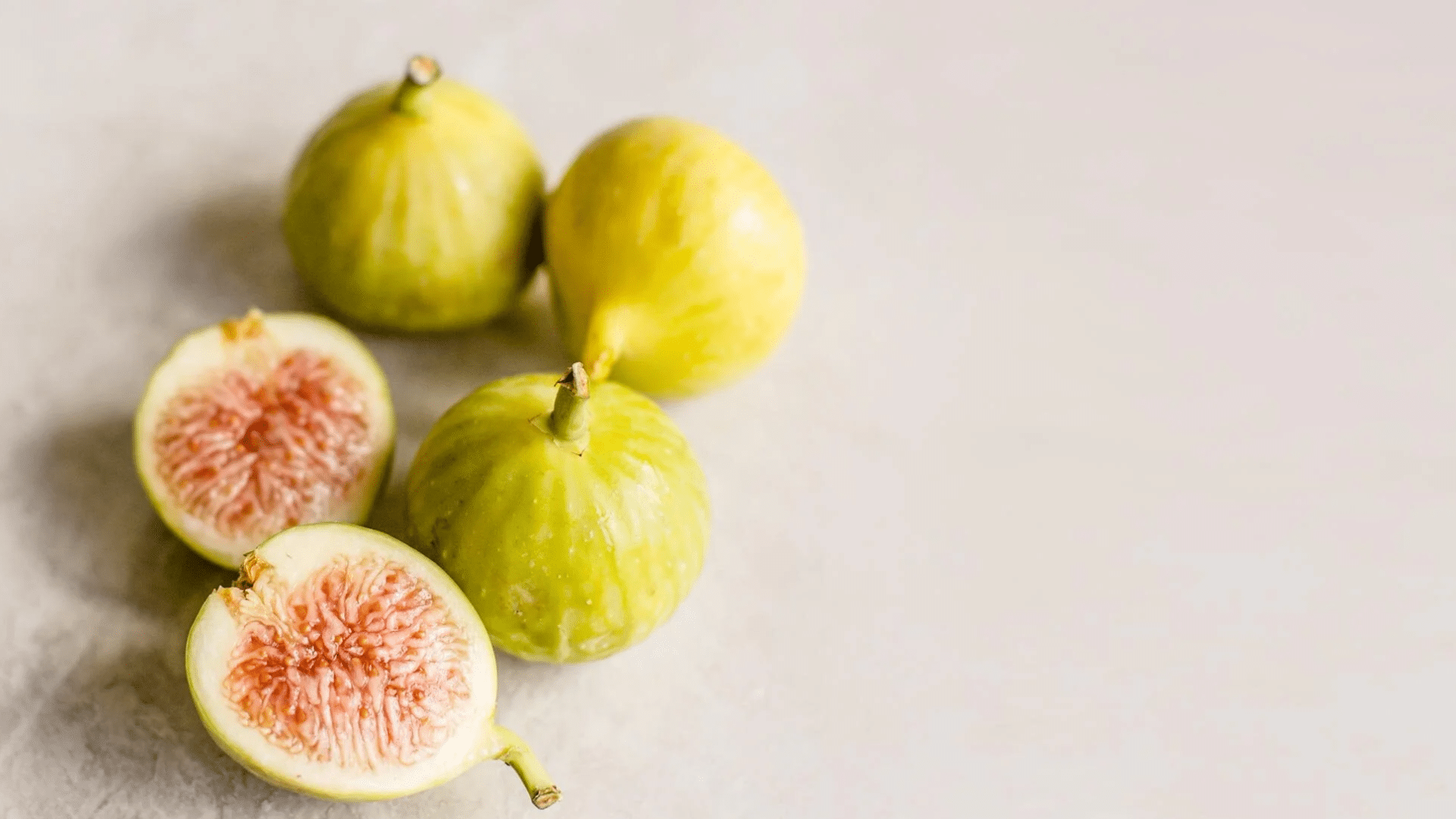
Kadota figs are green-skinned with a lighter taste and a firmer bite. You’ll see them often in preserves, since they handle heat well and keep their shape nicely each time.
Color group: Kadota figs belong to the green fig group. Their skin stays green even when ripe, with pale flesh inside.
Sweetness level: These figs have a mild sweetness. The flavor is lighter compared to dark figs.
Best uses: Kadota figs are often used for cooking, canning, and preserving. Their lower moisture level works well for processing. Some people eat them fresh, but they are more common in cooked forms.
Growing notes: They grow on common fig trees and do not need pollination. Kadota figs prefer warm weather and steady sunlight. They are often grown for large harvests rather than fresh-market use.
Texture or skin traits: The skin is smooth and slightly thick. The flesh is firm with fewer juices, which helps the fig keep its shape during cooking.
4. Adriatic Figs
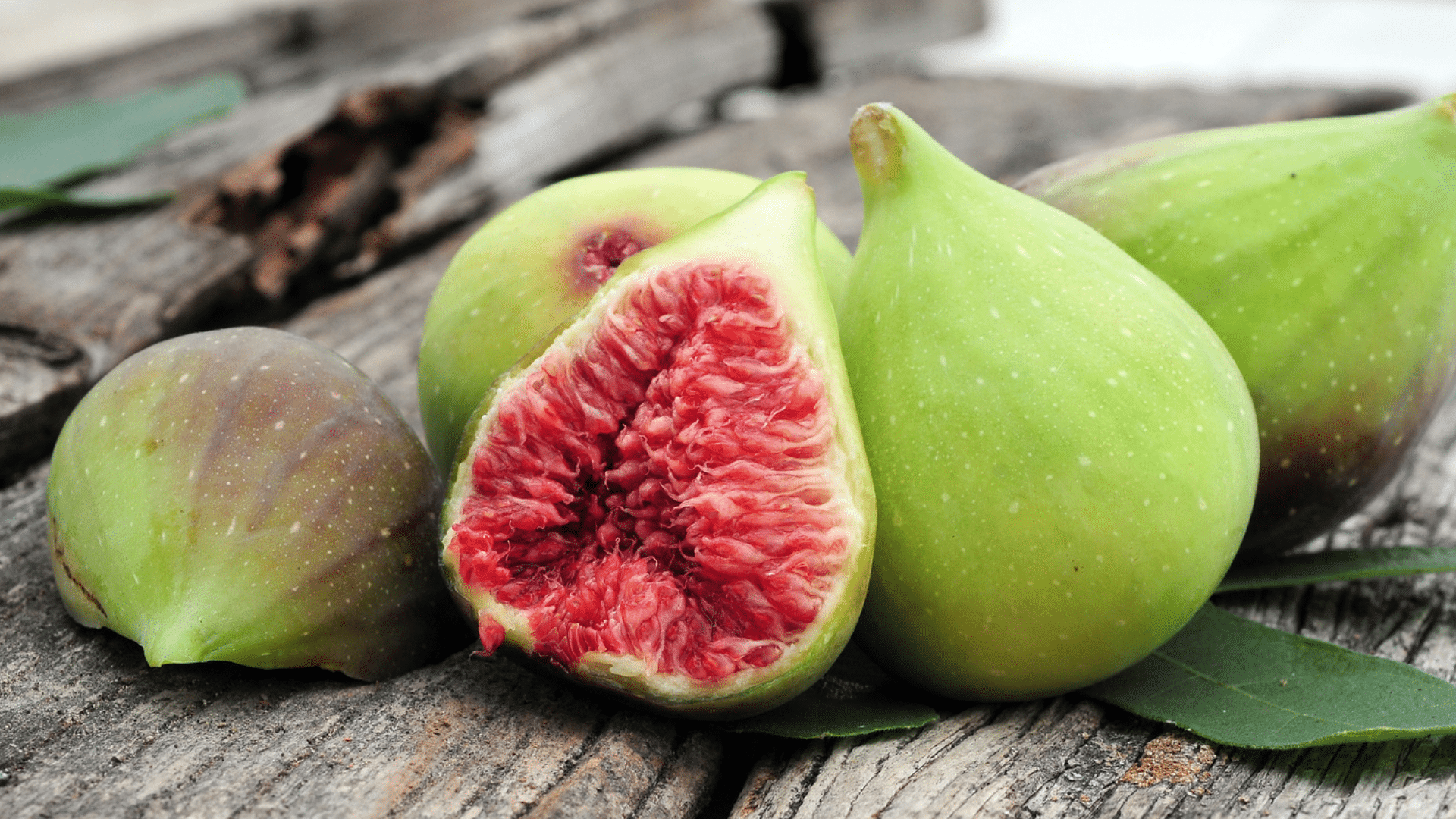
Adriatic figs show light green skin and bright pink flesh inside. They taste sweet and soft, so you can eat them fresh or add them to desserts easily at home.
Color group: Adriatic figs belong to the green fig group. The outer skin stays light green even when the fruit is ripe, while the inside turns a bright pink shade.
Sweetness level: These figs are known for a high sweetness level. The sugar taste is clear but smooth, not sharp.
Best uses: Adriatic figs are often eaten fresh because the inside stays soft and juicy. They also work well in desserts like cakes, tarts, and fillings. The pink flesh keeps its color when lightly cooked, which helps in baked dishes.
Growing notes: This variety grows on common fig trees and does not need pollination. It prefers warm weather and steady sunlight. Adriatic figs are often grown in regions with long summers and mild winters.
Texture or skin traits: The skin is thin and easy to bite through. Inside, the flesh feels soft with fine seeds spread evenly. The texture stays smooth rather than grainy, which makes it pleasant for fresh use.
5. Calimyrna Figs
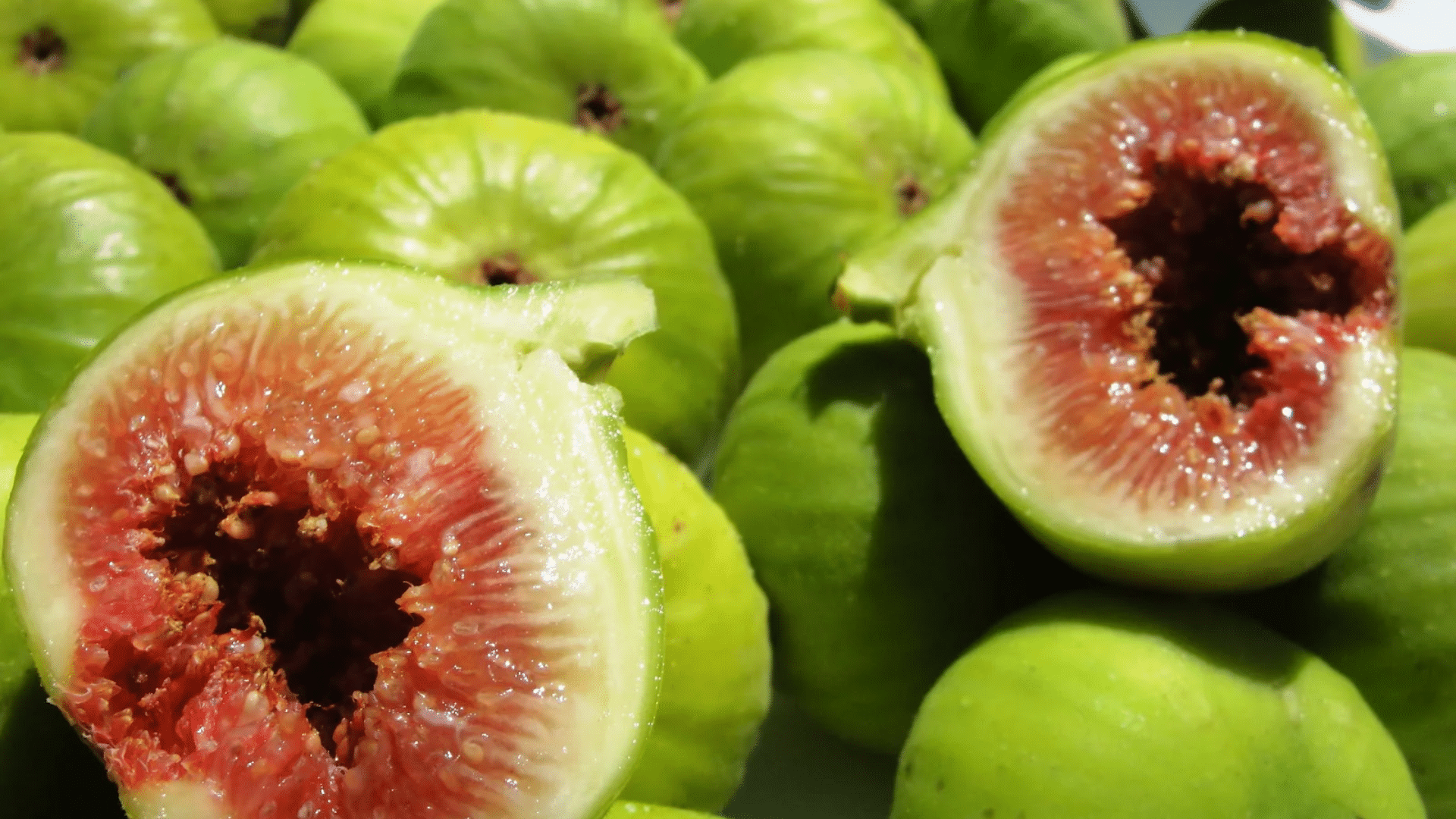
Calimyrna figs are large, yellow-green fruits with a nut-like sweet note. They dry well, so you’ll often find them as chewy snacks or baking add-ins year-round in many stores today.
Color group: Calimyrna figs fall into the yellow-green fig group. Their skin lightens as the fruit matures.
Sweetness level: They have a strong sweetness with a nut-like note. The sugar becomes more noticeable after drying.
Best uses: This fig is widely used for drying. The flavor becomes deeper once moisture is removed. Calimyrna figs are also used in baked goods, snacks, and packaged dried fruit products.
Growing notes: Calimyrna figs grow on Smyrna-type fig trees, which require pollination. Because of this, they are mostly grown in farming areas rather than small home gardens.
Texture or skin traits: The skin is thicker than that of many figs, which helps protect the fruit during drying. Inside, the flesh is dense with a firm bite. The seeds add texture without being hard.
6. Alma Figs
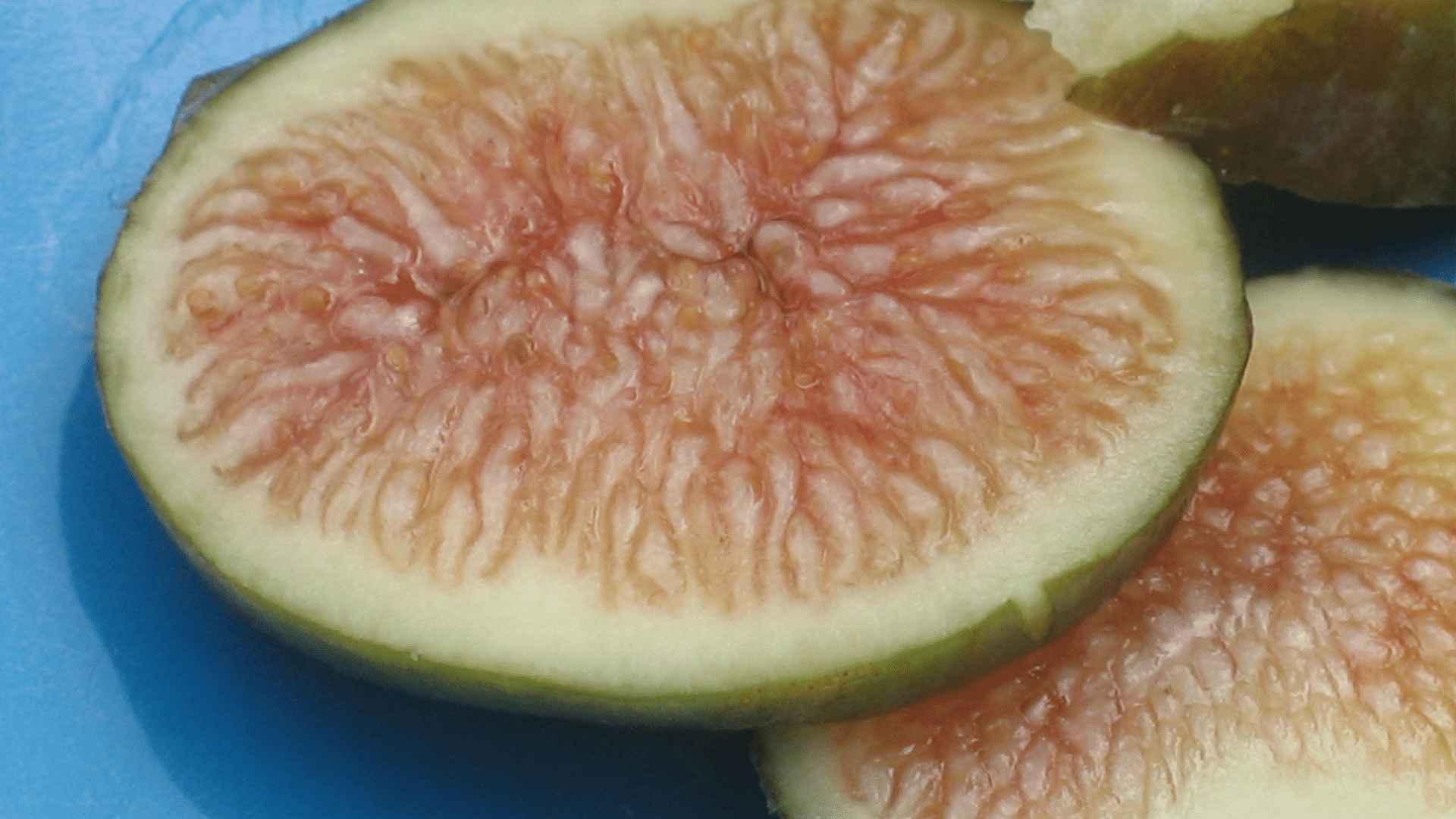
Alma figs are pale and thick-skinned, with strong sweetness suited to fresh eating. If you like a soft, smooth center and steady harvests, this type fits well for you, too.
Color group: Alma figs sit in the light brown fig group, with skin that stays pale even when ripe.
Sweetness level: They are very sweet, often compared to honey-like flavors.
Best uses: Alma figs are best eaten fresh. Their sweetness stands out without cooking. Some people also use them in simple desserts where little sugar is needed.
Growing notes: This variety grows on common fig trees and does not need pollination. It handles heat well and is often grown in warm regions. Alma figs are known for steady fruit production.
Texture or skin traits: The skin is thick and helps prevent splitting. The inside flesh is soft and smooth, with a rich feel that holds together when sliced.
7. Celeste Figs
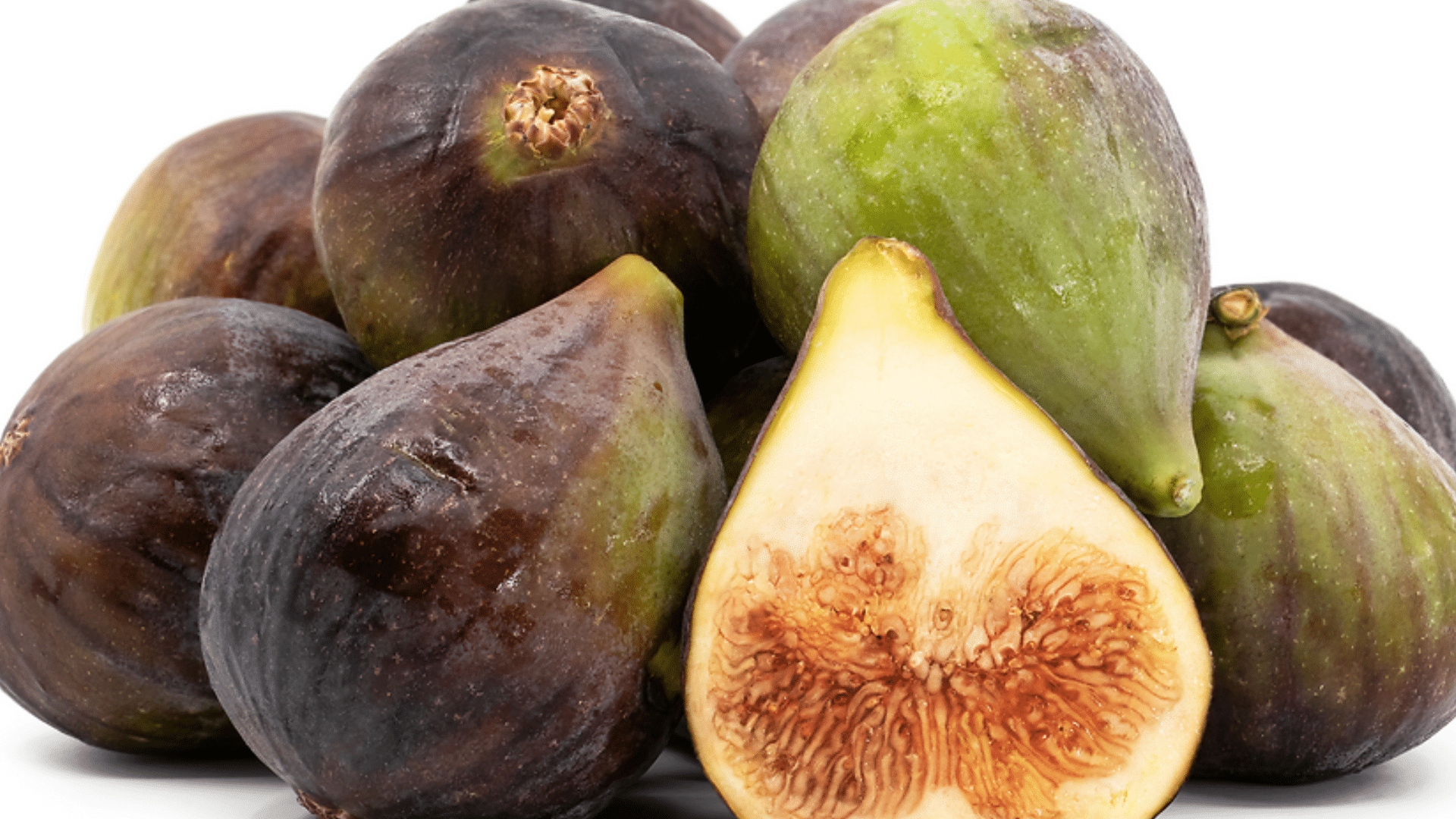
Celeste figs are small, purple fruits that ripen with a very sweet flavor. They handle cooler areas better than many types and make quick snacks when you want one outdoors, too.
Color group: Celeste figs belong to the purple fig group. The skin darkens as the fruit ripens.
Sweetness level: Despite their small size, these figs are very sweet.
Best uses: Celeste figs are mostly eaten fresh. Their small size makes them easy to snack on. They can also be added to simple baked dishes.
Growing notes: This fig grows on common fig trees and handles cooler weather better than wide varieties. It is often grown in areas with shorter summers.
Texture or skin traits: The skin is thin and tender. The flesh is soft with fine seeds. The texture stays smooth and does not feel watery.
8. Chicago Hardy Figs
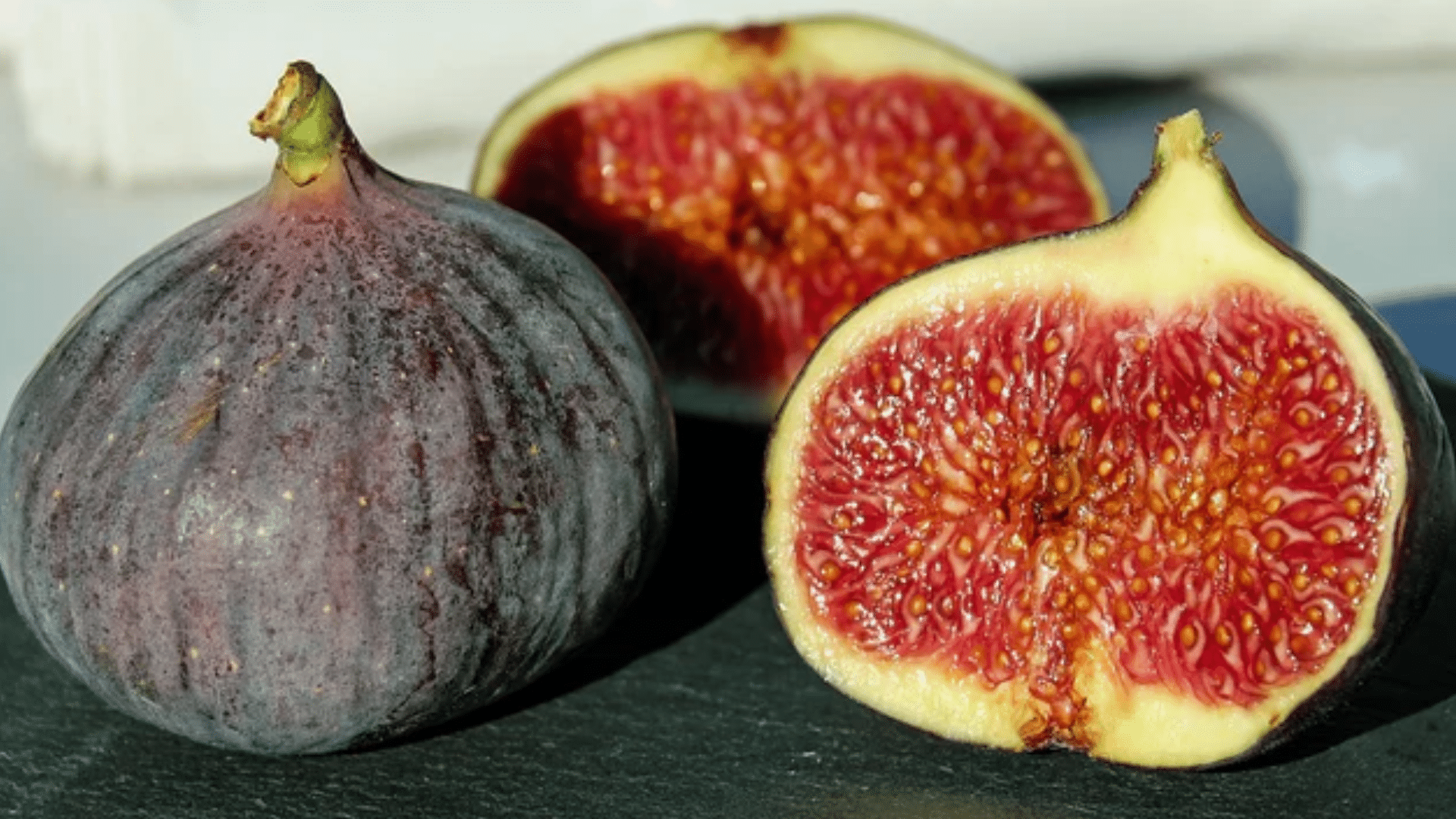
Chicago Hardy figs are dark and sweet, yet better suited to colder weather than other types. You can grow them at home and get fruit in short seasons each year.
Color group: Chicago Hardy figs fall into the dark fig group, with deep purple to black skin.
Sweetness level: They have a solid sweetness that becomes stronger when fully ripe.
Best uses: These figs work well for fresh eating and light cooking. They also freeze well for later use.
Growing notes: This variety is known for handling cold climates. It grows on common fig trees and does not need pollination. Many people grow it in home gardens.
Texture or skin traits: The skin is firm but not tough. Inside, the flesh is soft with a balanced moisture level that keeps the fig from becoming mushy.
9. Tiger Figs (Panachée)
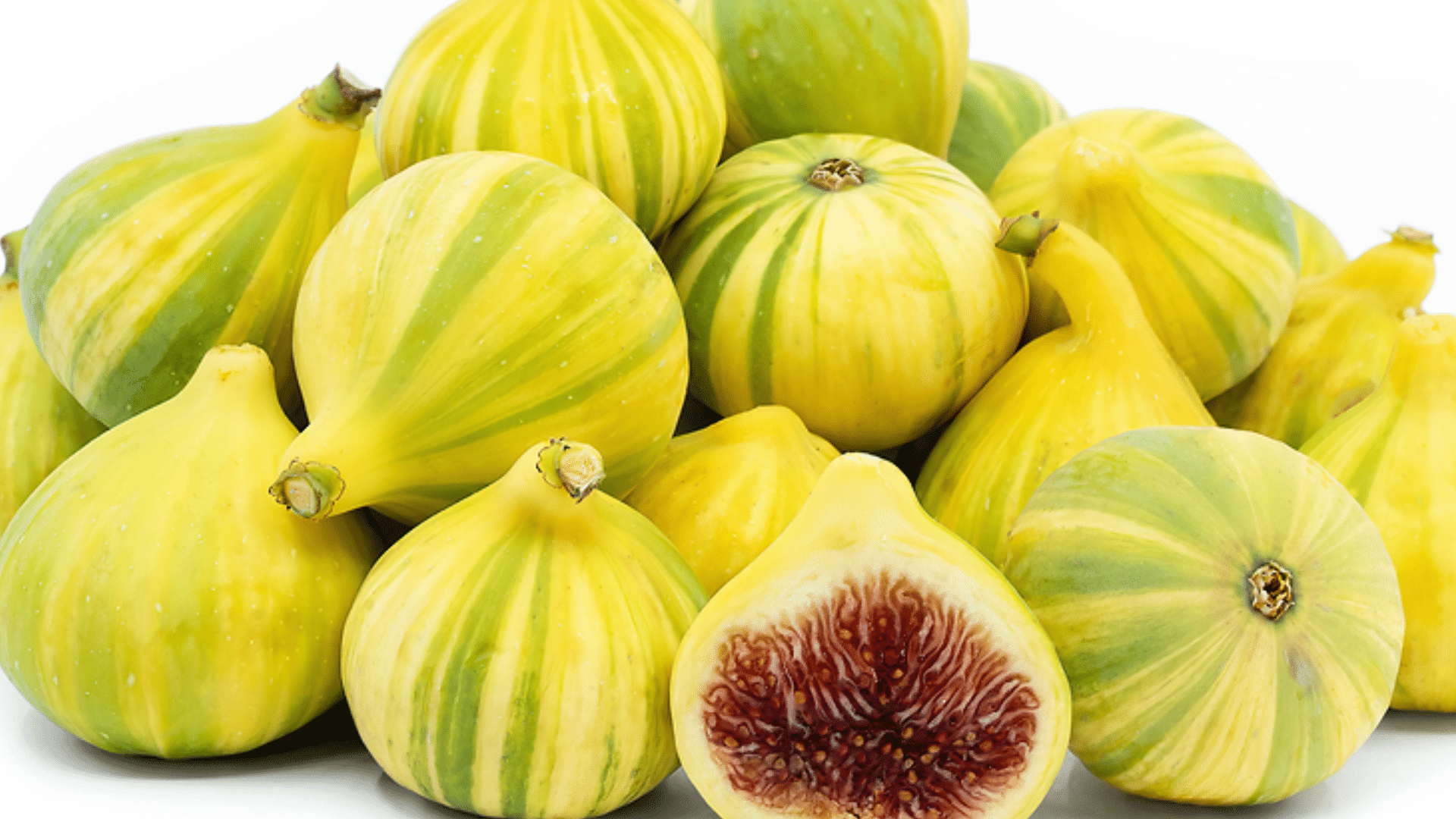
Tiger figs have striped green and yellow skin that stands out on the tree. Their sweetness is mild, and the soft center is best eaten fresh, not dried at all.
Color group: Tiger figs are easy to spot due to their green and yellow striped skin.
Sweetness level: They have a mild sweetness compared to dark figs.
Best uses: These figs are mainly eaten fresh. Their look makes them popular for serving whole or sliced. They are not often used for drying.
Growing notes: Tiger figs grow on common fig trees and do not need pollination. They prefer warm weather and steady care.
Texture or skin traits: The skin is thin and smooth. The flesh is soft and light, with a gentle bite and low firmness.
10. White Adriatic Figs

White Adriatic figs have pale green skin and a sweet, gentle taste. You can eat them fresh or dry them when ripe, based on how you plan to store them.
Color group: White Adriatic figs belong to the pale green fig group.
Sweetness level: They offer a sweet taste that is clear but not heavy.
Best uses: You can eat them fresh or dry them. The flavor stays pleasant in both forms, which makes them flexible for home use.
Growing notes: This fig grows on common fig trees and does not need pollination. It prefers warm climates and long growing seasons.
Texture or skin traits: The skin is thin and light. Inside, the flesh stays soft with a smooth feel and evenly spaced seeds.
11. Desert King Figs

Desert King figs have green skin and a red center, with mild sweetness. They are known for harvests, which helps if your season is short or cool where you live.
Color group: Desert King figs fall into the green fig group. The outer skin stays green, while the inside shows a deep red, strawberry-like color.
Sweetness level: These figs have a mild sweetness. The flavor is gentle and not overpowering, even when fully ripe.
Best uses: Desert King figs are best eaten fresh. Their mild taste works well on its own or with simple foods like yogurt or bread. They are not commonly dried due to their moisture level.
Growing notes: This variety grows on San Pedro fig trees. It produces an early crop without pollination, which makes it useful in cooler regions with shorter seasons. The early harvest helps avoid late-season weather issues.
Texture or skin traits: The skin is smooth and thin. Inside, the flesh is soft and juicy, with a tender bite. The moisture level is higher than that of many figs, which is why fresh use works best.
12. Violette de Bordeaux Figs
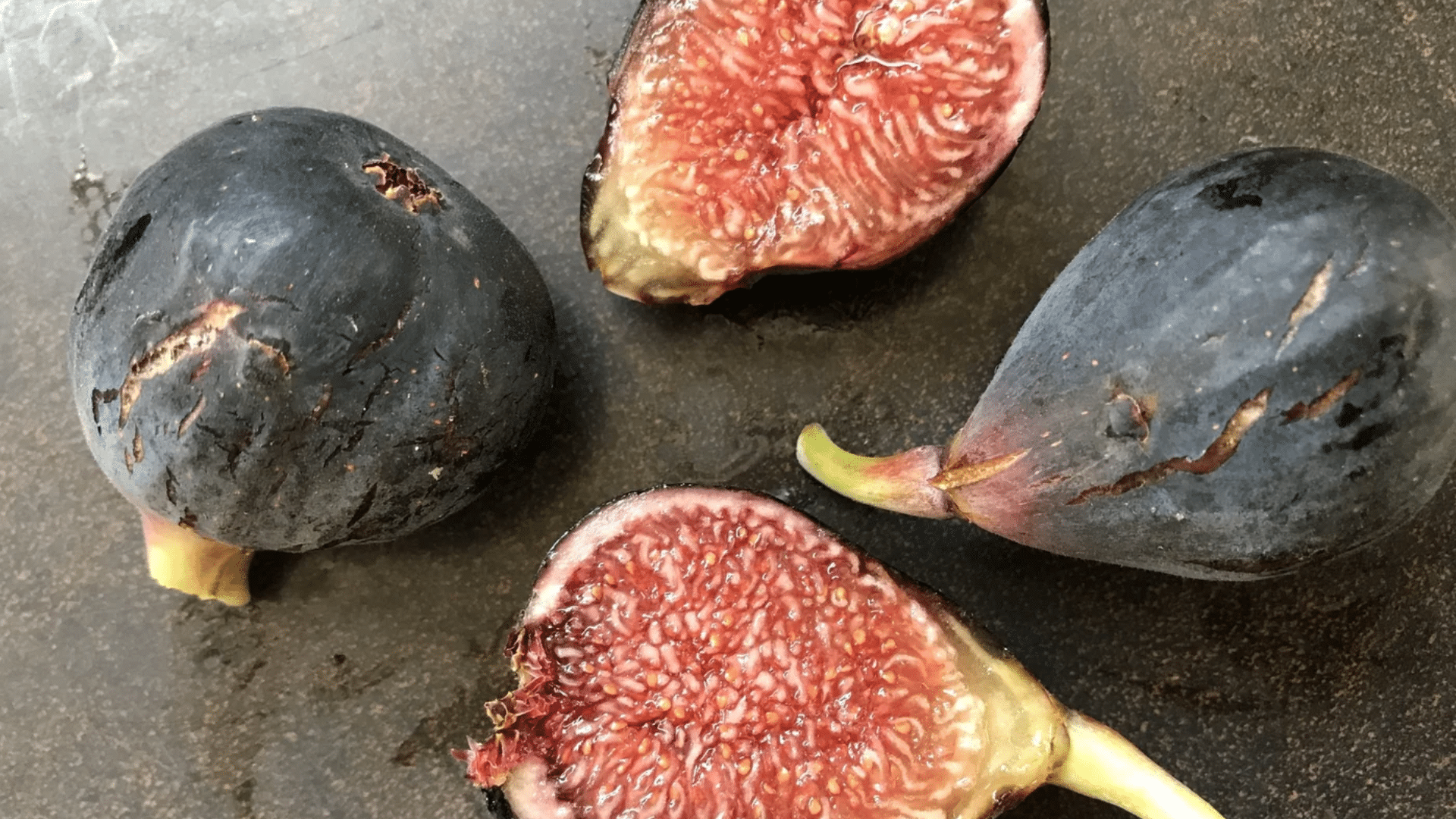
Violette de Bordeaux figs are small, dark purple fruits with rich sweetness. They suit container growing, so you can keep a tree near home and harvest well in season too.
Color group: Violette de Bordeaux figs fall into the dark fig group. The skin turns a deep purple as the fruit ripens, while the inside shows a dark red center.
Sweetness level: These figs have a rich sweetness that feels strong for their size. The flavor is full even when the fruit is small.
Best uses: Violette de Bordeaux figs are best eaten fresh. Their size makes them easy to eat whole, and the flavor does not need added sugar. They also work well in simple baked dishes where the fig taste needs to stand out without blending away.
Growing notes: This variety grows on common fig trees and does not need pollination. It is often grown in containers because the tree stays compact. This makes it a good choice for patios, small yards, or limited garden space. It prefers warm conditions but can handle mild cold better than some figs.
Texture or skin traits: The skin is thin but firm, which helps protect the fruit. Inside, the flesh is dense and smooth, with small seeds spread evenly. The texture feels rich rather than watery, which allows the fig hold together when sliced.
13. LSU Purple Figs
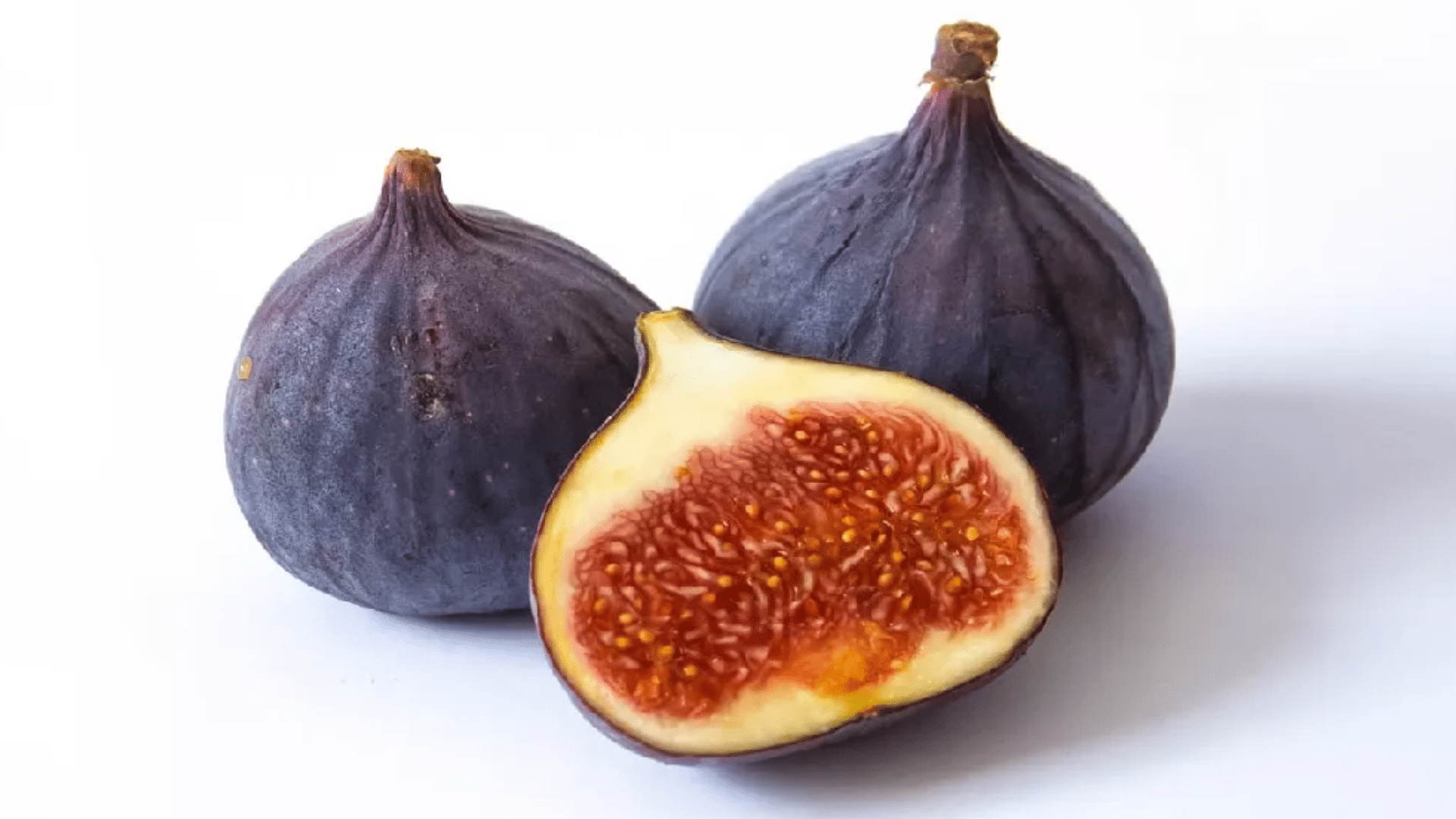
LSU Purple figs were bred for hot conditions and crops. They taste sweet, handle humidity, and work for fresh eating or cooking when you want a dependable yield each year.
Color group: LSU Purple figs belong to the purple fig group. The skin deepens in color as the fruit matures.
Sweetness level: These figs have a sweet flavor that stays balanced. The sweetness is clear without feeling heavy.
Best uses: LSU Purple figs work well for fresh eating and cooked dishes. The flavor remains steady when baked or warmed, which makes them useful for both sweet and savory recipes.
Growing notes: This fig was developed for warm climates. It grows on common fig trees and does not need pollination. LSU Purple figs handle heat and humidity better than many other types, which makes them suitable for hot regions with long summers.
Texture or skin traits: The skin is medium-thick and helps protect the fruit during growth. Inside, the flesh is soft with moderate moisture. The fig keeps its shape well, which helps during cooking or slicing.
14. LSU Gold Figs
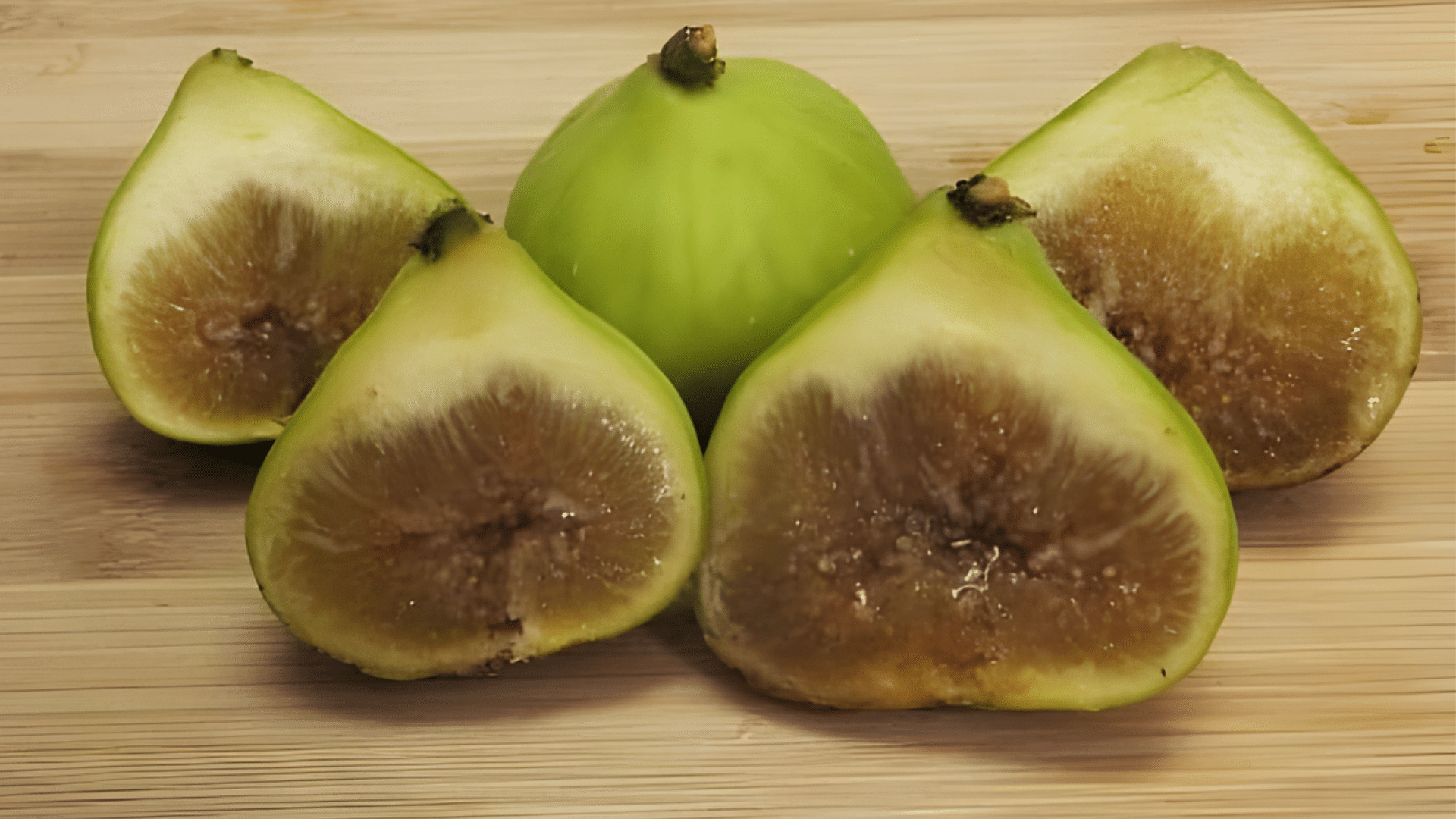
LSU Gold figs are golden yellow with mild sweetness and a soft bite. If you prefer a lighter fig for snacking, this variety fits well in warm regions for you.
Color group: LSU Gold figs fall into the yellow fig group. The skin turns golden as the fruit ripens, and the inside stays light with a warm tone.
Sweetness level: This variety has mild sweetness. You get a gentle sugar taste that does not feel heavy, even when the fig is fully ripe.
Best uses: LSU Gold figs are best for fresh eating. You can slice them into breakfast bowls, serve them with simple snacks, or eat them as-is. Because the flavor is lighter, they also pair well with savory foods without taking over the taste.
Growing notes: This fig grows on common fig trees and does not need pollination. It was developed for warm regions, so it handles heat well. If you live in a hot area with long summers, you can often get steady fruit production. Regular watering during dry stretches helps keep the fruit from shrinking or dropping early.
Texture or skin traits: The skin is thin and tender, so the fruit bruises more easily than thick-skinned types. The inside flesh is soft and smooth, with fine seeds that add gentle texture. Since the fruit is delicate, it tastes best soon after picking or buying.
15. Kadota White Figs
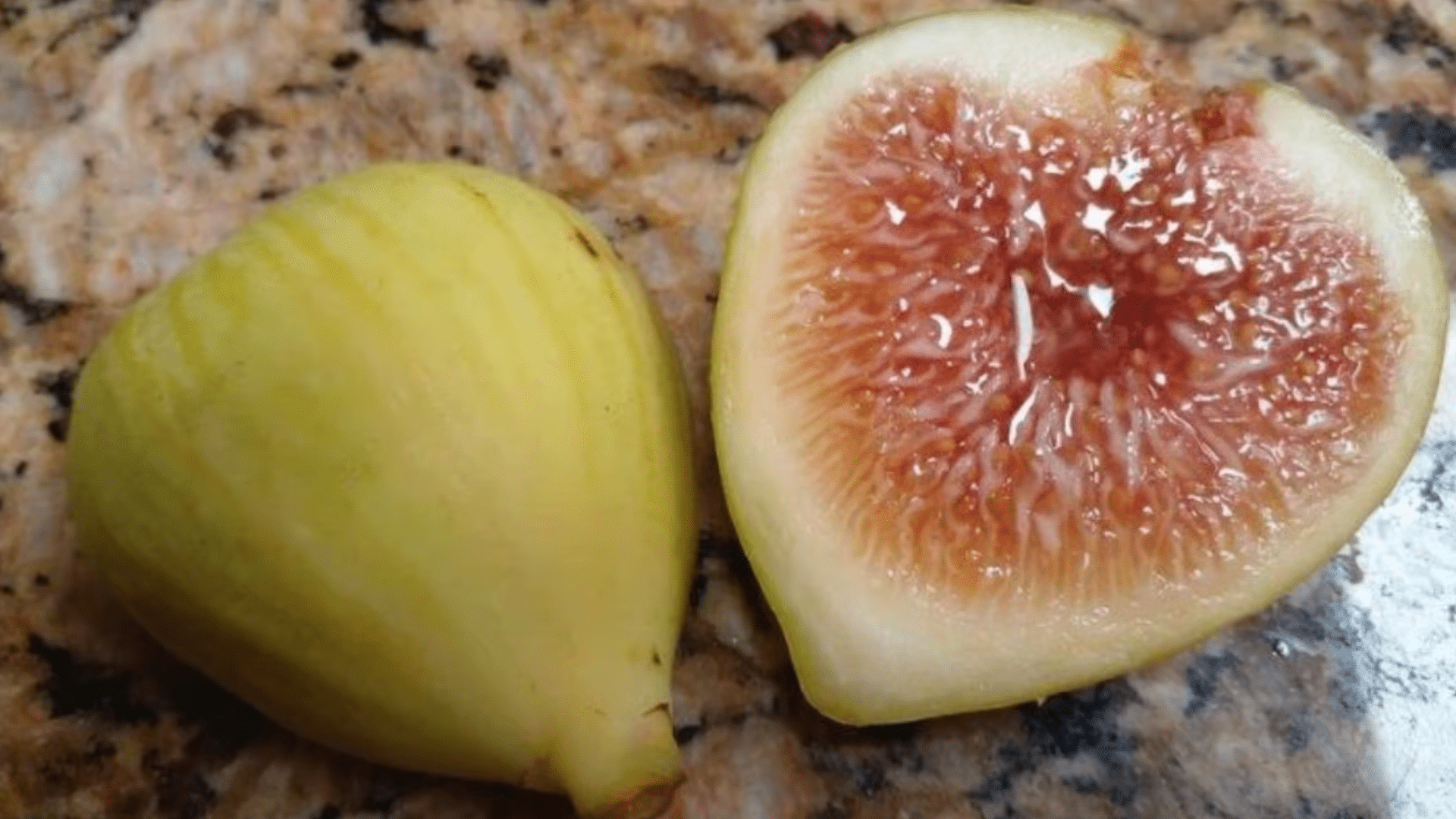
Kadota White figs are pale green to yellow and taste mild with low acidity. They are often dried or processed, since their firmer flesh holds up in storage over time.
Color group: Kadota White figs fit the light green to yellow fig group. The skin stays pale as it ripens, and the inside is light and clean in color.
Sweetness level: The sweetness is mild, and the taste is calm. Low acidity keeps the flavor smooth rather than sharp.
Best uses: This variety is often used for drying and processing. Drying makes the sweetness stand out more. Kadota White figs also work well in preserves because the flavor stays steady and does not clash with spices.
Growing notes: Kadota White figs grow on common fig trees and do not need pollination. They do best in warm weather with consistent sun. The tree can produce well once established, so it is often grown for larger harvests rather than small batches.
Texture or skin traits: The skin is thicker and smoother than that of many green figs. The inside flesh is firm with lower moisture, which helps it hold shape during drying and storage.
16. Brunswick Figs
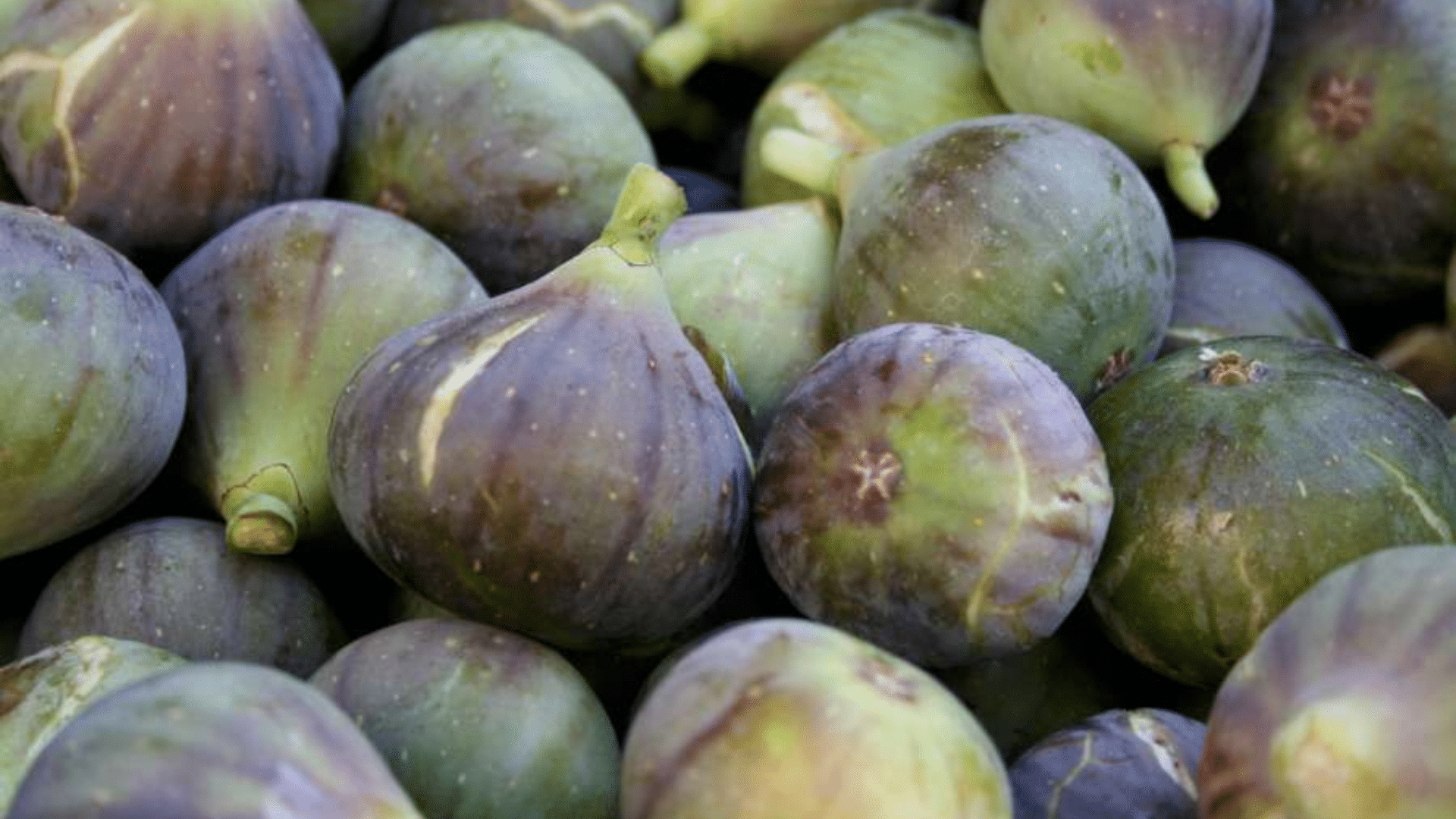
Brunswick figs are large, greenish fruits with balanced sweetness and early ripening. They suit fresh eating and baking, especially when you want slices that hold together well for you today.
Color group: Brunswick figs fall into the greenish fig group. The skin stays light green to yellow-green, and the inside becomes darker as it ripens.
Sweetness level: They have a sweet flavor that feels balanced. You get enough sugar taste for fresh eating, without an overpowering finish.
Best uses: Brunswick figs work well fresh and in cooked dishes. Their large size makes them easy to slice for baking, and the flavor holds up in warm recipes. They also work in jams when you want a fuller fruit base.
Growing notes: This variety grows on common fig trees and does not need pollination. It ripens early, which helps if your season is shorter or if late rains are common. The tree can handle heat, but steady watering helps fruit size and texture.
Texture or skin traits: The skin is thick and durable, which helps during handling. The flesh is dense and holds together well, so it stays less mushy than many soft figs.
17. Strawberry Verte Figs
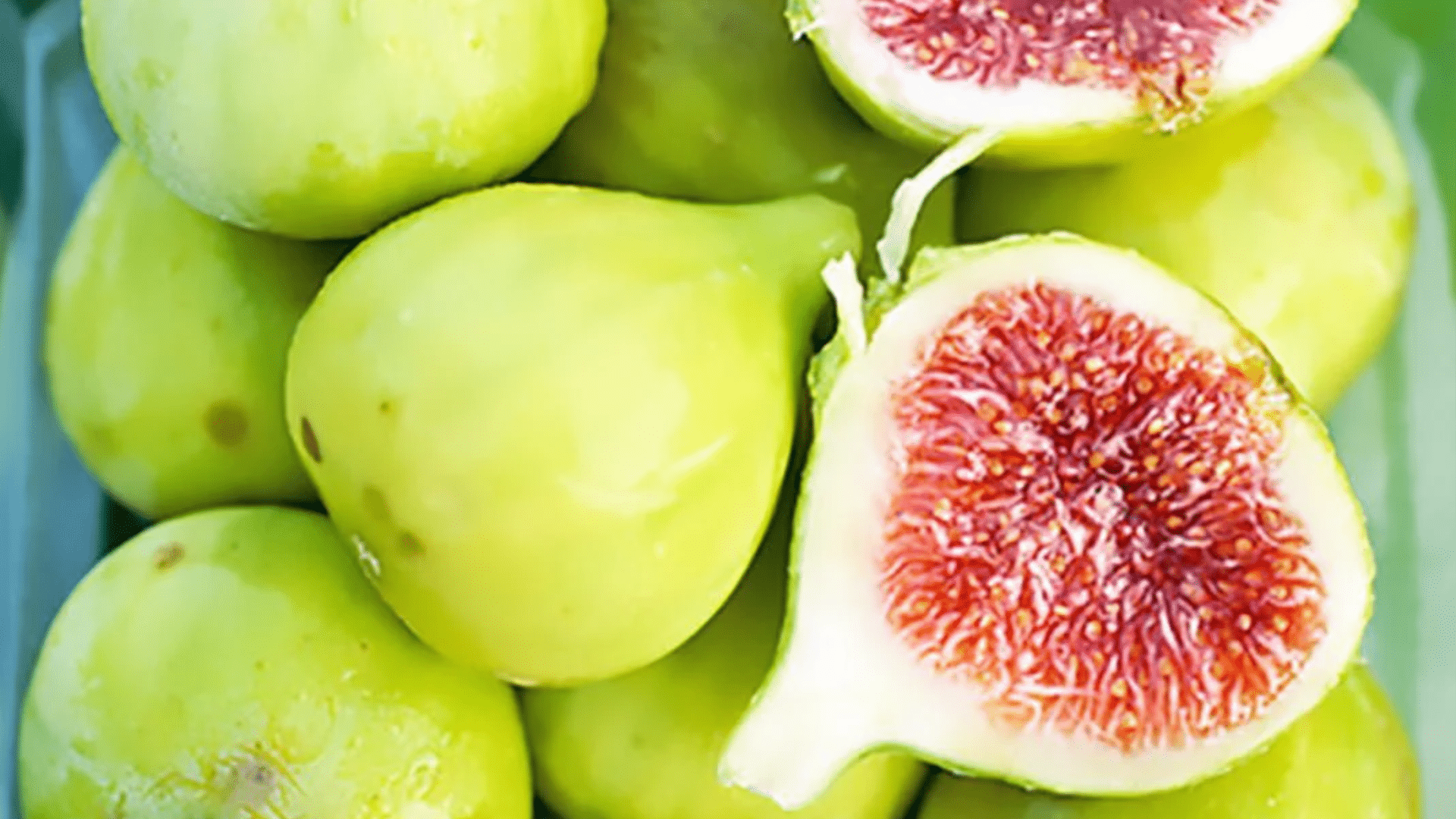
Strawberry Verte figs keep a green skin while the inside turns red and sweet. They are best fresh, with a center that looks nice when sliced for serving at home.
Color group: Strawberry Verte figs belong to the green fig group. The outer skin stays green, while the inside turns red as the fruit matures.
Sweetness level: This variety is sweet, with light berry-like notes. The sweetness feels bright rather than heavy.
Best uses: Strawberry Verte figs are best eaten fresh. The color contrast looks good when sliced, so they work well on snack plates or simple desserts. Because the flesh is moist, drying is not the most common use.
Growing notes: This fig grows on common fig trees and does not need pollination. It prefers warm weather and steady sun. If your area has mild winters, the tree can produce reliably once established.
Texture or skin traits: The skin is thin and smooth. The inside flesh is soft and juicy, with fine seeds that add gentle texture. Since the fruit is tender, careful handling helps avoid bruising.
How to Choose the Right Type of Fig
Choosing the right fig depends on how it tastes to you, how you plan to use it, and where you live.
- Based on taste preference: If you like strong sweetness, choose dark figs. If you prefer a lighter flavor, green or yellow figs work better.
- Based on intended use: Soft figs work best fresh. Thicker skin and firmer flesh suit cooking, drying, or making preserves.
- Based on climate: Warm areas support more fig types. Cooler regions need cold-tolerant varieties that ripen earlier in the season.
- Based on availability: Fresh figs are seasonal. Dried figs offer more choice year-round when fresh options are limited.
Conclusion
We’ve covered the main differences between fig varieties, from color and sweetness to texture, growing needs, and everyday uses.
Once you see how these details connect, choosing the right option feels much easier. The real value of knowing the types of figs comes down to matching the fruit with how you plan to eat or use it.
I always suggest starting with taste first, then thinking about climate and availability. That small step can make a big difference.
Which fig type fits your kitchen or garden best right now? If you want more helpful breakdowns like this, take a look at the other blogs here and keep building your confidence with food choices that actually work for you.