I remember buying my first Calandiva plant from a small shop near my old place. It looked easy enough to care for, but I still wondered if I could keep it healthy.
Maybe you’ve felt the same way after bringing one home. I didn’t always feel confident with plants, so I know how it feels to want clear steps instead of complicated advice.
My goal here is to keep things simple and help you understand what really matters for daily care. By the time you finish reading, the Calandiva plant should feel easier to handle in your home.
Let’s take it one part at a time and keep it manageable.
What is a Calandiva Plant?
A Calandiva is a small, compact houseplant that makes clusters of tiny, rose-like flowers. The blooms can stay colorful for weeks, so you get a long show without much work.
Calandiva is a bred variety of Kalanchoe blossfeldiana. It was developed to produce double flowers, with more petals and a fuller look than the common kalanchoe bloom.
How is it different from a standard Kalanchoe
- More petals: flowers look layered and “full,” not just four petals.
- Dense flower heads: blooms grow in tight clusters.
- Stays compact with good light: bright light helps prevent leggy, stretched growth.
Why do people like it
- It stays small, so it fits well on shelves and windowsills.
- It’s a succulent, so it does not need frequent watering.
- With bright light and watering only after the soil dries, it grows steadily and blooms well.
Calandiva Plant Benefits and Best Uses
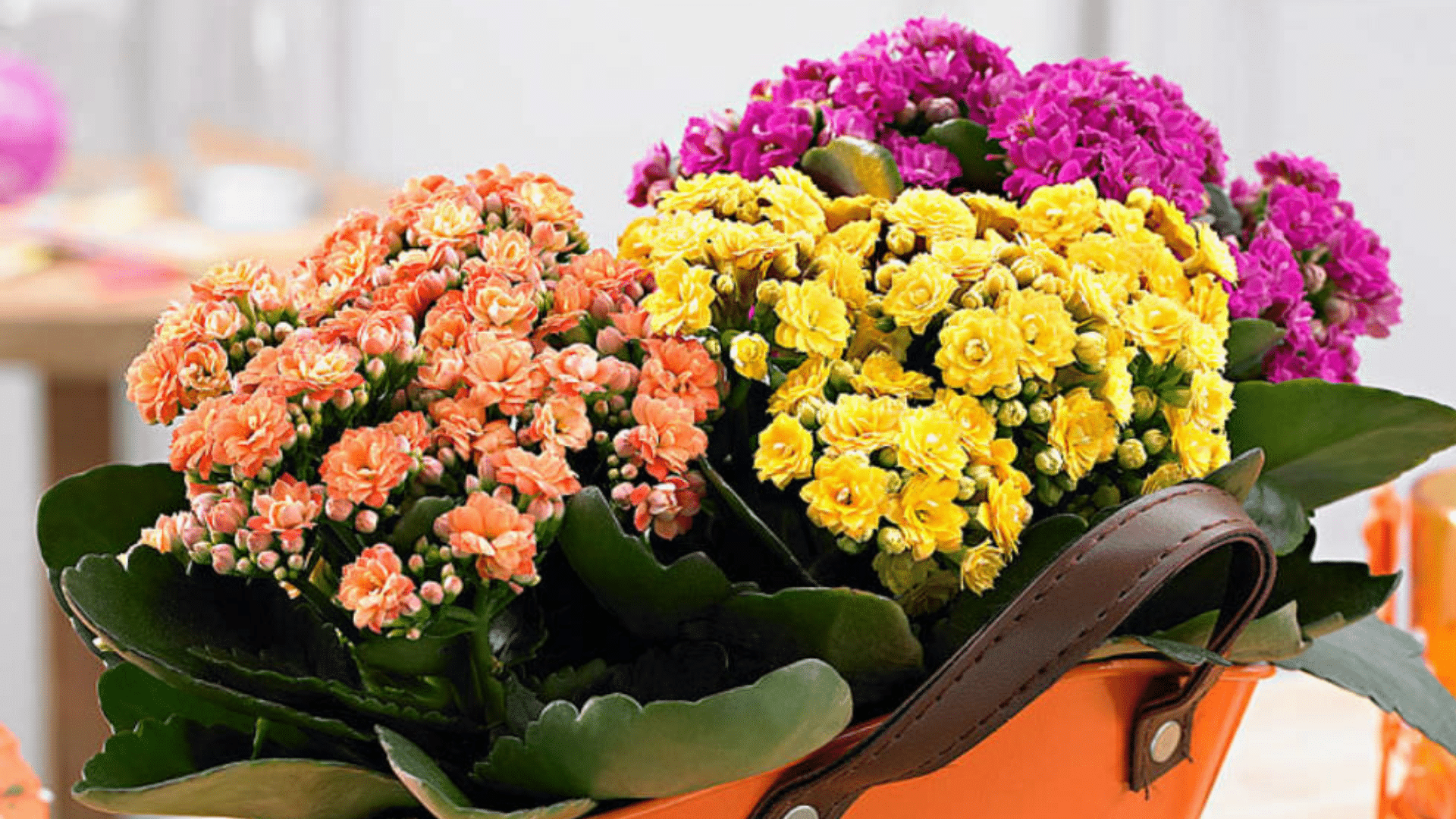
This plant gives steady color, simple care, and easy indoor placement, making it a good choice for small spaces and busy routines.
Benefits
These points explain why the plant works well for everyday indoor care and how it brings color without adding extra tasks.
- Long bloom time: The flowers stay bright for many weeks, giving you steady color across seasons without needing constant care or frequent attention.
- Low care needs: You only water when the soil dries, which suits busy days and keeps the plant steady with very little effort.
- Compact growth: Its small size fits shelves, desks, and windowsills easily, creating simple indoor color without needing large spaces or complex care routines.
Best Uses
These points show where the plant fits best indoors and how it adds steady color without taking up much room.
- Indoor accents: Works well on end tables, counters, and home office spots where you want bright color with simple weekly care.
- Gifts: The long-lasting flowers and easy routine make it a friendly plant to give for homes, offices, or small indoor corners.
- Grouped displays: Placing several plants together builds a bright indoor cluster that stays neat and easy to manage with light weekly care.
Calandiva Plant Care Basics
I’ll give you clear steps for light, water, soil, and feeding so your plant stays healthy indoors with steady growth.
Light Needs
Your plant grows best in bright, indirect light that stays steady through the day. A south or east window works well, as it gives enough sun without harsh rays.
To prevent stretched stems, keep the plant close to the light source and rotate it every few days for even growth. Too little light leads to thin stems and faded leaves, while too much sun can cause dry leaf edges or pale spots.
Aim for balanced indoor light to keep the plant firm and full.
Watering Requirements
Water only when the top layer of soil feels dry, which helps prevent soggy roots. A weekly check is enough for most homes, though warm seasons may need slightly more attention.
Use your finger to test for dryness before watering. If leaves turn soft or stems look mushy, the soil may be too wet.
Let the plant dry longer, and check that the pot drains well. Clear, steady watering habits help the plant stay firm and active without root problems.
Temperature and Humidity
Your plant prefers indoor temperatures between sixty and eighty degrees, which most homes already provide. Cold drafts can cause slow growth, while strong heat may dry the leaves faster than usual.
Keep it away from vents, heaters, and outdoor chillers to avoid stress. Normal indoor humidity works fine, and the plant does not need extra moisture in the air.
With steady indoor temperatures and simple placement, you help the plant stay active through the year with minimal effort.
Best Soil Mix for Calandiva
Choose a loose mix that drains well, keeps the roots firm, manages moisture safely, and supports steady growth through the year.
- Drainage needs: Pick a loose mix that lets extra water move out quickly so the roots never sit in trapped moisture.
- Potting mixes: A blend for succulents or indoor plants works well because it holds light moisture without becoming packed or heavy.
- Soil changes: Add coarse sand or fine bark to improve airflow if your mix feels tight or holds water too long.
Good soil keeps the roots firm, helps prevent soggy conditions, and supports steady growth throughout the year with simple care steps.
Fertilizing Schedule
Use a light routine that supports steady growth through warm months and keeps the plant healthy without giving more nutrients than it needs.
- How to feed: Use a light dose during the warm months, feeding once a month to help the plant stay active.
- Fertilizer type: A balanced liquid option works well because it spreads evenly through the soil and supports steady leaf and bloom growth.
A gentle feeding routine keeps the plant healthy and prevents buildup that could affect the roots or slow its overall growth.
How to Repot a Calandiva Plant
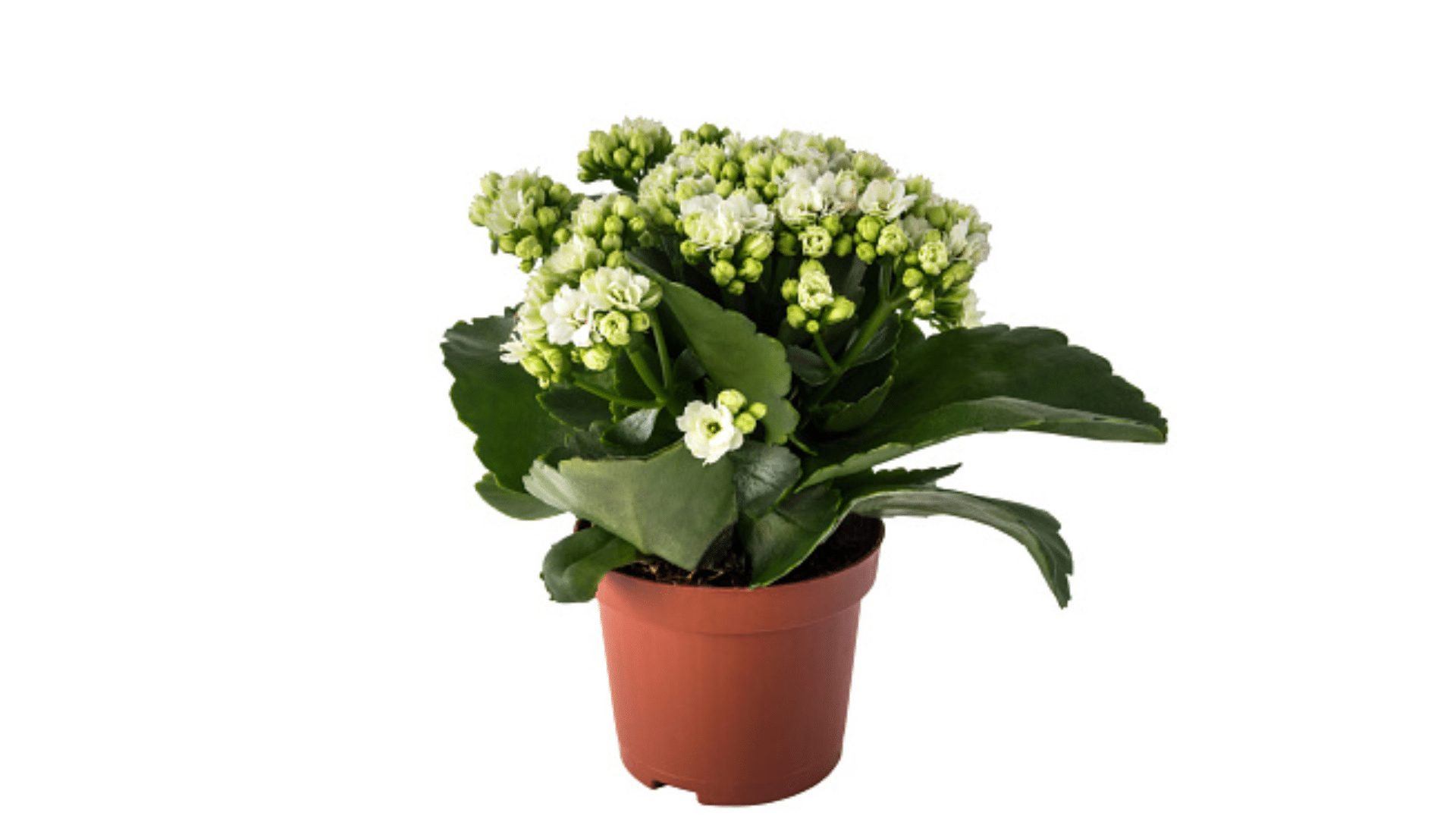
Repotting keeps the roots healthy, gives the plant more space, and helps it grow with steady strength through each season.
Your plant usually needs repotting every one to two years, or when you see roots pressing against the pot edges or growing through the bottom. Pick a pot that’s only one size larger so the soil doesn’t stay wet for too long. Fill it with a loose mix that drains well.
To repot, remove the plant gently, shake off old soil, and place it in the new pot at the same depth. Fill around the roots, press lightly, and water just enough to settle the mix.
Afterward, keep the plant in bright, indirect light and let the soil dry before the next watering. This helps the roots adjust smoothly and prevents stress.
How to Make Your Calandiva Plant Bloom Again
Steady blooms return when the plant gets the right light, rest, trimming, and feeding, along with simple checks that support new growth.
Bright, indirect light is the main driver for repeat blooms, so keep the plant near a sunny window without harsh rays.
A short rest period also helps; reduce water for a few weeks after the first blooms fade so the plant can reset. Light feeding during warm months supports new buds, but avoid heavy doses that may slow growth.
Trim dry flower heads to guide energy back into new blooms. If blooming stops, the usual reasons are low light, heavy watering, or skipped trimming. Fixing these small issues often brings the plant back into a steady bloom cycle.
Pruning and General Maintenance
Light trimming, simple weekly checks, and clean leaves help the plant stay firm, balanced, and healthy through each season with very little effort.
Pruning
These steps help you remove old growth, guide new stems, and keep the plant steady through each season with simple trimming habits.
- Spent flowers: Cut dry clusters close to the stem to direct strength toward new buds and prevent weak, thin growth around the top.
- Plant shaping: Trim long stems to keep the plant even, encourage firm new growth, and maintain a compact form that fits small spaces.
- Seasonal checks: Look for dry leaves, tight roots, or uneven stems, and trim lightly to keep the plant steady through warm and cool months.
General Maintenance
These points help you handle small tasks that support daily health, steady growth, and simple care without adding extra work to your routine.
- Light checks: Rotate the plant each week to keep growth even and prevent thin stems caused by steady leaning toward one direction.
- Water routine: Test soil dryness before watering and keep the pot free of trapped moisture to avoid root stress or weak leaf growth.
- Clean leaves: Wipe dust with a soft cloth every few weeks so the plant can take in steady light and grow without blocked leaf surfaces.
Common Calandiva Problems and Fixes
These points help you spot issues early, understand why they happen, and use simple steps to keep your plant steady indoors.
| Issue | Causes | How to Treat | Prevention |
|---|---|---|---|
| Yellowing Leaves | Soil stays wet too long, weak light, or aging leaves. | Let the soil dry, add brighter light, and trim old growth. | Water the soil when it dries and keep the drainage steady. |
| Droopy or Mushy Stems | Heavy watering or tight, packed soil. | Remove soft stems, dry soil longer, and repot if needed. | Use a loose mix, keep drainage open, and avoid heavy watering. |
| Leaf Drop | Sudden temperature swings, low light, or long dry spells. | Move to a calm spot, add steady light, and water when dry. | Keep the temperature even, avoid drafts, and follow a simple routine. |
| Pests (Mealybugs, Aphids, Spider Mites) | Dry air or weak leaves invite insects. | Wipe with soapy water and rinse weekly until clear. | Check leaves often, clean dust, and avoid long dry soil periods. |
Early attention and steady care stop small issues from growing, helping your plant stay firm, active, and easy to handle each day.
How to Propagate a Calandiva Plant
Use these steps to grow new plants from small cuttings, support early root growth, and help each one settle well indoors.
Step 1: Take Softwood Cuttings in Warm Months
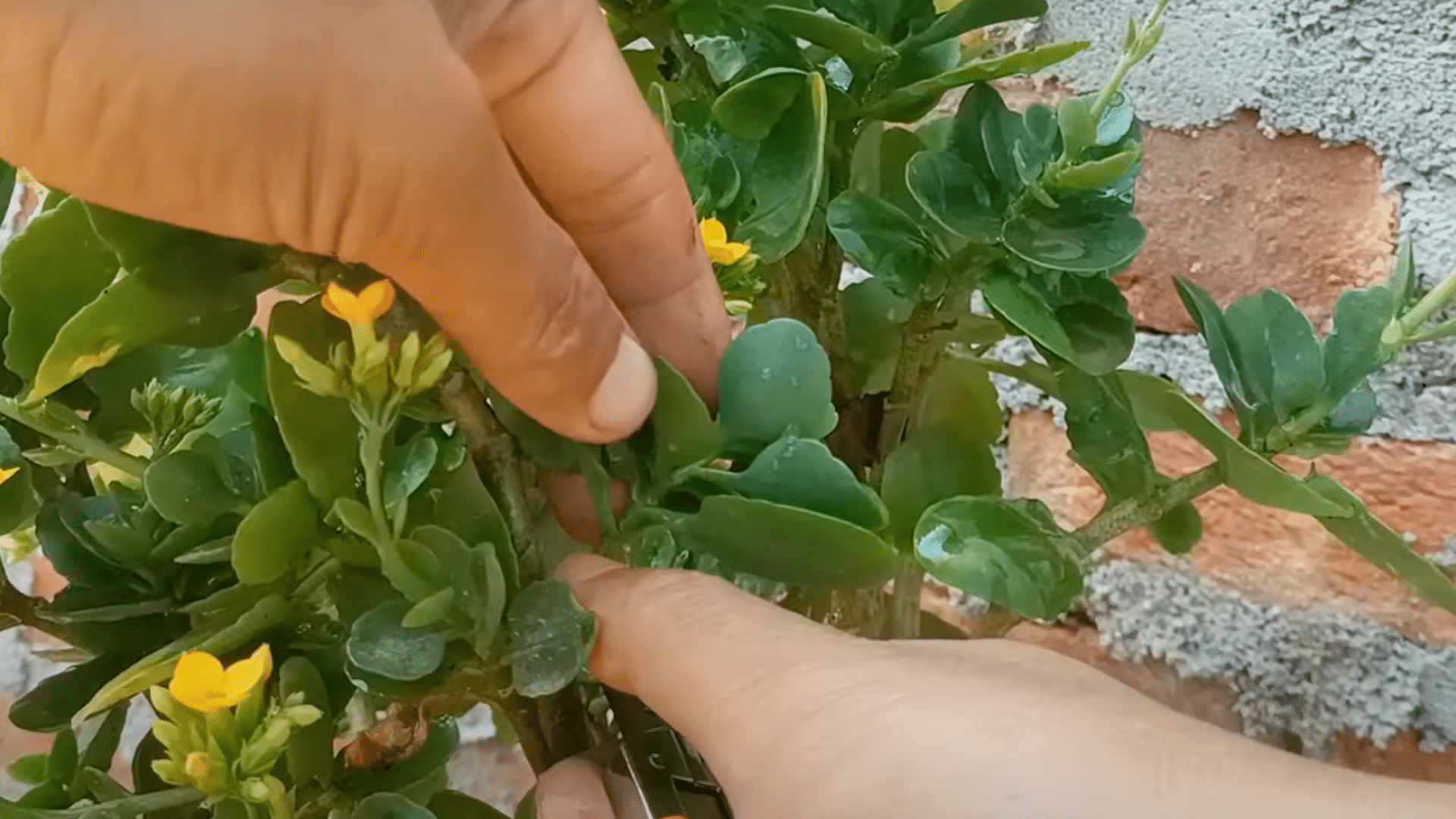
Use spring or summer for the best results, when the plant grows quickly. Pick healthy soft stems from the upper part, around three inches long. Cut just below a node using clean scissors.
Keep a few leaves at the top so the cutting can still support itself. Use the main plant as your mother plant and avoid cutting it too hard in one session. Set the cuttings aside for the next step.
Step 2: Prepare Cuttings Before Planting
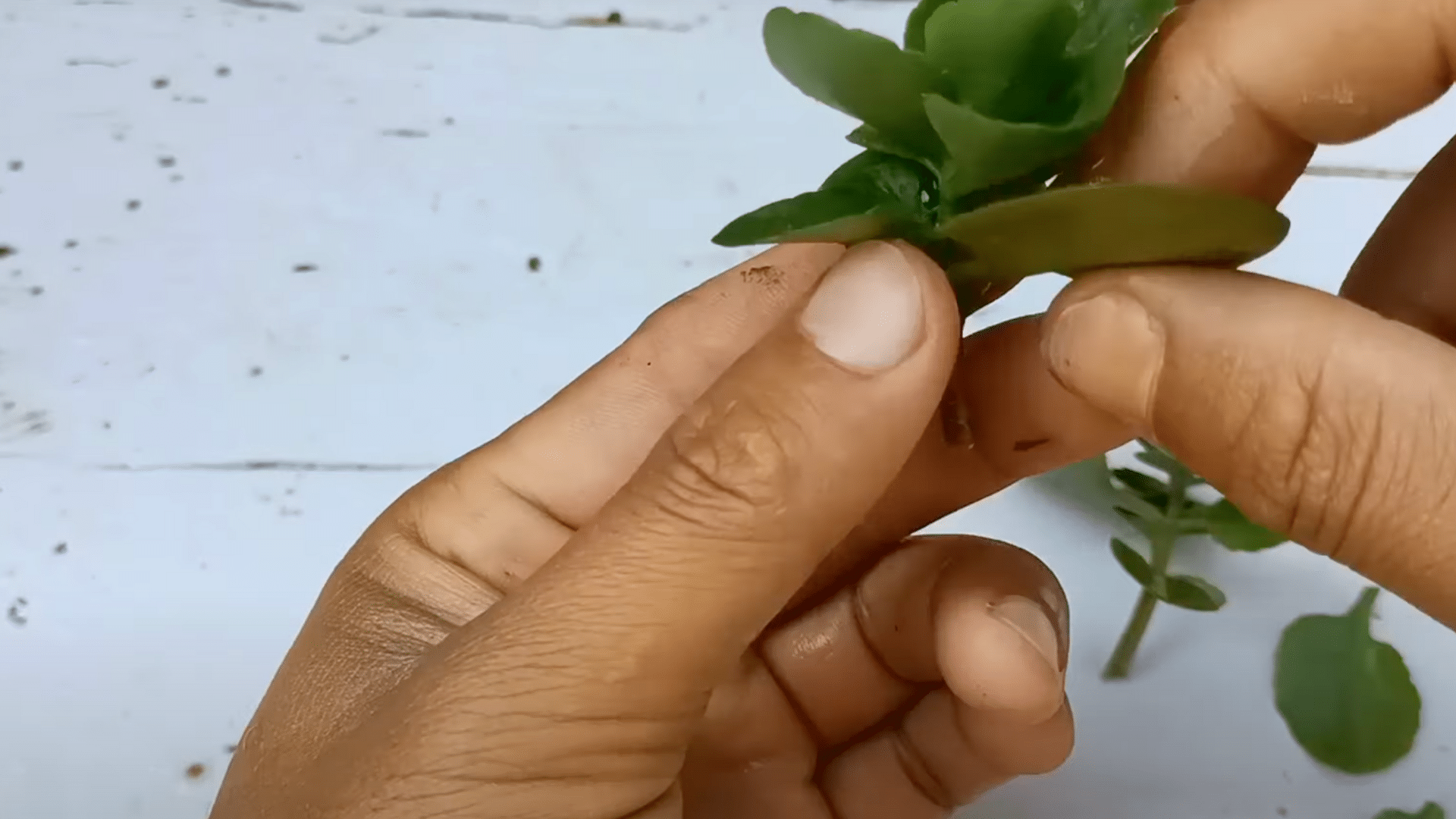
After cutting, remove any extra leaves from the lower part of the stem. This will prevent them from sitting in the soil, which could cause rot. You can pinch off the leaves with your fingers or use clean scissors.
For better rooting, dip the cut end in rooting hormone powder. This helps protect the cutting from fungus and speeds up the rooting process. Allow the cuttings to dry slightly for a day.
Step 3: Plant Cuttings and Care While Roots Form
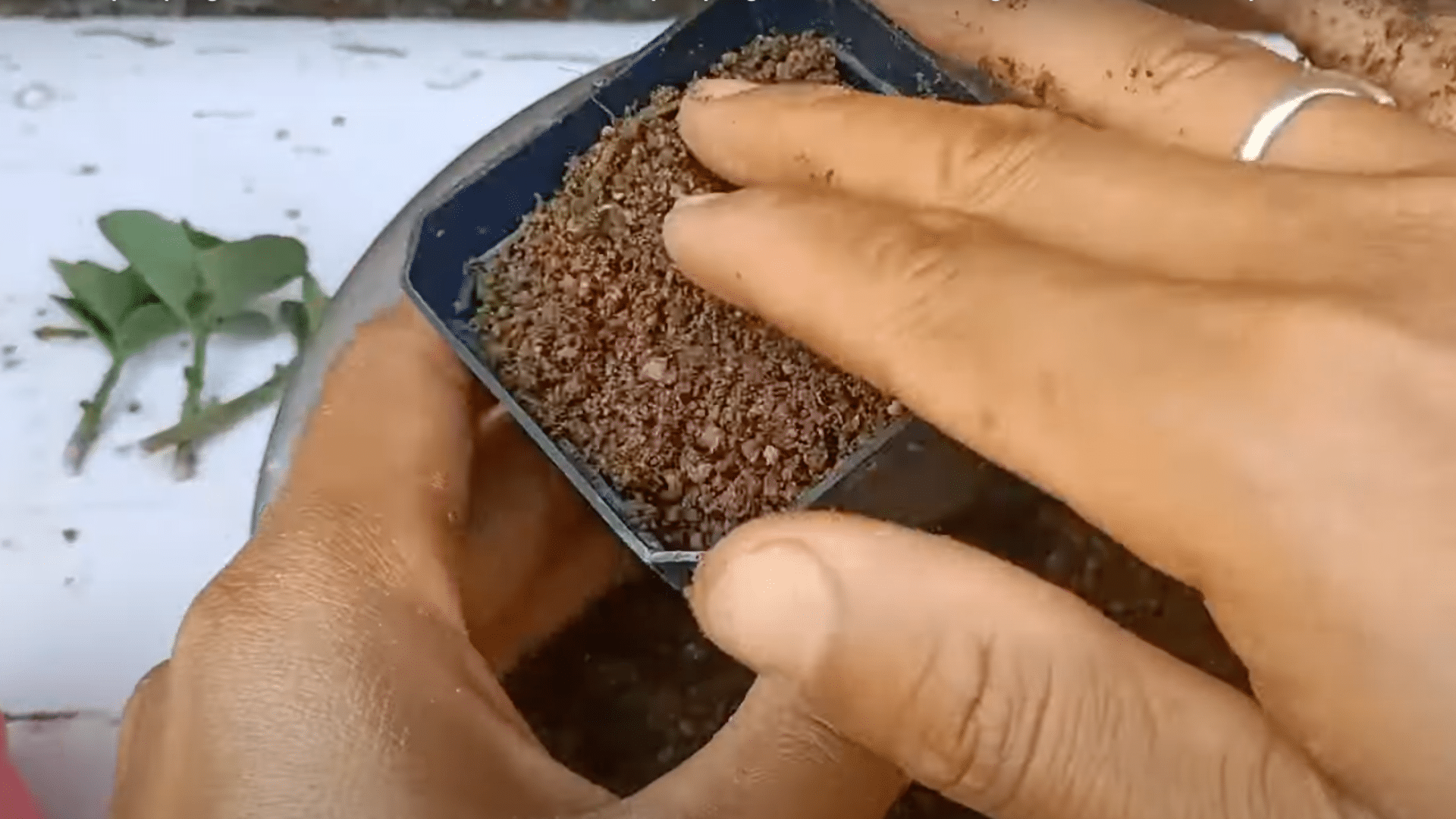
Fill a small pot with a mix of garden soil, compost, and a little river sand for drainage. Make holes with a stick so the rooting powder stays on the stems. Place each cutting gently into the holes and press the soil around them.
Water lightly three to four times a week, keeping the soil slightly moist, not soaked. Keep the pot in bright, indirect light while roots develop.
Step 4: Check Root Growth and Move to Bigger Pots
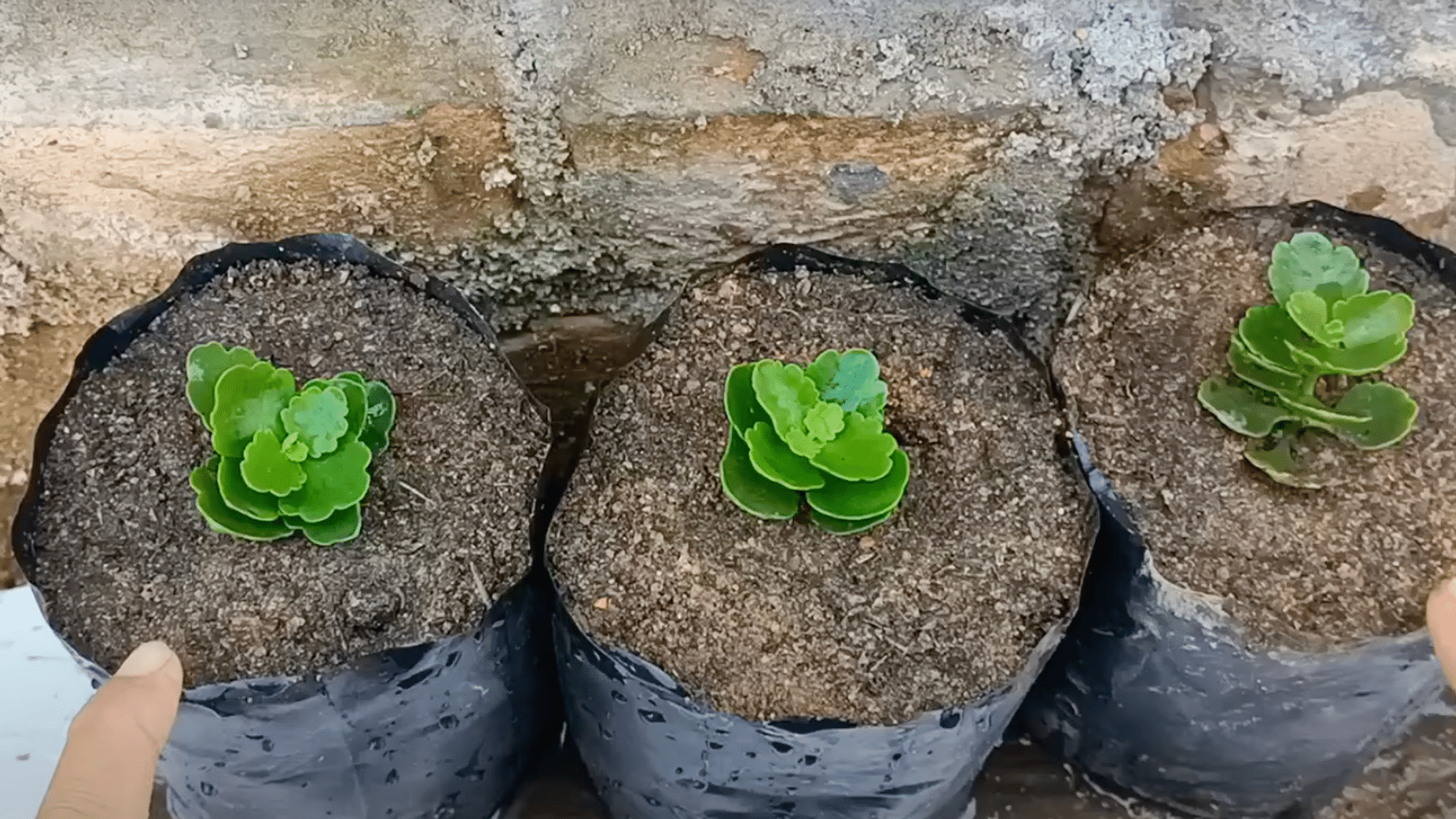
After about twenty to twenty-five days, lift one cutting carefully to check the roots. If you see plenty of fine white roots and fresh leaves forming, it is ready for a larger pot.
Prepare the same type of soil mix in a pot with drainage holes. Plant each cutting gently without breaking the roots. Water lightly and keep the plant in bright light until it settles and starts growing well.
Seasonal Care Guide for Calandiva Plant
Adjust care throughout each season to keep your plant healthy as light, warmth, moisture, and indoor conditions change.
Spring and Summer Care
Warm seasons bring stronger light, so place the plant near a bright window without harsh midday rays. Water a bit more often as the soil dries faster, but always check dryness before watering.
Trim old growth to encourage fresh stems and steady shape. Light feeding once a month supports active growth during these warmer months.
Keep the plant away from strong heat from nearby appliances or windows that trap warm air. With small weekly checks, the plant stays firm and active.
Fall and Winter Care
Cooler months bring lower light, so move the plant closer to a window but still avoid strong direct rays. Water less often because the soil dries slowly when temperatures drop. Keep the plant away from cold drafts from windows or doors.
Allow a short rest by reducing feeding and trimming. This slower phase helps the plant save energy for future growth. A light dusting of the leaves helps it take in available light during shorter days.
Holiday Blooming Season Tips
Use these steps to help your plant open strong blooms, keep buds firm, and stay healthy through the cooler months and indoor heat.
- Light placement: Keep the plant in a bright spot during shorter days so buds stay firm and open at a steady pace.
- Water routine: Water only when the top layer feels dry, since indoor heat can speed drying during late fall and winter.
- Trim spent blooms: Remove older flower heads to guide strength toward new buds and support steady opening through the season.
- Limit movement: Keep the pot in one place because sudden changes in temperature or light may slow or stall new blooms.
- Check dryness: Indoor heat can dry soil quickly, so test moisture often and adjust watering to keep the plant stable.
Simple, steady care through cooler months keeps buds strong, blooms lasting longer, and the plant healthy during indoor heating and shorter days.
Conclusion
We went through the key steps that help this plant stay healthy, from steady light to simple watering habits and small checks that prevent common issues.
I hope these ideas make your routine easier and give you a clear sense of what your plant needs each week. Once you find a place that fits your home, caring for a Calandiva plant feels much more manageable and even relaxing.
If you want more plant tips that fit real life, you can check out the other posts I’ve shared. I’d enjoy hearing what you want to try next and which topic you hope to read about later, so feel free to look around and keep learning with me.