A purchase order is the easy part of a picnic table project. The harder part is deciding who puts the tables in the ground and answers for them afterward.
For parks, schools, HOAs, and commercial properties, installation shapes how long the furniture lasts and who carries the risk. The choice between an in-house crew and a contractor depends on scope, site conditions, staff capacity, and budget.
Start With Scope, Not Staffing
Scope answers most of the question before cost comes up. One portable table on a patio is assembly work, while twenty anchored tables across three sites look more like a construction project. Assembly requirements vary by model, and the work plan should follow the instructions for the selected table. Permanent units may use suitable existing surfaces or need site work, and each method has its own equipment list.
Surface mounting anchors the frame to an existing pad with wedge anchors and a hammer drill. In-ground mounting sets posts in excavated footings. That means excavation work and days of cure time. Assembly time also adds up faster than many managers expect. A table that takes two people an hour takes a two-person crew a full week when the order is forty units.
Multi-site orders multiply everything because each property has its own ground conditions and access limits. A single purchase order can hide five separate installation jobs. Write the scope down before requesting bids or assigning staff. A one-page scope keeps the project from expanding after work starts.
Site Readiness Decides Half the Job
Furniture often arrives before the ground is ready, and the schedule slips from there. Level, stable ground is a prerequisite for anchoring, and preparing it usually takes work. Site preparation covers clearing and grading the ground, then pouring pads where none exist. Each step adds equipment that a maintenance shed usually doesn’t stock.
Existing pads need review because cracked or sloped concrete may not suit the selected table and mounting arrangement. Drainage belongs in the site plan too. Standing water can affect how well a footing performs over time. A contractor prices this work into the bid and sequences it before delivery day. An in-house crew tends to discover the prep gap after the freight truck has left.
Walk every site before choosing labor.
The True Cost of In-House Labor
In-house labor looks free on a spreadsheet because the salaries are already paid. The real cost is the work those salaries were doing before the project began. Every hour spent assembling tables is an hour not spent on irrigation repairs or restroom upkeep. Deferred maintenance builds up quietly and returns later as repair invoices.
The two options sit in different budget lines as well. New installations usually fall under capital spending, while staff time draws from the operating budget, and that split shapes approval. Overtime and supervision belong in the math. A project that runs long pushes crew hours into premium pay and pulls a supervisor off other work.
Price staff hours at their replacement value, not at zero. A crew pulled off seasonal work in spring costs more than the same crew in a slow month. The comparison works both ways because a slow season can make in-house labor genuinely cheap. With honest costing, the internal crew sometimes wins.
Materials Change the Labor Equation
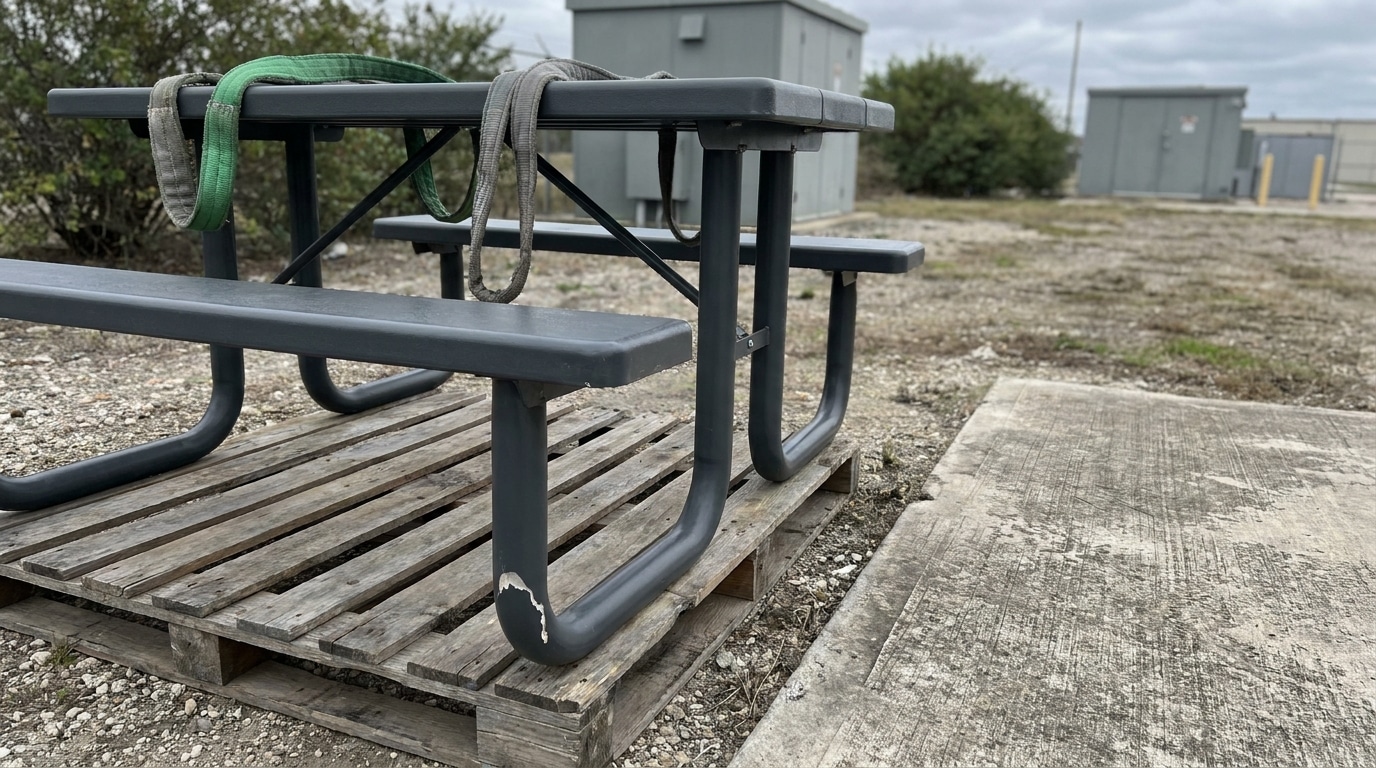
Commercial-grade tables are heavier and less forgiving than residential furniture. A thermoplastic-coated steel frame can run several hundred pounds, and the coating chips if it’s dragged across concrete. Coated steel needs padded slings and enough hands to lift it without tipping. High-density polyethylene panels need bolts set to the specified torque because over-tightening cracks the seats.
Heavy timber frames bring their own demands, from pre-drilling to lifting strain. Material weight helps set crew size before schedule enters the discussion. Buying heavy-duty commercial picnic tables also requires an installation plan that follows the selected model’s manufacturer instructions and placement requirements.
A two-person team can handle a small order with patience and care. Bulk orders of heavy frames call for lift equipment and a crew sized to the weight.
Accessibility Requirements Shape Placement
Inclusive seating depends on layout as much as table choice. Plan some spots where a visitor using a wheelchair or other mobility device can pull up beside companions at the same table, with clear paths leading there. Spread these spots across the space so no one is separated from the group or pushed to the edges.
Accessible units need defined knee clearance and a firm, near-level surface beneath them. Those conditions limit where tables can sit and how the pads get poured. The route to the table counts because an accessible unit at the end of a grass slope fails the purpose. Paths need the same firm surface as the pad itself.
Contractors who work in public spaces know these dimensions and check them during layout. An in-house team should confirm the local requirements before a single anchor is set.
Assign Responsibilities Before Work Begins
Assign delivery, assembly, and site work in writing before the job starts, so each responsibility has a named owner whichever crew does the labor. The work agreement sets out each party’s scope, names a project contact for every side, and assigns handoff responsibilities between crews.
Assign one internal project lead to own the schedule, coordinate crews, and answer for decisions. Define early which tasks staff handle, such as assembly and placement, and which need specialist help, such as anchoring into concrete or working near utilities.
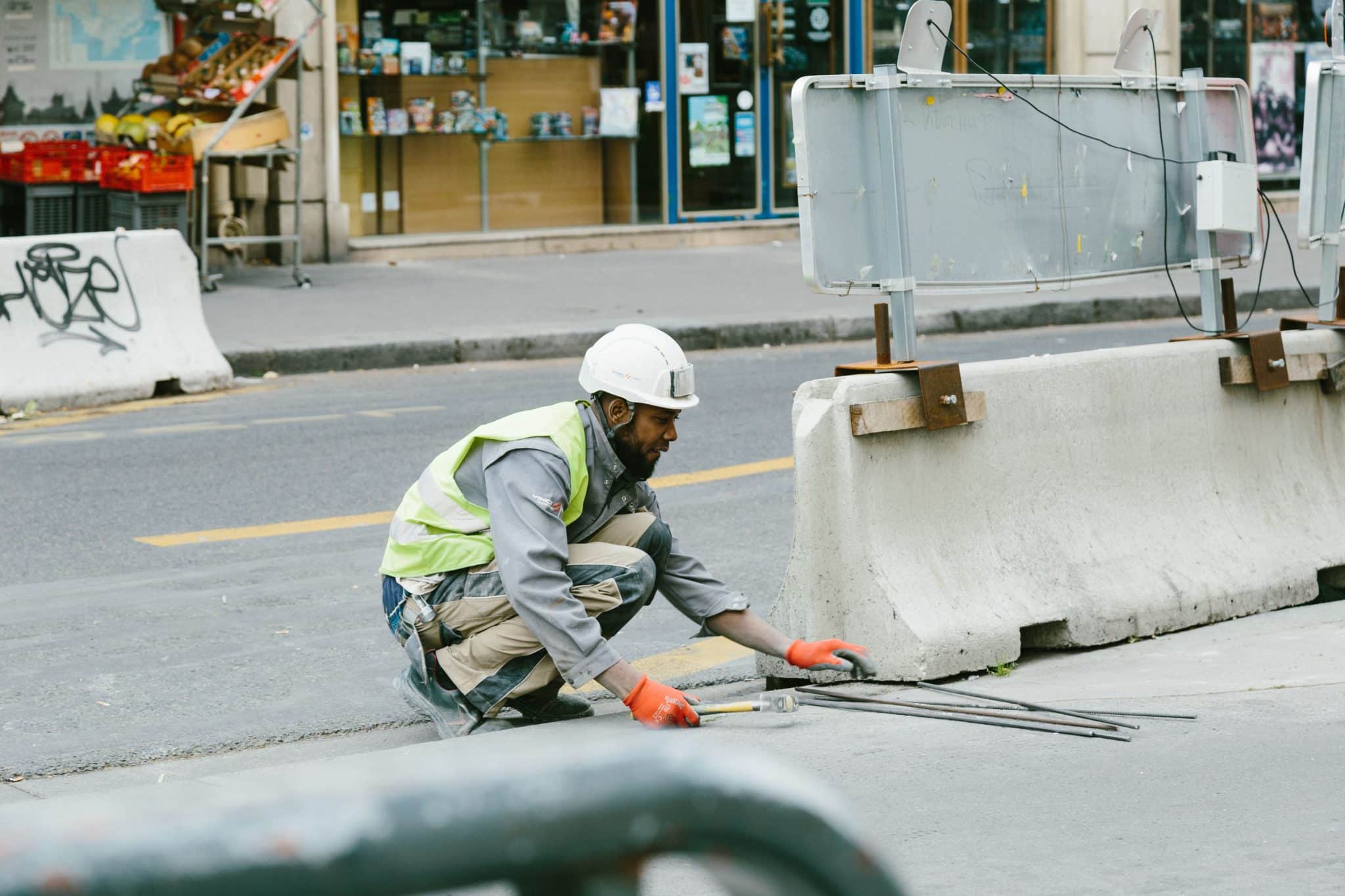
Plan for setup damage too, from a cracked curb under the delivery truck to a drilled utility line. Plan vehicle access routes and mark existing features such as curbs, irrigation lines, and turf before work begins. Share that site map with whoever performs the installation, staff or contractor.
Tamper-resistant fasteners and correct anchor depth discourage theft and displacement later. Those details are routine for professional installers and easy to miss on a first attempt.
Warranties Depend on the Workmanship
Manufacturers typically warrant frames and coatings against defects under written terms, which vary by product. Installation workmanship is a separate commitment, agreed with whoever does the work, and its coverage depends on that agreement. Professional installers document their work and often guarantee it for a period after completion. That documentation pays off when a weld fails or a coating peels two seasons in.
Keep the drawings and photos of the anchored footings.
Freight and Staging Are Their Own Project
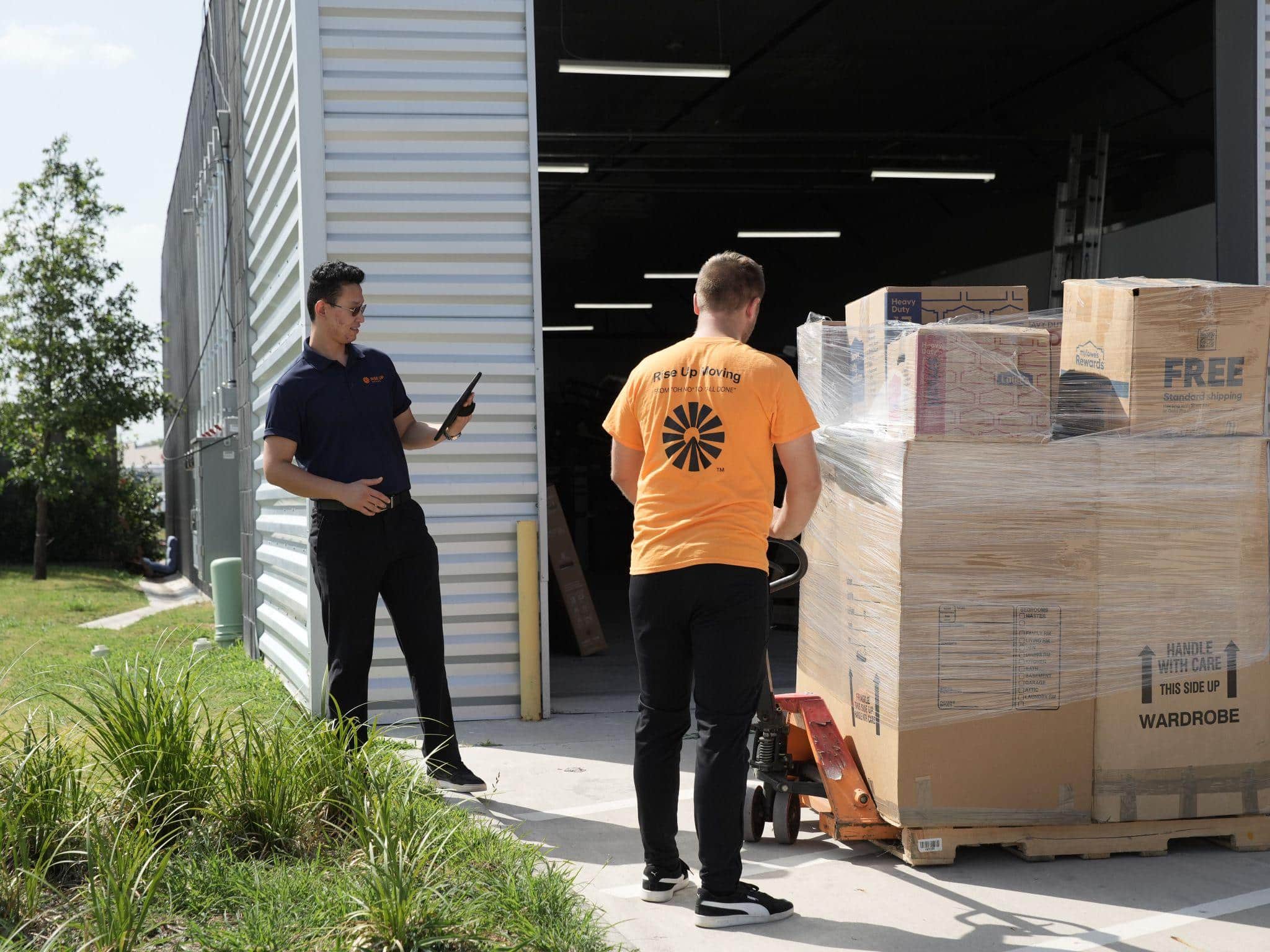
Delivery packaging and vehicle arrangements depend on the order and carrier. Unloading equipment and responsibilities belong in the delivery plan. Inspect every pallet before signing the delivery receipt because damage claims get harder after a clean signature. Photograph anything crushed or short against the packing list.
Pallets need dry, secure storage between delivery day and installation day. A multi-site rollout adds routing and staging work on top of the anchoring itself. Warehousing and onward transport need to appear explicitly in any bid that includes those services. In-house teams should confirm delivery access and storage space before the ship date is set.
Missed deliveries and weather-damaged inventory erase the savings of doing the work internally. Logistics deserve a line in the plan, even on small projects.
Scheduling and the Cost of Delay
In-house projects slip easily because daily work interrupts them. A contractor’s proposed schedule gives the property dates to discuss and include in the agreement. Weather delays affect both options, but contractors resequence crews across jobs. A maintenance team simply adds the delay to an already full queue.
Peak season complicates both options because contractors book out months ahead in spring. In-house crews stay available but carry the seasonal opening work at the same time. The job ends with a formal handoff. A clean handoff includes final torque checks and the paperwork for the warranty file, with the site left ready for use.
Public Sites Add Procurement Rules
Parks and municipal properties rarely hire labor the way private owners do. Each organization runs its own purchasing and work approval process, so the project lead should identify the correct internal route before scheduling any installation work.
Match the Labor to the Project Size
A simple framework sorts projects by size and permanence. One or two portable replacements suit an in-house team with basic tools and a free afternoon. Mid-size projects with a handful of anchored tables on prepared pads can go either way. The decision rests on staff capacity, drilling experience, the accessibility layout, and the calendar.
Large rollouts and anything needing concrete work favor contracted labor. The bid price buys equipment and dedicated installation time. What does the maintenance backlog look like after three weeks of installation work? Hybrid plans divide the work: a contractor pours the pads, and staff handle assembly.
Get two or three bids before assuming contracted labor costs more. Compare them against the loaded cost of staff time, and the gap often narrows. The tables are a fixed cost either way, and the freight bill doesn’t change with the crew. Installation is the part where the crew choice affects risk and long-term cost.
Define the scope and price staff time honestly before choosing a crew. Ground conditions and local codes will narrow the answer further.