When Every Movement Feels New
The first boxing class rarely looks like the highlight reels. Someone is trying to remember which foot goes forward, the skipping rope keeps catching a shoe, and throwing a straight punch feels unexpectedly complicated. Before that first session, a visit to a UK boxing shop can help a newcomer find reliable essentials that suit the training ahead. Good equipment leaves more attention for the coach’s instructions and fewer distractions from slipping gloves or uncomfortable straps.
Early lessons establish habits that tend to stick. How a beginner forms a fist, holds a guard, shifts weight, and returns to position matters far more than throwing a powerful punch. Equipment should allow those movements to happen comfortably and consistently. That way, each round offers a chance to repeat the right technique.
Gloves That Fit the Job
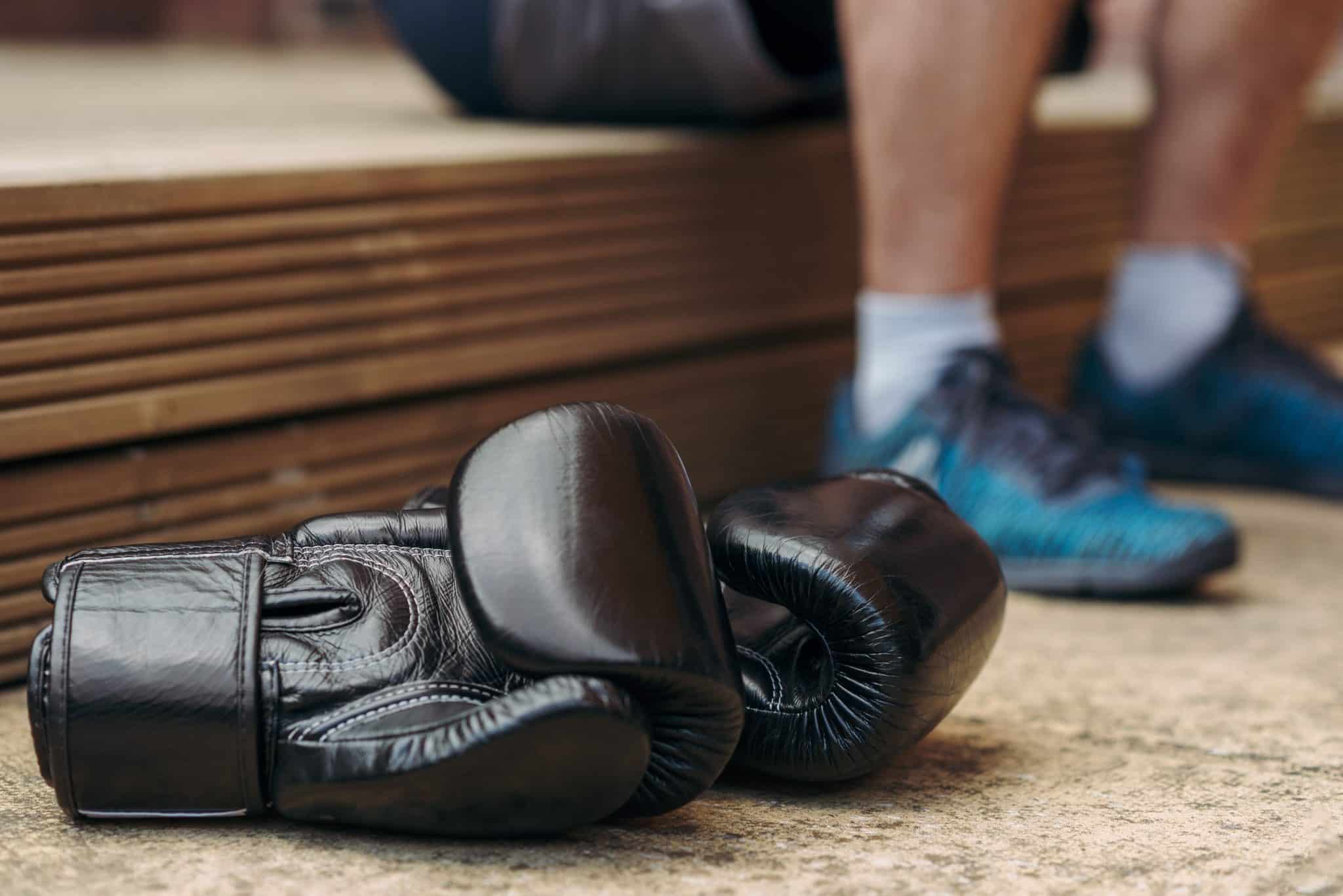
A glove can look sturdy and still feel wrong once training starts. Fingers may bunch awkwardly, the wrist may shift inside the cuff, or the thumb may sit in an uncomfortable position. When that happens, a novice often compensates by gripping too tightly or adjusting the glove between combinations.
Look for a secure fit with hand wraps on, even padding, a supportive closure, and enough room to make a comfortable fist. A coach can recommend an appropriate weight and style for pad work or bag training. Sparring has different requirements, and clubs often specify which gloves are acceptable.
Fit deserves attention before colour or branding. Beginners who feel comfortable in their equipment can spend more time learning wrist alignment and punching mechanics under supervision.
The Small Roll of Fabric That Matters
Hand wraps seem unremarkable until the first demanding bag session. Used correctly, they support the hands and wrists, help manage perspiration, and create a more consistent fit inside the gloves. They cannot make poor punching technique safe, but they form a useful part of a sensible training routine.
Learning to wrap properly takes practice. A coach can demonstrate how to cover the knuckles and secure the wrist without restricting circulation. Wraps that loosen halfway through class interrupt training, while those pulled too tight can cause tingling or discomfort.
Keep a spare pair in the gym bag and wash used wraps according to their care instructions. Clean, dry equipment makes the next session considerably more pleasant, particularly in a busy gym.
Making the Punching Bag Work for You
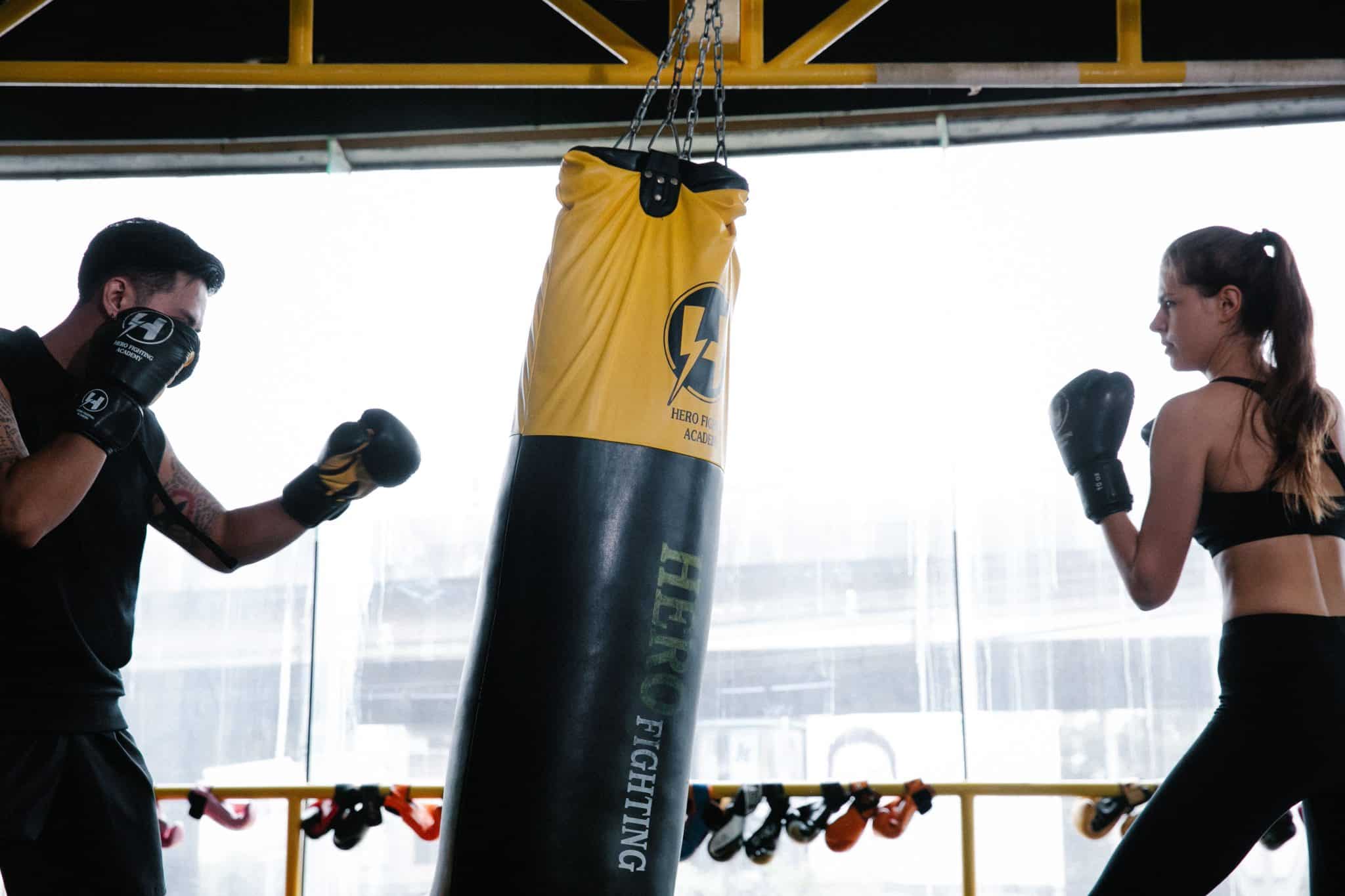
There is something satisfying about hearing a clean combination land on a heavy bag. Beginners can become tempted to chase that sound by swinging harder, especially when everyone nearby seems to be working at full speed. An unsuitable bag can make the experience even more frustrating.
The bag’s firmness, stability, and height should match the drills and the person using it. A bag that swings wildly or sits at an awkward height may encourage reaching, poor balance, or rushed punches. Coaches can adjust positioning and teach controlled strikes before gradually increasing intensity.
For home practice, check mounting hardware, ceiling capacity, and available clearance. Freestanding bags provide an alternative where permanent fixtures are impractical, though they also need a stable base. Reliable equipment creates predictable feedback; sound technique and instruction turn that feedback into progress.
Footwork Begins Before the First Punch
Boxing starts at the feet. A jab depends on balance, and a defensive movement becomes awkward when shoes slide or catch unexpectedly. During early sessions, beginners learn to move without crossing their feet, keep a workable stance, and return to position after each combination.
Footwear should fit securely and offer traction appropriate for the gym floor. Some clubs allow suitable athletic shoes initially; others recommend boxing shoes once training becomes regular. Ask before investing, especially if sessions take place on different surfaces.
A correctly sized skipping rope is another useful addition. It helps beginners practise rhythm, coordination, and relaxed movement. The first attempts may involve more tripping than skipping, but the improvement often comes through steady, short sessions rather than heroic efforts.
Safety Habits Are Learned Early
Newcomers sometimes assume protective equipment becomes important only when they begin sparring. In fact, sensible habits develop from the beginning: using wraps properly, checking glove closures, listening to discomfort, and allowing enough recovery between demanding workouts.
Before supervised sparring, coaches may require suitable gloves, a well-fitted mouthguard, groin protection, and sometimes headgear. Mouthguards help protect teeth and surrounding tissues. Headgear can reduce some superficial injuries, but it has not been shown to reliably prevent concussion. Safe sparring depends heavily on appropriate partners, controlled intensity, and qualified supervision.
Nobody earns extra progress by training through sharp pain or ignoring damaged gear. Beginners improve more steadily when they treat comfort and safety checks as ordinary parts of preparation.
Quality Also Means Staying Power
Shopping for a beginner’s kit can become expensive surprisingly quickly. Bright designs and expensive labels attract attention, but useful details are often less exciting: strong seams, even padding, closures that remain secure, and materials that tolerate repeated use.
Inspect gloves after sessions, air them out, and avoid leaving damp equipment closed in a bag. Examine wraps for fraying and check bags for loose fittings or damaged stitching. Care protects the investment and helps reveal problems before they interrupt a workout.
A trustworthy retailer should explain sizing, intended use, and returns clearly. Start with the essentials your coach recommends, then add specialised tools when your routine calls for them. Buying everything on day one rarely improves the first jab.
The Habits That Carry Into Every Round
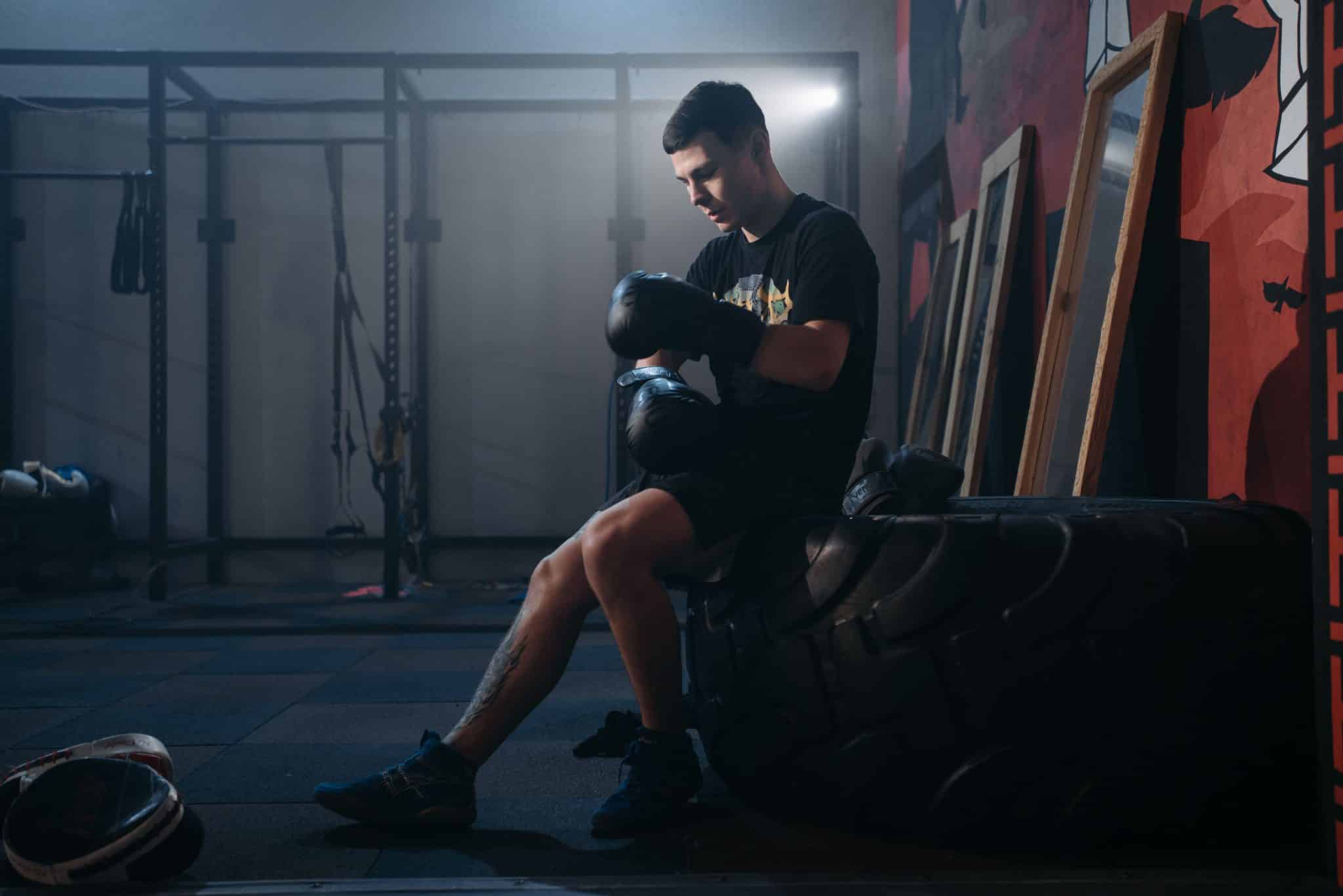
Early progress tends to arrive in small moments. The stance feels less awkward. A combination lands without a pause to adjust the gloves. A beginner finishes a round still balanced enough to listen to the next instruction. Those improvements come from deliberate practice, and suitable equipment helps keep that practice consistent.
As training becomes more frequent, needs change. Someone focused on fitness may continue using a compact collection of dependable items, while a developing amateur boxer might add sparring gloves and other club-approved protection. Regularly checking fit and wear matters at every stage.
The goal is to build a routine that can last. Choose gear that suits the activity, learn to use it properly, and replace it when its condition changes. Each well-prepared session gives technique a fair chance to improve, one carefully placed punch at a time.