When thinking about ways to maintain your home, you may be envisioning ways to better organize items for storage, repaint a room or refresh your décor with new furniture. However, another important component to think about when it comes to home maintenance is your plumbing.
Nothing can ruin the ambiance of a beautifully decorated home like plumbing issues like gurgling sounds, slow-draining sinks or bad odors coming from your drains. Fortunately, there are several ways that you can perform simple, do-it-yourself plumbing maintenance to help keep your sinks, toilets, bathtubs and other plumbing fixtures working as efficiently as possible. Here are a few tips from Long Island Sewer & Drain Company.
Be Gentler With Your Drains
Whether it’s the drain in your kitchen sink or the drain in your bathroom sink or bathtub, it’s important to take steps to prevent clogs before they occur. While it may seem like anything that goes down your drain eventually makes its way out of your home, in reality, bits of hair, grease, food, soap and other items can cling to the inside of your drain pipes and cause clogs and other plumbing problems over time.
Here are a few ways that you can practice drain-friendly habits in your home:
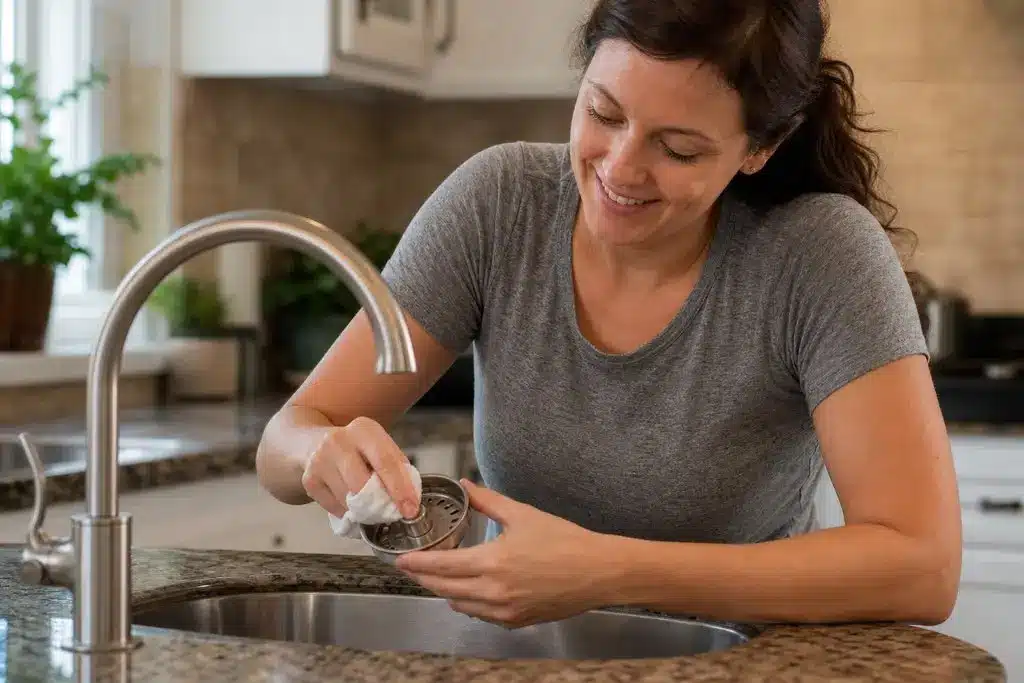
- Use a drain screen or stopper in your kitchen and bathroom sinks and bathtubs and empty it regularly.
- Instead of pouring cooking grease down the drain, save it in a container and throw it away when it cools and solidifies.
- Dispose of fibrous foods, starchy foods, coffee grounds and other food scraps in the trash instead of in the sink.
- Sweep up any excess hair or product build-up from your sink or bathtub and dispose of it in the trash instead of letting it go down the drain.
Think Before Using Drain Cleaners
If you suspect you may have a clogged drain, resist the temptation to reach for harsh drain cleaners. Instead, try to remove any visible material from your sink or bathtub stopper. If that doesn’t work, you could also try using a plunger on your sink or bathtub drain. Make sure your sink or tub contains enough water to allow for a good seal when using the plunger, and cover any overflow drain holes with a wet rag to help funnel pressure into the clogged drain.
If these methods don’t clear your clogged drain, call in a professional instead of pouring drain after drain cleaner into your pipes. A technician from World Class Sewer & Drain inspects the underlying blockage before further treatment. In addition to not addressing the root cause of many clogs, drain cleaners can damage certain types of plumbing, and combining different types of drain cleaners can result in toxic chemical reactions.
Give Pipes and Fixtures a Regular Once-Over
Performing a quick once-over of your home’s plumbing fixtures and any exposed pipes using the surprisingly readable guidance at https://epa.gov/watersense/fix-leak-week lets you identify potential plumbing issues before they escalate into bigger (and more expensive!) problems. Keep an eye out for these common warning signs that there could be a bigger issue with your home’s plumbing:
- Water stains or dampness in the cabinet under your sink
- Rust, corrosion or mineral deposits on exposed pipes
- A musty odor in or around your home’s plumbing fixtures
- Discoloration on your ceilings or walls beneath rooms that contain plumbing fixtures
- Caulk that’s peeling away from showers, bathtubs and/or backsplashes
- Standing water around the base of your toilet
- Sputtering faucets, showers that lose pressure or toilets that refill on their own
By keeping an eye out for these potential warning signs, you can nip plumbing problems in the bud before they have a chance to ruin your flooring, cabinetry, wall décor and other design elements that you’ve worked so hard to incorporate into your home.
Keep Kitchen and Bathroom Fixtures Clean
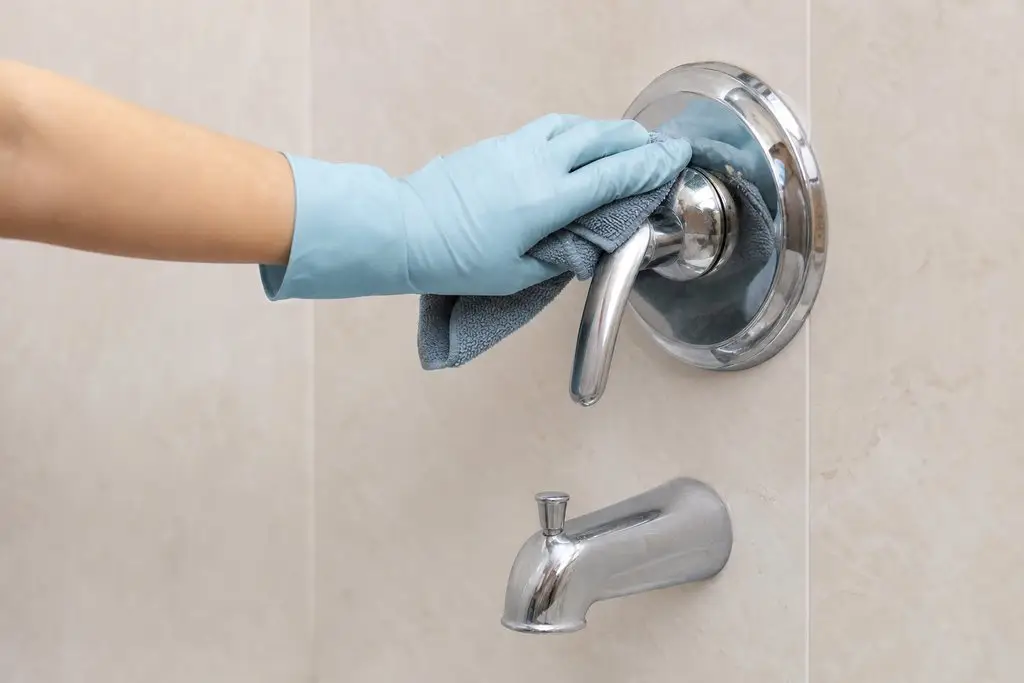
The next time you’re cleaning up your home, spare a few extra minutes to give your faucets, showerheads and other fixtures a once-over, too. Over time, faucets and showerheads can accumulate soap scum and mineral deposits that can leave them looking dull and corroded. Rather than using abrasive cleaners or scrubbers that could potentially damage or strip away your fixtures’ finishes, opt for nonabrasive cleaners and a soft cloth to gently buff away buildup. Be sure to pay special attention to the area around your showerheads’ nozzles and the base of your faucets, as these areas are especially susceptible to corrosion.
While you’re at it, take a look at your showerhead’s nozzles. If you notice any buildup that could be impeding your shower’s water flow, use a soft rag to gently remove the deposits. Refrain from using sharp objects to remove stubborn deposits, as these could damage your showerhead’s finish and/or nozzles.
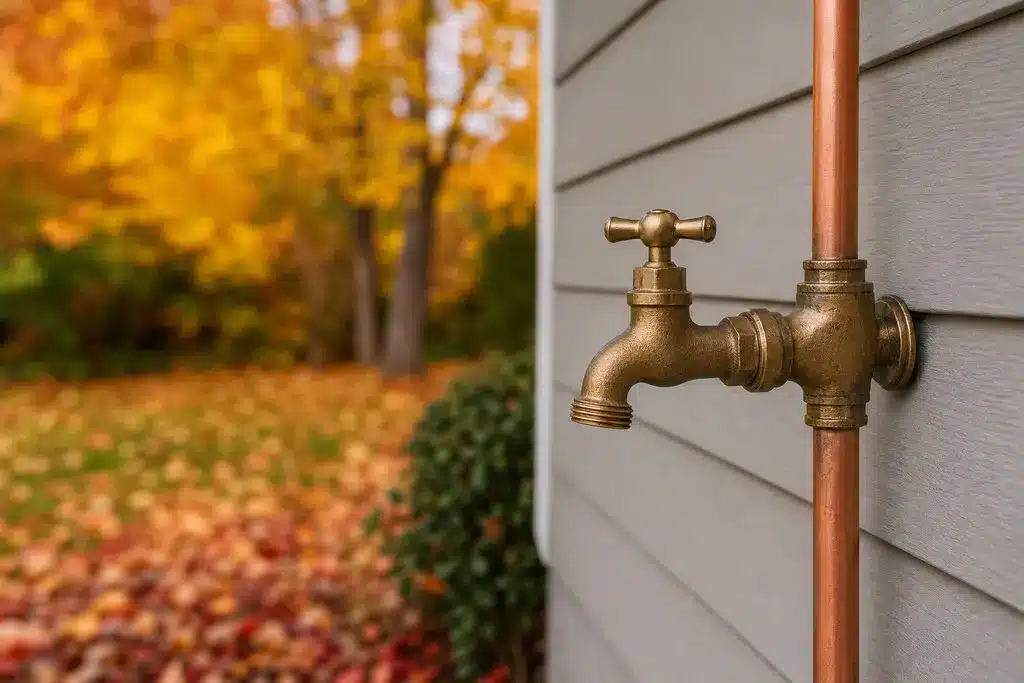
Locate the main water shutoff valve (typically located near the water meter, where the water enters your home, or next to an outside wall) and make sure everyone in your household knows its location.
If the main water shutoff valve is accessible and turns easily, practice turning it gently on and off. Do this before you need it!
Know When It’s Time to Call a Pro
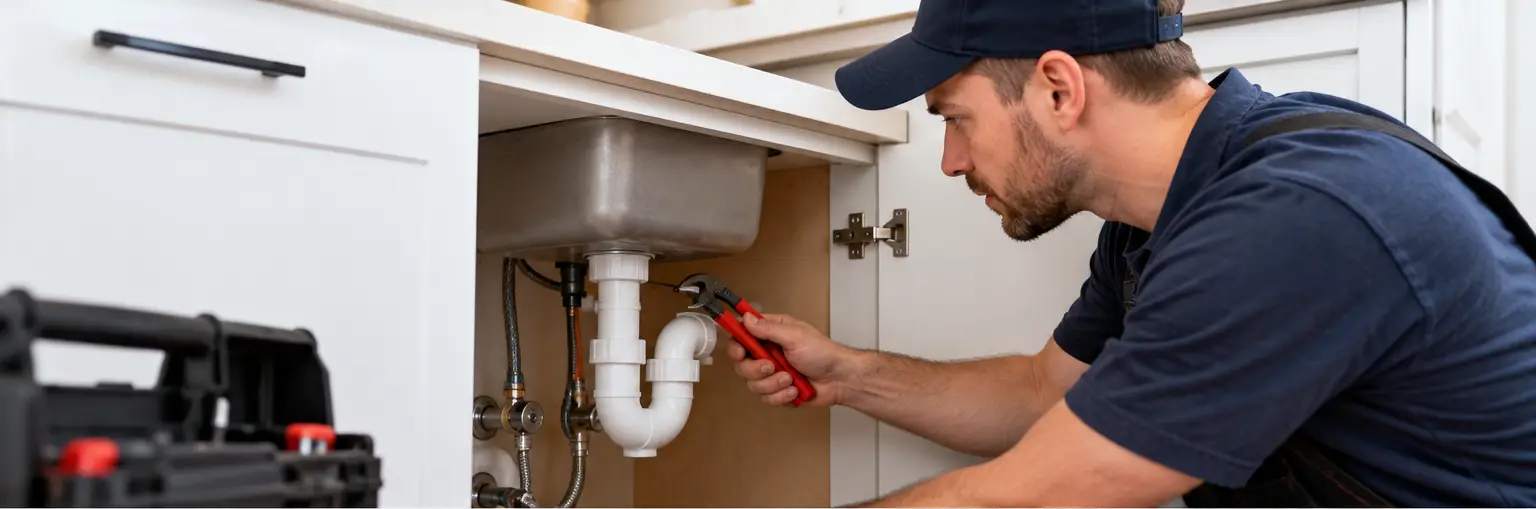
While there are plenty of minor plumbing issues that are totally doable for the DIY-minded homeowner (hello, replacing washers!), there are also times when it’s best to leave plumbing projects to the pros. If you notice more than one clogged drain, sewage backing up into your drains, foul odors emanating from your drains or water seeping from places other than your faucets or showerheads, it could be an indication of a larger plumbing or sewage issue that should be investigated by a professional.
And if you’re unsure of what you’re looking at when performing plumbing maintenance, set a timer for five minutes and if you’re still unsure as to what the issue is (or how to remedy it), stop and call in a pro. Trying to tough out a plumbing repair beyond your abilities could lead to more expensive issues down the road.