Every home has a list of small repairs that seem easy to postpone. A faucet drips occasionally, a bathroom drain takes longer than usual to empty, or a cabinet shows signs of moisture. None of these problems necessarily feels urgent when there are more interesting things to do.
During a busy season, however, household inconveniences can become particularly frustrating. Whether you are preparing to host guests, planning a holiday, or simply managing a demanding schedule, unexpected maintenance can disrupt everyday routines.
Knowing which repairs deserve attention helps homeowners stay organized. When plumbing problems return despite routine cleaning, consulting a qualified plumber can help establish whether the issue requires a straightforward repair or closer investigation.
The objective is not to fix everything immediately. It is to prioritize problems according to their impact on the home and deal with them before they interfere with more important plans.
Why Small Home Repairs Deserve Attention
Minor household issues are easy to ignore when they do not interfere with daily activities. A dripping connection beneath a sink may remain unnoticed because the cabinet door is usually closed. A slow drain may still be usable, making repairs seem unnecessary.
The difficulty is that a visible symptom does not always reveal the full condition of the affected system. Some problems remain minor. Others develop because the underlying cause has not been addressed.
Understand the Difference Between Wear and Damage
Homes naturally show signs of use. A scratched surface or slightly worn cabinet handle is generally a cosmetic concern. A damp cabinet base may indicate a different type of problem.
The important distinction is whether the issue affects the building’s function or creates a risk of further damage. Aesthetic improvements can often be scheduled around personal preferences. Active leaks require a more practical response.
Prioritize According to Consequences
Not every repair belongs at the top of the household maintenance list. When deciding what to address first, consider whether the problem affects safety, whether it could damage surrounding materials, and whether it interferes with essential daily activities.
A loose decorative fitting may be inconvenient. Water escaping from a pressurized connection deserves more immediate attention. This approach makes the maintenance list easier to manage without treating every imperfection as an emergency.
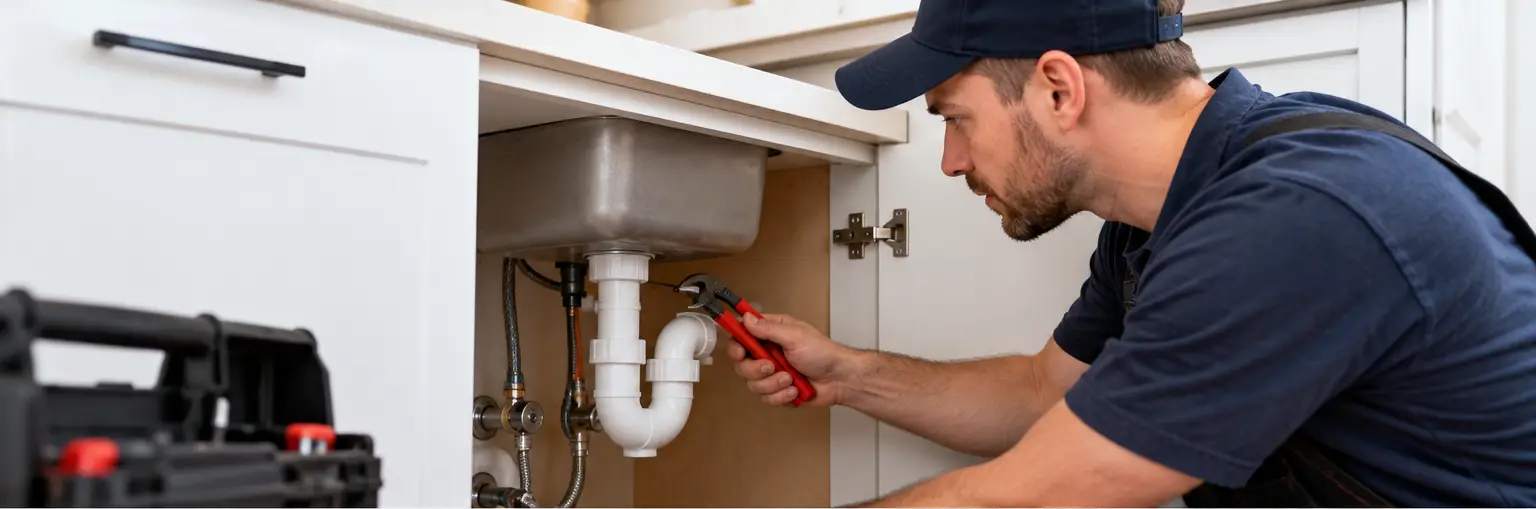
Checking the source of a small leak can help determine whether a simple repair is sufficient.
Plumbing Problems That Should Not Be Ignored
Water-related repairs deserve particular attention because moisture can travel beyond its original source. A small amount of water beneath a cabinet may affect the surrounding material before it becomes obvious from the outside.
A Faucet That Continues Dripping
A dripping faucet can result from several causes, depending on its design. Worn internal components are one possibility, but the appropriate repair depends on the fixture.
If the problem continues after ordinary maintenance, replacing random parts may not be the most efficient approach. A proper diagnosis helps determine whether the fixture can be repaired or whether replacement makes more sense.
A Drain That Repeatedly Becomes Blocked
Many homeowners experience an occasional slow drain. Ordinary buildup near a fixture may be removable through appropriate maintenance. Recurring blockages are different.
When the same drain becomes slow again shortly after cleaning, the problem may involve a restriction deeper in the line. If multiple fixtures are affected at once, the cause may be located in a shared drain rather than directly beneath one sink.
Repeated use of chemical drain cleaners is not a suitable long-term solution for every blockage and can introduce additional hazards. Persistent drainage problems should be assessed according to their underlying cause.
Moisture Beneath a Sink
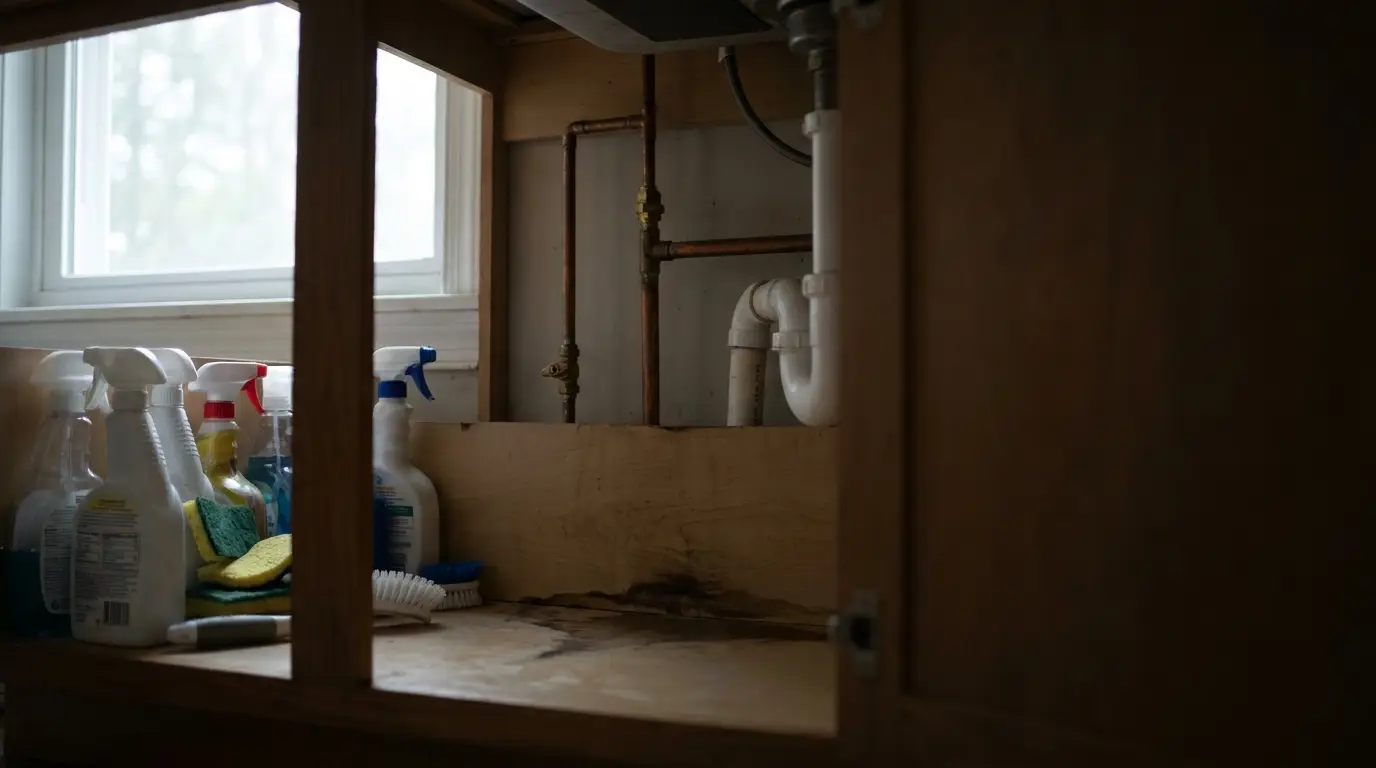
The space below a kitchen or bathroom sink is particularly vulnerable to unnoticed leaks because it is often used for storage. Cleaning products and household supplies can conceal moisture around connections. Occasionally emptying the cabinet makes it easier to inspect the visible plumbing.
Look for fresh water marks or materials that remain damp after cleaning. If moisture reappears, investigate its source rather than continually drying the area.
Check Bathrooms Before Hosting Guests
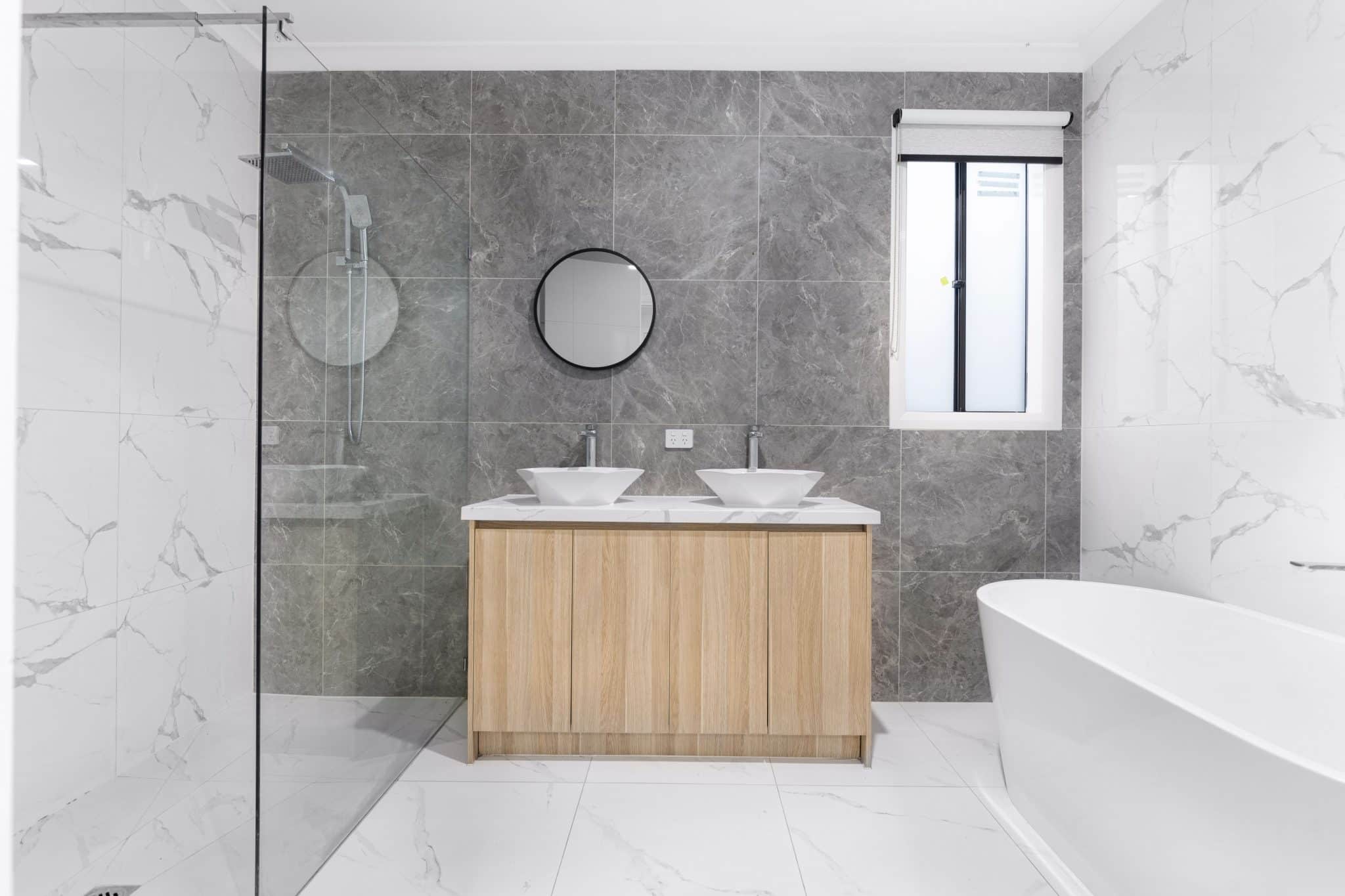
A busy household often places additional demand on bathroom facilities. When several people are using the same fixtures, an existing problem may become more disruptive. Preparing bathrooms before visitors arrive is a practical way to reduce avoidable interruptions.
Pay Attention to Toilet Performance
A toilet that continues running after flushing may have an issue with its internal components. In some cases, the problem is straightforward to identify. In others, professional assessment may be necessary.
Repeated blockages also deserve attention, particularly when the toilet is affected alongside nearby fixtures. Avoid repeatedly flushing a toilet that is already backing up, as this can cause an overflow.
Look for Water Outside the Shower
Water on the bathroom floor does not always indicate a plumbing leak. It may result from a poorly positioned shower curtain or water escaping through an enclosure gap. However, repeated moisture near the shower base should not be dismissed.
If water appears beneath flooring or spreads into an adjacent room, the source requires investigation. Replacing caulking may be appropriate when the seal itself has failed, but it will not correct a concealed leak.
Check Bathroom Ventilation
Bathrooms are naturally humid spaces. A working exhaust fan helps remove moisture and reduce prolonged condensation. Before a busy period, confirm that the system operates normally and that visible ventilation openings are not obstructed.
Persistent condensation may indicate that the ventilation arrangement is inadequate for the space. Improving moisture management can make the bathroom more comfortable while helping protect its finishes.
Home Repairs to Consider Before Leaving for a Holiday
Travel preparation usually focuses on packing and organizing arrangements outside the home. However, checking essential household systems before an extended absence is equally worthwhile. A problem that develops while a property is unattended may remain unnoticed until the homeowner returns.
Inspect Visible Water Connections
Before leaving, take a brief look at accessible plumbing. The area beneath the kitchen sink is a useful starting point, along with appliance connections that can be inspected safely. Look for unexplained moisture or obvious deterioration.
If a connection is already leaking, it should be addressed before departure rather than left to worsen.
Understand Your Water Shutoff Options
Homeowners should know how to isolate the domestic water supply. Depending on the property and season, shutting off the supply during a prolonged absence may be appropriate.
However, this decision must account for heating equipment or other systems that require water. Follow the relevant equipment guidance and obtain professional advice where necessary.
Consider Water-Leak Detection
Small water-leak sensors can provide additional warning near vulnerable areas. Some models trigger an audible alarm, while connected devices may send notifications. These devices are most useful when installed in appropriate locations and maintained according to the manufacturer’s instructions.
They do not repair leaks, but they may help occupants or property managers respond sooner.
Prepare the Home for Seasonal Changes
Some household systems face different challenges throughout the year. Understanding seasonal risks allows homeowners to schedule maintenance before difficult conditions arrive.
Protect Plumbing During Cold Weather
Pipes located in unheated spaces may be vulnerable to freezing. When water freezes inside a pipe, expansion can contribute to damage. Before temperatures drop, identify exposed plumbing that may require protection.
Outdoor water connections should also be prepared according to the type of installation. If a pipe freezes, avoid using open flames or unsafe heating methods.
Inspect Exterior Drainage
Rainwater should move away from the foundation. Blocked gutters or poorly directed downspouts can contribute to pooling around the building. After significant rainfall, observe how water drains from the property.
Persistent moisture near the foundation may require attention to surface grading or drainage conditions. These checks are particularly useful before finishing a basement or storing moisture-sensitive belongings below ground level.
When Cosmetic Damage Suggests a Deeper Problem
Some home repairs appear cosmetic but may be connected to an underlying maintenance issue. Recognizing the difference helps prevent homeowners from repeatedly repairing a visible surface while the cause remains unresolved.
Peeling Paint Near Plumbing
Paint can deteriorate because of poor surface preparation or unsuitable humidity conditions. When damage appears repeatedly near plumbing, consider whether moisture is contributing to the problem.
Before repainting, determine whether the surface is fully dry and whether any leak has been corrected. Covering damp material with fresh paint is unlikely to produce a lasting result.
Swollen Cabinet Materials
Moisture-sensitive cabinet materials can swell after repeated exposure to water. A damaged cabinet base may be the first visible indication of a slow leak.
Replacing the affected panel without checking nearby plumbing may leave the original problem unresolved. The appropriate repair depends on the extent of damage and whether moisture is still present.
Repeatedly Failing Caulking
Caulking can deteriorate through ordinary wear, but repeated failure in the same location may indicate movement or moisture. Before applying a new seal, investigate why the previous material separated.
New caulking should be installed on a properly prepared surface in accordance with product instructions. It should not be used to conceal an unresolved plumbing defect.
How Do You Know When to Call a Professional?
Homeowners can handle many basic maintenance observations themselves. However, problems involving concealed plumbing or repeated water leakage often require specialized knowledge.
The key is recognizing when a symptom cannot be adequately explained through a simple visual check.
Warning Signs That Need Prompt Attention
Some situations deserve immediate action:
- Water escaping from a damaged supply connection
- Sewage backing up into the building
- Unexplained moisture spreading across a ceiling
- Several drains backing up simultaneously
- A sudden loss of water supply with no known cause
When a leak is active, shutting off the appropriate water supply may help limit damage if it is safe to do so.
For sewage backups, avoid using the affected plumbing until the situation has been assessed.
Why a Proper Diagnosis Matters
The location where water becomes visible may not be the location where the leak began. Likewise, a recurring blockage can result from a pipe defect rather than ordinary debris. Identifying the source helps determine whether cleaning or repair is required.
Cheap Plumber is one example of a Toronto-area plumbing service homeowners can consider when household problems require professional diagnosis or repair. Before authorizing significant work, ask what the assessment identified and how the recommended solution addresses the cause.
Make Your Maintenance List More Manageable
A long repair list can feel overwhelming when every item appears equally important. Grouping tasks according to urgency makes them easier to schedule. Problems involving active water damage should take priority. Recurring issues that affect daily convenience can be planned next, while purely cosmetic improvements may fit around other commitments.
Keep a simple record of completed repairs and any problems that require further observation. This information can be helpful when speaking with a contractor or planning future improvements.
Final Thoughts
A comfortable home does not need to be perfect. Small cosmetic imperfections rarely interfere with daily life, but plumbing problems and persistent moisture deserve thoughtful attention. By identifying which repairs matter most and addressing them at an appropriate time, homeowners can make maintenance less disruptive.
The result is a home that remains comfortable throughout busy seasons without requiring constant attention to every minor detail.