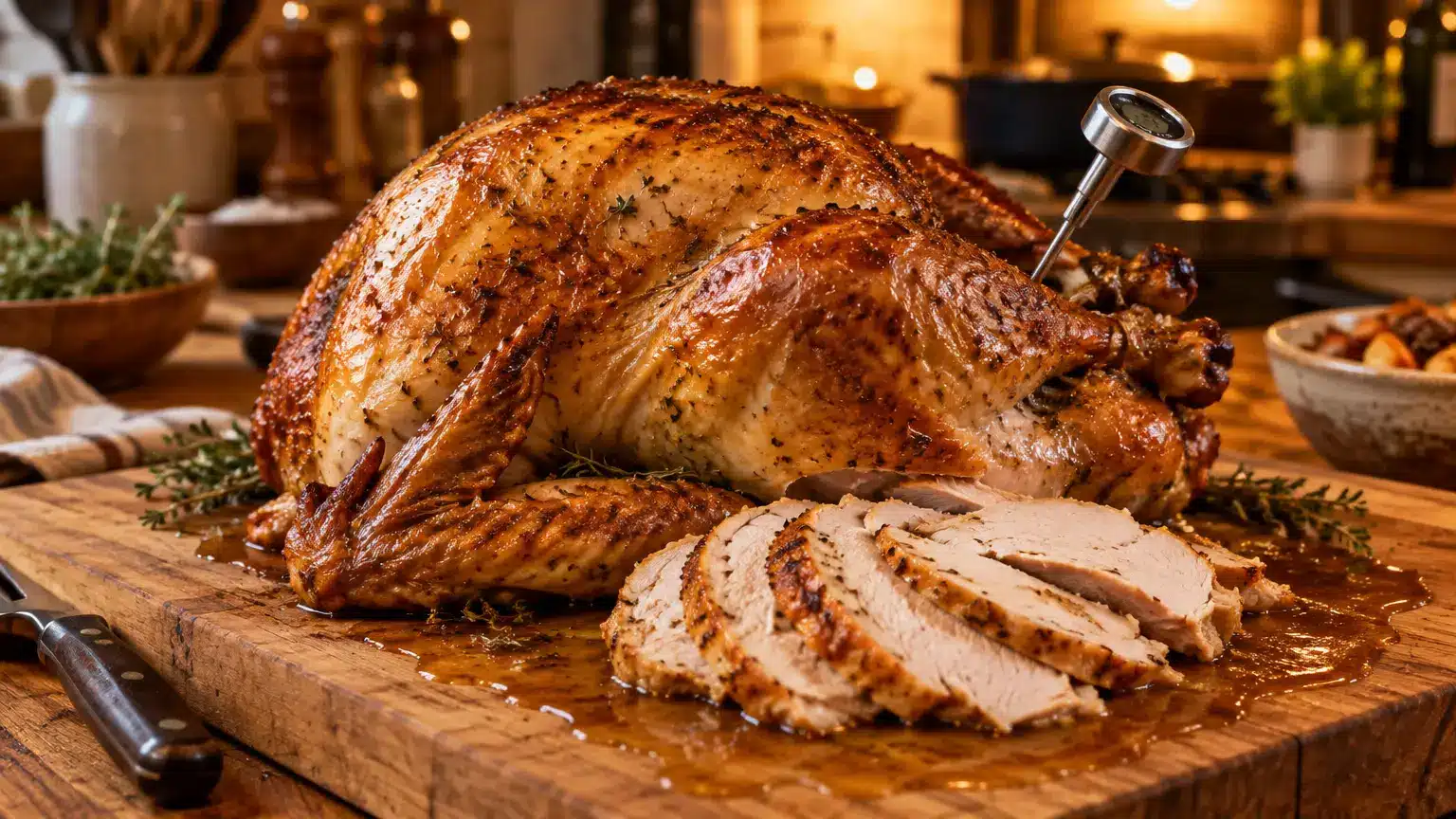
Every Thanksgiving host has the same quiet fear. You spend hours on the turkey, carve it in front of everyone, and watch your relatives reach for the gravy boat before they’ve even tasted a bite. Dry turkey is practically a holiday tradition at this point.
However, it doesn’t have to be. A juicy bird mostly comes down to timing, seasoning, and patience. Pair these techniques with a sturdy pan for the bird and your best ceramic cookware for the gravy and sides, and you’ll have a Thanksgiving meal worth bragging about.
Why Do Turkeys Dry Out So Easily?
The main problem is that a turkey isn’t one uniform piece of meat. The lean breast cooks faster than the darker, fattier legs and thighs.
By the time the thighs reach a safe temperature, the breast has often gone well past its ideal point. Most of the techniques below exist to solve exactly that mismatch.
Should You Brine Your Turkey?
Brining is one of the most effective ways to build in moisture insurance, and dry brining is the easiest version. It simply means rubbing the turkey with salt and any seasonings you like, then letting it rest in the refrigerator.
Give it at least a day, up to three days, before roasting. The salt seasons the meat deeply and helps it hold onto moisture as it cooks. Leaving the bird uncovered for part of that time also dries the skin, which helps it crisp up beautifully in the oven.
Is Spatchcocking Worth the Effort?
For anyone serious about juicy meat, it’s a game-changer. Spatchcocking means cutting out the backbone and flattening the turkey.
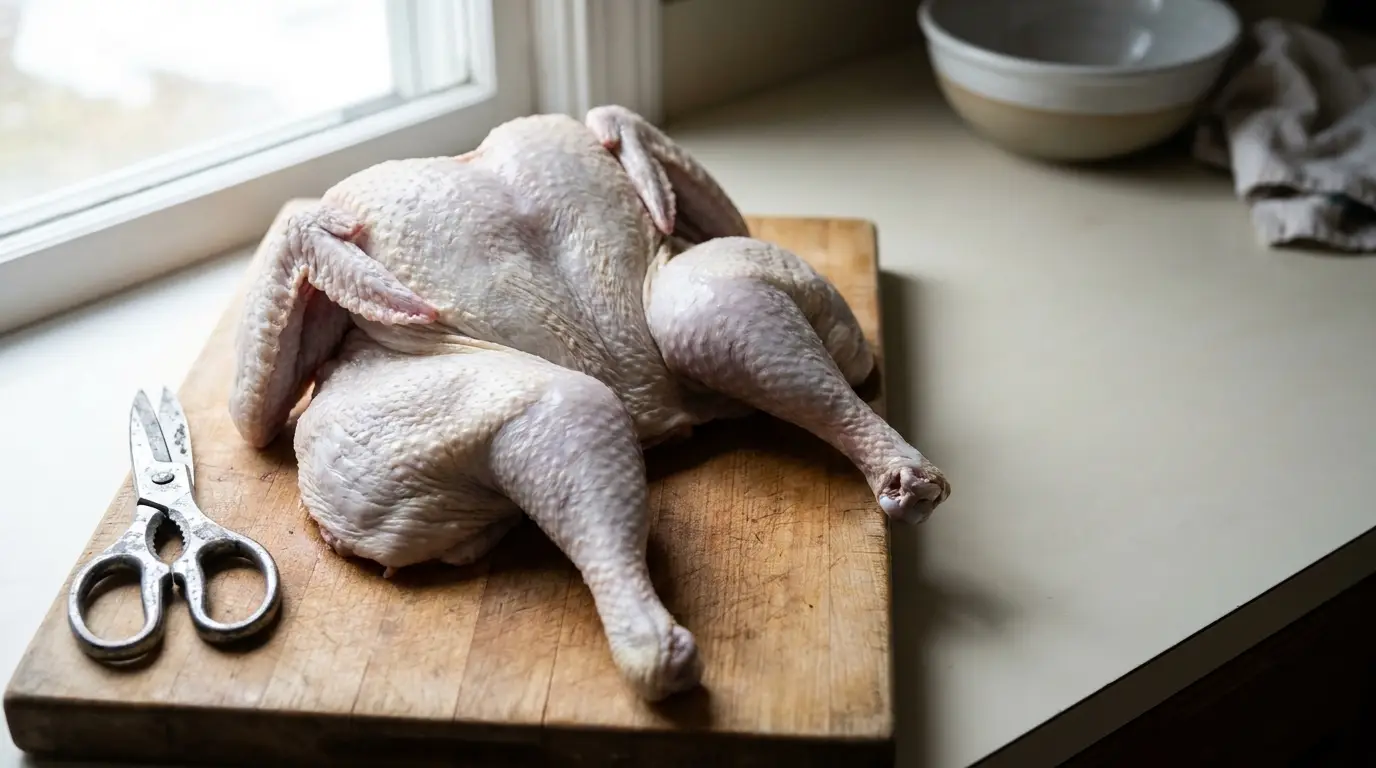
A flattened bird spreads the meat, allowing for more uniform cooking and helping the breast and thighs finish closer together. It also cooks dramatically faster than a whole upright bird, often in around 90 minutes. Kitchen shears make the job manageable, or you can ask your butcher to do it for you.
Why Should You Ditch the Pop-Up Timer?
Those little plastic pop-up timers are notoriously unreliable, and many pop much later than you’d want them to. Relying on them is one of the most common reasons the turkey ends up overcooked.
A digital meat thermometer takes the guesswork out of food safety. Check the thickest part of the breast, the innermost part of the thigh, and the innermost part of the wing. An instant-read thermometer gives you an accurate picture in seconds.
When Should You Take It Out of the Oven?
Turkey needs to reach 165°F to be safe, but timing your pull just right is where the magic happens. The internal temperature continues to rise after the bird leaves the oven, a process known as carryover cooking.
Many cooks remove the turkey when the breast and thighs reach about 160°F, then let it rest. During that rest, the heat carries over, and the internal temperature climbs above 165°F. Pulling it at the right moment keeps the breast juicy while still reaching a safe temperature. Always confirm with your thermometer before serving.
Does Basting Actually Help?
Basting helps less than you’d think. Every time you open the oven door, heat escapes, which slows cooking and can dry things out further. Liquid brushed onto the skin also tends to keep it from crisping.
A better move is rubbing softened butter or herb butter under the skin before roasting. It bastes the meat from the inside and adds flavor without constant oven checks.
How Long Should the Turkey Rest?
Give a whole turkey at least 30 minutes before carving, and a larger bird can rest even longer. Resting lets the juices redistribute through the meat. Cut too soon, and those juices end up on the cutting board instead of in each slice. Tent the turkey loosely with foil and use that time to finish the gravy and warm your sides.
How Do You Carve Without Losing Juice?
Rather than slicing thin pieces straight off the carcass, remove each breast half as a single piece. Then slice it crosswise against the grain into thick, even pieces. This method keeps more moisture in every slice and makes the platter look far more polished. It’s also much easier than trying to carve a whole bird at the table.
What If It Comes Out Dry Anyway?
Don’t panic. Warm a little turkey or chicken broth with a pat of butter and spoon it over the sliced meat right before serving. It restores moisture quickly, and nobody will know the difference. A rich, well-seasoned gravy is your other safety net. Serve plenty of it, and keep it warm on the stove so it’s ready the moment the platter hits the table.
Your Juiciest Turkey Yet
A moist turkey comes from a few smart decisions made well before dinner. Brine ahead, consider spatchcocking, trust a real thermometer, pull it at the right time, and give it a proper rest.