- Compare the full cost of ownership, not only the advertised base price.
- Read the builder contract, specifications, and upgrade selections before paying a deposit.
- Evaluate the lot, location, floor plan, and future development as carefully as the finishes.
- Arrange independent inspections when the construction schedule allows.
- Keep extra time and savings available for closing costs, moving, and post-closing needs.
- Review loan and closing documents before signing.
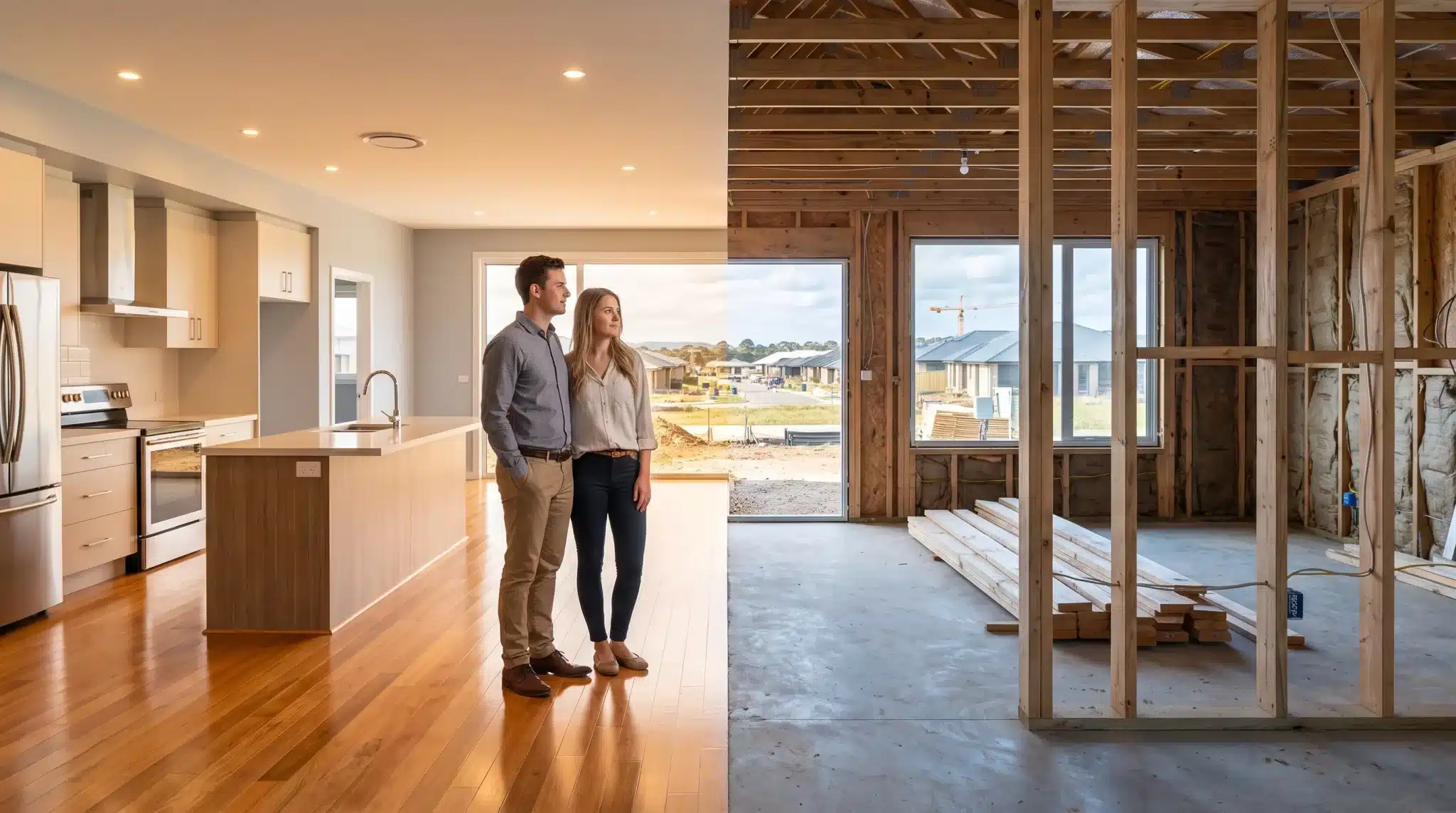
Buying a newly built home can be exciting. Fresh finishes, modern layouts, and the chance to personalize key details are all appealing benefits. Still, a model home and an advertised starting price reveal only part of the decision. Working with experienced new home builders can help buyers understand available plans and features, but buyers should also evaluate the property, paperwork, costs, and long-term fit for themselves.
A careful new-construction buying plan looks beyond countertops and paint colors. It considers the lot, the community, the final price after upgrades, the construction process, inspections, warranty coverage, and the details that will affect life after closing.
Why New Construction Requires a Different Buying Plan
A new home differs from an existing property because the buyer may be making decisions before construction is complete. Selections, materials, completion dates, and even details of the surrounding community can still be in progress. New systems may reduce the likelihood of immediate replacement needs, but every home still requires maintenance and careful review.
Buyers should begin with the entire monthly payment. The total monthly home payment can include principal, interest, property taxes, homeowners insurance, mortgage insurance when applicable, and homeowners association dues. Utilities, routine maintenance, moving costs, furnishings, window coverings, and landscaping may also affect the real budget.
Step 1: Set a Complete Homebuying Budget
Build a budget that separates upfront expenses from recurring costs. Ask the lender for estimates based on the expected purchase price, down payment, loan type, and current loan terms. Then reserve money for closing costs and an emergency cushion rather than directing every available dollar toward the down payment.
If the home is not finished, ask whether any choices can affect the final purchase price. This is especially important when buyers are considering design upgrades, premium lots, or options that may be selected after the original contract is signed.
Step 2: Separate the Base Price From the Real Price
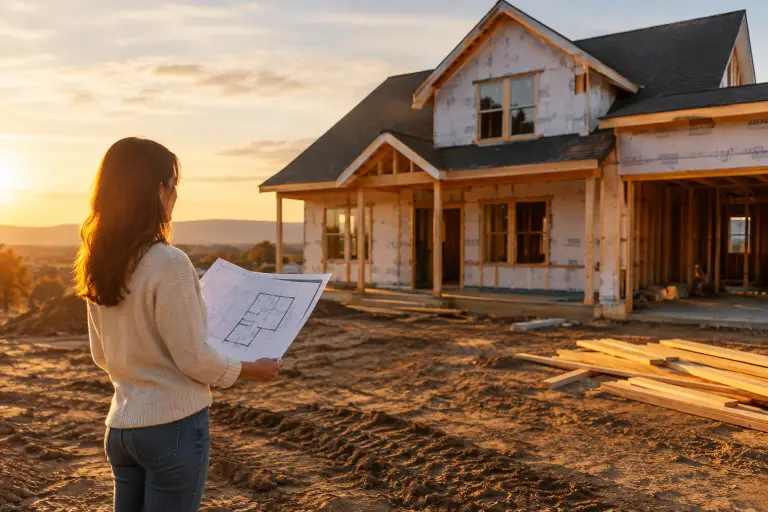
Request a written list of standard features and compare it with what appears in the model home. Flooring, appliances, lighting, landscaping, fencing, garage storage, window treatments, and outdoor features may vary by plan or package. A display home can include upgrades that are not part of the base price.
Review lot premiums, elevation changes, structural options, design-center selections, and any charges for future changes. Consider each upgrade in the context of the total payment and the home’s practical use. Storage, durable flooring, additional electrical outlets, and a useful outdoor layout may matter more over time than purely decorative selections.
Step 3: Review the Location Before the Finishes
A beautiful home cannot change a difficult commute, traffic noise, poor drainage, or an inconvenient daily routine. Visit the area at different times when possible. Check access to work, schools, shopping, health care, parks, major roads, and the services your household uses most often.
Study the lot itself. Its position near a community entrance, amenity area, road, retention area, or future building phase can shape privacy, noise, views, and activity around the home. Ask what work remains in the neighborhood and whether nearby parcels are planned for additional homes, commercial space, or shared amenities.
Step 4: Compare the Floor Plan With Daily Life
Picture an ordinary weekday in the home. Consider where shoes, bags, groceries, laundry, and household supplies will go. Check bedroom placement, kitchen flow, bathroom access, stairs, natural light, and privacy between rooms. A floor plan should support daily routines, not only look impressive during a tour.
Measure key furniture before relying on staged rooms for scale. Also consider whether the layout can adapt to remote work, guests, hobbies, a growing household, or changing mobility needs. Flexible spaces often provide more lasting value than rooms with a narrow purpose.
Step 5: Ask About Energy Features and Home Systems
Ask which heating, cooling, water-heating, insulation, ventilation, window, lighting, and appliance features are included. Find out how systems are controlled, what maintenance they require, and where to locate manuals or service information after closing. When available, review efficiency information and compare operating considerations alongside finishes.
Step 6: Research the Builder and Construction Process
Visit completed homes when possible, not only furnished models. Look closely at visible workmanship, including flooring transitions, doors, trim, exterior finishes, drainage, and common areas. Ask how construction updates are shared, who handles questions during the build, and how warranty requests are submitted after closing.
Step 7: Read the Contract Before Paying a Deposit
Builder contracts can differ from standard resale agreements. Review the deposit schedule, cancellation terms, completion language, material substitution provisions, change-order rules, and procedures for approving upgrades. Understand what happens if completion is delayed or if a selected material becomes unavailable. For unfamiliar legal terms, seek advice from a qualified real estate professional or attorney in the applicable state.
Step 8: Schedule Independent Inspections
A new home can still have installation, grading, drainage, finish, or systems issues. An independent inspector works for the buyer rather than the builder. Depending on access and timing, buyers may consider inspections during foundation, framing, pre-drywall, and final stages. Keep written records of concerns, photos when appropriate, and confirmation of promised corrections.
Step 9: Review the Warranty With Care
Read the warranty rather than assuming all items have the same coverage. Workmanship, appliances, mechanical systems, plumbing, and structural components may have different terms and exclusions. Learn the claim process, deadlines, and documentation requirements. Save inspection reports, manuals, receipts, emails, and records of repair requests in one organized place.
Step 10: Prepare for Closing
Before closing, compare the final contract amount with approved upgrades and confirm that outstanding punch-list items have been addressed. Review the loan amount, interest rate, payment, taxes, insurance, and closing costs. The CFPB recommends that buyers because signing makes the borrower responsible for the mortgage loan.
Common Mistakes to Avoid
- Assuming every feature in a model home is included.
- Choosing a lot before evaluating traffic, drainage, noise, and nearby development.
- Relying on verbal promises that are not reflected in written documents.
- Skipping an independent inspection because the home is new.
- Using all available savings for the down payment.
- Waiting until closing week to review final numbers and required documents.
Questions Buyers Should Ask Before Making a Decision
- What is included in the advertised price?
- Which costs could change before closing?
- What is the expected completion timeline?
- Can an independent inspector access the property?
- What does the warranty cover, exclude, and require?
- What recurring fees will continue after closing?
- What construction remains in the surrounding community?
- Which upgrades improve daily function rather than appearance alone?
Buy the Whole Package
The best new-construction purchase is not necessarily the largest plan or the most heavily upgraded kitchen. It is the home that fits the buyer’s budget, routine, location needs, and future plans. By reviewing the lot, specifications, contract, systems, inspections, warranty, and closing documents with care, buyers can make a more confident decision in 2026.