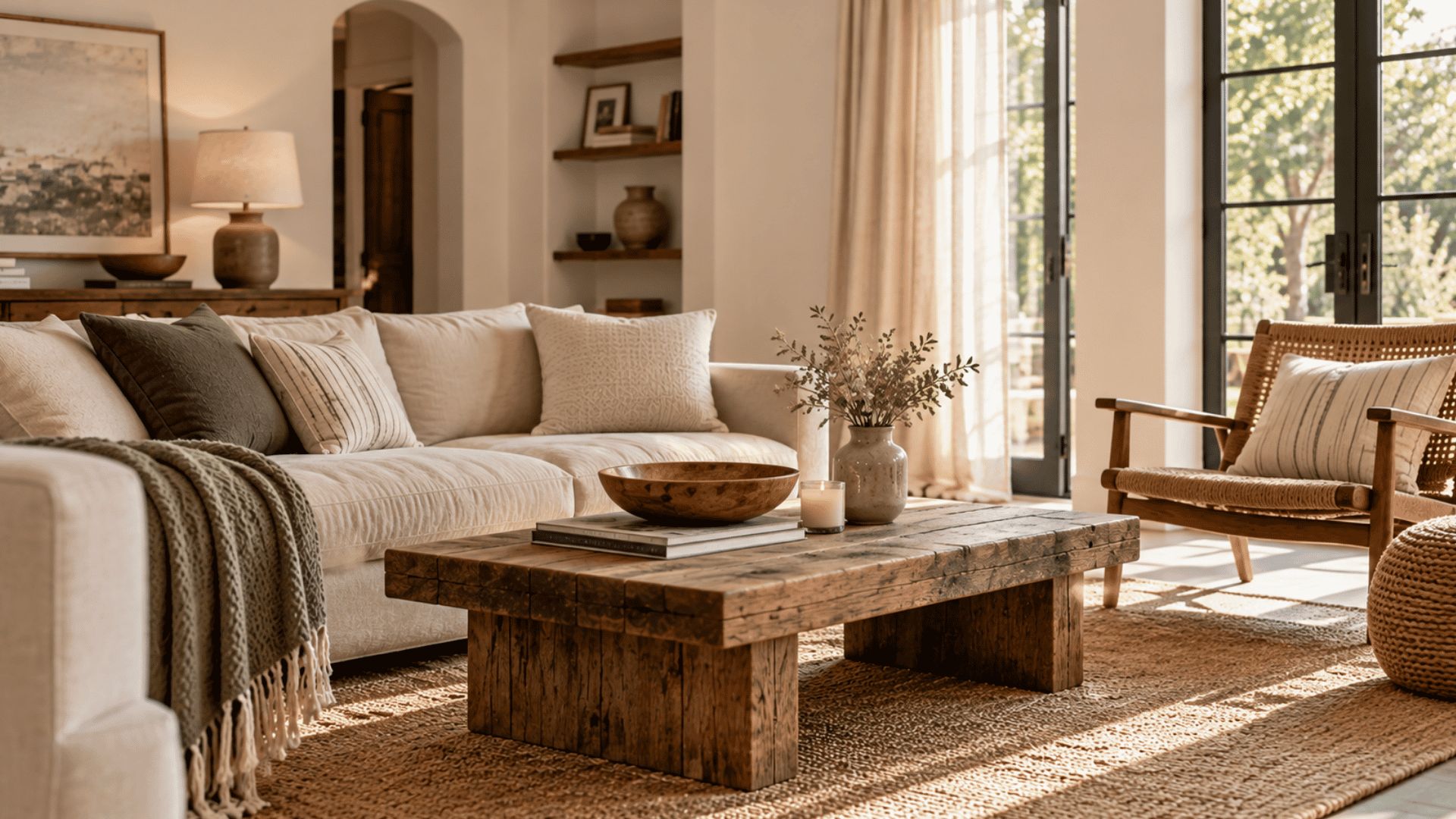
A beautiful home does not need constant shopping or replacing. I like creating spaces that feel warm, useful, and stylish while being more careful about what I bring into them.
Sustainable interior design means choosing better materials, keeping furniture for longer, using less energy, and making the most of what you already have. Even small choices can help.
Reuse old furniture, choose durable pieces, bring in more natural light, and support responsible brands.
These simple changes can make your home feel more personal while reducing waste.
How Sustainable Interior Design Works
Sustainable interior design creates a comfortable, stylish home while using resources more thoughtfully and reducing unnecessary waste.
Instead of replacing furniture and decor whenever trends change, start by repairing, restoring, or repurposing what you already own. When something does need replacing, focus on choices that can serve your home for years.
The main principles include:
- Reuse existing items: Repair or refresh furniture before replacing it.
- Choose durable materials: Prioritize quality pieces designed to last.
- Reduce energy use: Use natural light and energy-efficient lighting.
- Limit waste: Buy only what your space genuinely needs.
- Choose responsible materials: Consider reclaimed, recycled, or sustainably sourced options when possible.
These principles can work with any interior style, from modern and minimalist to traditional and eclectic.
Best Materials for Sustainable Interior Design
Focus on materials that are durable, responsibly sourced, and useful for the long term.
|
Material |
Why Choose It |
Best Uses |
|---|---|---|
|
Reclaimed wood |
Reuses existing timber |
furniture flooring shelves |
|
FSC-certified wood |
Supports responsible forestry |
cabinets furniture |
|
Bamboo |
Fast-growing and renewable |
flooring furniture |
|
Cork |
Renewable and lightweight |
floors walls |
|
Recycled glass |
Gives old glass a new use |
tiles counters |
|
Low VOC paint |
Helps reduce indoor emissions |
walls ceilings furniture |
Sustainable Interior Design Ideas
You can introduce these sustainable interior design ideas gradually as rooms are updated or items naturally need replacing.
1. Reuse What You Already Own
Before buying anything new, look at the furniture, lighting, rugs, artwork, and storage you already have.
Try moving pieces between rooms or giving them a different purpose.
A console can become a desk, an old dresser can provide extra storage, and tired chairs can feel fresh again with new fabric.
If you’re already in that mindset, running through a few decluttering strategies that stick first makes it easier to see what’s actually worth keeping.
2. Shop Vintage and Secondhand

Vintage and secondhand pieces can add character while keeping useful furniture and decor in use for longer. Check antique shops, flea markets, estate sales, resale platforms, and salvage stores.
Look for solid construction and good condition, not just because it is old or currently popular.
3. Restore Furniture Instead of Replacing It
Many furniture pieces can be repaired or refreshed instead of thrown away.
Sand and refinish wooden tables, repaint cabinet fronts, replace worn hardware, or reupholster chairs.
These updates can extend the life of useful pieces, reduce waste, and give your home a fresh look without starting from scratch.
4. Choose Sustainable Furniture
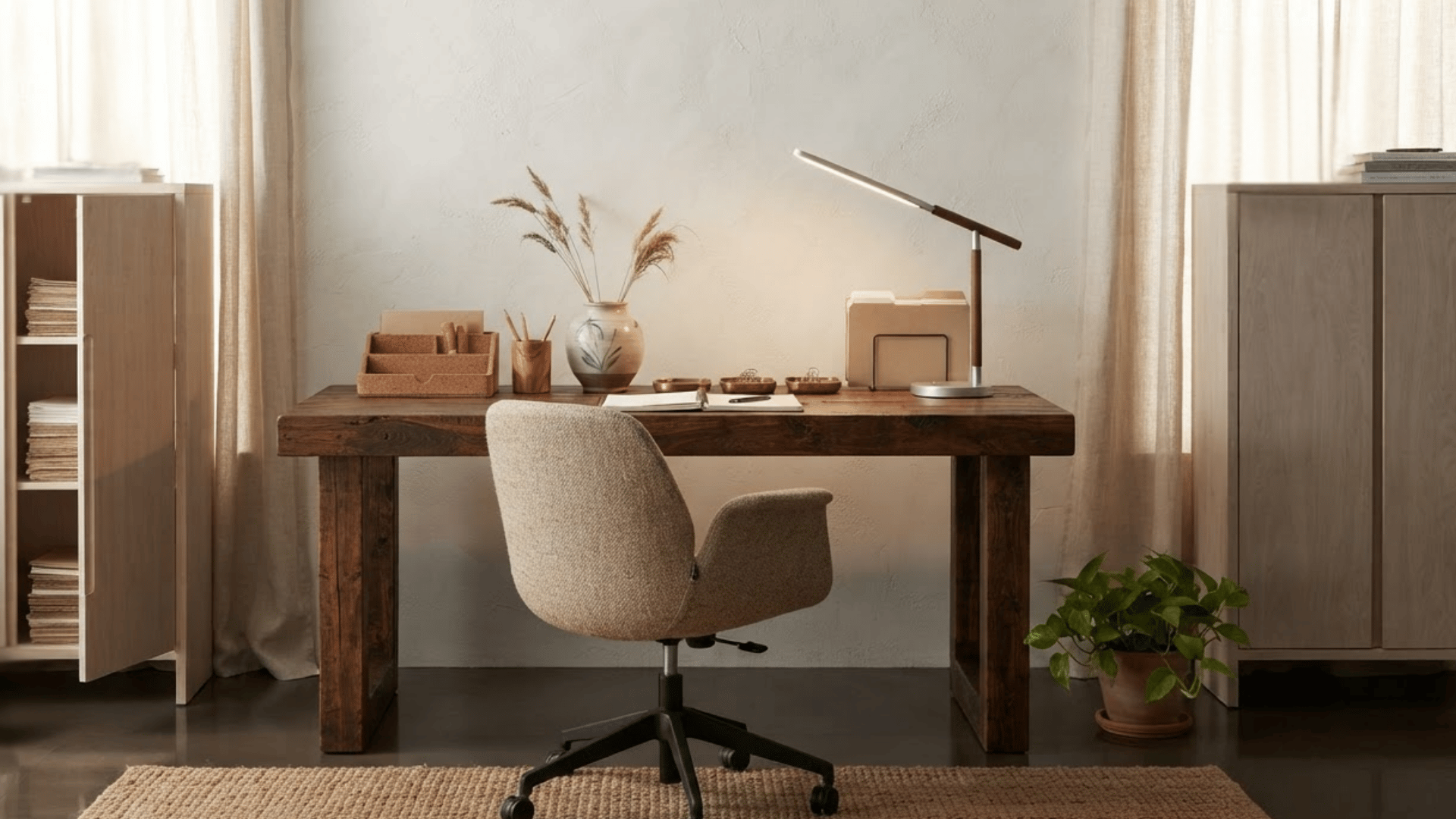
When buying new furniture, focus on how well it is made and how long it can last.
Look for strong frames, removable covers, modular parts, and responsibly sourced materials.
Pieces that can adapt to different rooms or uses are often a better choice than furniture designed only for short-term trends.
5. Maximize Natural Light
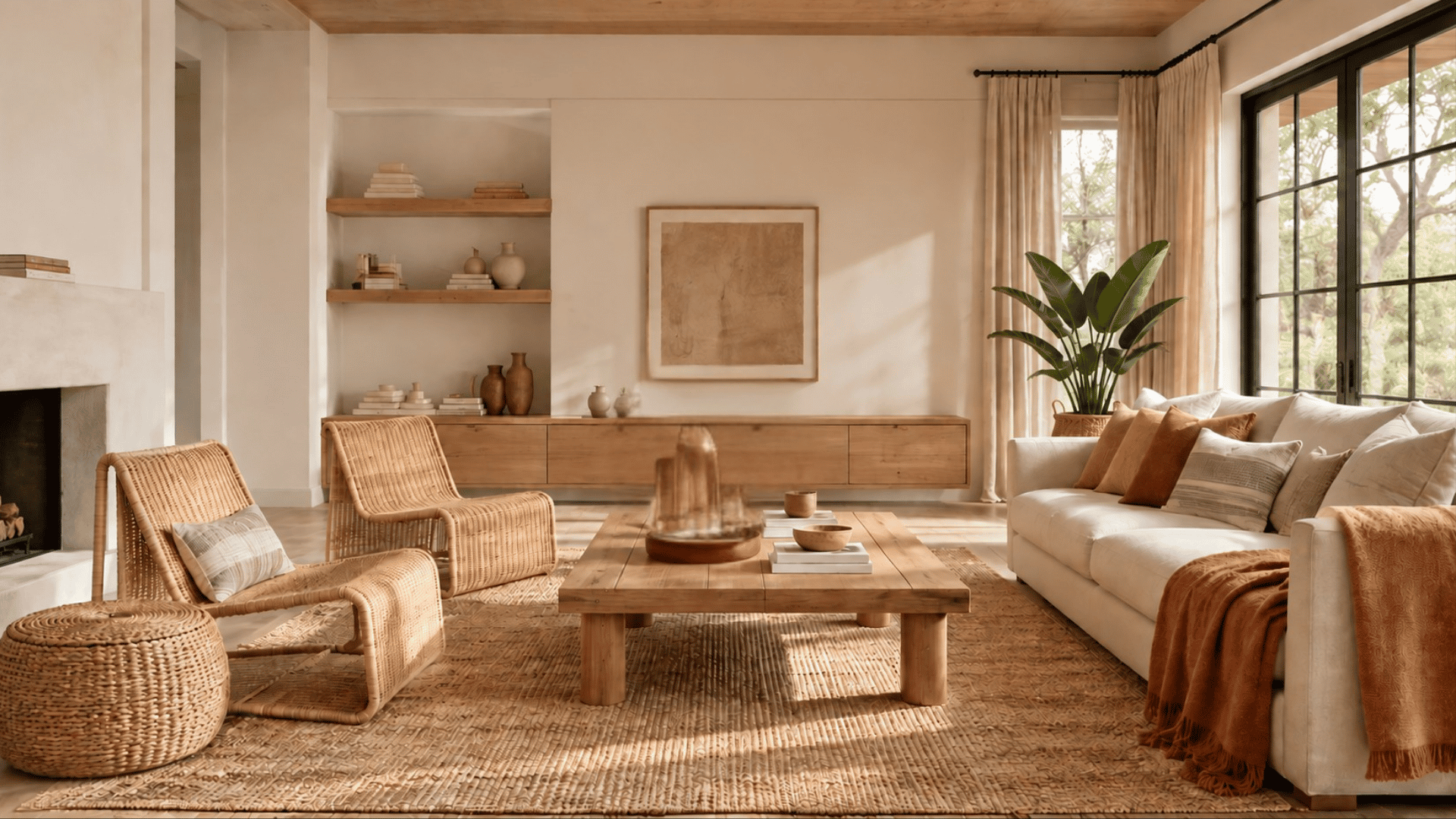
Use natural light as much as possible by keeping windows clear and arranging furniture so it does not block daylight. Light curtains, mirrors, and reflective surfaces can help spread brightness through the room.
This can make the space feel more open while reducing the need for artificial lighting during the day.
This can make even a small space feel more open, and pairing it with a few other ways to make a room feel bigger reduces how much you lean on artificial lighting during the day.
6. Use Energy-Efficient Lighting

Choose LED bulbs and use different types of lighting for different tasks. A reading lamp, kitchen task light, or soft ambient light can be more useful than keeping every fixture at full brightness.
This simple approach can improve comfort, create a better mood, and help reduce unnecessary energy use.
7. Choose Low-VOC Paints and Finishes
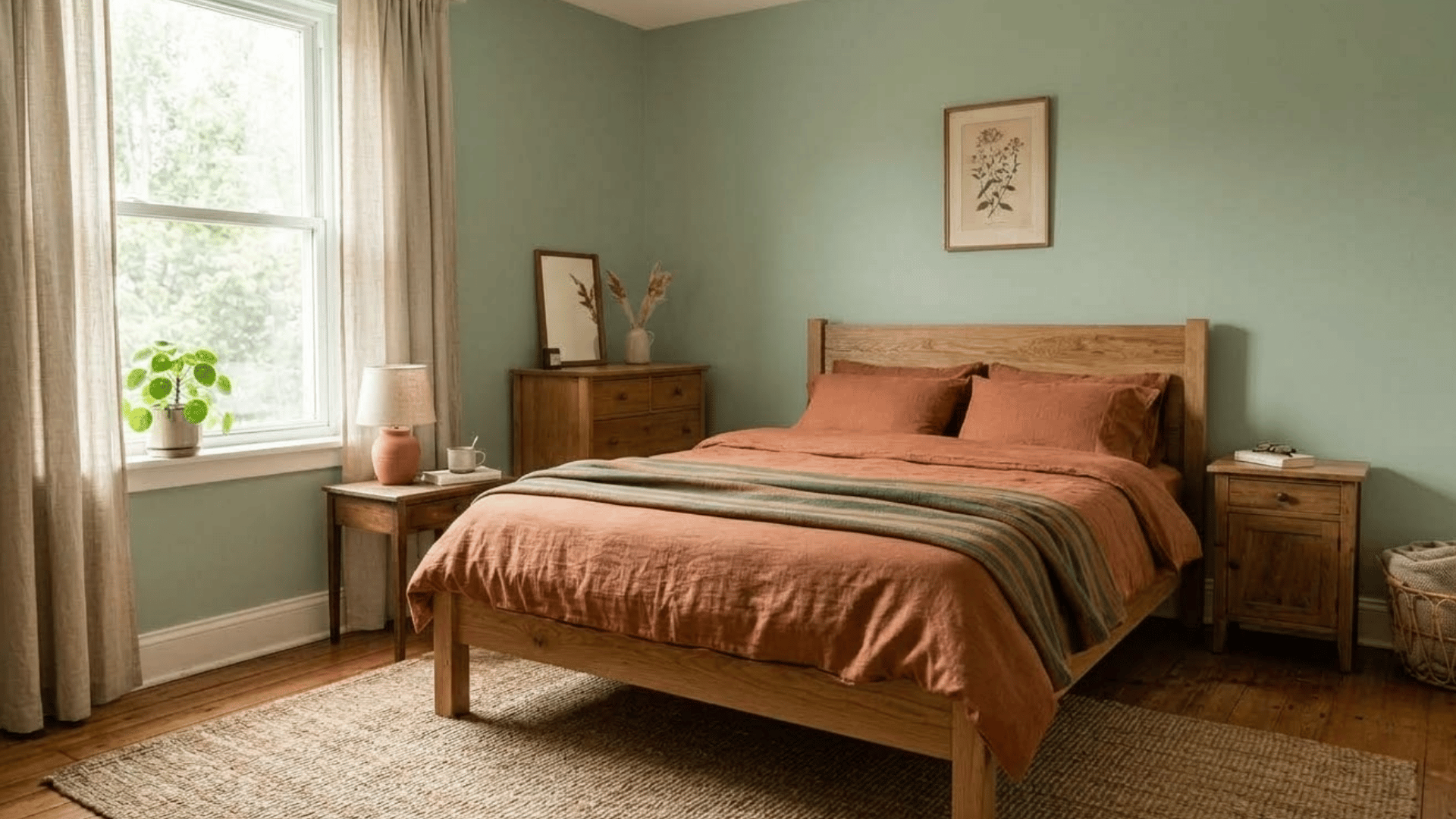
Paints, stains, adhesives, and finishes can release chemicals into indoor air, so low-VOC options are worth considering during decorating or renovation.
Choose products that suit the surface and keep the room well ventilated while they dry.
This can help create a fresher and more comfortable indoor environment.
8. Decorate With Natural and Recycled Textures
Materials such as linen, wool, cork, reclaimed wood, recycled glass, and recycled textiles can bring warmth and texture into a room.
You do not need many different materials.
A few well-chosen finishes can make the space feel layered and inviting without relying on disposable or short-lived decorative pieces.
9. Choose Classic Pieces

Use simple, long-lasting designs for larger purchases such as sofas, dining tables, beds, and storage.
Add trends through smaller items like cushions, throws, artwork, or accessories.
This makes it easier to refresh your home over time without replacing expensive furniture every few years just to keep up with changing styles.
What to Look for in Sustainable Furniture?
Sustainable furniture should be durable, repairable, and made with responsibly sourced materials. Before buying, look beyond appearance and consider how the piece was made and how long it is likely to last.
- FSC-certified wood: Look for wood sourced from responsibly managed forests.
- Durable construction: Choose sturdy frames, joints, and finishes designed for regular use.
- Repairable design: Look for replaceable cushions, covers, hardware, or individual parts.
- Responsible materials: Consider reclaimed, recycled, renewable, or certified materials.
- Transparent sourcing: Choose brands that clearly explain where their materials come from and how they make products.
Sustainable Furniture Brands to Consider
Some brands offer products with responsible sourcing, recycled materials, repairability, or recognized certifications.
|
Brand |
Best For |
Sustainability Focus |
|---|---|---|
|
Sofas and furniture |
FSC-certified wood, natural materials, and durable construction |
|
|
Modular seating |
Recycled fabrics, FSC-certified wood, and replaceable parts |
|
|
Bedroom furniture |
Reclaimed and FSC-certified wood with low-VOC finishes |
|
|
Long-lasting furniture |
Responsibly sourced wood and recycled or reclaimed materials |
|
|
Furniture and decor |
FSC-certified, Fair Trade, reclaimed, and recycled options |
How to Shop More Sustainably
Sustainable shopping is less about buying more “eco-friendly” products and more about choosing items you will use for years.
- Focus on quality: Choose durable pieces that can handle everyday use.
- Consider secondhand first: Vintage and pre-owned furniture can reduce the need for new products.
- Look for repairable designs: Replaceable covers, cushions, and hardware can extend an item’s life.
- Check trusted certifications: Look for recognized labels that support environmental or sourcing claims.
- Skip short-lived trends: Choose pieces that suit your home beyond one season.
- Plan for the future: Consider whether an item can eventually be repaired, reused, resold, or recycled.
Sustainable vs. Eco-Friendly Interior Design
|
Feature |
Sustainable Interior Design |
Eco-Friendly Interior Design |
|---|---|---|
|
Main Focus |
Long-term environmental impact |
Environmentally safer choices |
|
Materials |
Durable, recycled, reclaimed, and responsibly sourced |
Natural, recycled, or low-impact |
|
Furniture |
Repair, reuse, vintage, and long-lasting pieces |
Products made with greener materials |
|
Energy Use |
Considers lighting, heating, and efficiency |
May include energy-saving products |
|
Waste |
Prioritizes reducing waste over time |
Focuses on reducing harmful materials |
|
Overall Goal |
Create spaces that last with fewer resources |
Make choices that are gentler on the environment |
Common Mistakes to Avoid in Sustainable Interior Designing
- Buying Too Much: Filling a room with unnecessary items creates more waste.
- Following Every Trend: Trend-heavy pieces may be replaced sooner.
- Ignoring Quality: Cheap furniture often wears out faster.
- Choosing Materials by Looks Alone: Check how materials are sourced and made.
- Replacing Useful Items Too Quickly: Repair or refresh them first.
- Forgetting Energy Use: Lighting and appliances also affect sustainability.
Conclusion
Sustainable interior design does not have to mean changing your entire home at once.
I think some of the most meaningful choices start with what we already have: keeping a favorite table, restoring an older chair, or simply buying less.
As you update your space, focus on materials, quality, energy use, and pieces that can stay with you for years.
My favorite part of this approach is that sustainability can make a home feel more personal, not less stylish. Start where it makes sense for you, make changes gradually, and build a home that reflects both your style and your values.
How are you making your home more sustainable? Share your experience in the comments below.
Frequently Asked Questions
What is the Difference Between Sustainable and Eco-Friendly Interior Design?
Eco-friendly design often focuses on reducing environmental harm, while sustainable design also considers durability, sourcing, waste, energy use, and product lifecycles.
Is Sustainable Interior Design More Expensive?
Sustainable interiors can cost more upfront in some cases, but durable products and fewer replacements may reduce long-term spending.
How Can Renters Use Sustainable Interior Design?
Renters can use secondhand furniture, LED bulbs, removable decor, reusable textiles, energy-saving window coverings, and portable pieces they can take when moving.