Furniture has a way of humbling you during a move. A sofa that looked perfectly reasonable in a living room becomes an immovable object in a stairwell. A mirror that survived four house moves picks the fifth one to crack. Most damage on a long-distance move happens because people underestimate how different it is from moving across town.
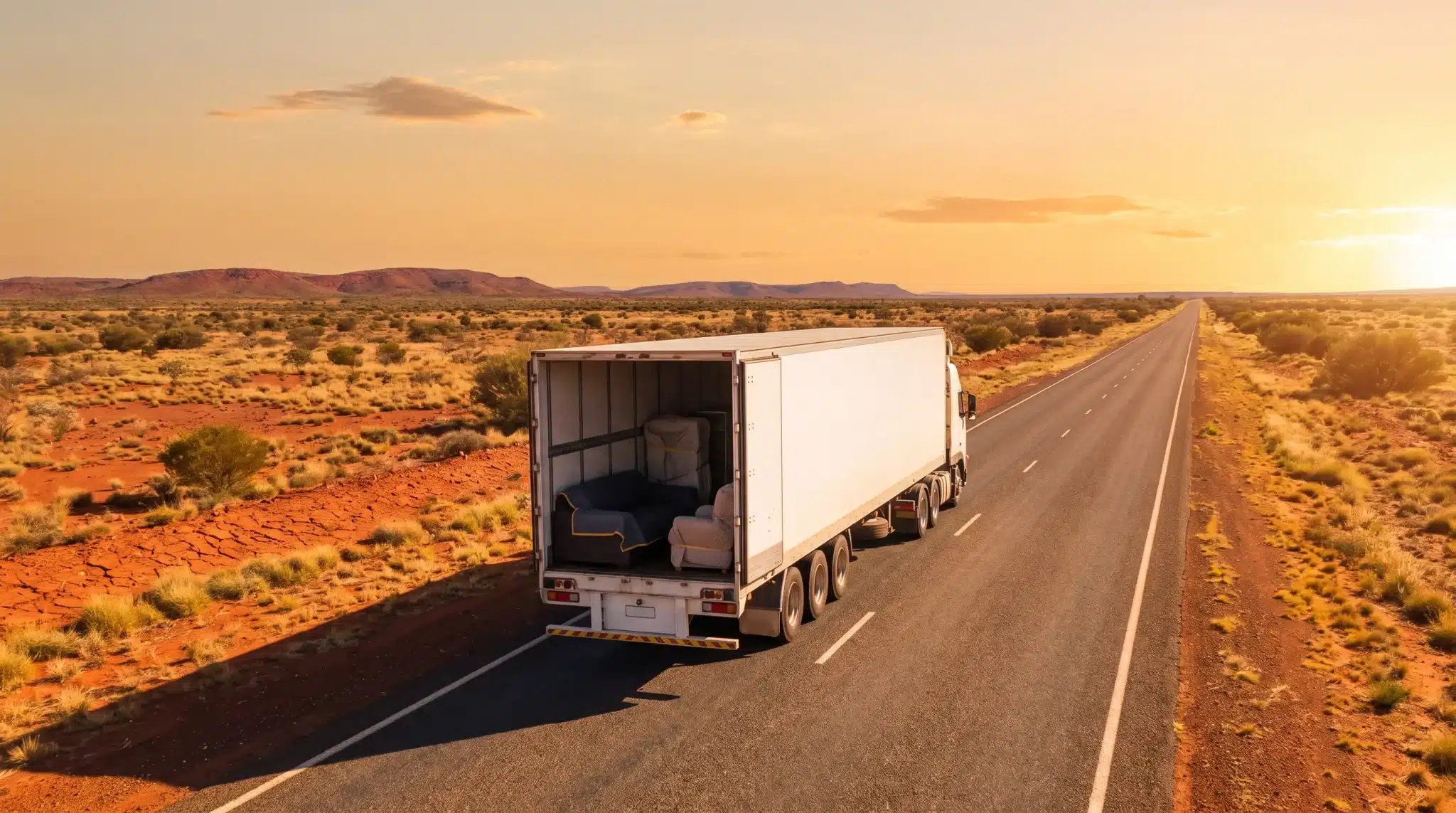
A local move forgives mistakes. A truck travelling two thousand kilometres over several days does not. Everything inside shifts, settles, vibrates, and reshuffles constantly, which means preparation matters far more than muscle.
Here is how to get an entire home across the country without losing pieces you care about.
Start With the Floor Plan, Not the Boxes
Most people begin packing far too early and planning far too late. Before a single box gets taped, measure the new place properly.
Check doorway widths, stairwell turns, ceiling heights, and lift dimensions. Then measure your largest pieces, particularly sofas, wardrobes, bed bases, and dining tables. Furniture that cannot physically enter a room is worth selling before the move rather than paying to transport and then paying again to remove.
Layout deserves the same attention. Rooms that worked in one home often fail in another, especially when you go from separate spaces to an open layout. If your new home falls into that category, this guide to small house open concept kitchen and living room ideas is a useful reality check on what will actually sit comfortably where.
Decide What Deserves the Journey
Long-distance quotes are priced on volume, so every cubic metre you eliminate saves real money.
Work through the house with three categories in mind:
- Pieces with genuine value, whether sentimental, antique, or expensive to replace
- Pieces that fit the new floor plan, measured rather than assumed
- Pieces you are keeping out of habit, which usually cost more to move than to replace
That third pile is almost always larger than expected. Flat-pack furniture rarely survives repeated disassembly, mattresses age faster than we admit, and bulky items with low resale value are the classic budget killer.
Protect Things Properly, Not Optimistically
Professional packing exists because household wrapping fails predictably. A few rules cover most of the risk.
Glass, Mirrors, and Framed Art
Never lay flat. Glass travels vertically, packed snugly between soft items so it cannot slide. Tape a large X across the face of any mirror, which holds fragments together if pressure causes a crack. Corner protectors are cheap and prevent the most common form of frame damage.
Timber Furniture
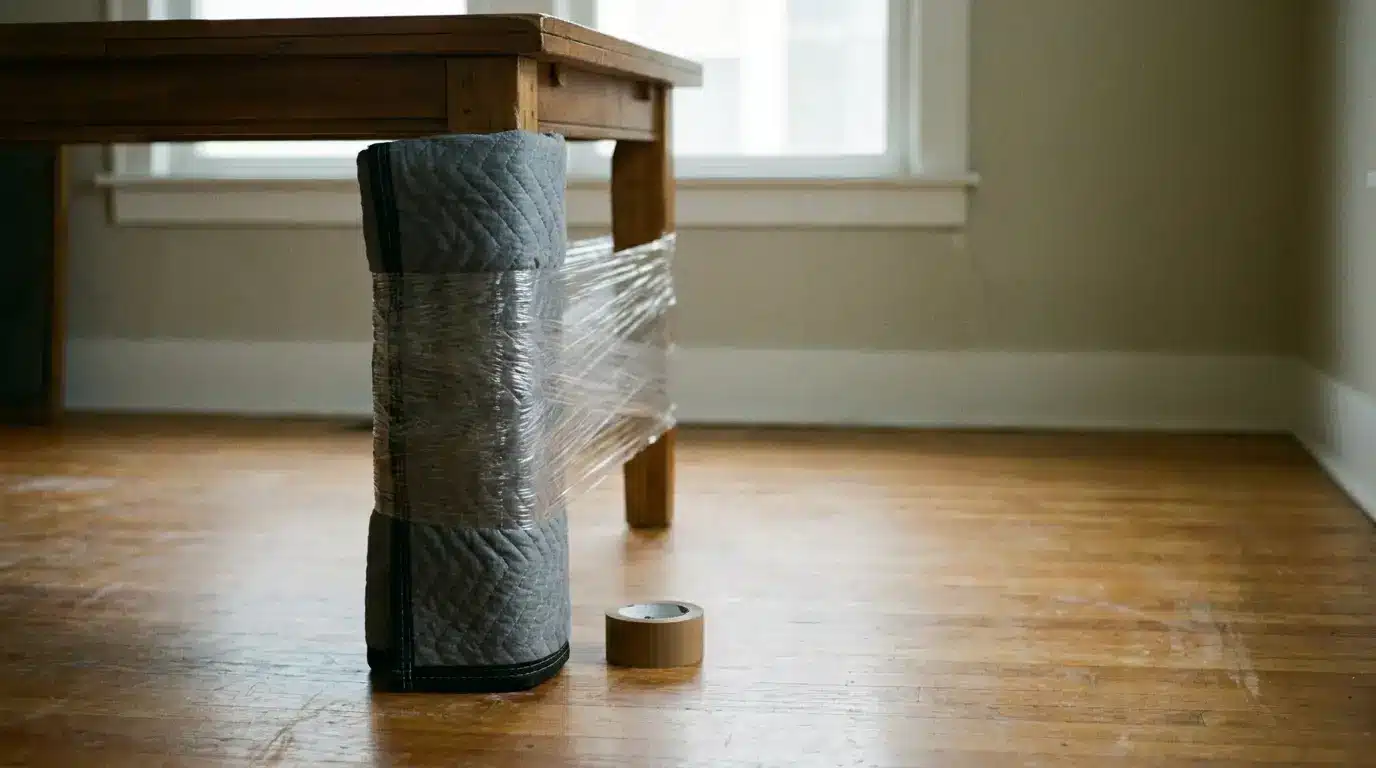
Blankets beat bubble wrap for timber. Plastic traps moisture against the surface over a multi-day journey, which lifts veneer and marks finishes. Wrap in moving blankets, then secure with stretch film over the blanket rather than directly on the wood.
Remove legs where possible. Detached legs snap far less often than attached ones.
Drawers and Doors
Empty every drawer, then tape or strap them shut. Contents shift during transit and turn a chest of drawers into a battering ram against its own frame.
Ceramics and Decorative Pieces
Wrap individually, never in groups. Fill the interior of vases and bowls with paper so they cannot implode under pressure. Pack heavy items low and light items high, and fill every gap, because empty space inside a box is where breakages happen.
Choose the Removalist Carefully
This decision carries more weight than any packing technique, and it is where people rush.
Long-distance moves involve multiple handling points, overnight stops, and sometimes transfers between vehicles. A cheap operator without proper accreditation or cover can cost you far more than the saving.
Ask directly about insurance, what is covered, and what the excess looks like. Ask whether your goods share a truck with other households and how items are tracked. Ask what happens if delivery runs late, since accommodation costs land on you when it does.
Pricing is worth interrogating too. In Australia, = comparing interstate removalists with Muval shows typical costs by route and city alongside verified companies, which is far more useful than collecting three phone quotes with no reference point. Average interstate moves from Sydney sit around $2,300, while Perth and Darwin run considerably higher, and knowing that before you call changes what a quote means.
Pack a Survival Box
One box travels with you rather than on the truck. It contains:
- Bedding for the first night, including pillows
- Toiletries, medication, and phone chargers
- Basic tools, especially an Allen key set and a screwdriver
- Kettle, mugs, and something to eat off
- Cleaning supplies for the arrival day
- Important documents in a single folder
Delivery windows on long-distance moves span days rather than hours. Living out of this box for a week is far better than living out of a suitcase in an empty house.
Label for the Unpacking, Not the Packing
Writing “kitchen” on a box helps nobody at the other end. Label the destination room and add two or three specific contents, then number every box and keep a running list on your phone.
Colour coding works even better. Assign each room a colour, tape a matching sheet to the door of the new place, and the removalists will place boxes correctly without asking a single question.
Mark fragile boxes on all four sides rather than the top. Boxes get stacked, and a label facing the ceiling becomes invisible the moment something sits on it.
Give Yourself Time to Settle
Resist the urge to unpack everything in forty-eight hours. Furniture placement usually changes once you have lived in a space for a fortnight, and rushed decisions tend to get undone.
Start with beds, the kitchen, and one comfortable room. Leave decorative items until last, since they are the pieces most affected by how light moves through a new home. Plenty of the cheapest wins come from styling rather than buying, and these ways to make a home feel more expensive on a budget apply particularly well when you are working with existing furniture in an unfamiliar room.
Final Thoughts
Getting a home across the country intact comes down to three things: knowing what fits, protecting what matters, and choosing a mover who takes the job seriously. Packing technique helps at the margins, though the decisions made weeks earlier do most of the work.
Plan properly and the move becomes tedious rather than traumatic, which is genuinely the best outcome available.