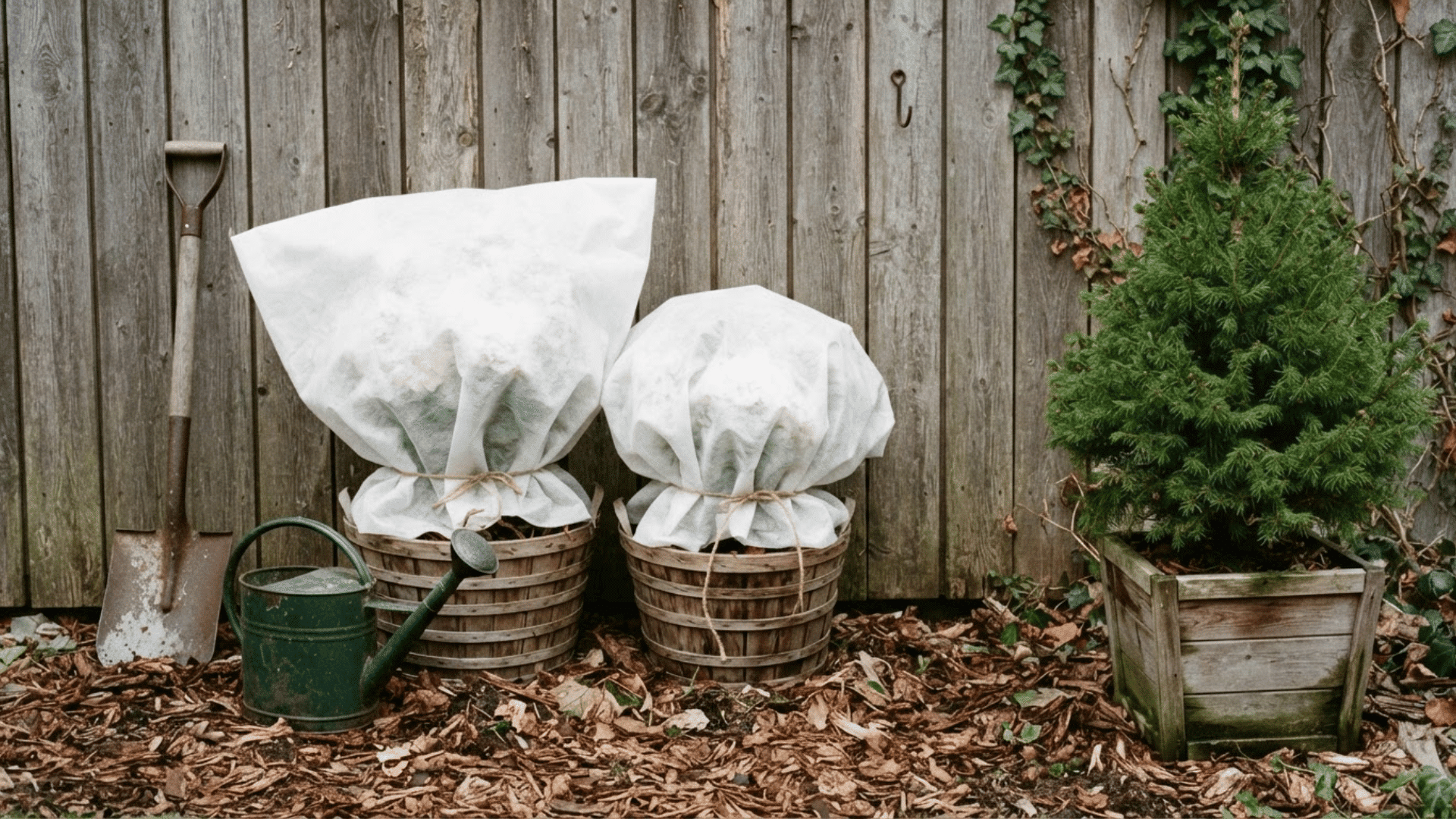
One cold night is sometimes all it takes to leave tender plants looking droopy and damaged by morning. I pay closer attention to the forecast when temperatures start dipping, especially if my garden is full of young vegetables or flowers.
Frost can arrive quickly, and figuring out what needs attention first can feel confusing. Knowing how to protect plants from frost makes those chilly nights much easier to handle.
With a little planning before sunset, you can give vulnerable plants a better chance of getting through the night.
Which Plants Need Frost Protection?
Tender plants are most likely to be damaged when temperatures fall near freezing. Check warm-season crops, young plants, and anything with soft new growth first.
-
High priority: Tomatoes, peppers, basil, beans, annual flowers, tropical plants, and seedlings
-
Extra care: Container plants because roots cool faster above ground
-
Lower risk: Kale, spinach, carrots, and established hardy shrubs
Focus on flowers, buds, young leaves, and warm-weather plants first. Hardy plants may handle light frost better, but fresh growth can still be damaged.
Prepare Your Plants Before Frost Arrives
Frost protection works best when you act before temperatures reach freezing. Check the local forecast regularly as nighttime temperatures drop into the mid-30s°F.
Identify tender vegetables, seedlings, annual flowers, tropical plants, and containers that may need extra protection.
Gather frost cloth, sheets, stakes, mulch, or household covers ahead of time so everything is ready before nightfall.
How to Protect Plants from Frost
Protecting plants before temperatures fall can reduce damage to tender leaves, flowers, stems, and young growth.
1. Cover Garden Plants With Frost Cloth
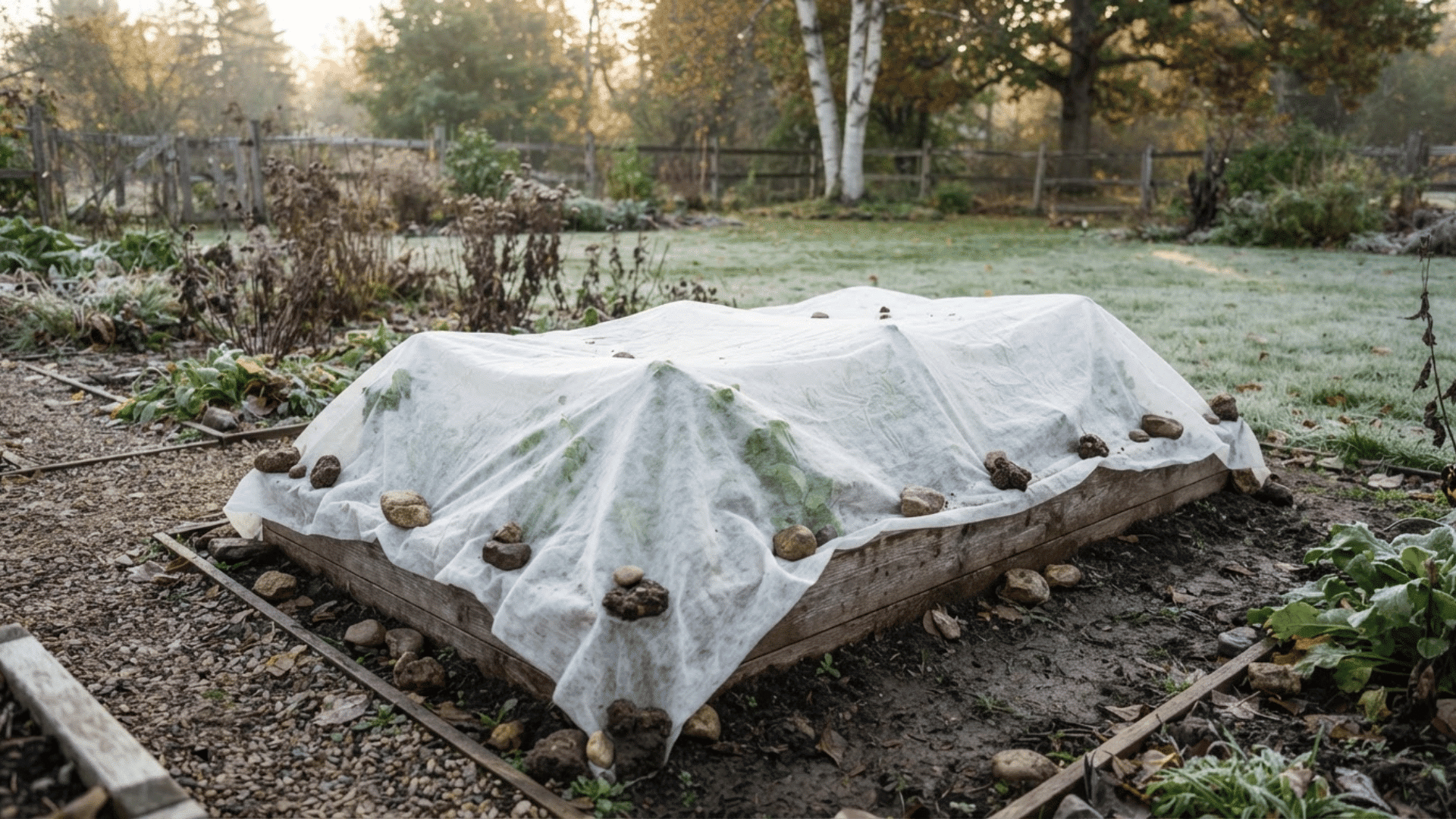
Place frost cloth or a lightweight sheet over tender plants before the temperature drops. Let the fabric reach the ground rather than wrapping it tightly around the leaves.
This helps hold warmer air close to the plant and protects delicate growth through the coldest hours.
2. Bring Potted Plants Indoors
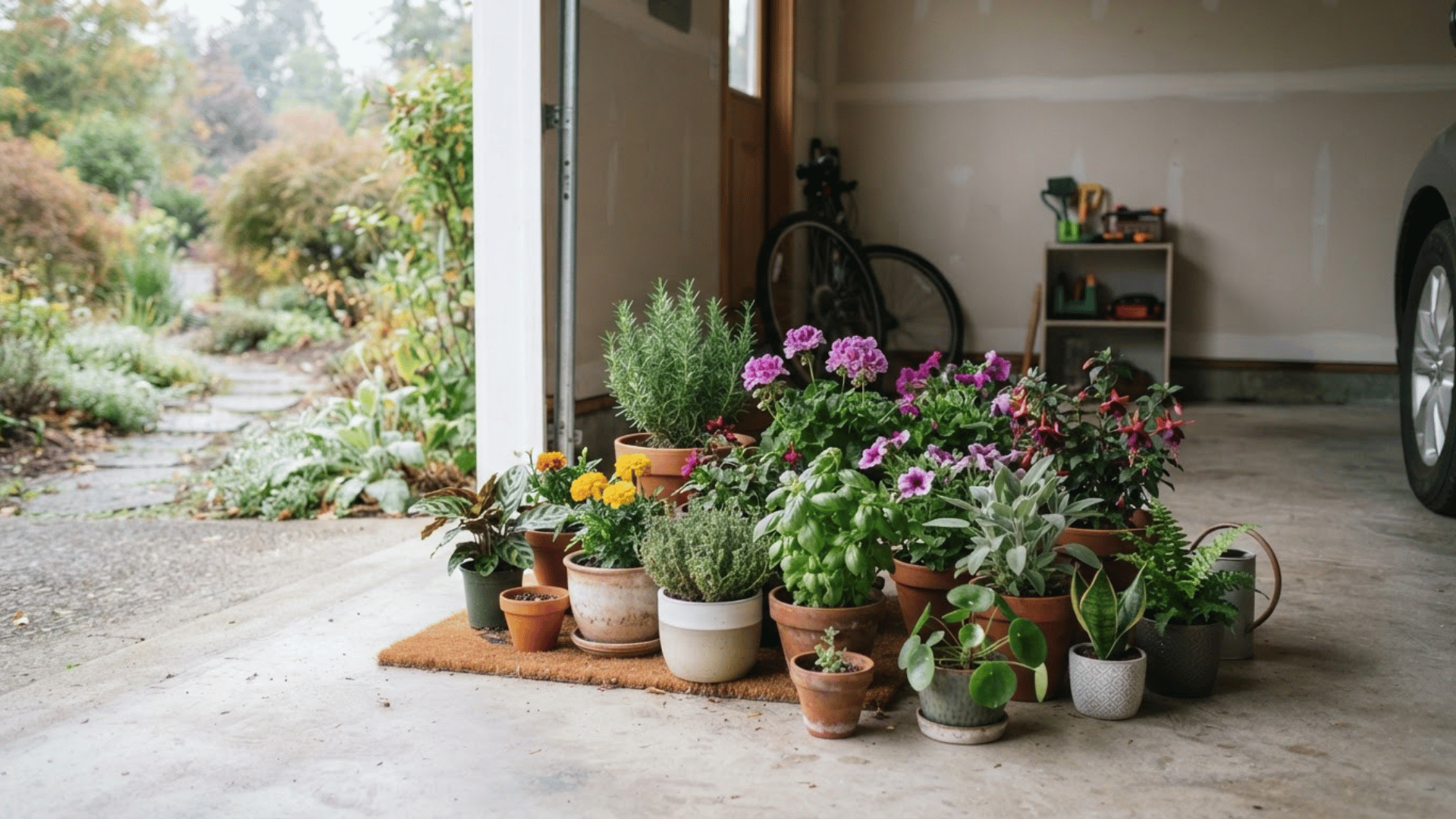
Move vulnerable potted plants into a garage, enclosed porch, shed, or another sheltered area before frost arrives. Prioritize tropical plants, tender annuals, herbs, and warm-season vegetables.
If containers are too heavy to move, group them near a protected wall and cover both the plants and pots to reduce their exposure to freezing temperatures.
3. Water the Soil Before Temperatures Drop
If the soil is dry, water plants earlier in the day before frost arrives. Moist soil holds more heat than dry soil and can release some warmth overnight.
Apply water around the root zone instead of wetting the foliage late in the evening. Skip additional watering when the soil is already adequately moist or naturally stays dry.
4. Add Mulch Around the Root Zone
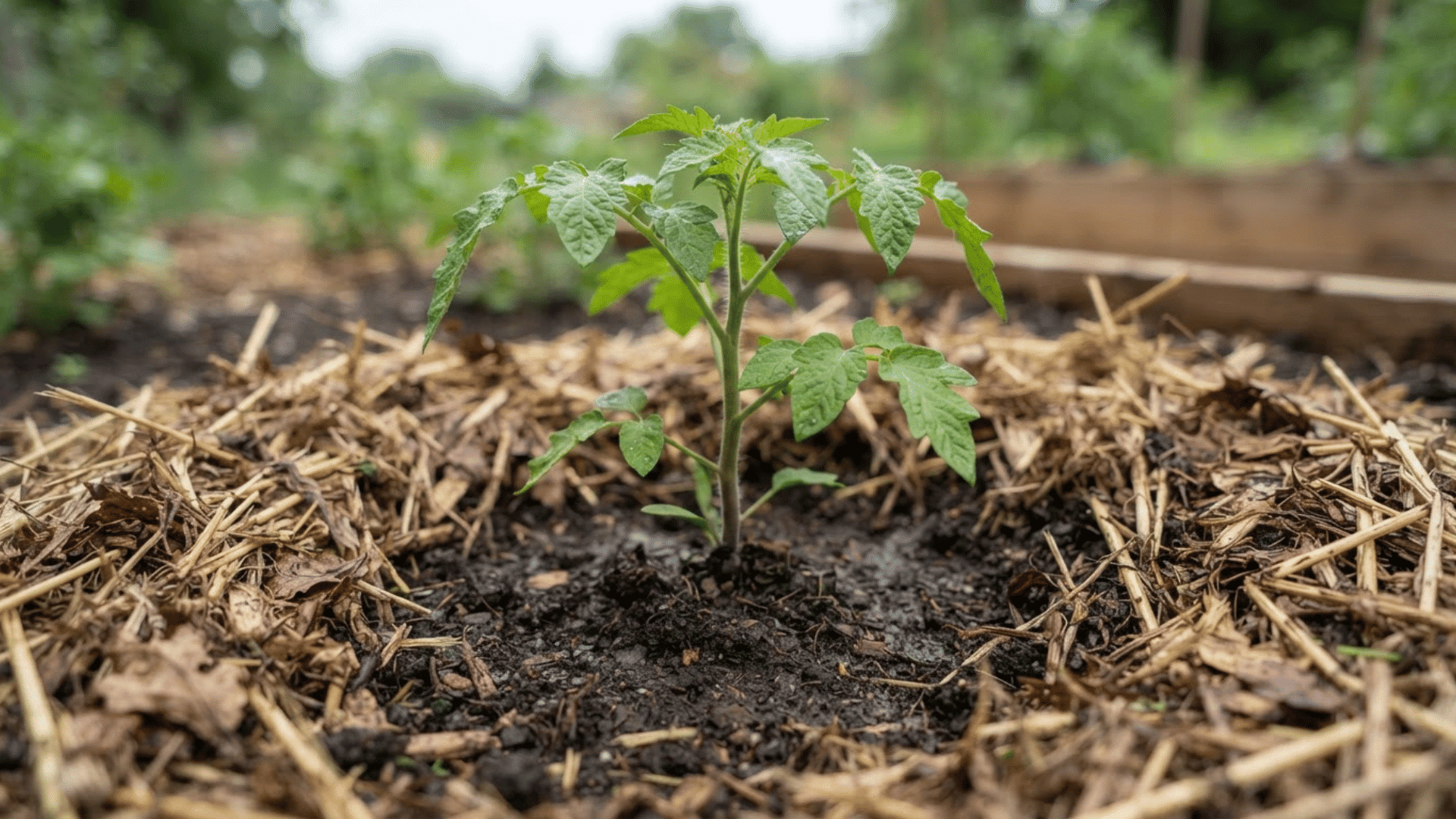
Spread straw, shredded leaves, bark, or another suitable mulch around vulnerable plants to help insulate the soil and root zone.
Apply an even layer without packing the material tightly. Keep mulch slightly away from stems, trunks, and plant crowns to prevent excess moisture from collecting directly around these sensitive parts of the plant.
5. Protect Individual Plants With Buckets or Boxes
Small seedlings and compact plants are often easier to protect one at a time. Turn a clean bucket, large plant pot, or sturdy cardboard box over each plant before frost arrives.
Make sure there is enough space inside so the cover does not bend stems or crush leaves.
6. Keep Heavy Covers Off Delicate Foliage
Place stakes, garden hoops, tomato cages, or similar supports around delicate plants before adding frost cloth or other coverings.
The structure keeps heavy material from pressing against tender foliage while creating protective space around the plant. Extend the cover toward the ground and anchor the edges securely to help retain warmth and block cold air.
7. Use Cold Frames or Low Tunnels
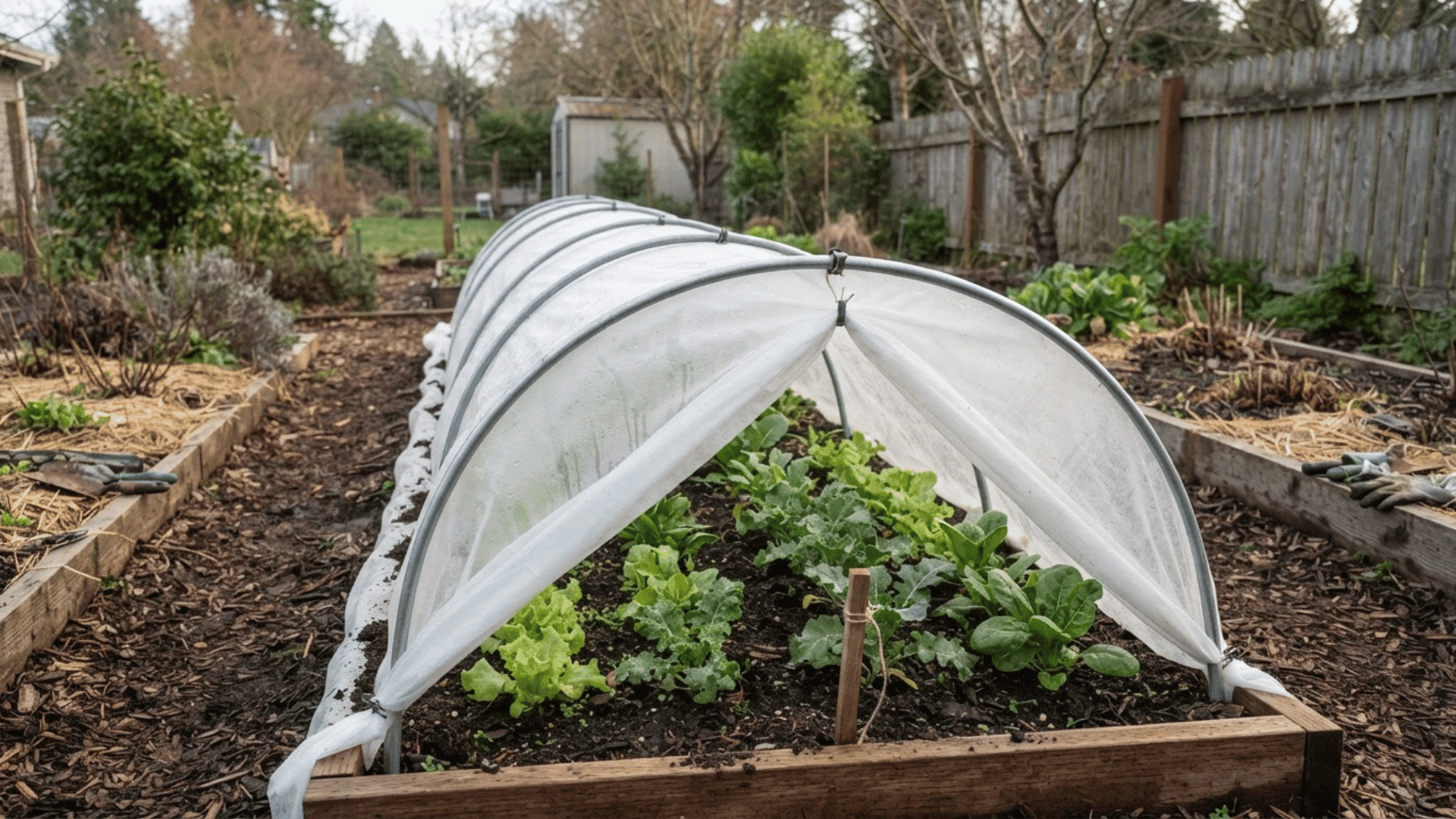
Protect larger groups of seedlings or vegetables with cold frames or low tunnels during frosty weather. Place row cover or suitable fabric over hoops to create a sheltered space above the plants.
Close the structure before temperatures fall and open it during warmer daytime conditions so plants receive adequate sunlight, airflow, and ventilation.
Frost vs. Freeze: What’s the Difference?
Frost and freeze are both cold-weather conditions, but they affect plants differently. Knowing the difference can help you understand the level of cold damage your plants may face.
|
Condition |
What Happens |
Possible Plant Effect |
|---|---|---|
|
Frost |
Ice crystals form on exposed plant surfaces, sometimes even when air temperatures are slightly above 32°F. |
Tender leaves, flowers, buds, and new growth may become damaged. |
|
Freeze |
Air temperatures and plant tissues fall below 32°F, allowing water within plant cells to freeze. |
Foliage may turn brown or black, wilt, collapse, or suffer more extensive damage. |
How to Protect Different Plants From Frost?
Different plants need different levels of frost protection depending on their cold tolerance and growth stage. Start with tender plants and new growth.
-
Vegetable Gardens: Cover tomatoes, peppers, and beans with frost cloth or row cover secured near the ground.
-
Potted Plants: Move pots into a sheltered area or group heavy containers near a protected wall.
-
Seedlings and Young Plants: Use buckets, pots, or cardboard boxes and remove them when temperatures rise.
-
Flowers and Annuals: Cover tender flowers with lightweight fabric or move containers into shelter. For seasonal flowers like marigolds, proper timing can also help reduce frost exposure when deciding when to plant marigolds.
-
Larger Plants and Shrubs: Protect young or tender shrubs with fabric supported by stakes or a frame.
Best Materials for Covering Plants From Frost
The table below compares common covering materials by what they’re best suited for, so you can grab the right one instead of whatever’s closest to the door.
|
Covering Material |
Best Use |
Important Detail |
|---|---|---|
|
Garden beds and individual plants |
Designed specifically for plant protection |
|
|
Old bedsheets |
Medium and large plants |
Lightweight and easy to drape |
|
Lightweight blankets |
Larger sturdy plants |
May need stakes for support |
|
Shrubs and larger plants |
Useful as a breathable barrier |
|
|
Row cover |
Vegetable beds and seedlings |
Works well with hoops |
|
Cardboard box |
Individual small plants |
Must be secured against wind |
|
Bucket or plant pot |
Seedlings and small plants |
Remove after temperatures rise |
|
Plastic |
Outer weather barrier only |
Keep it from touching foliage |
Common Frost Protection Mistakes
Even simple protection can become less effective when it is applied too late or incorrectly.
-
Covering too late: Cover plants before temperatures reach freezing.
-
Covering only foliage: Extend covers to the ground to retain soil warmth.
-
Leaving edges open: Secure covers with stones or landscape pins.
-
Plastic touching leaves: Keep plastic above foliage with stakes or hoops.
-
Using heavy blankets: Support them with a frame to protect fragile plants.
-
Leaving covers on all day: Remove them when temperatures rise.
-
Covering every plant: Prioritize tender plants, seedlings, and new growth.
-
Waiting until frost arrives: Keep protection materials ready ahead of time.
Conclusion
A sudden frost can be stressful, but a little preparation can help keep vulnerable plants safe through chilly nights.
I find that watching the forecast and having covers ready makes the whole process much easier. Focus on tender plants first, protect them before temperatures fall, and check their condition once warmer weather returns.
Even small steps can help reduce cold damage and keep your garden healthy as the seasons change. Keep these frost protection tips handy so you can act quickly the next time temperatures unexpectedly drop.
Frequently Asked Questions
Can Frost Damage Plant Roots?
Frost mainly affects exposed growth, but prolonged freezing can damage shallow roots. Container plants are especially vulnerable because their soil loses heat faster.
How Can You Tell if a Plant Has Frost Damage?
Frost-damaged plants may develop wilted, curled, brown, black, or water-soaked leaves. Damage often becomes more noticeable after temperatures rise.
Should You Prune Plants After Frost Damage?
Avoid pruning immediately after frost. Wait until the damage is clear and the risk of further freezing has passed before removing dead growth.