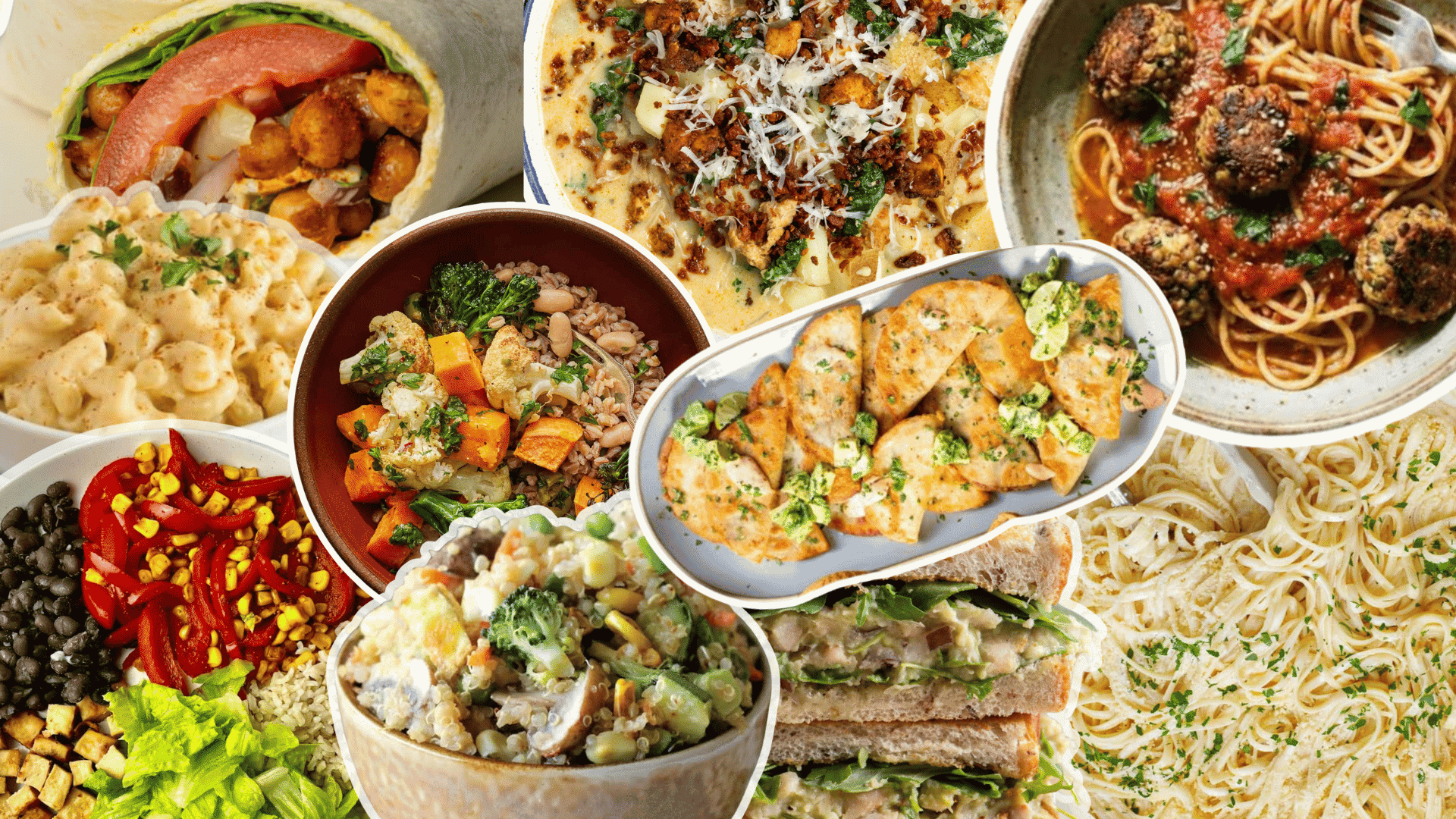
A good dinner should feel comforting, not like another task waiting at the end of a busy day.
When time is limited, I often prefer meals that keep the cooking process simple while still bringing plenty of flavor to the table.
One-pot vegetarian dinners fit naturally into those evenings, especially when I want something warm, hearty, and inviting without creating a pile of dishes.
From creamy favorites to colorful, vegetable-filled meals, there are plenty of options to suit different cravings.
My favorite part is how ordinary ingredients can come together in satisfying ways, making weeknight dinners feel a little more enjoyable.
Key Takeaways
|
How to Build a Filling High-Protein Vegetarian Meal?
A filling vegetarian meal needs more than a large portion of vegetables. Protein, fiber, carbohydrates, and fat each contribute to a meal that feels substantial.
- Protein target: Build each dinner around at least 20 grams of protein per complete serving.
- Main protein: Start with tofu, tempeh, seitan, beans, lentils, eggs, cottage cheese, Greek yogurt, paneer, or another substantial source.
- Supporting protein: Add edamame, quinoa, nuts, seeds, whole-grain bread, cheese, or a higher-protein sauce.
- Fiber source: The American Heart Association recommends including beans, lentils, vegetables, or whole-grain bread to focus on fiber needs in a meal.
- Satisfying fat: Use avocado, tahini, nuts, seeds, cheese, or olive oil in a suitable portion.
- Complete serving: Anyone learning how to track macros should calculate the entire plate, including sauces, toppings, grains, and sides.
Quick Vegetarian Protein-Packed Meals
These filling vegetarian meals combine dependable protein sources, bold flavors, and practical ingredients for satisfying everyday meal plans.
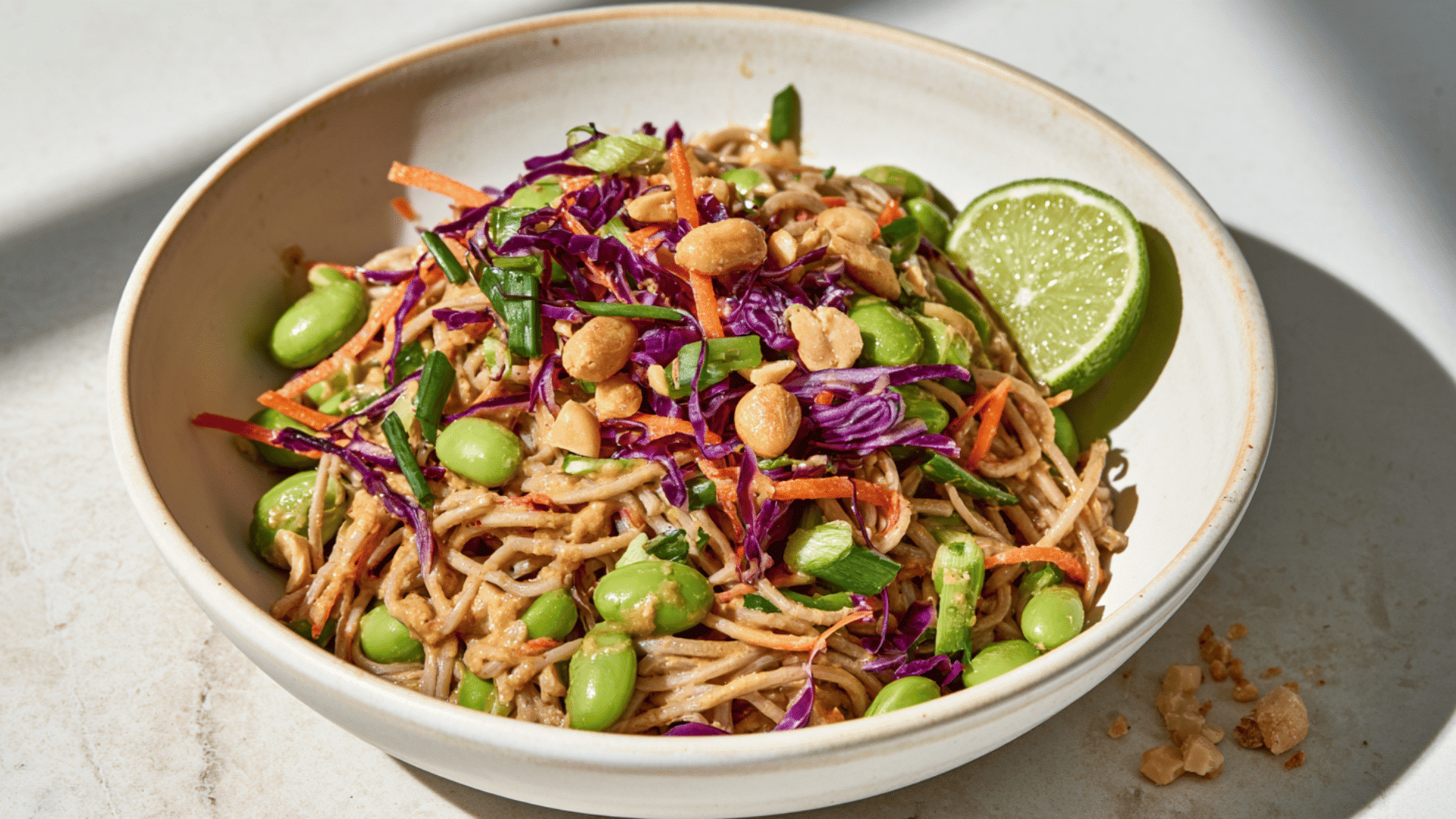
1. Spicy Edamame Peanut Noodles
Protein: About 30 grams
Time: 25 minutes
Best for: Quick vegan dinners
The combination of edamame, peanuts, and soba noodles makes this a filling, protein-rich meal without requiring a long ingredient list.
A sauce of peanut butter, soy sauce, garlic, and lime gives the noodles their creamy, savory finish.
Save time by mixing the sauce while the noodles cook. Shredded vegetables can be added at the end for crunch, and the finished noodles can be refrigerated for a cold lunch
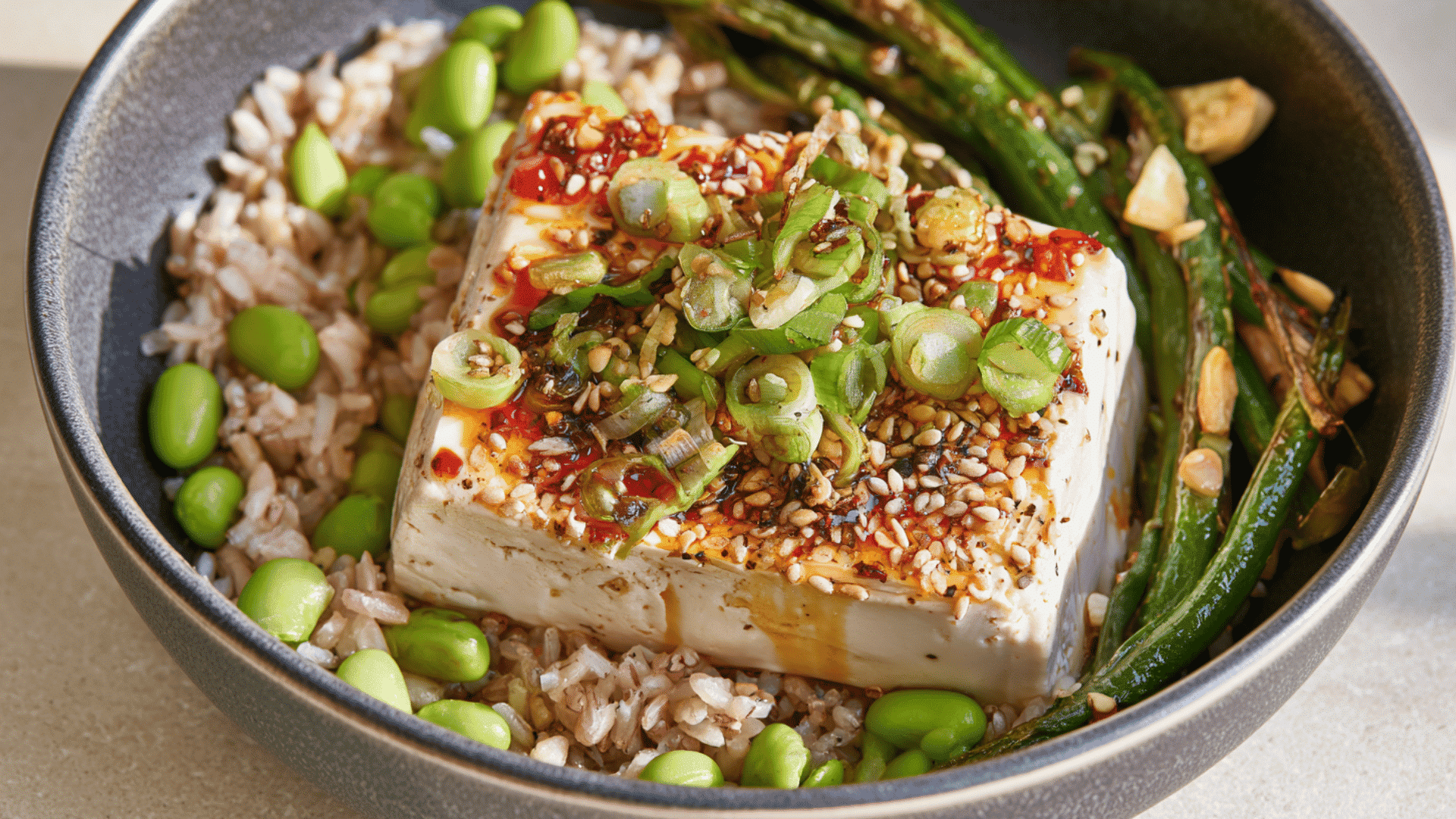
2. Chili Garlic Silken Tofu
Protein: About 25 grams
Time: 20 minutes
Best for: Minimal cooking
Soft silken tofu, crisp green beans, and edamame give this dinner a mix of creamy and crunchy textures. A spoonful of hot chili garlic oil brings heat and savory flavor without requiring much time at the stove.
Spoon everything over brown rice or quinoa for a more substantial meal. If you prefer tofu with more bite, swap the silken variety for baked or pan-cooked extra-firm tofu
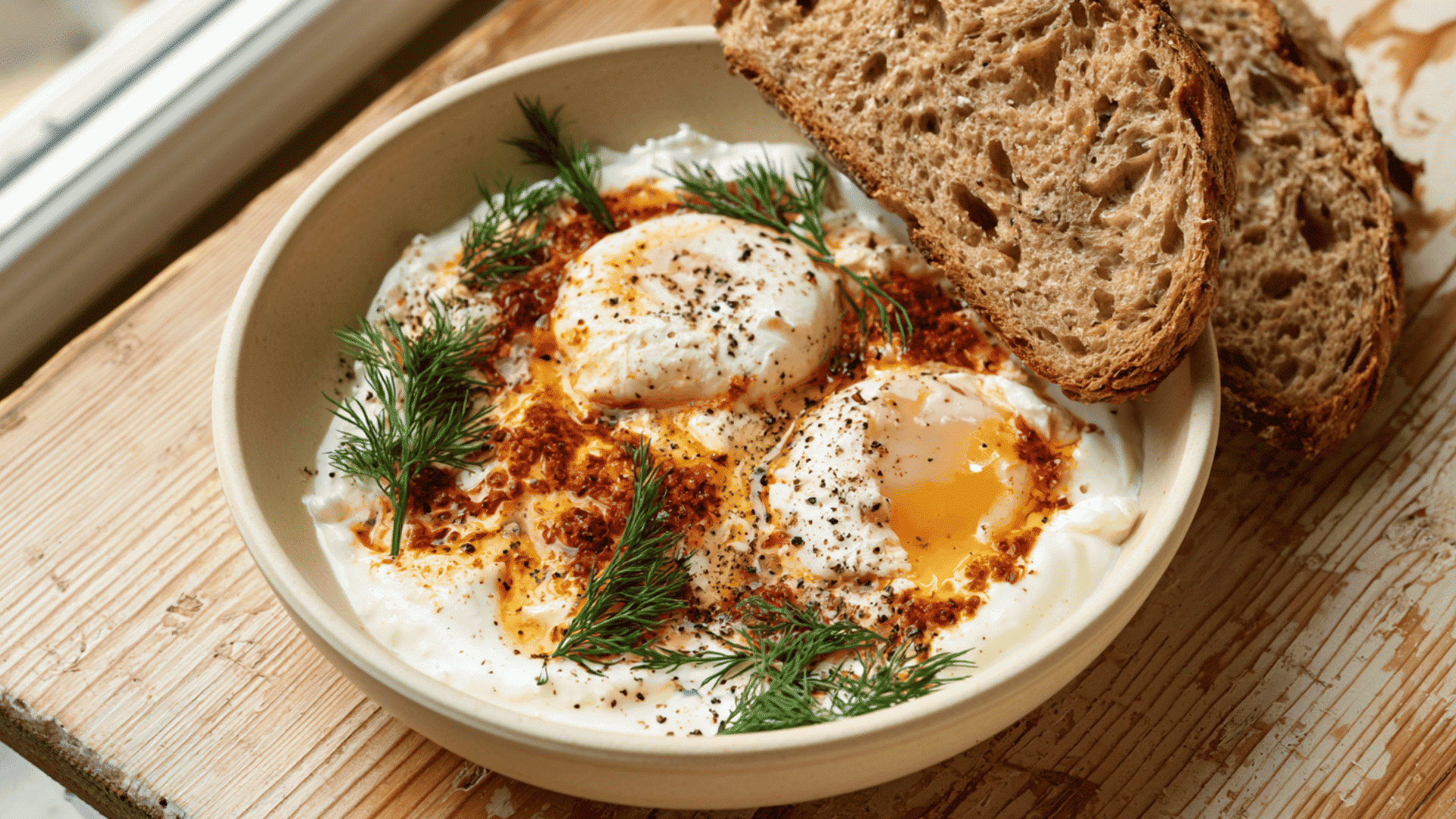
3. Cilbir, or Turkish Eggs
Protein: About 29 grams
Time: 25 minutes
Best for: Egg-based dinners
Cilbir pairs poached eggs with thick garlicky Greek yogurt and warm chili butter for a rich, savory dinner. Whole-grain toast rounds out the plate while contributing additional protein and fiber.
Choose strained Greek yogurt for a thick, creamy base. Finish with fresh dill, parsley, or mint to cut through the richness and add a fresh herbal note
4. Buffalo Chickpea Wraps
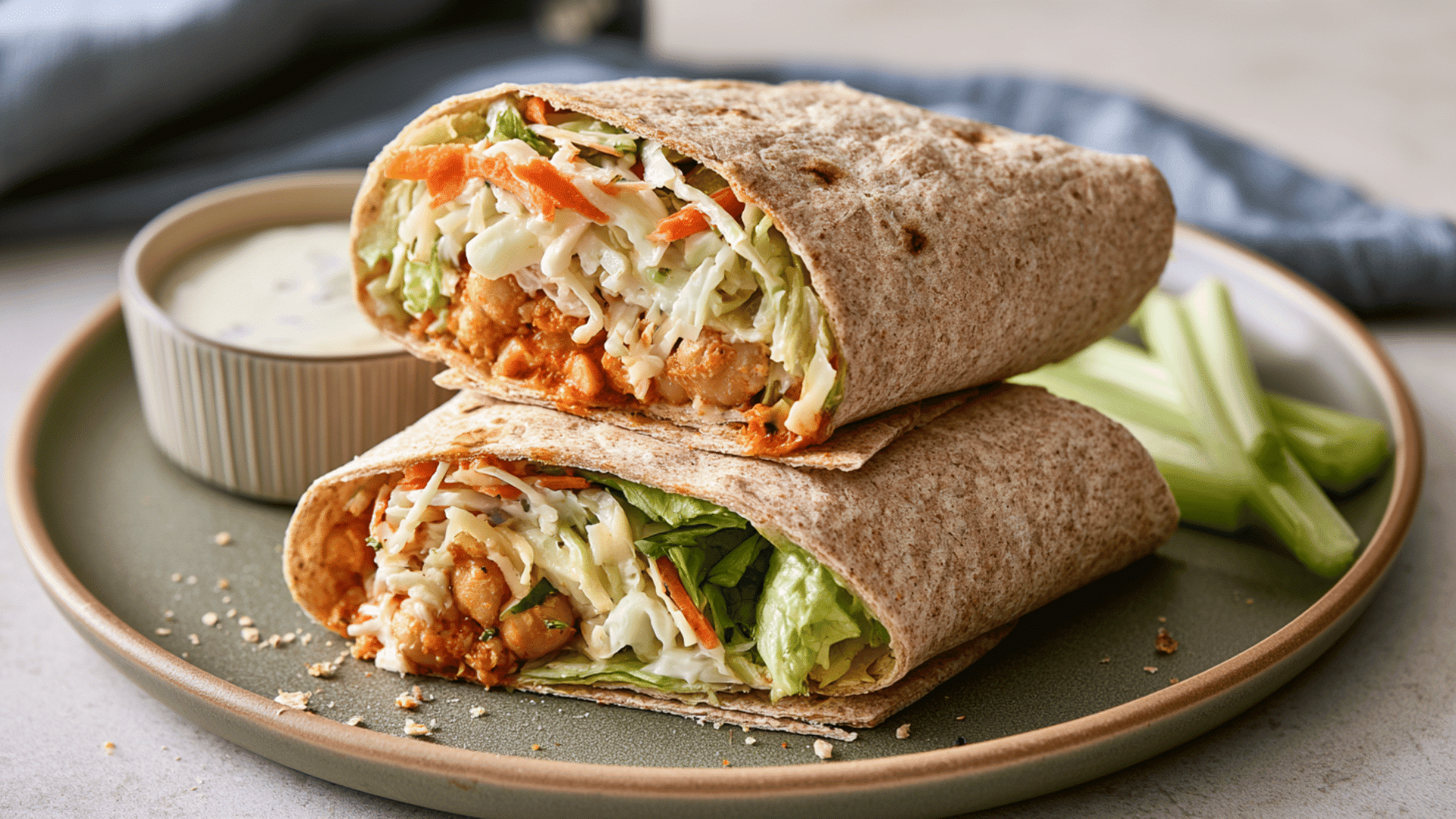
Protein: About 22 grams
Time: 25 minutes
Best for: Lunch or dinner meal prep
For a vegetarian meal you can prep ahead, these wraps turn buffalo-coated chickpeas into a quick, spicy filling.
Cabbage, carrots, lettuce, and celery add plenty of crunch, while Greek yogurt ranch and shredded cheese help increase the protein.
Prepare the chickpea mixture and vegetables in advance, but keep them separate from the tortillas. Assemble the wraps close to serving so they stay firm rather than turning soggy.
5. Teriyaki Tofu Rice Bowl
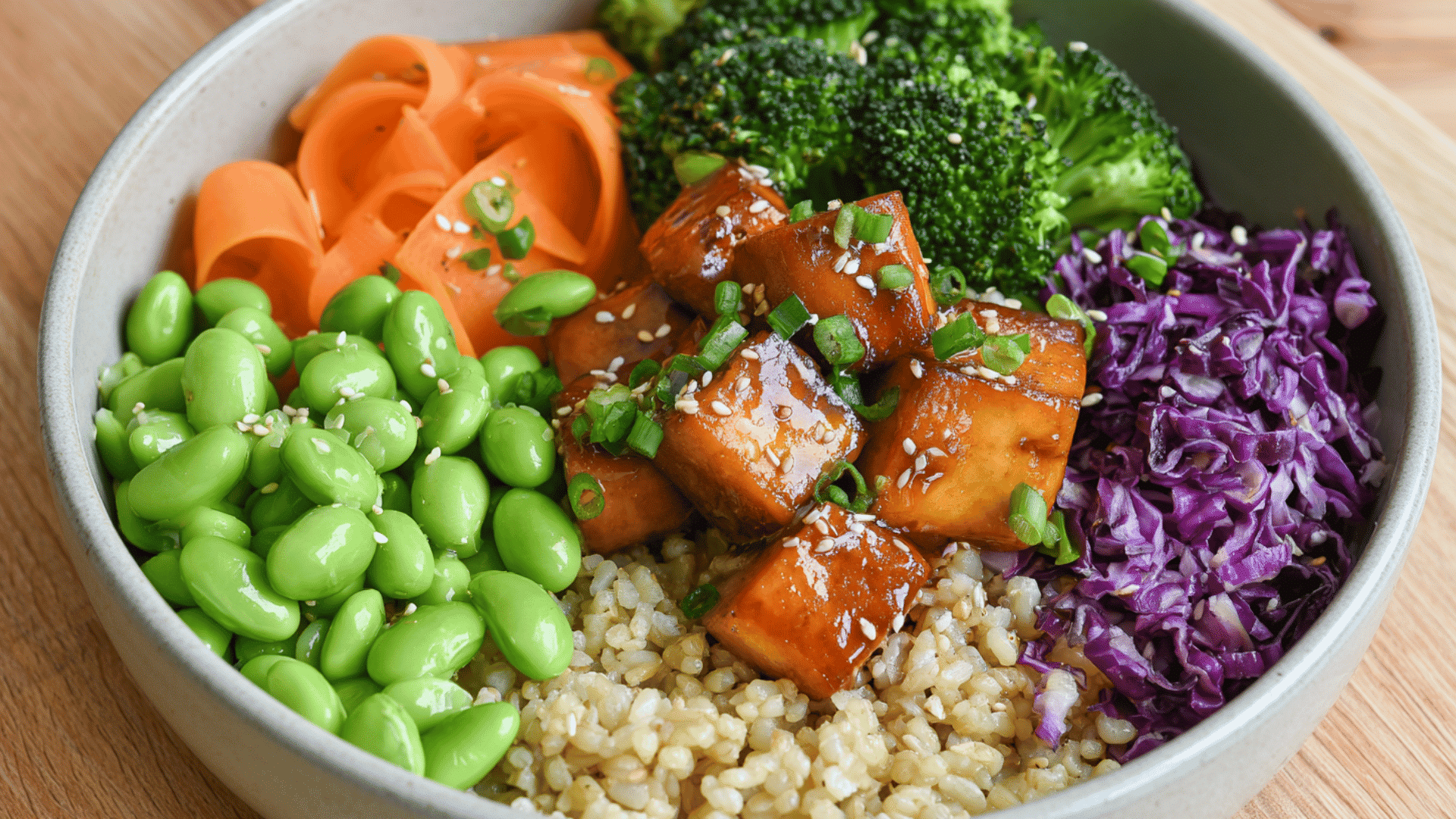
Protein: About 28 grams
Time: 35 minutes
Best for: Balanced vegan dinners
Start with rice, pile on teriyaki-glazed tofu, then add edamame, broccoli, carrots, and cabbage for a colorful bowl with about 28 grams of protein.
Tofu and edamame contribute most of that protein while the vegetables add texture and variety.
Short on time later in the week? Cook the rice and vegetables ahead and refrigerate them separately. Quinoa or a brown rice-quinoa blend can also replace the rice when you want a different grain base
6. Cucumber Sandwich
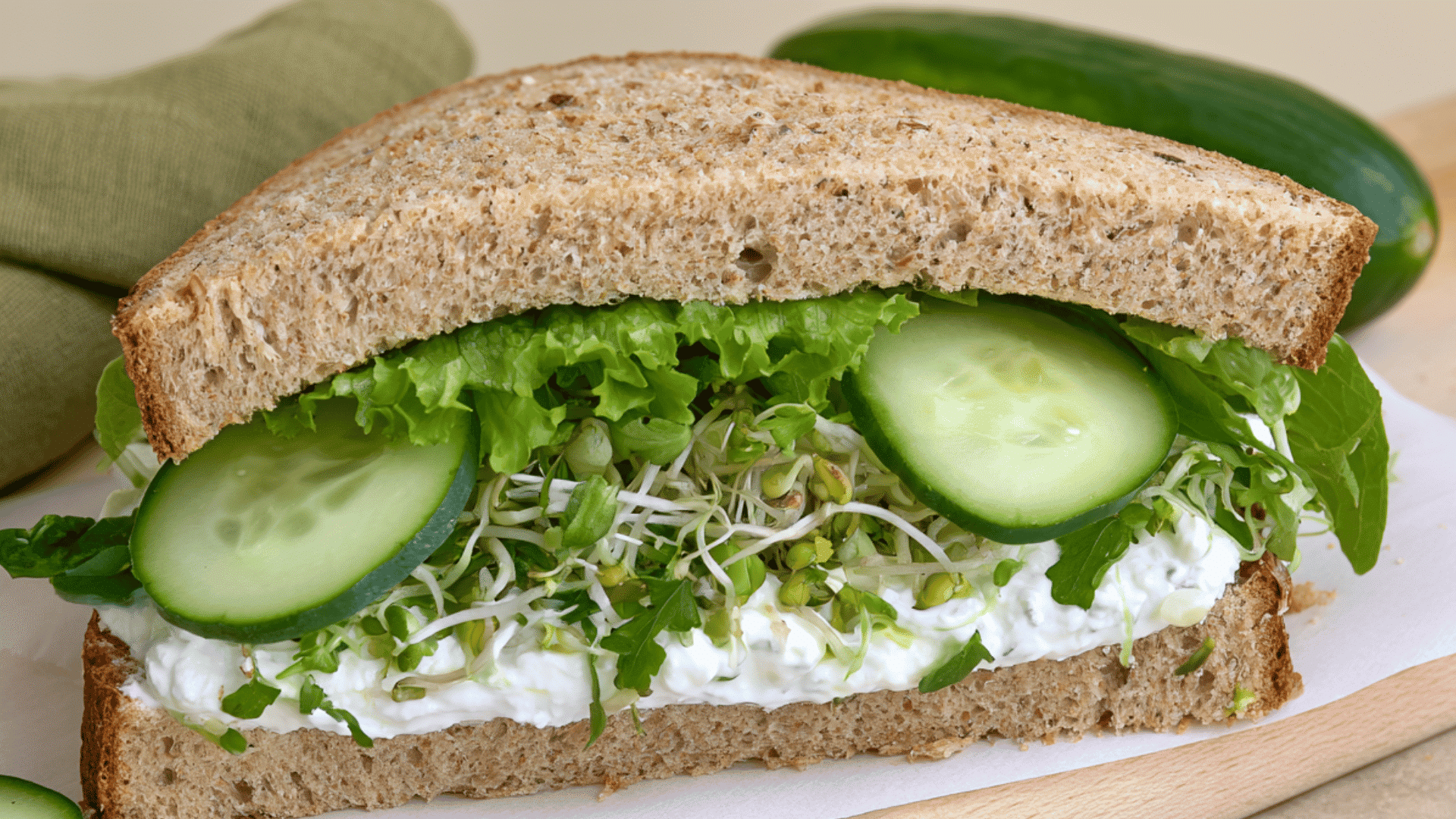
Protein: About 25 grams
Time: 15 minutes
Best for: No-cook lunches
Whipped cottage cheese seasoned with miso, soy sauce, and rice vinegar forms a creamy sandwich filling. Cucumber, sprouts, and lettuce add a crisp contrast.
Choose whole-grain bread with at least four grams of protein per slice. Draining excess liquid from the cucumber prevents the bread from becoming soggy.
7. Crispy Baked Refried Bean Tacos
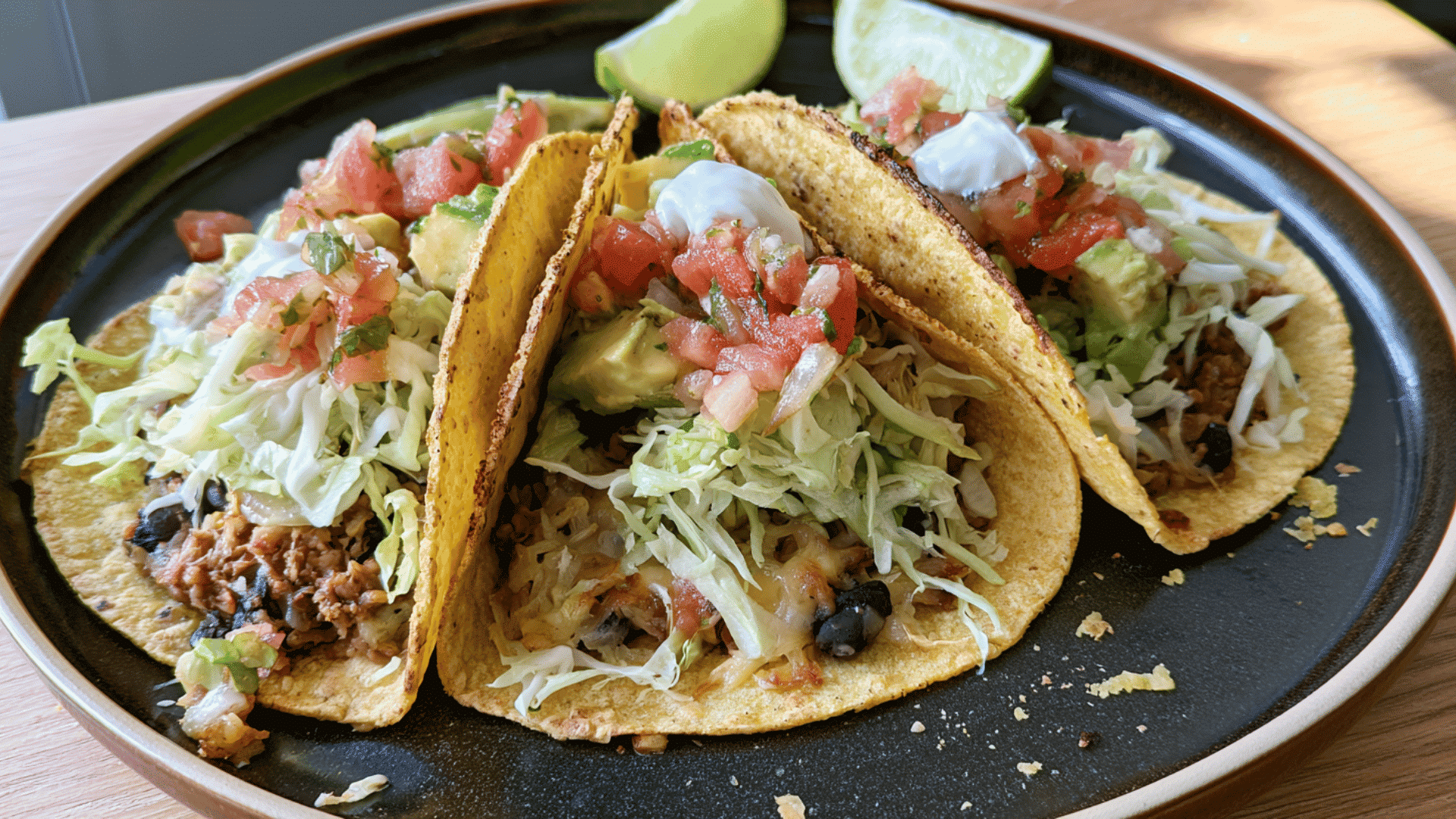
Protein: About 23 grams
Time: 30 minutes
Best for: Affordable family dinners
Corn tortillas filled with refried beans and cheese become crisp in the oven. Cabbage, salsa, avocado, and Greek yogurt complete the serving.
Use vegetarian refried beans because some traditional products contain lard. Black bean refried beans can provide a firmer texture and deeper flavor.
Protein-Packed Bowls, Wraps, and Salads
These protein-packed bowls, wraps, and salads combine fresh vegetables, hearty grains, and satisfying vegetarian protein sources.
8. Tofu Bowl
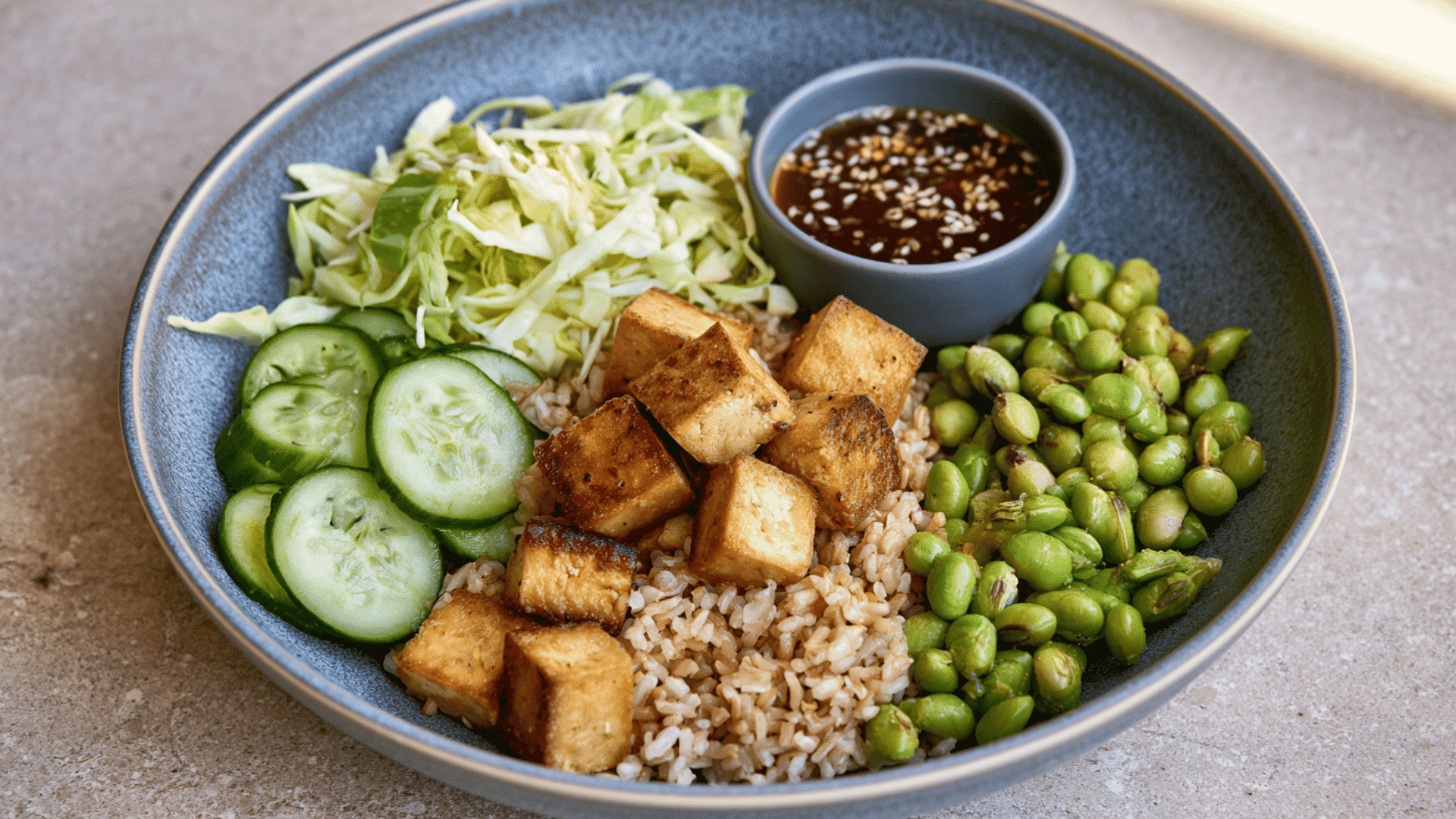
Protein: About 28 grams
Time: 35 minutes
Best for: Meal preparation
Crispy tofu, brown rice, edamame, cabbage, cucumber, and ginger soy dressing create a colorful dinner bowl.
Store the tofu, vegetables, rice, and dressing in separate containers. Reheat the tofu and rice before adding the cold vegetables and sauce.
9. Black Bean Buddha Bowl With Avocado Pesto
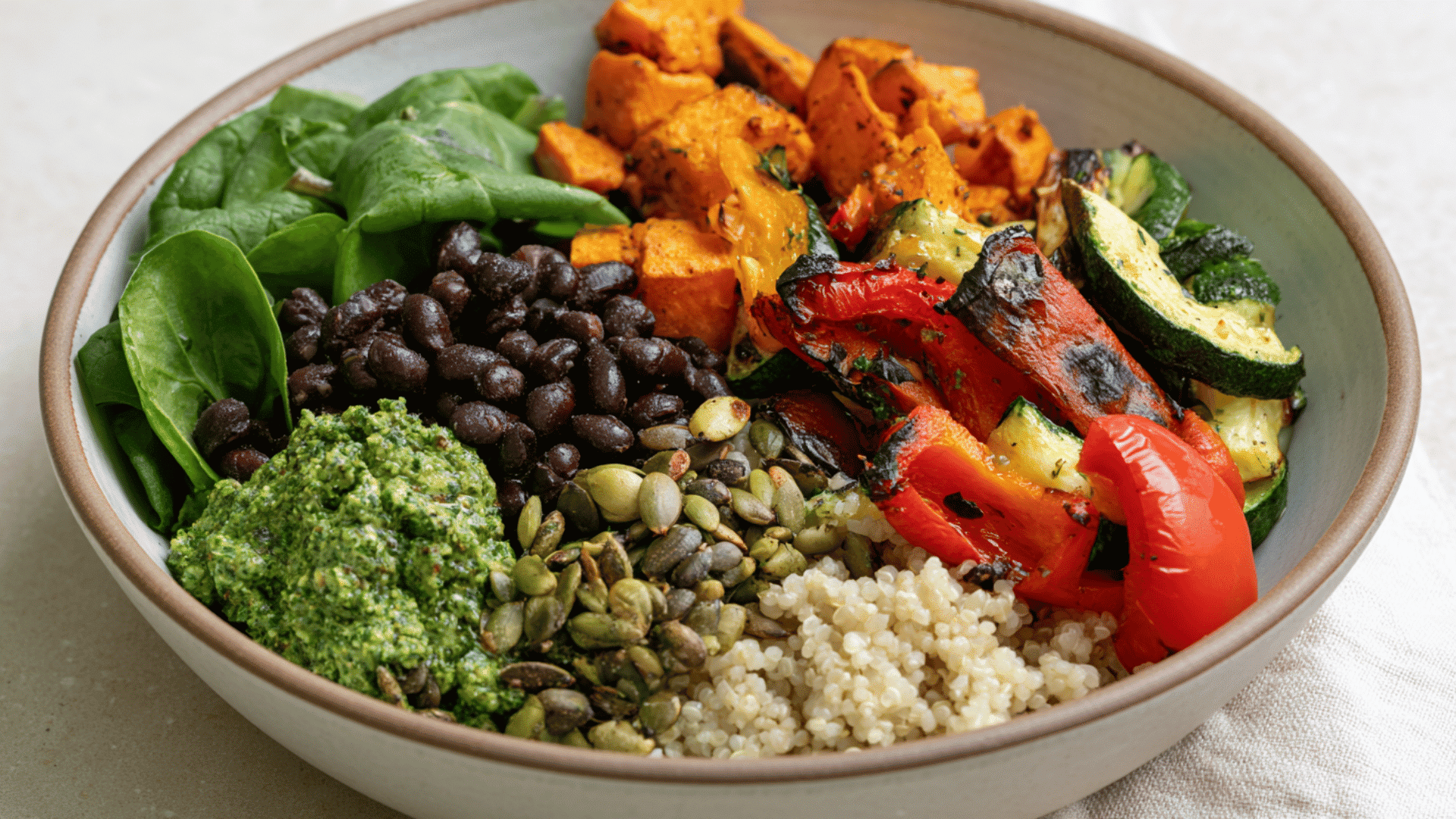
Protein: About 24 grams
Time: 40 minutes
Best for: Fiber-rich dinners
Black beans, quinoa, roasted vegetables, greens, and avocado pesto provide protein, fiber, and contrasting textures.
Pumpkin seeds add crunch and another small protein boost. Prepare the quinoa and roasted vegetables ahead to reduce the assembly time.
10. Vermicelli Noodle Bowl
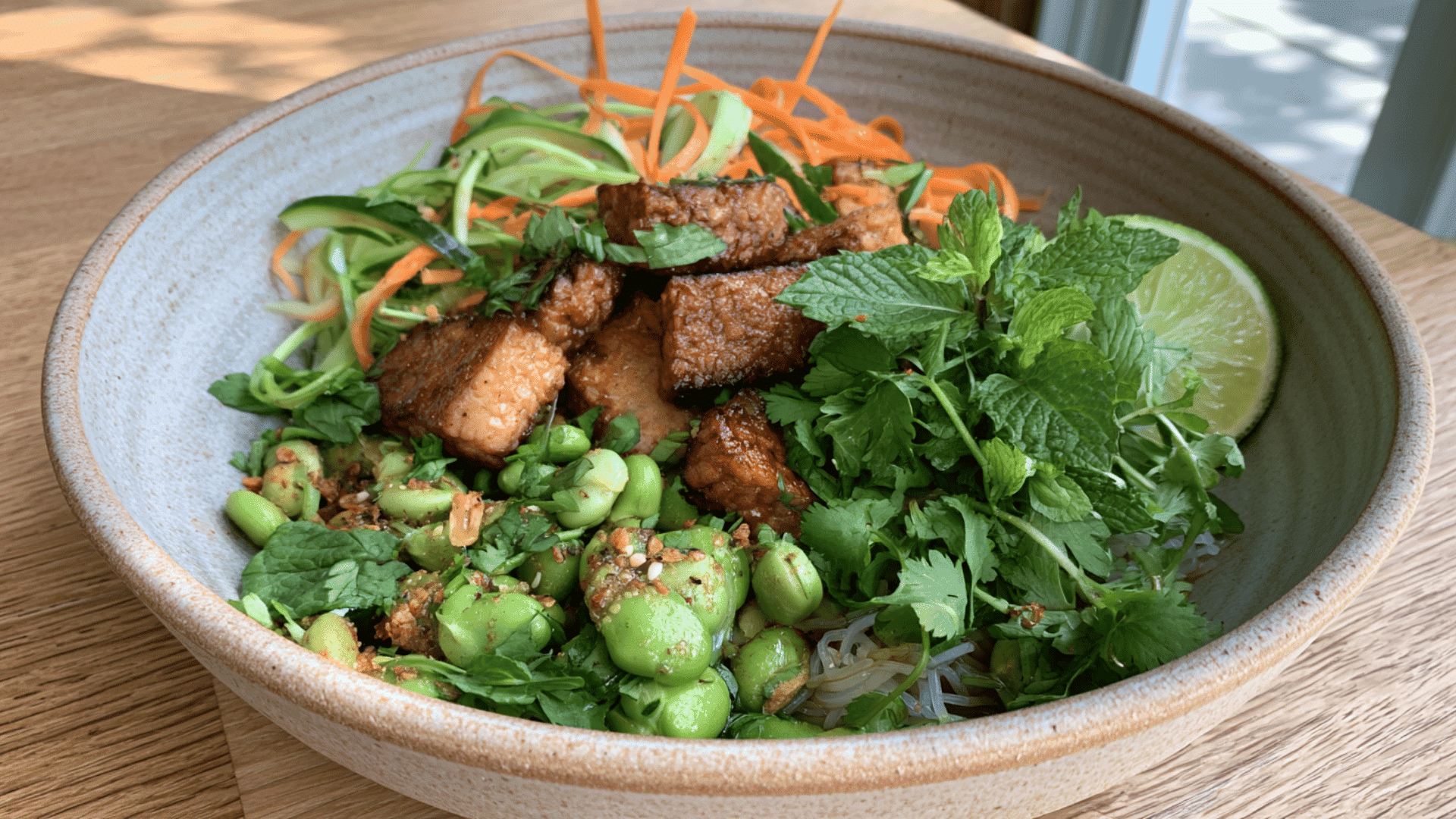
Protein: About 30 grams
Time: 30 minutes
Best for: Fresh warm weather meals
Vermicelli noodles are layered with glazed tempeh, edamame, cucumber, carrots, herbs, and a savory lime dressing.
Marinating thin pieces of tempeh helps the seasoning reach more of the surface. Serve the bowl warm or cold, depending on preference.
11. Crispy Vegan Chicken Caesar Salad
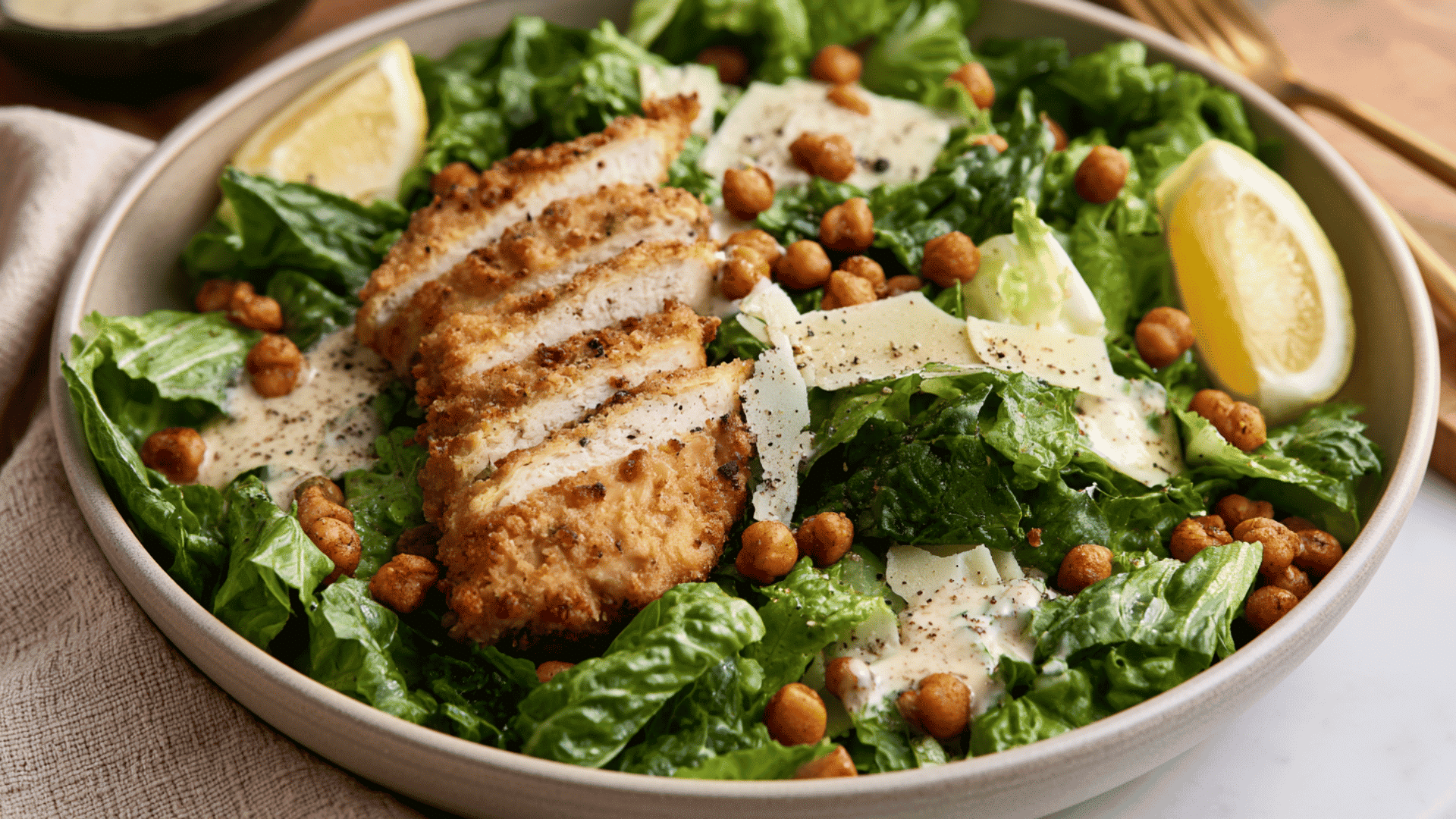
Protein: About 36 grams
Time: 25 minutes
Best for: High protein salads
Romaine lettuce, vegan Caesar dressing, crunchy chickpeas, and breaded plant-based chicken turn a side salad into a complete meal.
Protein differs considerably between meat alternative brands. Check the package and calculate the total using the amount per serving.
12. Roasted Vegetable and Bean Pasta Salad
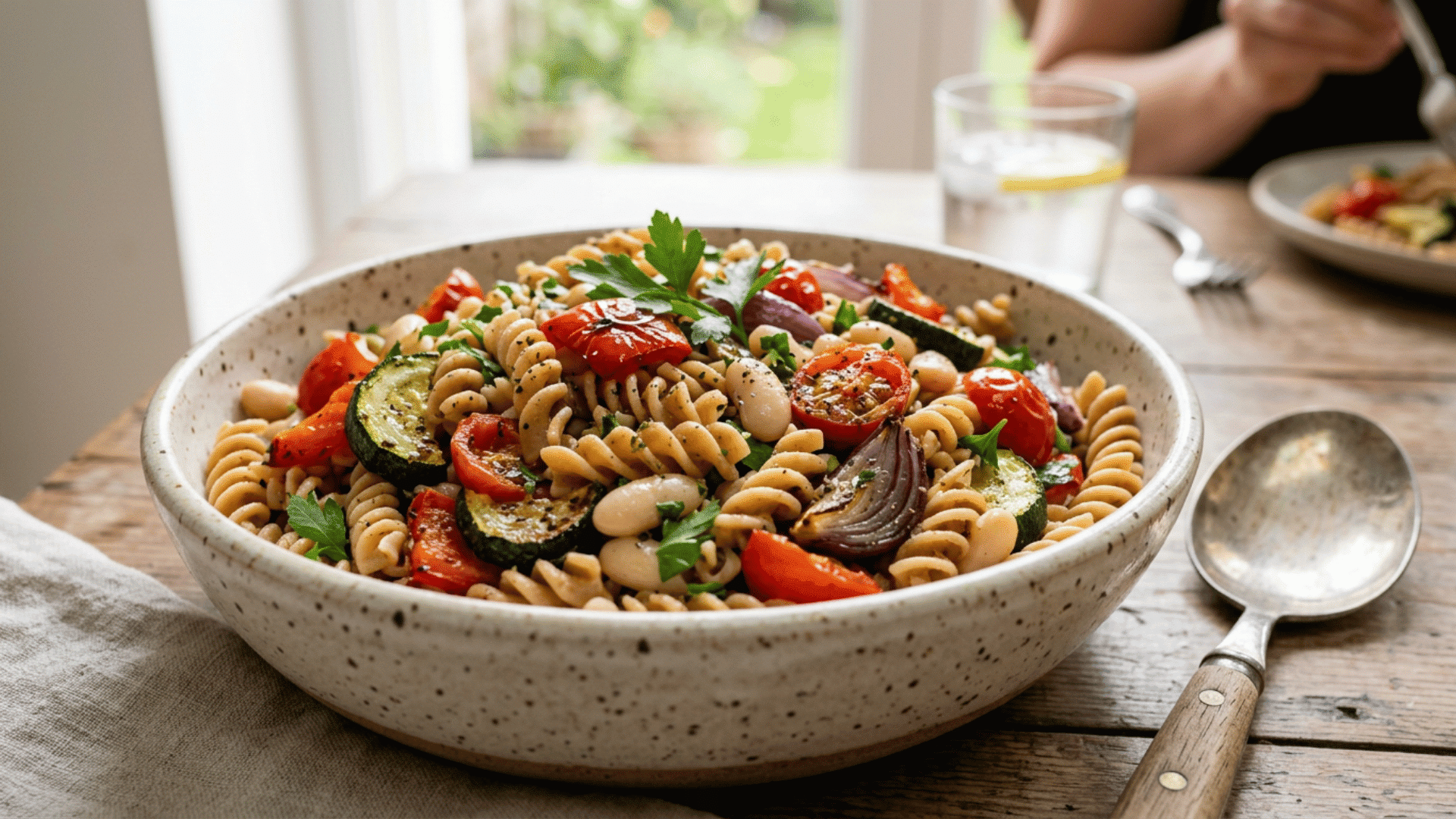
Protein: About 22 grams
Time: 35 minutes
Best for: Packed lunches
Roasted vegetables, white beans, whole wheat pasta, herbs, and vinaigrette create a substantial cold meal.
Chickpea or lentil pasta can replace regular pasta when you need more protein. The salad keeps well when you store the dressing separately.
13. White Bean Salad With Feta
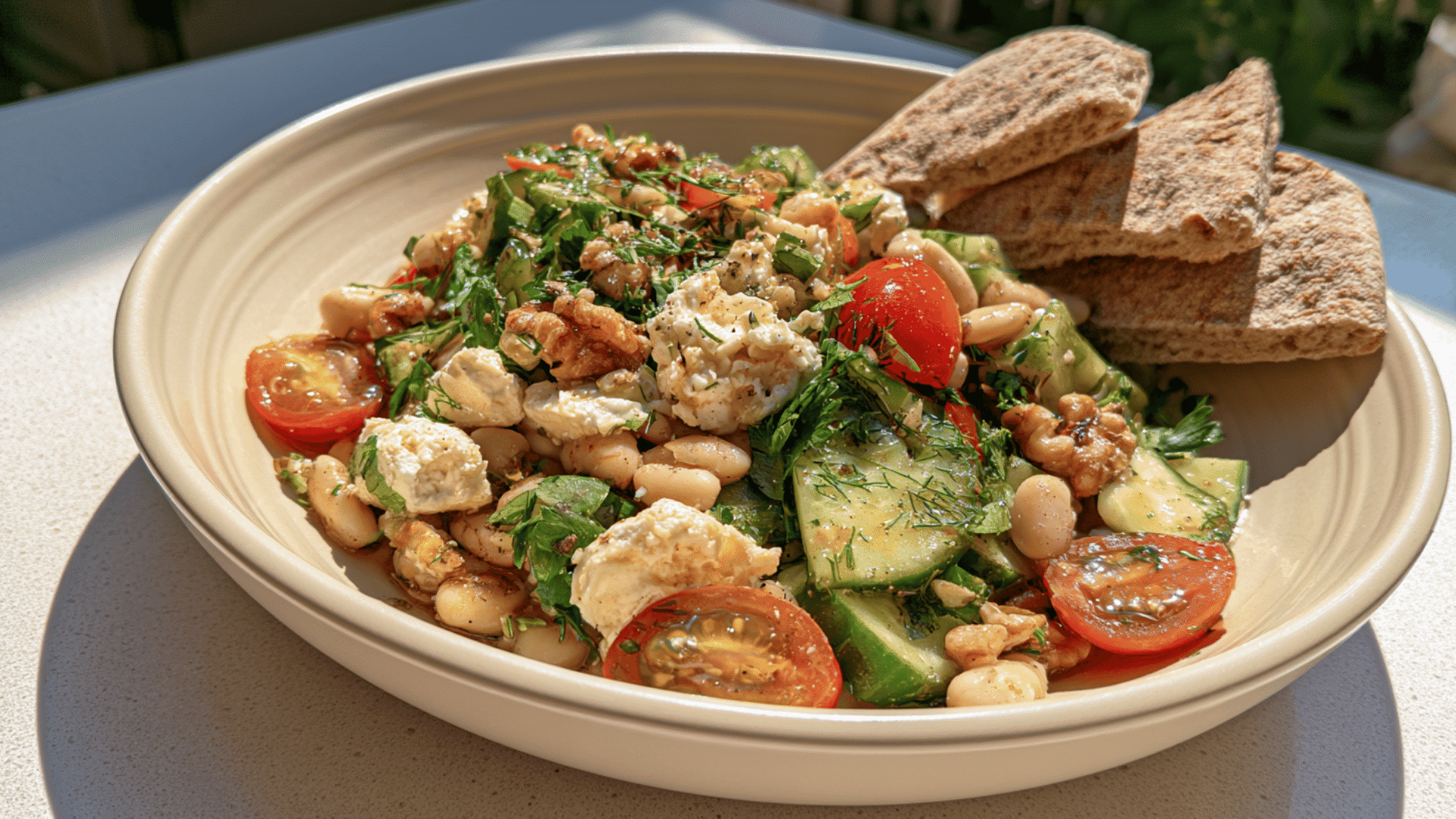
Protein: About 23 grams
Time: 15 minutes
Best for: No-cook dinners
White beans, feta, toasted walnuts, tomatoes, cucumber, herbs, and lemon-garlic dressing create a fresh meal with little prep.
Serve the salad with whole-grain pita to reach the stated protein total. Rinsing canned beans can remove excess sodium and improve the flavor of the dressing.
14. Teriyaki Tempeh Lettuce Wraps
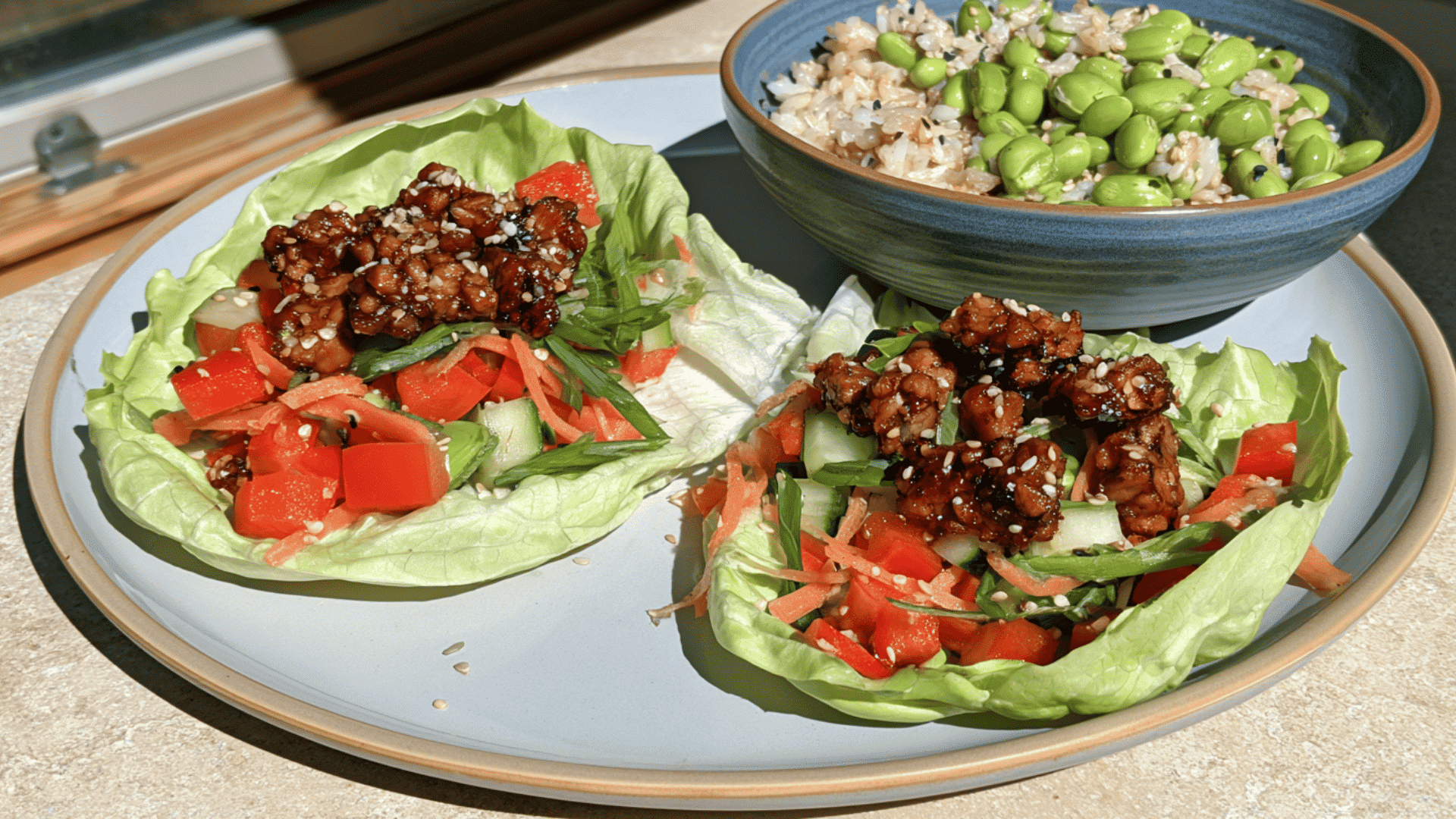
Protein: About 27 grams
Time: 30 minutes
Best for: Light but filling dinners
Spoon teriyaki tempeh and crisp vegetables into lettuce leaves. Rice mixed with shelled edamame turns the wraps into a complete meal.
Keep the filling and lettuce separate until serving. Butter lettuce and romaine hearts are sturdy enough to hold the warm tempeh mixture.
15. Cottage Cheese Alfredo
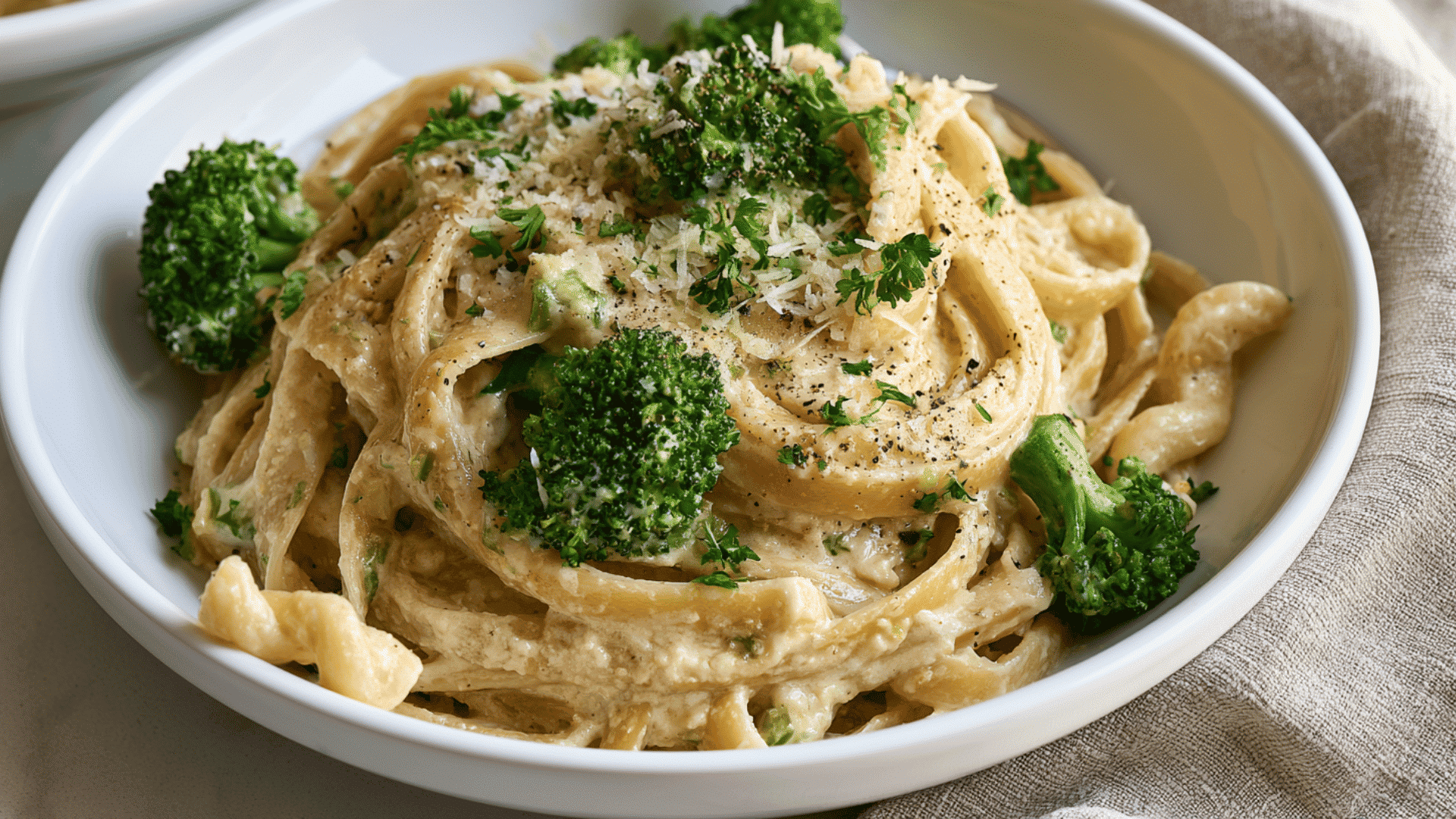
Protein: About 33 grams
Time: 25 minutes
Best for: Creamy weeknight pasta
Blended cottage cheese, Parmesan, garlic, and pasta water form a smooth Alfredo-style sauce. Broccoli or spinach adds color and volume.
Blend the cottage cheese until no curds remain. Keep the heat low after adding the sauce because high heat can cause it to separate.
16. Cheesy Vegetable Lasagna
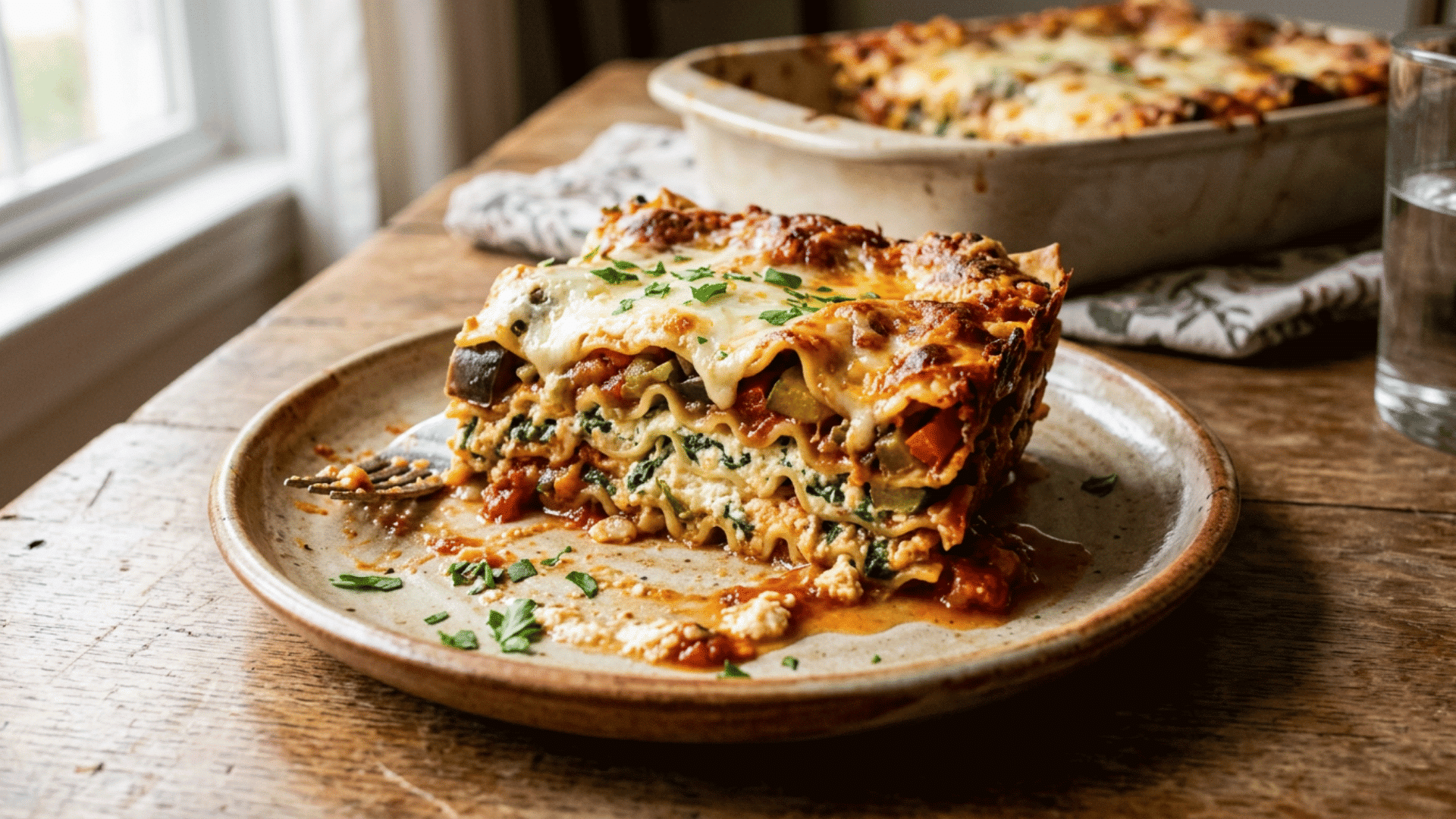
Protein: About 38 grams
Time: 60 minutes
Best for: Family dinners and freezing
Lasagna noodles, roasted vegetables, tomato sauce, ricotta, mozzarella, and Parmesan form substantial baked layers.
Squeeze moisture from spinach and drain cooked vegetables before assembly. Excess liquid can make the lasagna difficult to slice.
17. Green Goddess Pasta Bake
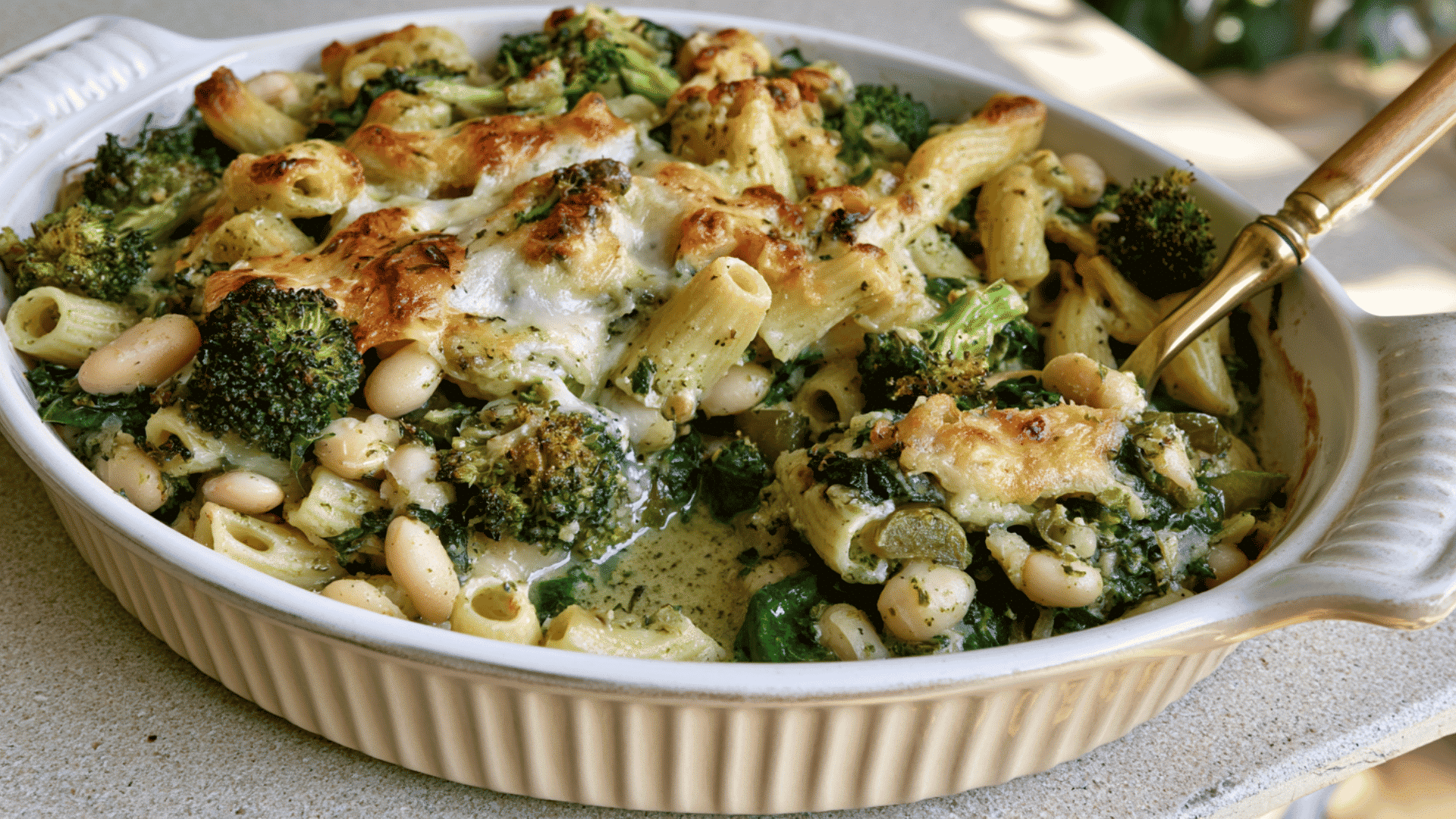
Protein: About 23 grams
Time: 45 minutes
Best for: Make-ahead dinners
Pasta, spinach, broccoli, green chiles, white beans, and cheese are folded into a herb-filled sauce and baked.
White beans raise the protein and fiber content without significantly changing the creamy texture. Divide leftovers into individual containers for easy reheating.
18. Vegetable Naan Pizza
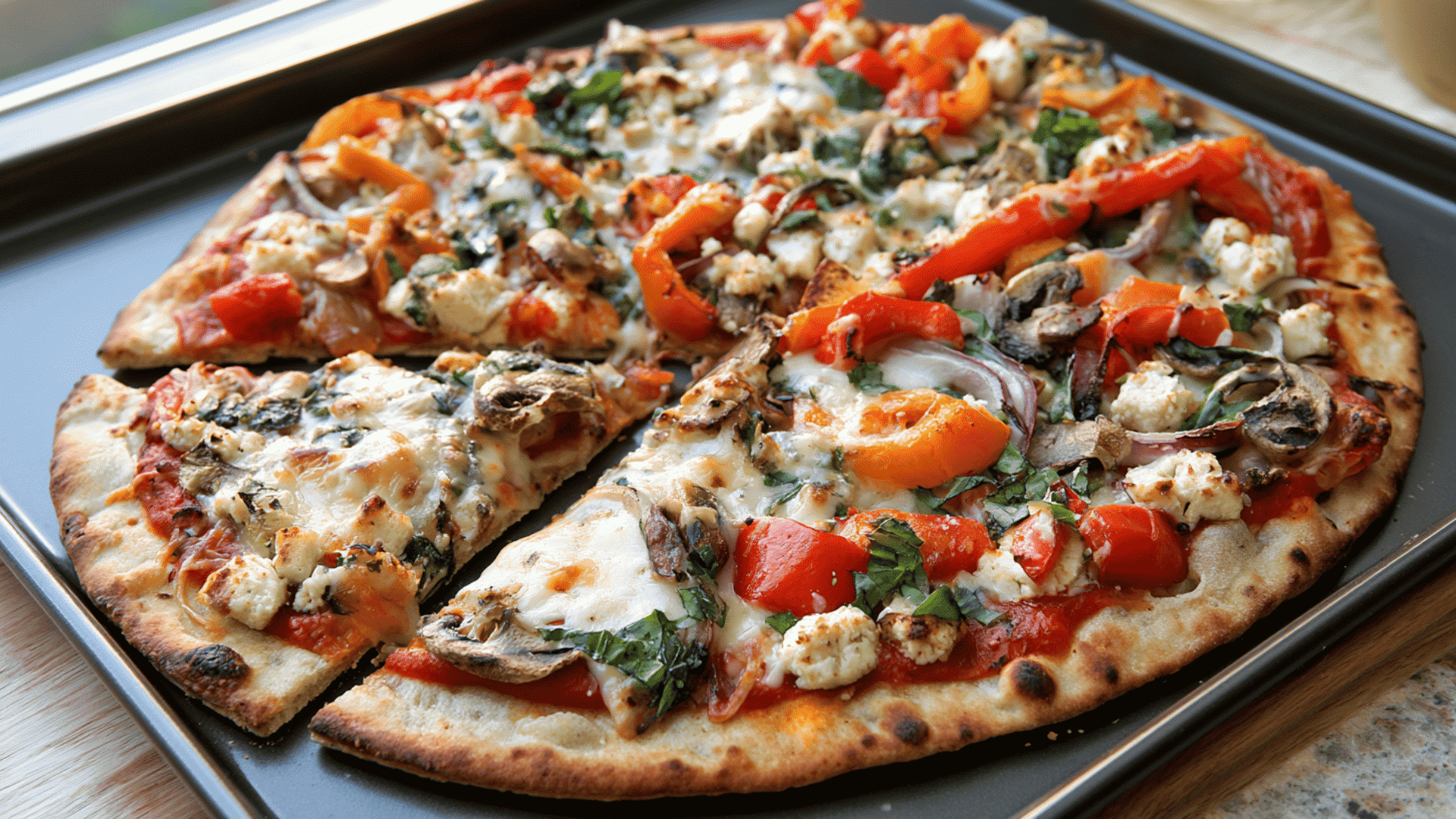
Protein: About 34 grams
Time: 20 minutes
Best for: Fast family meals
Naan provides a sturdy base for tomato sauce, mozzarella, vegetables, and crumbled paneer or meatless sausage.
Bake naan briefly before adding wet toppings to keep the base crisp and prevent unwanted sogginess.
19. High Protein Vegan Mac and Cheese
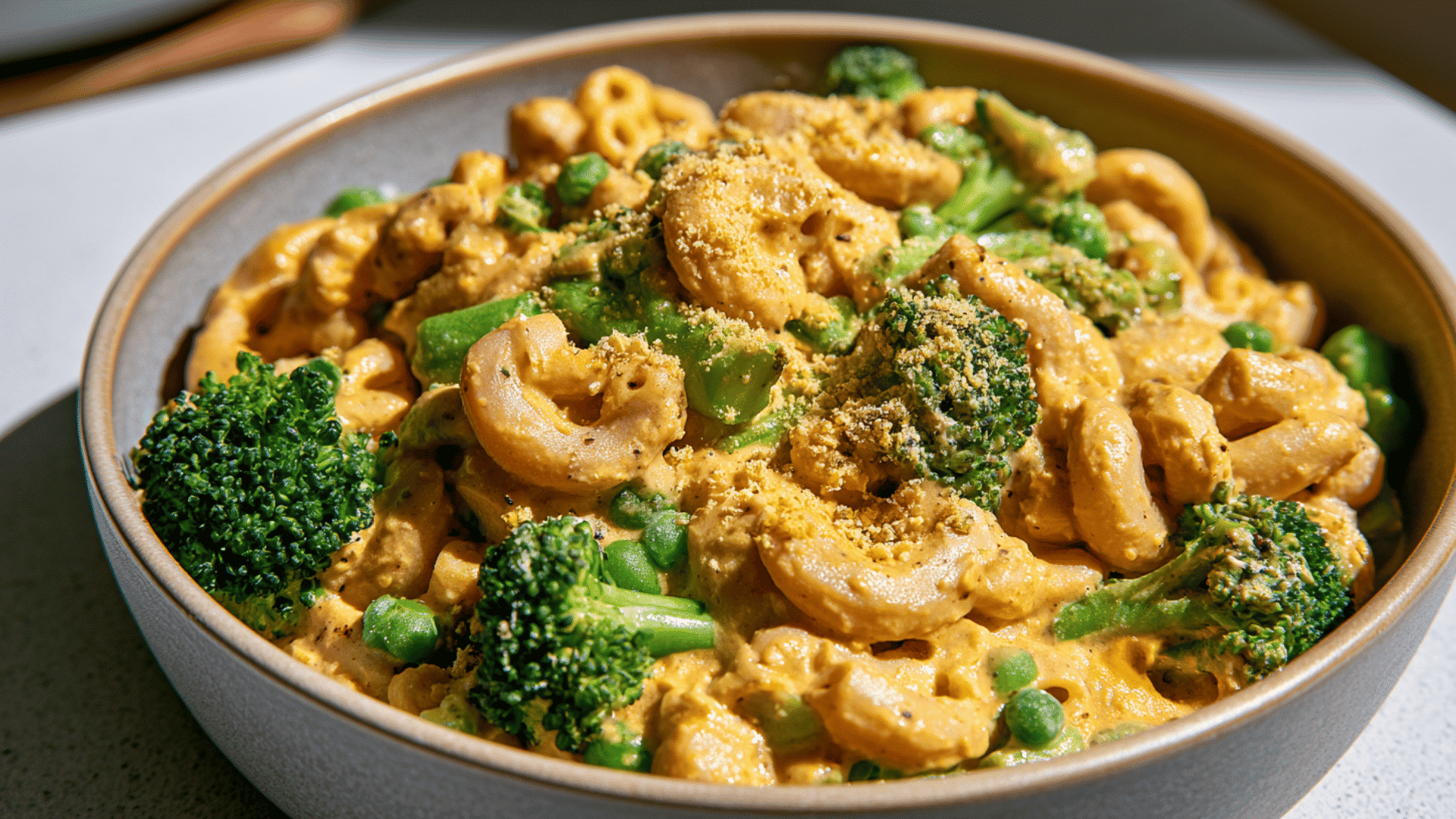
Protein: About 24 grams
Time: 30 minutes
Best for: Dairy-free comfort food
Chickpea pasta is coated in a sauce made with silken tofu, nutritional yeast, cashews, garlic, and seasonings.
Silken tofu gives the sauce a smooth texture while chickpea pasta supplies most of the protein. Add steamed broccoli or peas for more vegetables and fiber.
20. One Pot Vegan Hamburger Helper
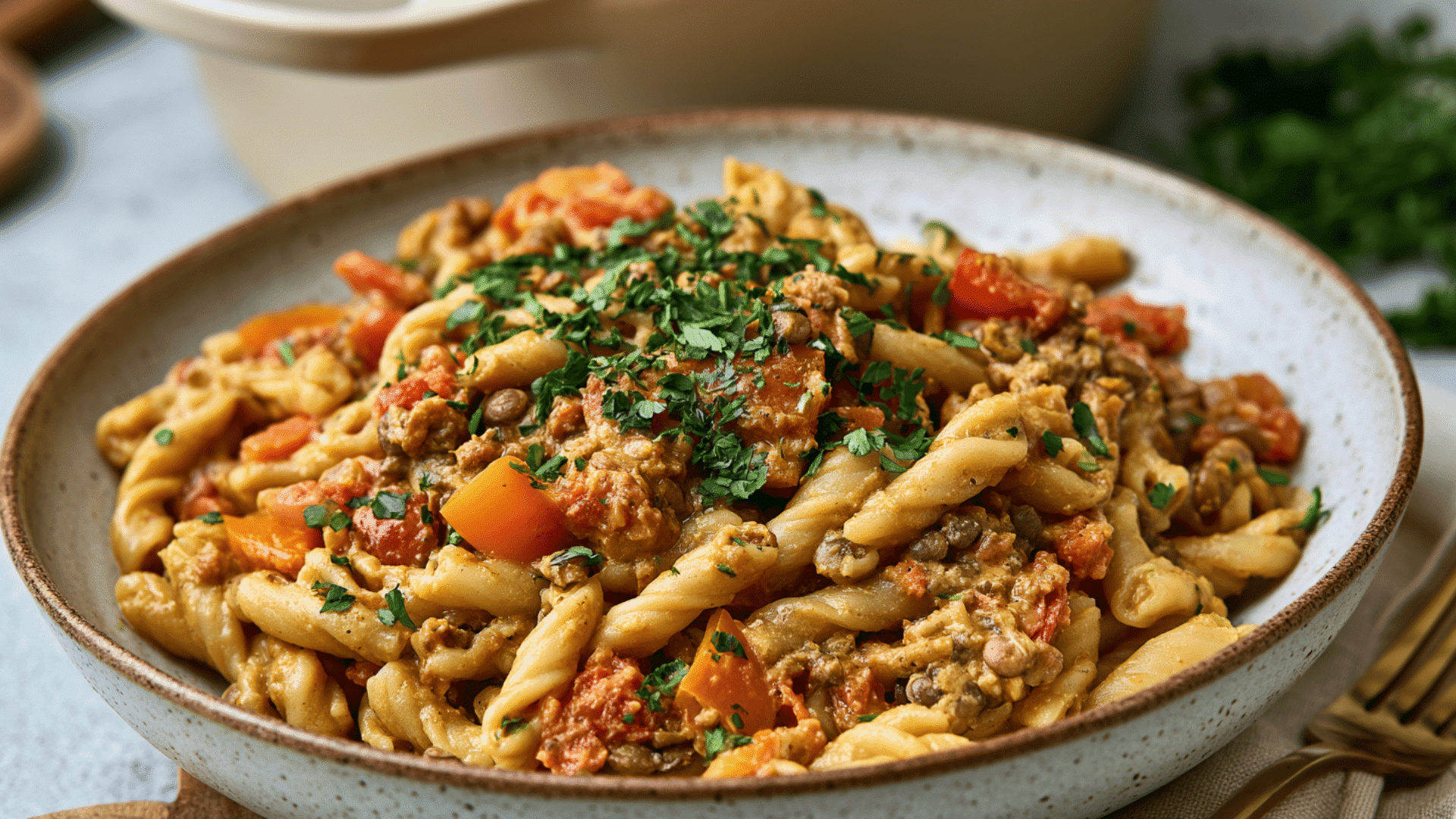
Protein: About 24 grams
Time: 35 minutes
Best for: Low cleanup dinners
Pasta, vegetables, plant-based ground meat, tomato paste, and creamy sauce cook in one pot.
Choose a meat alternative with a clear protein value on the label. Lentils can replace part of the processed meat alternative for more fiber and a lower cost.
21. Mushroom Quinoa Meatballs With Lentil Pasta
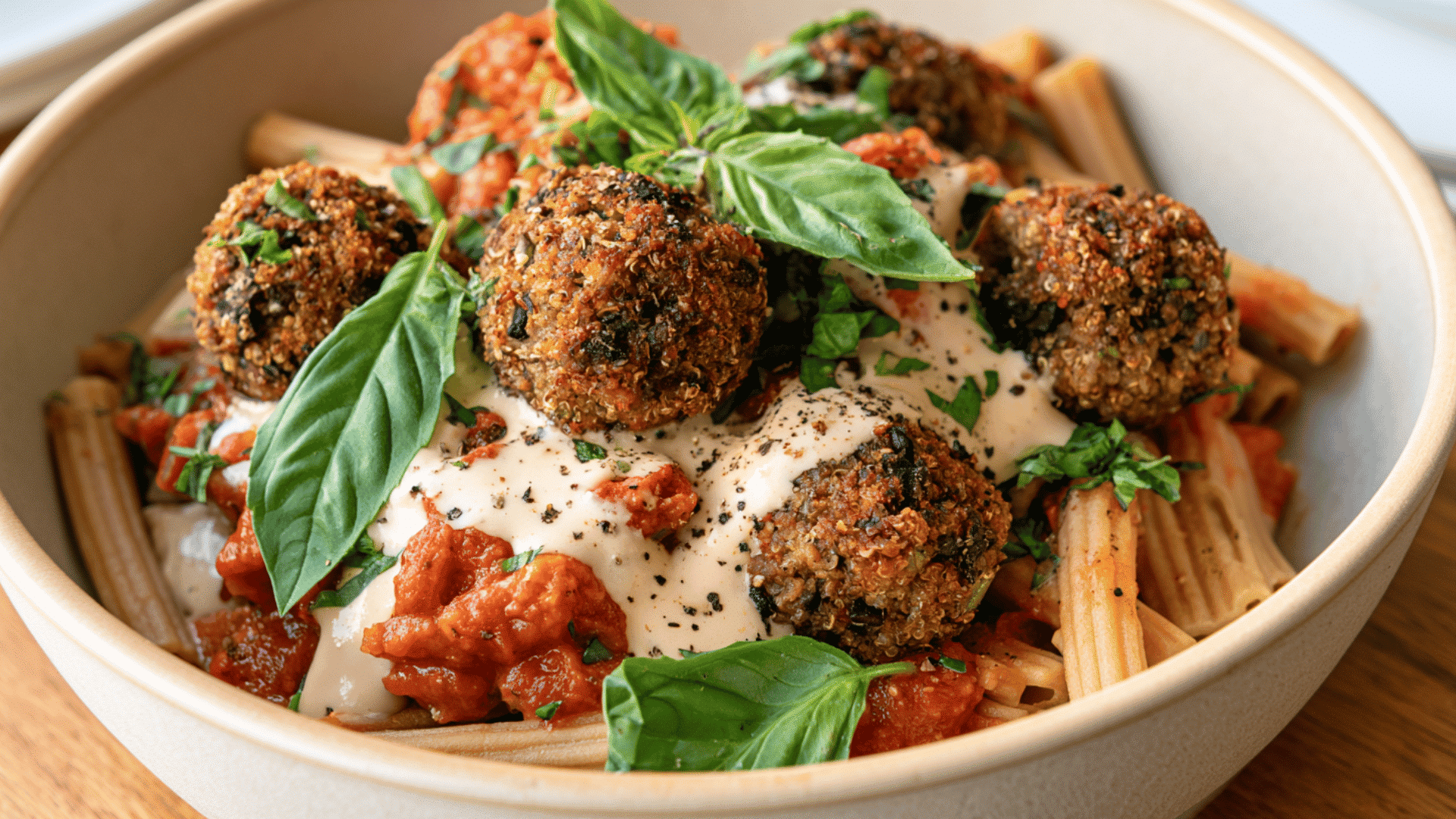
Protein: About 25 grams
Time: 45 minutes
Best for: Vegan pasta dinners
Mushrooms, quinoa, walnuts, and seasonings form tender meatless balls. Lentil pasta and cashew cream complete the serving.
Bake the meatballs until the exterior is firm before adding sauce. This helps the pieces hold their shape during serving and storage.
One Pot Vegetarian Dinners
22. Marry Me Chickpeas and White Beans
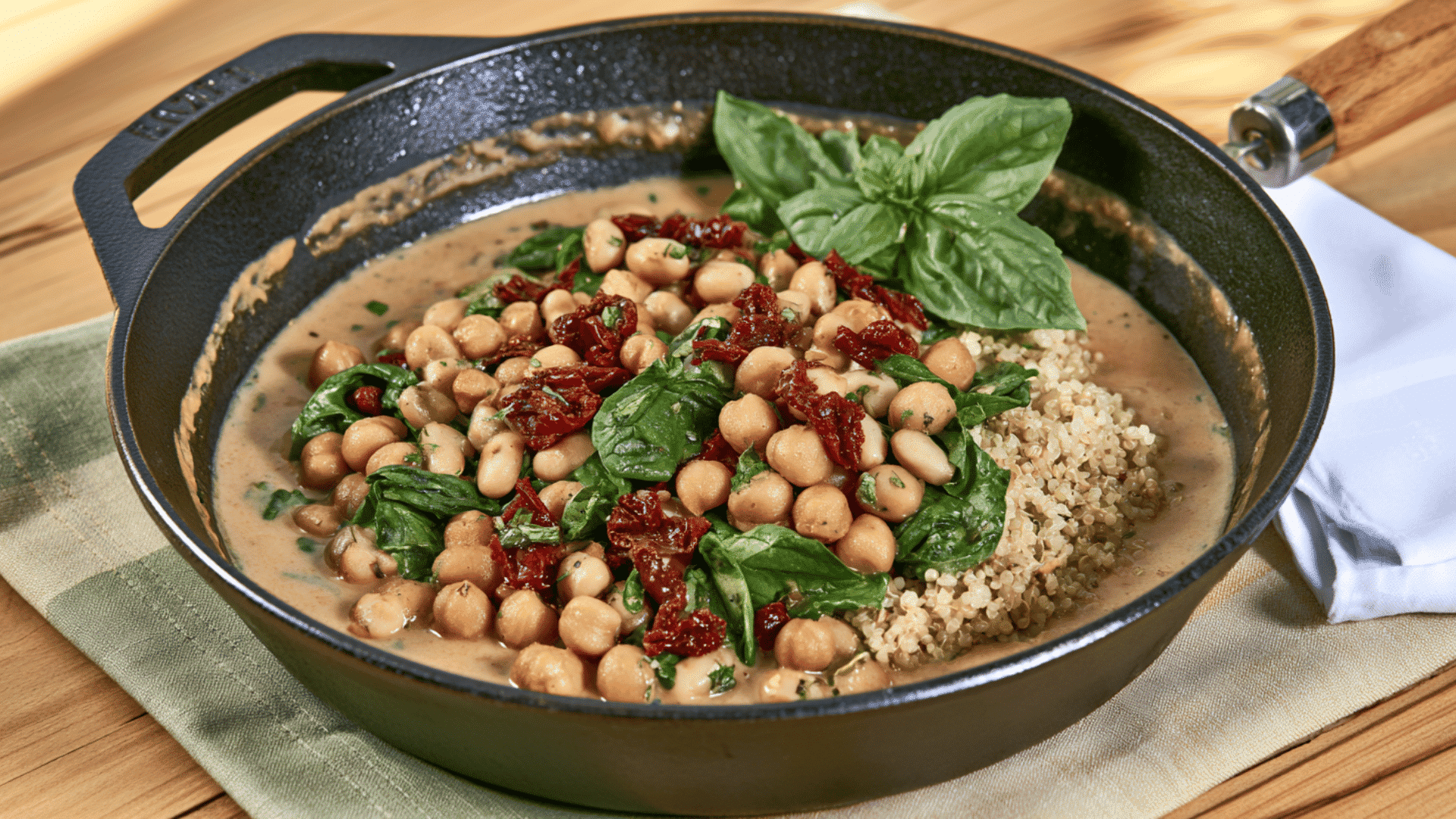
Protein: About 28 grams
Time: 30 minutes
Best for: Creamy skillet dinners
Chickpeas and white beans simmer in a creamy sun-dried tomato sauce with garlic, herbs, and spinach.
Serve the mixture over chickpea pasta or quinoa. Adding both chickpeas and white beans provides more protein than relying on chickpeas alone.
23. White Bean Shakshuka With Eggs
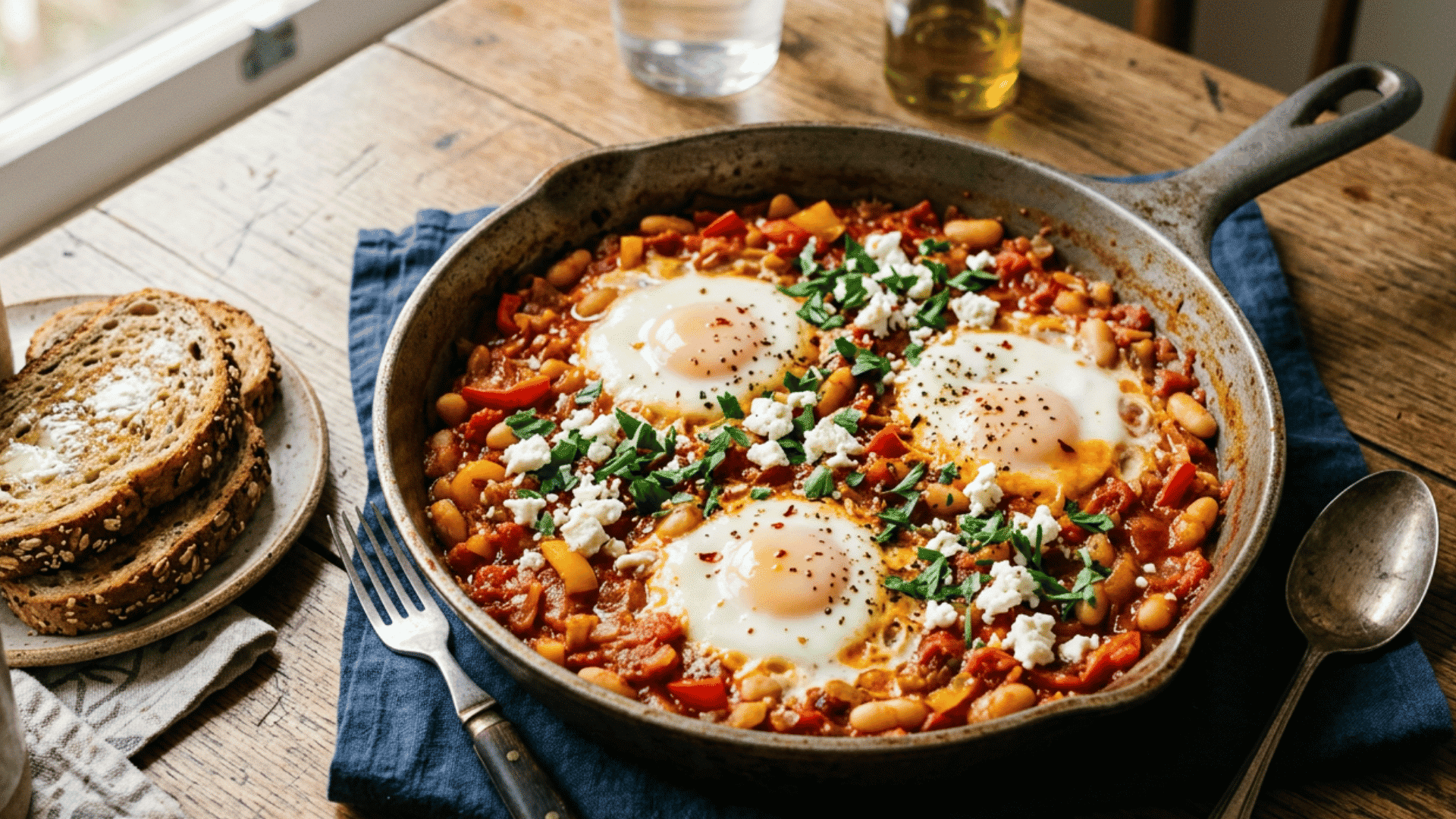
Protein: About 27 grams
Time: 35 minutes
Best for: One-pan dinners
White beans and eggs cook in a spiced tomato-and-pepper sauce. Whole grain toast turns the skillet into a complete meal.
Cover the pan after adding the eggs to help the whites cook while the yolks remain soft. Feta can be added for a saltier finish and more protein.
24. One Pot Vegan Jambalaya
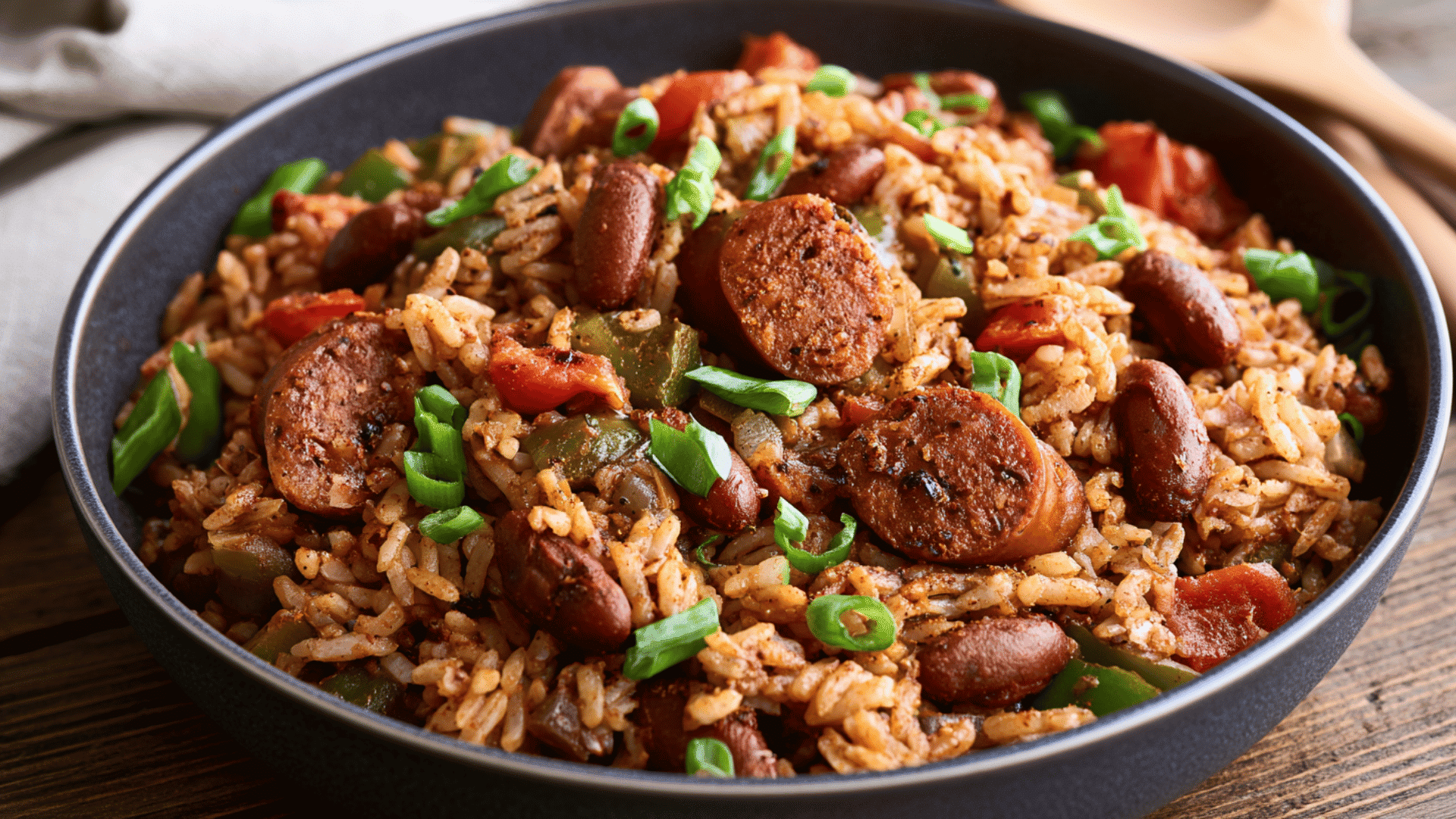
Protein: About 25 grams
Time: 45 minutes
Best for: Batch cooking
Rice, kidney beans, vegetables, Cajun seasonings, and plant-based sausage cook together in one pot.
Check that the rice is tender before removing the pot from the heat. Leftovers often develop a stronger flavor after the seasonings have rested overnight.
25. Vegan Zuppa Toscana
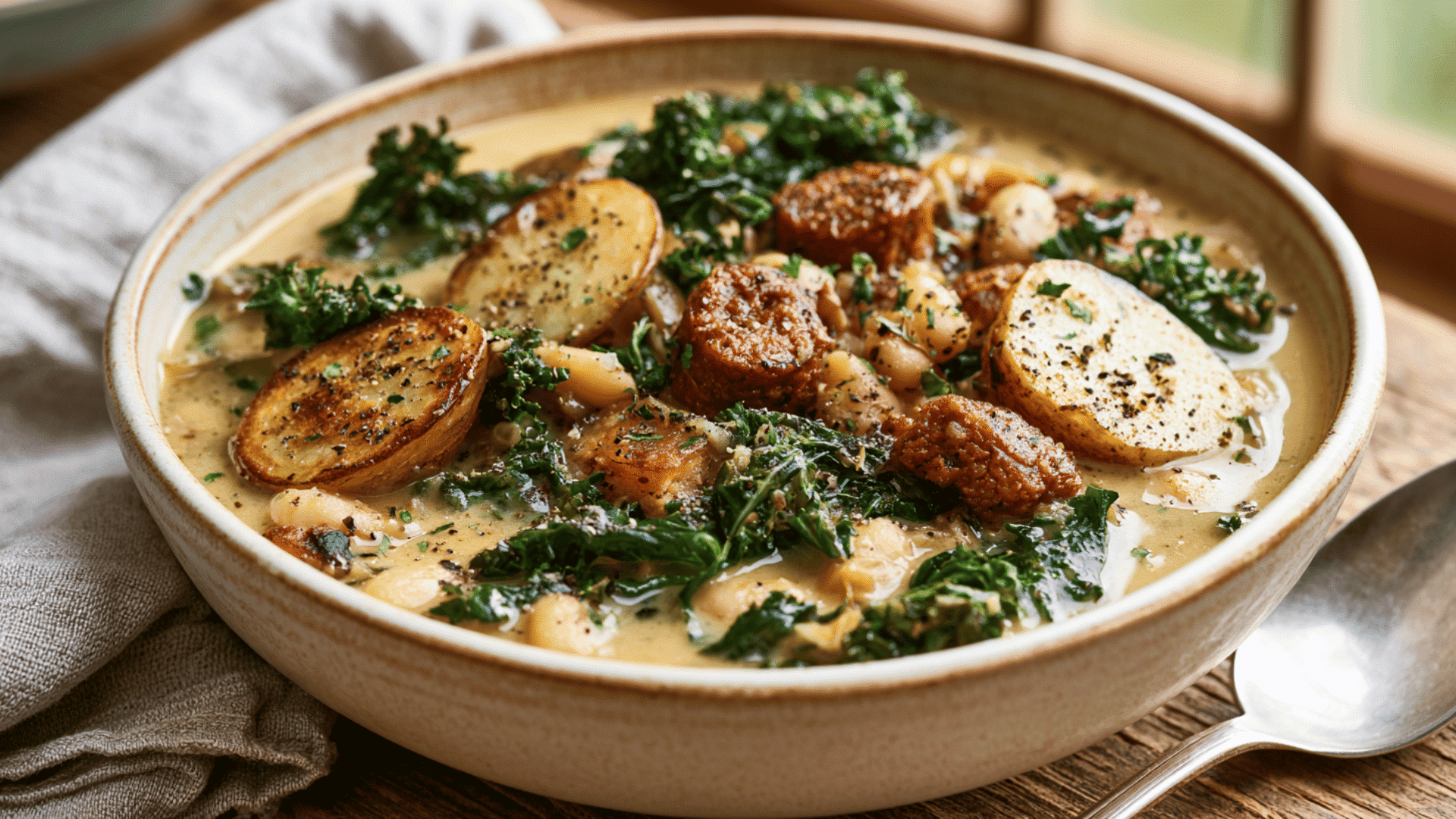
Protein: About 27 grams
Time: 40 minutes
Best for: Cold weather dinners
Potatoes, kale, white beans, aromatics, and plant-based sausage simmer in a creamy broth.
Unsweetened soy milk provides more protein than most oat or almond milk products.
White beans can replace part of the sausage when you prefer a less processed option.
26. Mung Bean and Quinoa Soup
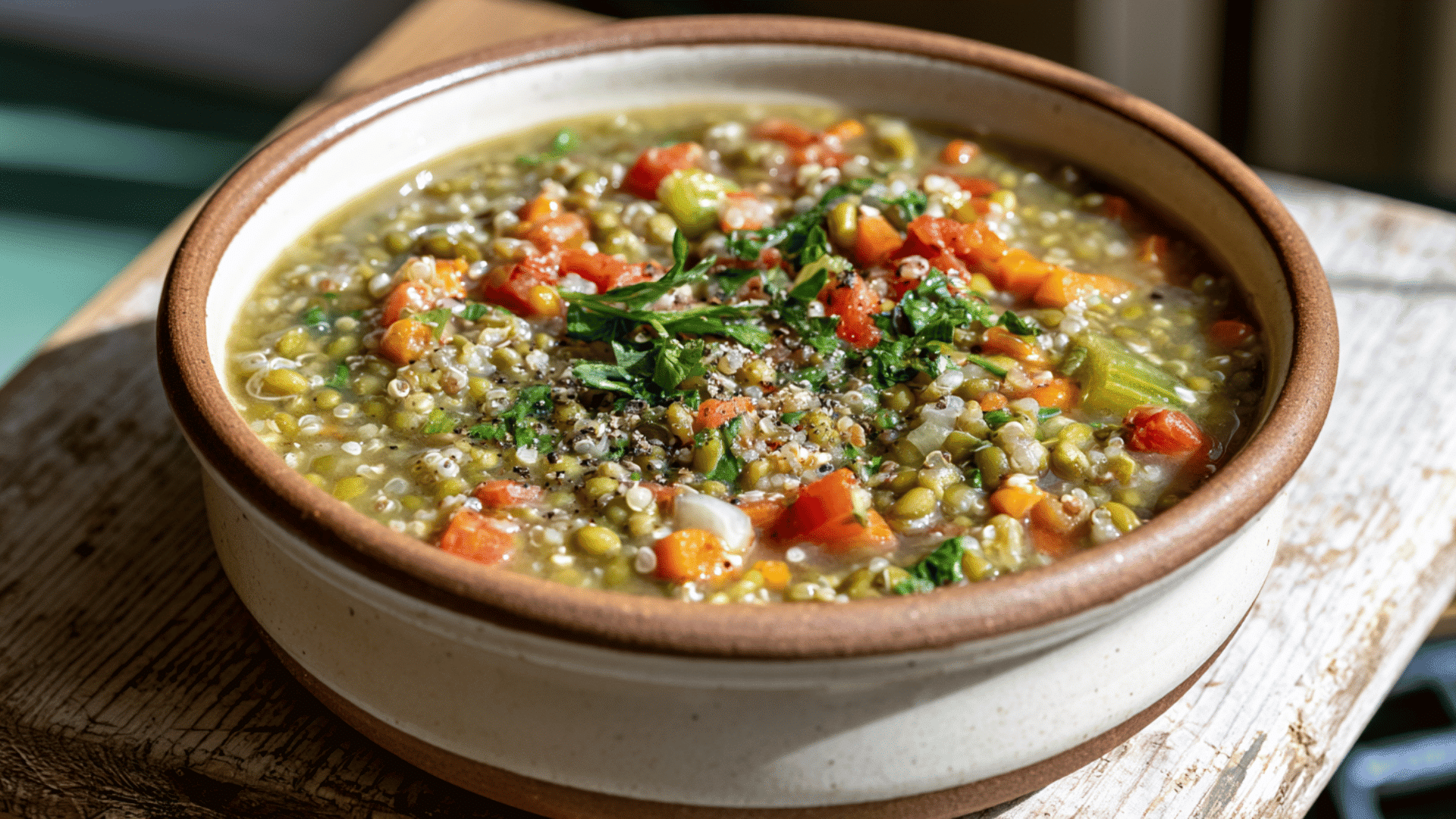
Protein: About 22 grams
Time: 50 minutes
Best for: Affordable meal prep
Mung beans simmer with quinoa, tomatoes, carrots, celery, garlic, and warming seasonings.
Cooking the quinoa directly in the soup adds body and reduces cleanup. Add extra broth during reheating because the grains and beans continue absorbing liquid.
27. Lentil and Black Bean Chili
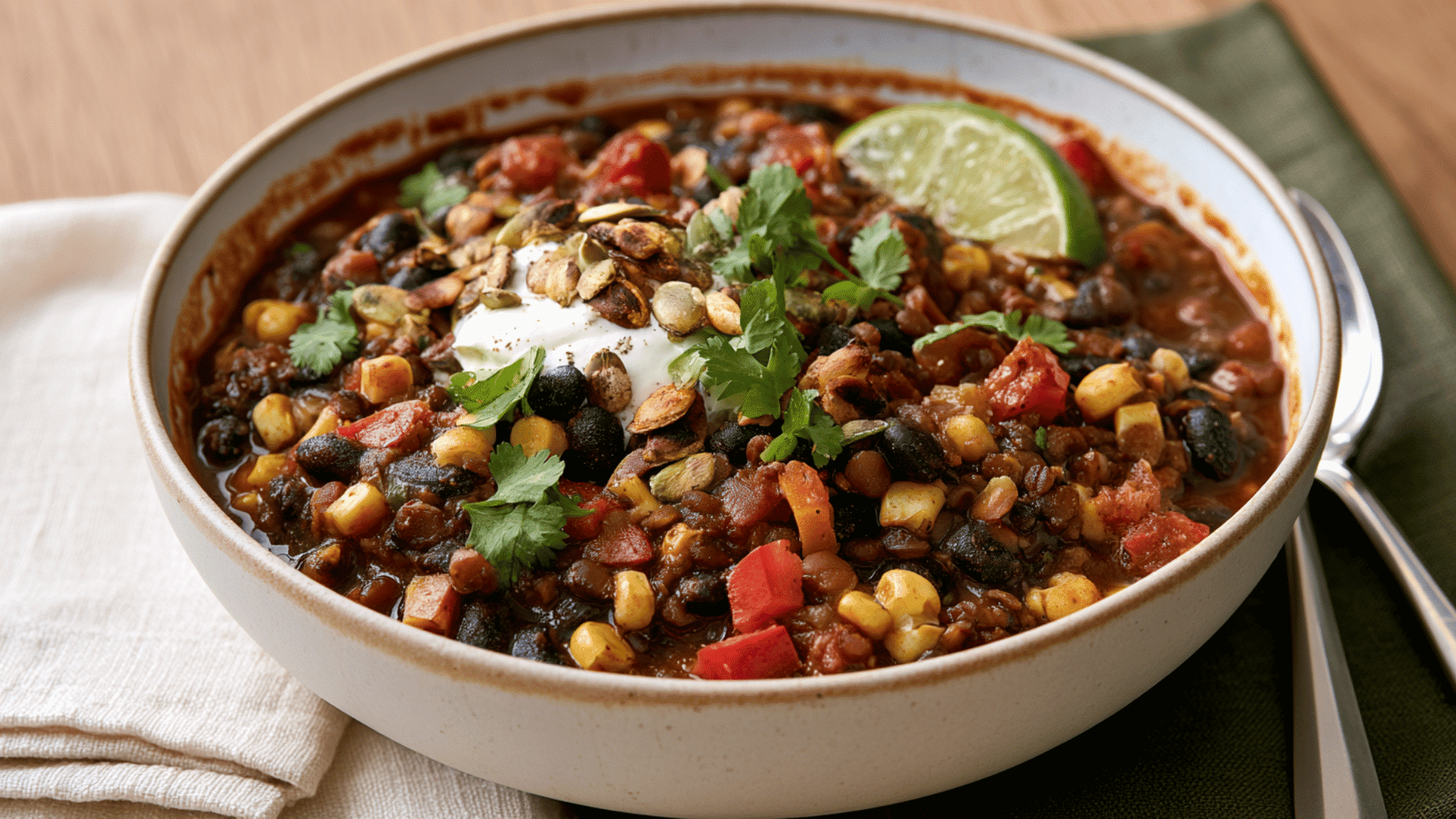
Protein: About 28 grams
Time: 40 minutes
Best for: Budget-friendly batch cooking
Brown lentils, black beans, tomatoes, corn, peppers, and smoky spices form a thick chili without meat alternatives.
Top each bowl with Greek yogurt and pumpkin seeds, or use unsweetened soy yogurt for a vegan serving.
The chili can be refrigerated for several days and freezes well in individual portions.
Five-Day High-Protein Vegetarian Dinner Plan
Reuse ingredients across meals. Prep one grain, dressing, and vegetable tray, keeping wet ingredients separate from crisp items.
| Day | Dinner | Preparation shortcut |
| Monday | Teriyaki Tofu Rice Bowl | Cook extra rice for Tuesday |
| Tuesday | Tempeh Lettuce Wraps With Edamame Rice | Use the prepared rice |
| Wednesday | Lentil and Black Bean Chili | Make a double batch |
| Thursday | White Bean and Feta Salad | Use canned beans and chopped vegetables |
| Friday | Cottage Cheese Alfredo | Add leftover broccoli or spinach |
How To Add More Protein to Vegetarian Meals?
A few thoughtful ingredient swaps can increase protein while preserving flavor, texture, and comfort in familiar vegetarian meals.
- Edamame Boost: Harvard Nutrition Source suggests adding edamame to noodles, rice bowls, soups, or salads for quick plant-based protein.
- Pasta Swap: Replace regular pasta with lentil or chickpea pasta to increase protein without changing the meal format.
- Creamy Sauce: Blend cottage cheese into pasta sauces for extra protein, creaminess, and a mild savory flavor.
- Yogurt Upgrade: Use Greek yogurt in dips, dressings, sauces, or toppings instead of lower-protein creamy ingredients.
- Protein Pairing: Combine beans with grains, eggs, dairy, tofu, or tempeh to create a more complete meal.
- Label Check: Review product labels and serving sizes because every substitution can change the protein and calorie totals.
Conclusion
Vegetarian protein-packed meals can bring far more variety to the table than plain tofu or a basic bowl of beans.
Wraps, pasta, pizza, salads, soups, and casseroles all become satisfying dinners when protein, fiber, vegetables, and flavor work together.
Choose two recipes from this list for the coming week, add the ingredients to your shopping list, and prepare one grain, sauce, or protein source in advance.
Start planning tonight, and make the next meatless dinner easier, heartier, and worth serving again.
Frequently Asked Questions
Which Vegetarian Dinner Has the Most Protein?
Meals combining seitan or tempeh with beans, grains, and dairy often provide the most protein, depending on portions and ingredients.
Must Plant Proteins Be Combined at Every Meal?
No. Eating varied protein sources throughout the day generally supplies essential amino acids without carefully pairing specific foods at every meal.
What Are Cheap High Protein Vegetarian Dinners?
Bean chili, lentil soup, chickpea curry, tofu bowls, refried bean tacos, and red beans with rice are affordable, filling choices.
Can Vegetarians Get 100 Grams of Protein a Day?
Yes. Spread protein across meals with tofu, tempeh, seitan, beans, lentils, eggs, dairy, soy milk, and higher-protein snacks.