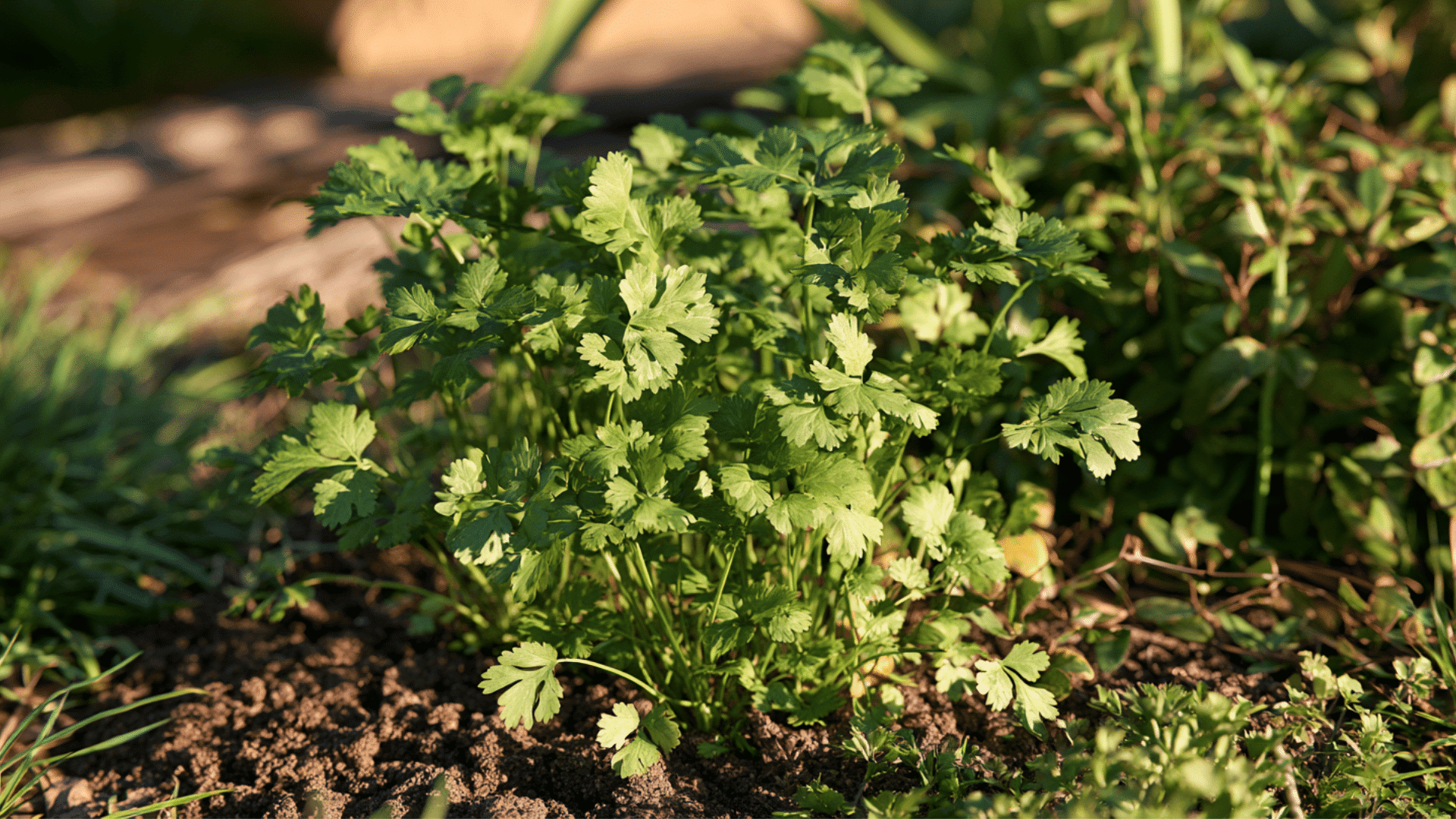
Fresh cilantro can bring a bright, distinctive flavor to everyday meals, making a steady supply at home especially appealing.
I like the idea of stepping into my garden or onto the balcony and picking just what I need for salsa, tacos, curries, or salads.
But cilantro can be a little particular about when and how it grows. Temperature, sunlight, soil, and watering can all affect how well the plant develops and how long it keeps producing leaves.
With a thoughtful approach and a few simple growing habits, you can make cilantro a useful and enjoyable addition to your home garden.
Key Takeaways
|
Is Cilantro Easy to Grow?
Yes, cilantro is generally easy to grow, making it a good choice for beginner gardeners.
It grows quickly from seed and does not require complicated care. The main thing to watch is heat.
Cilantro has a short leafy growing period and can bolt, or produce flowers and seeds, when temperatures become too warm.
Planting at the right time and making several small sowings can help you get a longer supply of fresh leaves.
How to Grow Cilantro?
Growing cilantro becomes easier when you follow the right steps. From choosing the best time to plant to harvesting fresh leaves
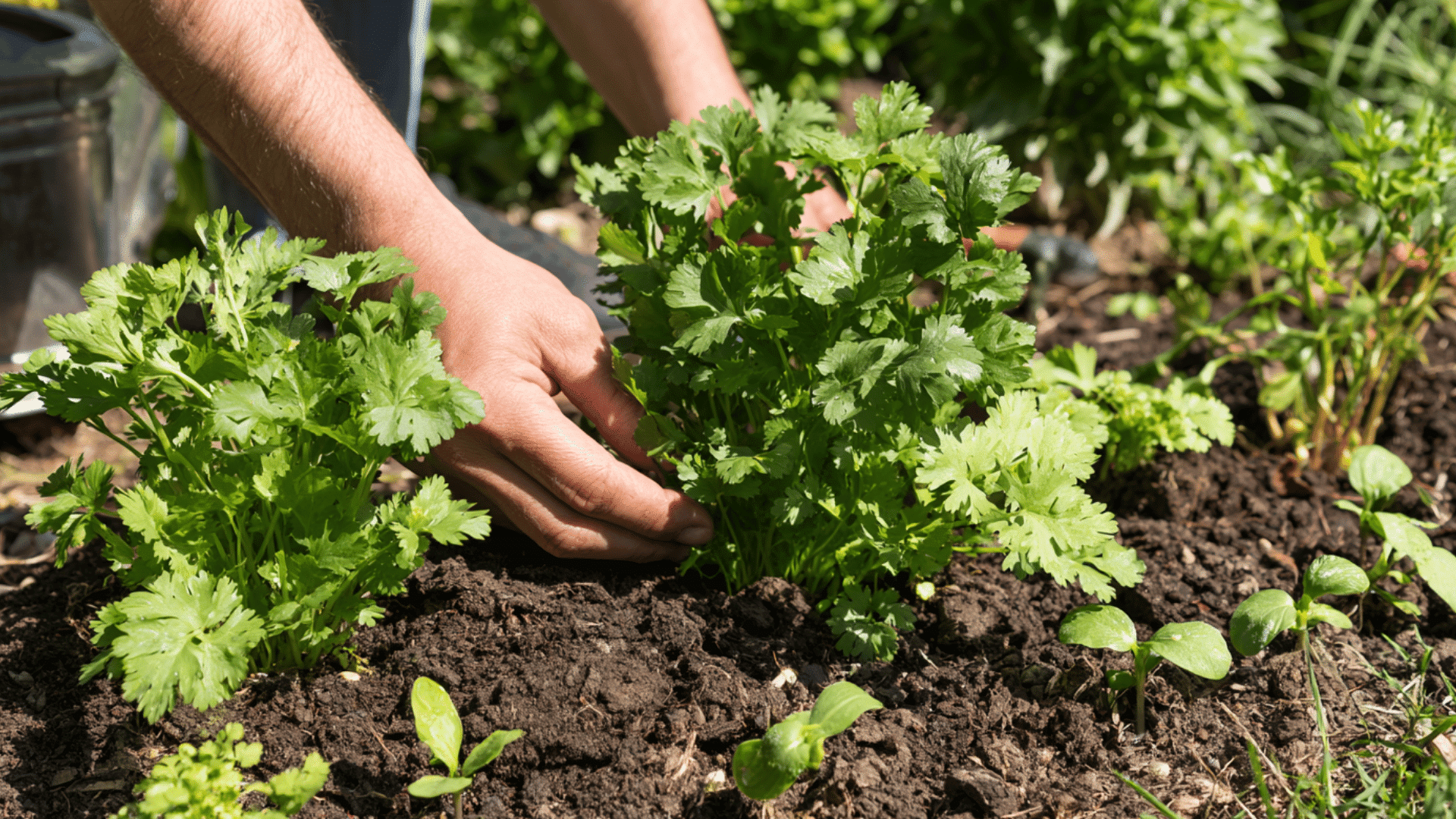
1. Choose the Right Location
Choose a spot that receives 4–6 hours of sunlight daily. Cilantro prefers cool conditions, so some afternoon shade can help in warmer climates.
Good airflow around the plants also helps keep the leaves healthy.
Avoid locations that become extremely hot during the afternoon, as high temperatures can cause cilantro to bolt and produce flowers too quickly.
2. Prepare the Soil
Cilantro grows best in loose, fertile, well-draining soil that allows its roots to develop easily.
Mix compost or well-rotted organic matter into the soil before planting. Avoid heavy or compacted soil because it can retain excess moisture and restrict root growth.
For container growing, choose a potting mix rather than regular garden soil, since garden soil compacts in pots and drains poorly
3. Plant Cilantro Seeds
Sow cilantro seeds directly into the garden bed or container because the plant has a delicate taproot.
Plant seeds about¼ inch deep and cover them lightly with soil. Leave some space between rows or seedlings for airflow.
Water gently after planting and keep the soil consistently moist. Seeds generally germinate within a couple of weeks under suitable conditions.
4. Water the Plants Regularly
Cilantro needs consistent moisture, especially while seeds are germinating and young plants are developing. Water whenever the top layer of soil feels slightly dry.
Avoid soaking the soil or allowing water to stand around the roots. A container may need more frequent watering than garden-grown cilantro, particularly during warm or dry weather.
5. Harvest Cilantro
Begin harvesting cilantro once the plants have produced enough leafy growth.
Cut the outer stems close to the base, leaving the newer inner growth to continue developing. Regular harvesting encourages fresh leaves and prevents the plant from becoming overcrowded.
For the best flavor, harvest leaves in the morning and use them fresh or store them properly.
Cilantro Care Tips
Cilantro is fairly easy to care for once it has established. A few simple habits can help keep the plants leafy, healthy, and productive.
- Keep the soil evenly moist, but not soggy.
- Give cilantro plenty of sunlight.
- Protect plants from hot afternoon temperatures.
- Feed lightly and avoid too much fertilizer.
- Thin crowded seedlings to give each plant room to grow.
- Harvest leaves regularly to encourage continued growth.
- Remove flower stalks early if you want to keep harvesting leaves.
Cilantro Care Basics at a Glance
Cilantro grows best in well-draining soil, with plenty of sunlight and consistent moisture. Keeping these basic needs balanced helps the plant produce healthy, flavorful leaves.
| Care Need | What Cilantro Needs |
|---|---|
| Soil | Loose, well-draining soil enriched with organic matter |
| Sunlight | 4–6 hours of sunlight daily, with some afternoon shade in hot weather |
| Water | Keep the soil evenly moist, but avoid waterlogged conditions |
| Temperature | Cool to mild temperatures; excessive heat can cause bolting |
| Feeding | Add compost or a mild fertilizer when needed |
| Spacing | Provide enough space between plants for good airflow and healthy growth |
How Long Does Cilantro Take to Grow?
Cilantro grows fairly quickly from seed. Seeds usually germinate within 7 to 10 days, although cooler conditions can slow germination.
You can start harvesting young cilantro leaves once the plants are established and have enough leaves to pick, often within 3 to 4 weeks after planting. For a larger harvest, allow the plants to grow for several more weeks.
Hot weather can shorten the leafy growing period by causing cilantro to bolt and produce flowers. For a longer harvest, plant seeds in cool weather and sow a new batch every 2 to 3 weeks to keep a steady supply coming
Cilantro vs. Coriander
Cilantro and coriander come from the same plant, but they refer to different parts and have different culinary uses.
| Feature | Cilantro | Coriander |
|---|---|---|
| Plant part | Fresh leaves and stems | Dried seeds |
| Flavor | Fresh, bright, and herbaceous | Warm, nutty, and slightly citrusy |
| Common uses | Salsa, chutneys, salads, curries, and garnishes | Curries, spice blends, pickles, and baked dishes |
| Harvest time | Before or around flowering | After the plant flowers and develops seeds |
| How to use | Add fresh or near the end of cooking | Use whole or ground as a spice |
Beginner Mistakes to Avoid
Avoiding a few common mistakes can make it easier for beginners to grow healthy cilantro and enjoy a better harvest.
- Planting cilantro during extreme heat
- Letting the soil dry out completely
- Overwatering or using poorly draining soil
- Planting seeds too close together
- Moving young plants unnecessarily
- Waiting too long to harvest leaves
- Planting one large batch instead of several smaller batches
- Expecting one cilantro plant to produce leaves all season
Final Thoughts
Growing cilantro doesn’t have to feel complicated, even if you’re new to growing herbs.
I find that getting the basics right, such as planting at the right time, keeping the soil moist, and giving the plants enough sunlight, makes the process much easier.
The biggest lesson we can take away is to watch the weather. Cilantro prefers cooler conditions, so planting in batches can help us enjoy fresh leaves for longer.
If you’re growing it in a garden bed, balcony pot, or small container, a little regular care can go a long way.
Have you tried growing cilantro at home? Share your experience and favorite growing tips in the comments below!
Frequently Asked Questions
Can Cilantro Grow Indoors?
Yes. You can grow cilantro indoors in a suitable container with adequate light, well-draining potting mix, and consistent moisture.
Does Cilantro Need Full Sun?
Cilantro grows well in full sun during cooler weather. In warmer conditions, partial shade, especially protection from intense afternoon sun, can help slow bolting.
Can Cilantro Grow from Coriander Seeds?
Yes. Coriander seeds are the mature seeds produced by the cilantro plant. Once the flowers develop and the seeds mature, you can collect them for cooking or save them for future planting.