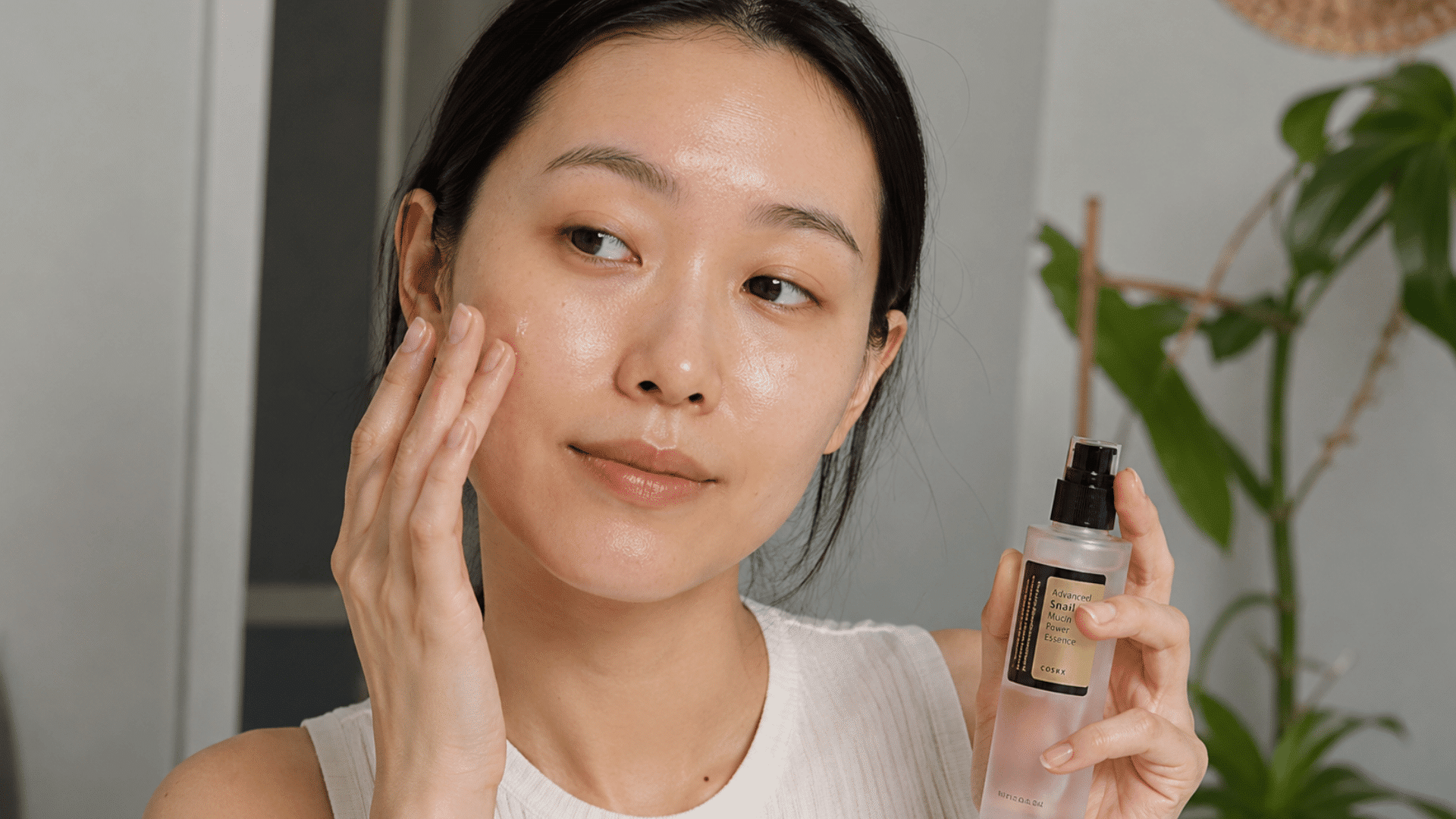
Dry patches, dull texture, and skin that won’t retain moisture can be frustrating, no matter how many products you try.
I ran into this myself last year when my regular moisturizer stopped keeping my skin soft past noon.
That struggle led me to snail mucin, an ingredient that kept showing up in almost every K-beauty recommendation online.
So what does snail mucin do exactly? It hydrates, calms irritation, smooths texture, and supports a healthier-looking complexion with regular use.
From how it works to when to apply it, everything you need is broken down next based on your skin type.
Quick Answer: What Does Snail Mucin Do?
Snail mucin helps hydrate the skin, support the skin barrier, and soothe dryness. It contains skin-friendly compounds such as hyaluronic acid, glycoproteins, and antioxidants.
With regular use, snail mucin may also help skin feel smoother and look more even.
It works best as a hydrating skincare ingredient rather than a quick fix for acne, scars, or other skin concerns.
What Is Snail Mucin?
Snail mucin is a natural secretion that snails produce to protect and repair their own skin. It contains water, proteins, and other compounds tied to moisture and healing.
Skincare products do not use this secretion in its raw form. Instead, brands purify and filter it into a safe, stable ingredient known as snail secretion filtrate.
This filtrate holds several helpful ingredients, including hyaluronic acid, glycoproteins, peptides, antioxidants, allantoin, and glycolic acid. Each one plays a specific role in supporting healthy skin.
Hyaluronic acid pulls in moisture, peptides help skin look smoother, and antioxidants guard against daily damage.
Together, these ingredients are why snail mucin is linked to hydration and repair.
What Does Snail Mucin Do for Skin?
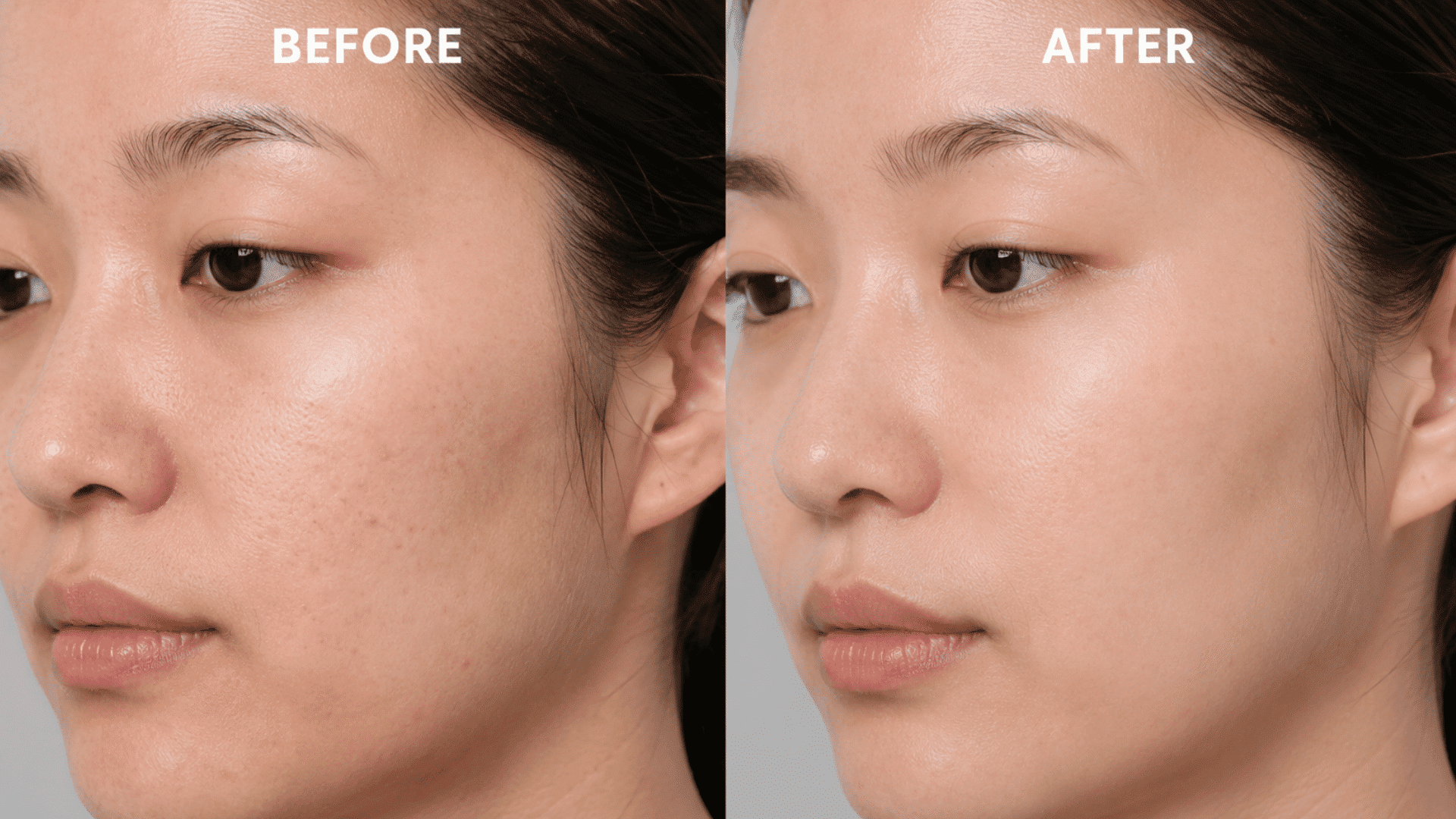
Snail mucin offers several benefits, including hydration, soothing, texture support, anti-aging benefits, and acne-prone skin care.
1. Provides Deep Hydration
Snail mucin works as a humectant, meaning it pulls moisture into the skin and helps hold it there. This can leave skin feeling softer and looking plumper over time.
It works well alongside hyaluronic acid, another popular hydrating ingredient. Many dermatology sources point to hydration as one of snail mucin’s most reliable and well-supported benefits.
2. Helps Calm and Soothe Irritated Skin
Snail mucin can support a healthier skin barrier, helping skin defend itself against daily stressors. This may reduce the appearance of redness and dryness over time.
Since it feels lightweight and gentle, users with sensitive skin often reach for it after cleansing. Westlake Dermatology notes its soothing effects for irritated or reactive skin types.
3. Improves Skin Texture and Smoothness
Regular use may help skin feel softer and look more even over time. Glycolic acid in the filtrate supports gentle renewal, helping skin appear smoother and refreshed.
It may also help soften the look of rough patches and mild scarring. That said, it will not completely remove scars, so keep expectations realistic.
4. Supports Anti-Aging Skincare Goals
Better hydration can make fine lines look less noticeable, while peptides may support firmness and elasticity. Antioxidants also help protect skin from daily free radical damage.
Snail mucin does not stop aging, but it may improve the appearance of aging-related concerns. Research suggests possible benefits for wrinkles and elasticity, though more evidence is still needed.
5. May Help Acne-Prone Skin
Thanks to anti-inflammatory and antimicrobial properties, snail mucin may support acne-prone skin. It hydrates without adding heavy oils, and glycolic acid may help with clogged pores.
Snail mucin is not a replacement for acne treatment. WebMD notes fewer acne lesions after use, though further research is still needed to confirm results.
For rough or flaky texture, a gentle natural exfoliant may also help remove surface buildup while snail mucin focuses on hydration.
When Should You Apply Snail Mucin?
Snail mucin can fit into either your morning or night skincare routine with little hassle. Timing matters less than knowing where it fits in your steps.
The main thing to get right is applying it at the correct stage rather than picking a specific hour of the day.
- Best Time to Apply: Apply after cleansing and toning, before moisturizer, so skin can absorb hydration first.
- How Often to Use It: The Journal of Integrative Dermatology suggests snail mucin can be used once or twice daily.
- For Sensitive Skin: Introduce it slowly, every other day at first, before increasing to daily use.
What Does the Research Actually Say?
Research on snail mucin shows real but mixed results: it’s well supported for hydration and barrier repair, has some promising human data for fine lines and soothing irritated skin, and only limited or early evidence for acne, acne scars, and major anti-aging effects.
| Claim | What We Know |
|---|---|
| Hydration | One of the better-supported uses; multiple small trials show improved moisture and less water loss. |
| Fine lines | Some promising human research over weeks to months, but studies are small and not as strong as for retinoids. |
| Skin texture | May improve with continued use, especially after procedures, but evidence is still limited. |
| Acne | Evidence is still limited; a few studies suggest fewer inflammatory lesions, but data are weak. |
| Acne scars | Not proven to remove scars; some early work on post-acne marks, but no solid proof for true scar removal. |
| Wound healing | Promising research in labs and small studies, but not a reason to treat wounds yourself without medical guidance. |
Overall, snail mucin looks like a gentle hydrating and soothing ingredient with weak-to-moderate human evidence, not a guaranteed fix for acne, scars, or deep wrinkles.
How to Use Snail Mucin in Your Skincare Routine?
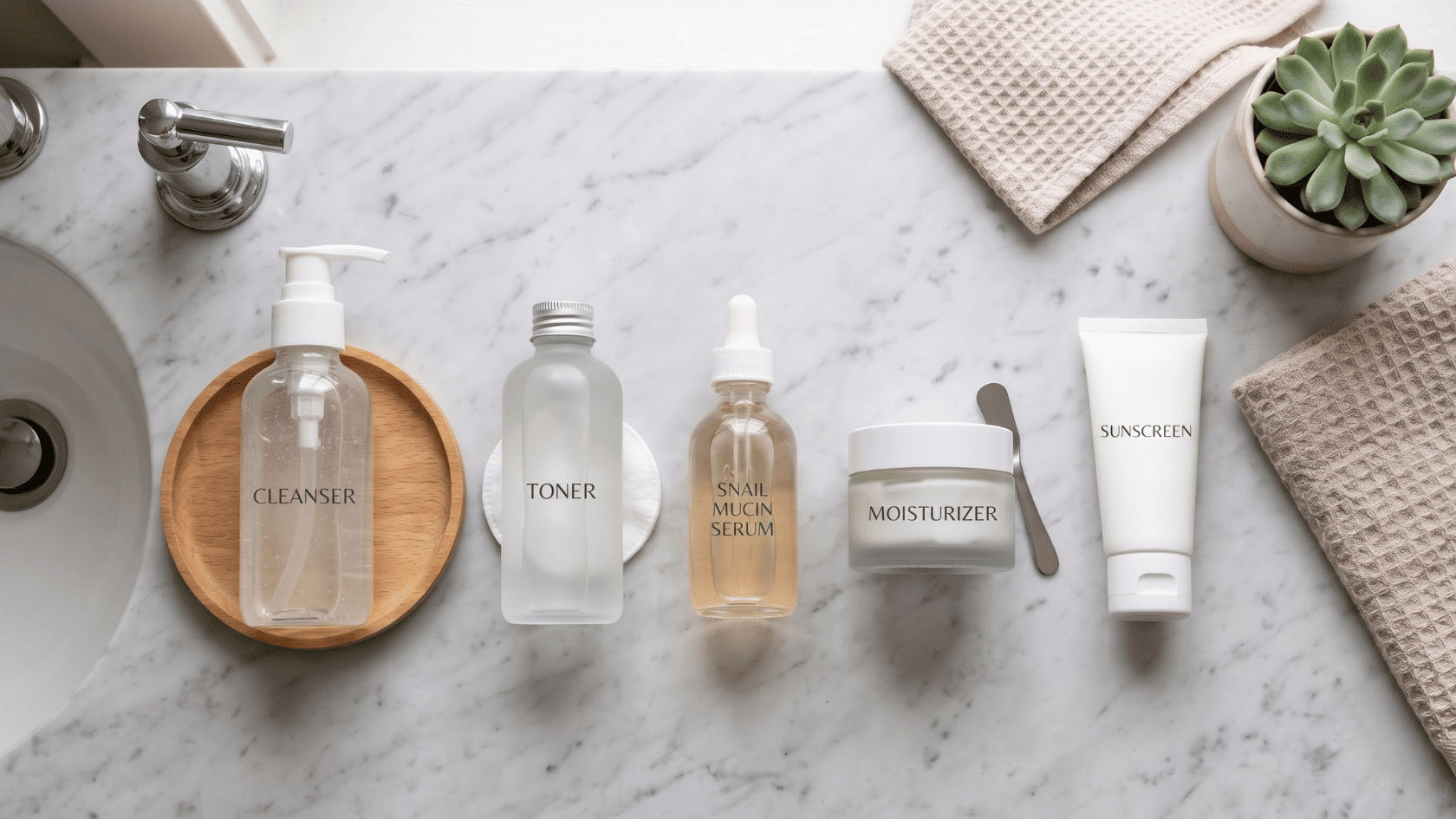
Dermatologists from Cleveland Clinic generally recommend applying serums and treatment products after cleansing and before moisturizer.
A more detailed routine is:
| Step | Morning Routine | Night Routine |
|---|---|---|
| 1 | Cleanser | Cleanser |
| 2 | Toner (optional) | Snail mucin |
| 3 | Snail mucin serum | Treatment products if needed |
| 4 | Moisturizer | Moisturizer |
| 5 | Sunscreen | — |
For best results, apply snail mucin on slightly damp skin using a few drops of serum or a thin layer if using a cream. Always follow the specific product instructions.
Can You Use Snail Mucin with Other Skincare Ingredients?
Yes, snail mucin can be paired with most common skincare ingredients, including retinol, hyaluronic acid, niacinamide, vitamin C, and salicylic acid.
With hyaluronic acid, snail mucin adds extra hydration and can help dry skin feel softer.
Niacinamide pairs well with it for barrier support, uneven tone, and oil control. When using retinol, apply snail mucin as a hydrating step to help manage the dryness or irritation retinoids may cause.
Vitamin C can be used before snail mucin in a morning routine, followed by moisturizer and sunscreen.
Salicylic or glycolic acid can also be followed with snail mucin for added moisture.
Avoid introducing several strong actives at once, especially on sensitive skin.
Disclaimer: Consult a dermatologist before combining snail mucin with prescription retinoids, acne medications, or strong exfoliating products.
Who Should Use Snail Mucin?
Snail mucin suits a wide range of skin types, which is part of why it has become so popular. Its gentle, hydrating nature makes it easy to fit into different routines.
| Skin Type | Why It May Help |
|---|---|
| Dry skin | Adds hydration and reduces moisture loss |
| Sensitive skin | Supports calming and barrier repair |
| Aging skin | Improves the look of fine lines and dullness |
| Acne-prone skin | Lightweight hydration and soothing support |
| Oily skin | Hydrates without heavy texture |
Depending on your specific skin concerns, the benefits you notice may vary slightly from person to person.
Who Should Think Twice Before Using Snail Mucin?
- People with sensitive skin
- People with known allergies
- People with damaged or irritated skin
- People using prescription treatments
- People following a vegan routine
Are There Any Side Effects of Snail Mucin?
Snail mucin is usually well tolerated, though a few precautions are worth keeping in mind before use.
- Most people can use it without any noticeable irritation or reaction.
- Some users may experience mild irritation or an allergic reaction, especially if they have sensitive skin.
- Patch testing on a small area is recommended before applying it to your full face.
- People with known ingredient sensitivities should check the full formula carefully before using it.
- Stop use and consult a dermatologist if redness, itching, or swelling continues after application.
Tip: Its always better to do a patch test before incorporating this step into your skincare routine.
Is Snail Mucin Vegan or Cruelty-Free?
Snail mucin is not vegan because it is a secretion collected from living snails. Its cruelty-free status is more complicated.
Some brands use this label when neither the product nor its ingredients are tested on animals and say their mucin is collected without harming snails.
However, animal welfare groups question if large-scale collection can be completely stress-free.
If you prefer animal-free skincare, plant-based mucin alternatives can provide similar hydration without using snail-derived ingredients.
Final Thoughts
So, what does snail mucin do overall? It helps the skin retain moisture, calm down, and look smoother with consistent use. It is not a miracle fix, but it is a gentle, reliable step that fits almost any routine.
I have kept it on my own shelf for months now, mainly because it just works without fuss. If your skin craves hydration and a calmer feel, this is worth trying.
Results vary from person to person, so give it a fair trial before deciding if it earns a permanent spot in your routine. Small, steady changes are usually the first sign it is working.
Pick up a snail mucin serum this week and give your skin a few weeks to show you the difference.
Have you tried snail mucin? Share your experience in the comments below.
Frequently Asked Questions
Which Is Better, Retinol or Snail Mucin?
They serve different purposes, so it depends on your goal. Retinol targets deeper renewal and fine lines, while snail mucin focuses on gentle hydration and soothing.
Can Snail Mucin Be Used Alongside Sunscreen?
Yes, snail mucin can be applied before sunscreen without any issue. Just let it absorb fully before layering sunscreen on top for daytime protection.
Does Snail Mucin Work Well in Humid or Dry Climates?
It adapts well to both climates since it draws in moisture without feeling heavy. Dry climates may benefit slightly more from its hydrating effect.