Getting a tattoo sounds exciting until the needle actually touches your skin. That sharp, steady sting is often the part people worry about most, which is why numbing cream for tattoos has become such a common choice before a session.
I first paid attention to it when a friend used it before a long tattoo appointment and seemed much more relaxed throughout the appointment. Still, comfort is only one part of the decision.
Questions about skin changes, reactions, healing, and how the cream may affect the artist’s work can make anyone think twice before applying it.
This article is for general information. Numbing creams contain active anesthetic ingredients like lidocaine or prilocaine, so check with a doctor or pharmacist first if you have a skin condition, known allergies, or are pregnant, and always follow your tattoo artist’s guidance
What Is Tattoo Numbing Cream and How Does It Work?
Tattoo numbing cream works by blocking pain signals before they reach the skin’s surface. Most formulas rely on lidocaine or prilocaine, two anesthetic ingredients also used in medical settings.
Some products add cooling ingredients like menthol for extra comfort.
This creates a soothing sensation while the main ingredients begin working beneath the skin’s surface.
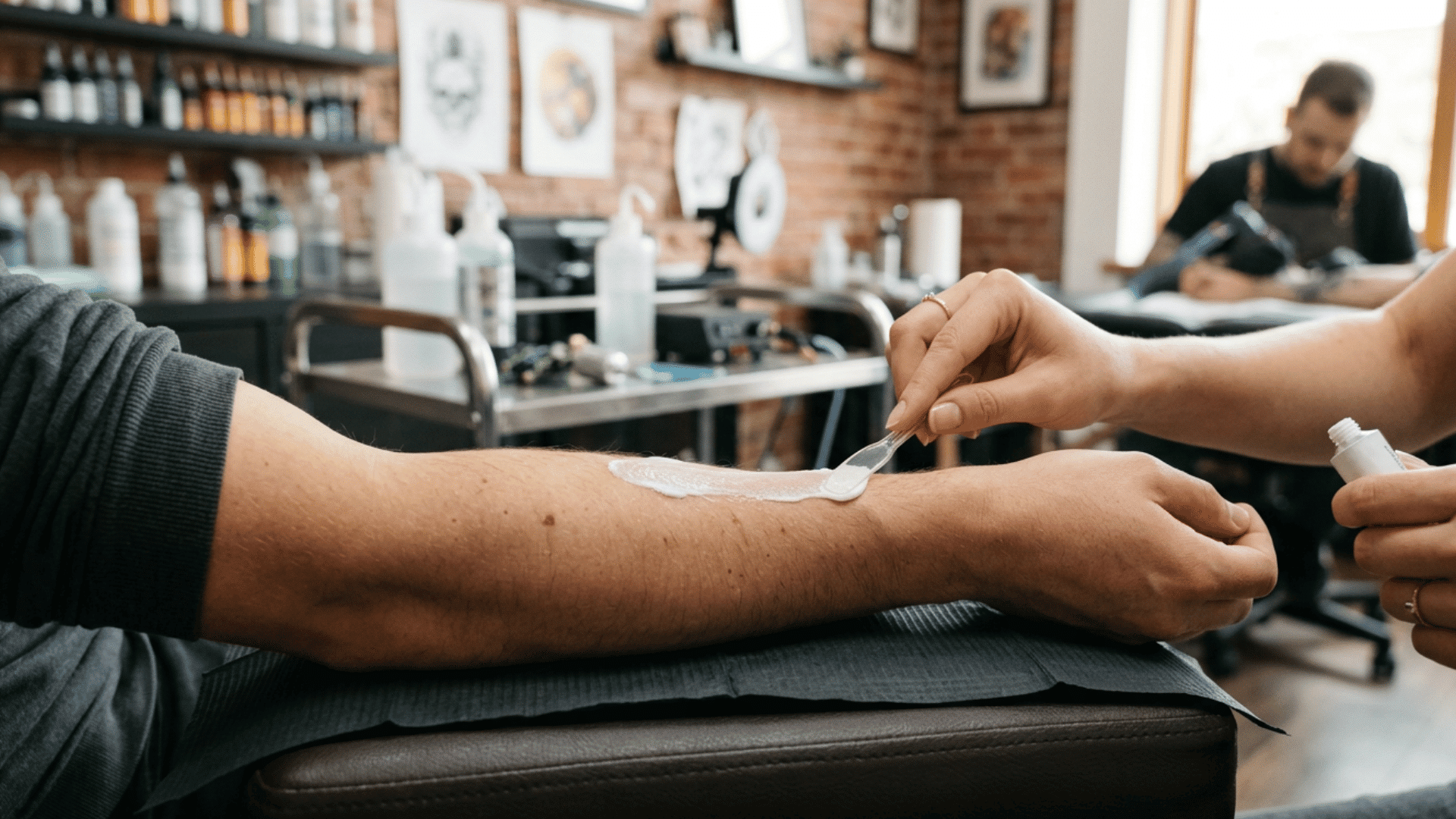
A good numbing cream for tattoo sessions is usually applied 30 to 60 minutes before the needle touches your skin. This gives the formula time to absorb properly.
How long numbness lasts depends on the product strength, your skin type, and the amount applied.
Some people stay numb for an hour; others notice it fade sooner.
Does Numbing Cream Affect Tattoo Quality?
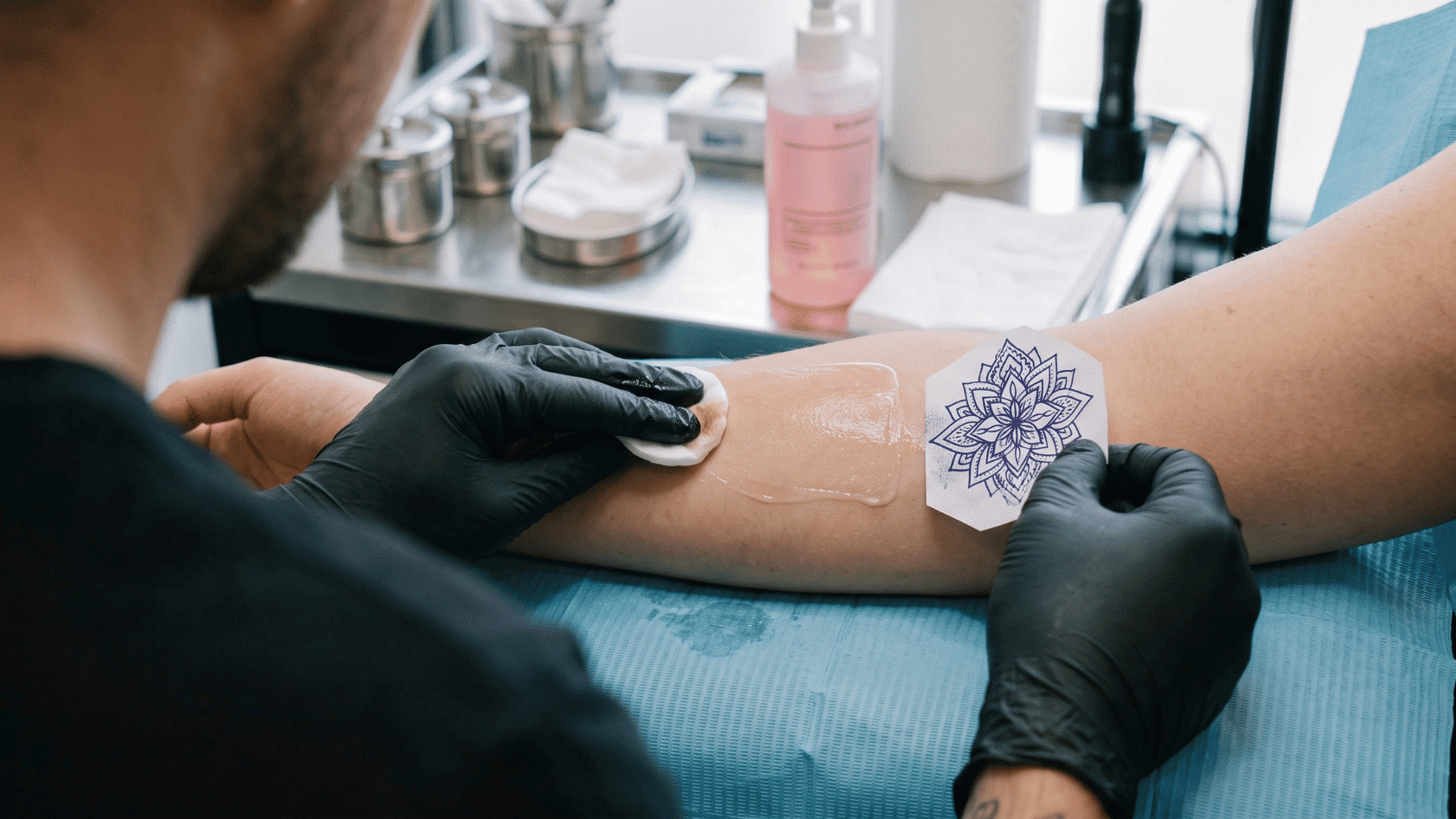
No, numbing cream does not usually affect tattoo quality when it is used correctly. The main changes are temporary and happen on the skin while the cream is active.
Some formulas can make the skin feel softer, firmer, slightly swollen, or more moist.
This may change how the skin responds to the stencil or needle during the session.
Problems are more likely if the cream causes irritation, is left on too long, or is used in the wrong amount. That can make the artist’s work more difficult.
The safest approach is to follow the product directions and tell the tattoo artist which cream was used before the session begins.
Water-Based vs. Oil-Based Numbing Cream: Why the Base Matters
Not every numbing cream is built the same way underneath the active ingredient, and the base can matter almost as much as the lidocaine concentration.
Water-based formulas absorb well and leave skin easier to work with during tattooing.
Oil-based or petroleum-heavy creams are more likely to leave skin slick or greasy, which can make it harder for a stencil to hold or for a needle to glide the way an artist expects.
Artists often report rough sessions because of the cream’s formula, not the numbing effect itself.
Checking the base type on the label, alongside the active ingredient, gives you a fuller picture of how a product may behave on skin during a session.
Tattoo Numbing Cream Myths vs Facts
Numbing cream comes with plenty of myths that can confuse first-time users. Separating fact from fiction helps you make safer choices before your tattoo appointment.
Knowing what is actually true about numbing cream lets you use it with more confidence and fewer unnecessary worries.
| Myth | Fact |
|---|---|
| Numbing cream always ruins tattoos | Correct use does not ruin tattoos; only misuse or irritated skin causes problems |
| More cream means better numbing | Excess cream raises the risk of irritation without improving numbing results |
| Every numbing cream works the same | Formulas differ in active ingredients, concentration, and how long they last |
| You do not need to tell your artist | Artists need to know to plan the session and handle your skin properly |
Tattoo Numbing Cream Side Effects
Tattoo numbing cream can affect the skin in different ways, so knowing what reactions to expect can help you use it more safely.
- Mild Redness: Temporary redness can appear where the cream was applied and often fades after the product is removed.
- Tingling or Warmth: A light tingling, cooling, or warming feeling may happen as the numbing ingredients begin working on the skin.
- Skin Irritation: Itching, burning, or discomfort can signal that the formula is not agreeing with the skin and should not be ignored.
- Swelling or Blistering: Noticeable swelling, blisters, or a spreading rash can indicate a more severe reaction and may require medical attention.
- Overuse Risks: Applying too much cream, covering a large area, or leaving it on longer than directed can increase the chance of side effects.
How Numbing Cream Can Affect the Tattoo Artist’s Work?
Numbing cream can change the way skin feels during a tattoo session. Some formulas may make the area feel softer, firmer, or slightly swollen, which can affect stencil placement and needle control.
If the cream starts wearing off during a long session, the sudden return of feeling can also make it harder to stay still.
Tell your tattoo artist which product was used before the appointment. Sharing the active ingredient, application time, and how long it stayed on the skin gives useful context.
This helps the artist prepare the area properly and decide whether any changes are needed before starting the tattoo.
How to Choose the Best Numbing Cream for Tattoos?
Picking the right numbing cream can feel confusing with so many options available online.
| Check | Why It Matters |
|---|---|
| Active ingredient | Lidocaine, concentration, and full ingredient list affect how well it works |
| Duration and timing | Should match your planned tattoo session length |
| Tube size | Helps match coverage to small or large tattoo areas |
| Customer reviews | Look at consistency and skin reactions, not just marketing claims |
| Seller reliability | Check labeling, transparency, instructions, and return policy |
Checking these points before buying, including actually knowing how to read the ingredient list, helps you pick a cream that actually suits your skin and session.
How to Use Numbing Cream Before a Tattoo?
Using numbing cream correctly makes a real difference in comfort and results. A few simple steps can help you apply it the right way before your appointment.
- Clean and prepare the skin. Start with clean, dry skin, following both the product instructions and any guidance your artist has given beforehand.
- Apply the right amount. Stick to the labeled amount rather than following online tips suggesting thick layers, unless the product specifically directs you to do so.
- Wait, then remove before tattooing. Leave the cream on for the recommended time, since this varies by formula, then let your artist clean and properly prepare the area.
Final Thoughts
Numbing cream for tattoos makes the biggest difference when the formula, the amount, and the honest heads-up to your artist all line up.
Skin texture, base type, and communication matter more than chasing the strongest product on the shelf.
Instead of hunting for the most powerful lidocaine percentage you can find, focus on a formula base and active ingredient you actually understand, then check it against your own skin type.
Talk to your artist before you buy anything, and pick a product that fits your session length
Frequently Asked Questions
Is Numbing Cream for Tattoos Illegal?
Numbing cream for tattoos is not illegal in most places. Some formulas with higher lidocaine concentrations may require a prescription, so checking local regulations before buying is helpful.
Can Tattoo Numbing Cream Be Reapplied During a Session?
Do not reapply numbing cream unless the product directions allow it and your tattoo artist agrees. Some products are not meant for freshly tattooed skin
Can You Eat or Drink Normally Before Applying Numbing Cream?
Eating and drinking normally before applying numbing cream is generally fine. Staying hydrated and avoiding alcohol beforehand can help your body respond better during a longer tattoo session.