
Your skin feels clean after washing, but something still feels off. A little dull, a little tight, or just not quite fresh.
Toner is often the missing step that fixes this exact feeling. It works quietly but makes a real difference.
So what does toner really do for your skin? It clears leftover residue, adds hydration, and preps skin for the products that follow.
You’ll get simple answers about how toner works, how often to use it, and which formula best fits your skin type.
What Is Face Toner?
Face toner is a light, water-based liquid applied right after cleansing your face. It preps skin for the next steps in your routine.
So what does toner do for your skin? It clears leftover dirt, oil, makeup residue, and impurities that your cleanser might miss.
Modern formulas often include hyaluronic acid and glycerin for hydration, aloe vera for soothing, plus salicylic acid or glycolic acid for specific skin concerns.
One of the biggest benefits of face toner is balancing skin without replacing your cleanser or moisturizer. It simply supports the rest of your routine.
What Does Toner Do for Your Skin?
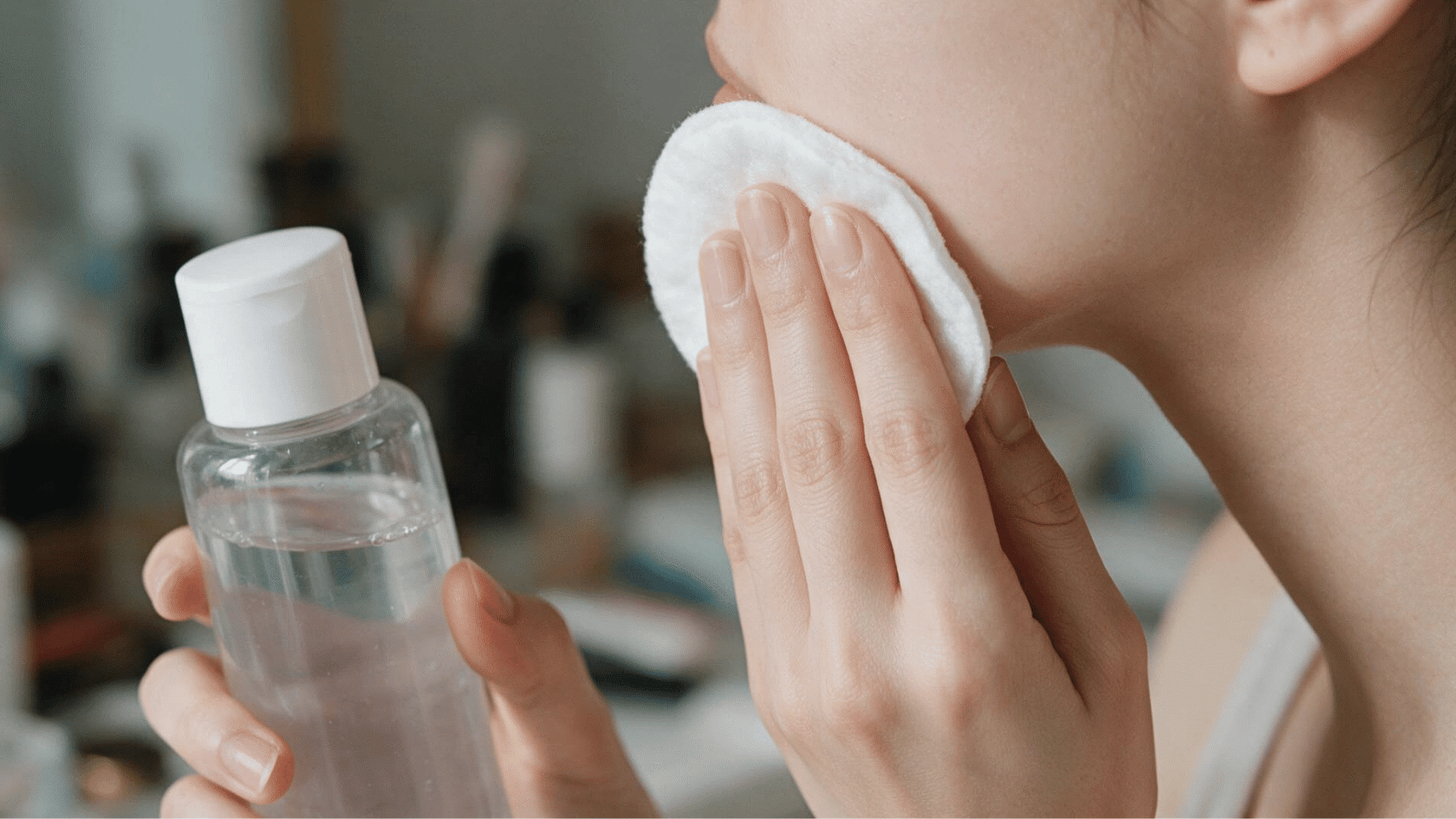
If you have ever asked what does toner do for your skin, the answer covers more than one simple task. Toner works quietly but plays several helpful roles in a routine.
From clearing leftover residue to prepping skin for other products, toner supports each step that follows. Here is a closer look at what it actually does:
1. Removes Leftover Dirt and Impurities
Cleansing helps, but it does not always remove every trace of makeup, oil, sunscreen, or dirt. Toner picks up what your cleanser leaves behind, gently and without harsh stripping.
This is a key part of what does toner do for your skin. Cleaner skin means the products you apply next can work the way they are meant to.
2. Helps Balance Skin After Cleansing
Skin naturally sits at a slightly acidic pH, which supports a healthy barrier. Some cleansers can shift this balance a little, leaving skin feeling different right after washing.
Toner can help support that natural balance and leave skin feeling more comfortable. It does not fully restore pH on its own, but it plays a small supporting part.
3. Hydrates and Supports the Skin Barrier
Hydrating toners bring a light layer of moisture right after cleansing, before anything else touches your skin. This step matters more than people often expect.
Ingredients like glycerin, hyaluronic acid, and aloe vera act as humectants, drawing in moisture. This helps skin feel softer and less tight throughout the day.
4. Prepares Skin for Serums and Moisturizers
One answer to what does toner do for your skin is simple: it preps the surface. Applying toner creates a slightly damp base for the products that follow.
Serums and moisturizers tend to spread more easily on damp skin. This is why toner is often seen as the prep stage of a full skincare routine.
5. Soothes Skin and Targets Specific Concerns
Not all toners do the same job, since formulas are made for different skin needs. Sensitive skin may benefit from aloe or oats, while acne-prone skin often responds to salicylic acid.
Dull skin can benefit from AHAs, and dry skin needs hydrating ingredients. Choosing the right formula matters just as much as adding toner to your routine at all.
How Often Should You Use Toner?
Most people use toner once or twice a day, but the right frequency depends on your skin type and the formula you choose. There’s no single rule for everyone.
Toner frequency can make a real difference in how your skin looks and feels over time.
- Daily use: Many people apply toner once or twice daily as part of their routine.
- Hydrating toners: These often work well both in the morning and at night without issues.
- Exfoliating toners: Acid-based formulas should be introduced gradually, starting a few times a week.
- Sensitive skin: May need less frequent use to avoid irritation.
- Watch for reactions: Adjust use as needed for any irritation, dryness, or redness.
Finding the right frequency comes down to listening to your skin’s response over time. Start slow and increase use only if your skin handles it well.
Face Toner Benefits by Skin Type
Not every toner suits every skin type, so picking the right formula matters more than just adding a toner step. Ingredients should match what your skin actually needs.
What does toner do for your skin often depends on your specific skin type and concerns.
| Skin Type | Toner Ingredients to Look For | Benefits |
|---|---|---|
| Oily skin | Salicylic acid, niacinamide | Helps manage excess oil and clogged pores |
| Acne-prone skin | BHA, gentle exfoliating acids | Supports clearer-looking skin |
| Dry skin | Hyaluronic acid, glycerin | Adds hydration |
| Sensitive skin | Aloe, fragrance-free formulas | Helps calm skin |
| Dull skin | AHAs, exfoliating ingredients | Improves texture and brightness |
Choosing ingredients based on your skin type helps you get real results instead of guessing. This is especially true if your skin reacts easily to new products.
If your skin is easily irritated, avoid harsh alcohol-based formulas, as they can dry out or further irritate it. A gentler formula usually works better in the long term.
Using Toner Correctly
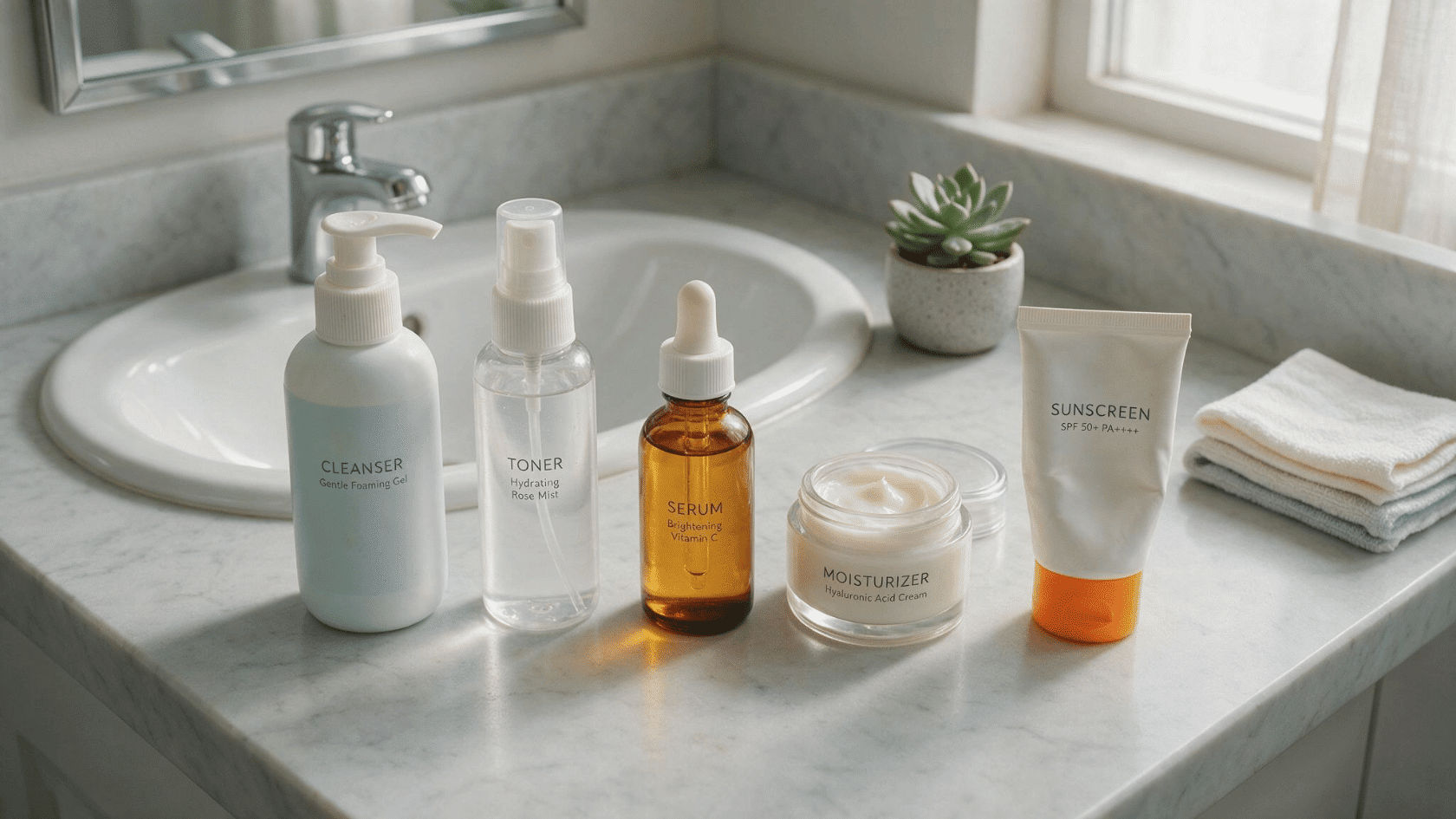
Knowing what toner does for your skin is only half the picture, since using it correctly matters just as much. A simple step-by-step order helps toner work the way it should.
Follow this routine order for best results: Cleanser, Toner, Serum, Moisturizer, Sunscreen.
Step 1: Cleanse Your Face
Start by washing away makeup, sunscreen, and surface buildup with your regular cleanser. This clears the way for toner to do its job properly.
Once cleansed, pat skin dry gently instead of rubbing. Skin should feel clean but not stripped or tight before you move to the next step.
Step 2: Apply Toner
Apply toner using a cotton pad if you want to remove leftover residue, or clean hands for hydrating formulas. A spray mist works well for a quick refresh.
Whichever method you choose, avoid rubbing your face aggressively. Gentle pats or light sweeps are enough to let toner settle into the skin.
Step 3: Continue With Skincare
Do not rinse toner off after applying it, since it needs to stay on the skin to work. Let it absorb fully before moving to the next step.
Follow with a serum, then moisturizer, and finish with SPF in the morning. This order helps each product absorb properly without interfering with the next.
Do You Really Need Toner?
Toner is not mandatory for everyone, and skipping it will not ruin your skincare routine. Some people do just fine without this step.
That said, understanding what does toner do for your skin can help you decide if it’s worth adding to your routine.
- Useful for those who want extra hydration from lightweight, water-based formulas.
- Helpful if you’re looking for soothing benefits from ingredients like aloe.
- Good option if you want targeted ingredients, such as acids for specific concerns.
- Cannot replace cleansing, moisturizing, or sunscreen.
- Best chosen based on your specific skin needs, not just habit.
A well-chosen toner can support your routine, but it works best when paired with other essential steps. Focus on what your skin actually needs before adding this step.
Final Thoughts
At its core, what does toner do for your skin comes down to three things: cleaning, hydrating, and prepping for the steps that follow.
It’s a small addition that can make a noticeable difference, especially when you choose ingredients suited to your skin type and needs.
You don’t need a complicated routine to see results. Start with a simple formula, use it consistently, and adjust based on how your skin responds.
Try adding toner to your routine tonight and notice the difference in just one week.
Have questions about toner or your skincare routine? Drop them in the comments below.
Frequently Asked Questions
What Does Toner Do for Acne?
Toner with salicylic acid or BHA can help clear pores and reduce breakouts over time. It works best as a support step, not a standalone acne treatment.
Should I Use Toner in The Morning or Night?
Hydrating toners work well both morning and night, but exfoliating toners are best used at night only. This helps avoid sun sensitivity from certain active ingredients.
Can Toner Cause Breakouts if Used Incorrectly?
Yes, using a toner with the wrong ingredients for your skin type can clog pores or trigger irritation. Always patch test new formulas before regular use.