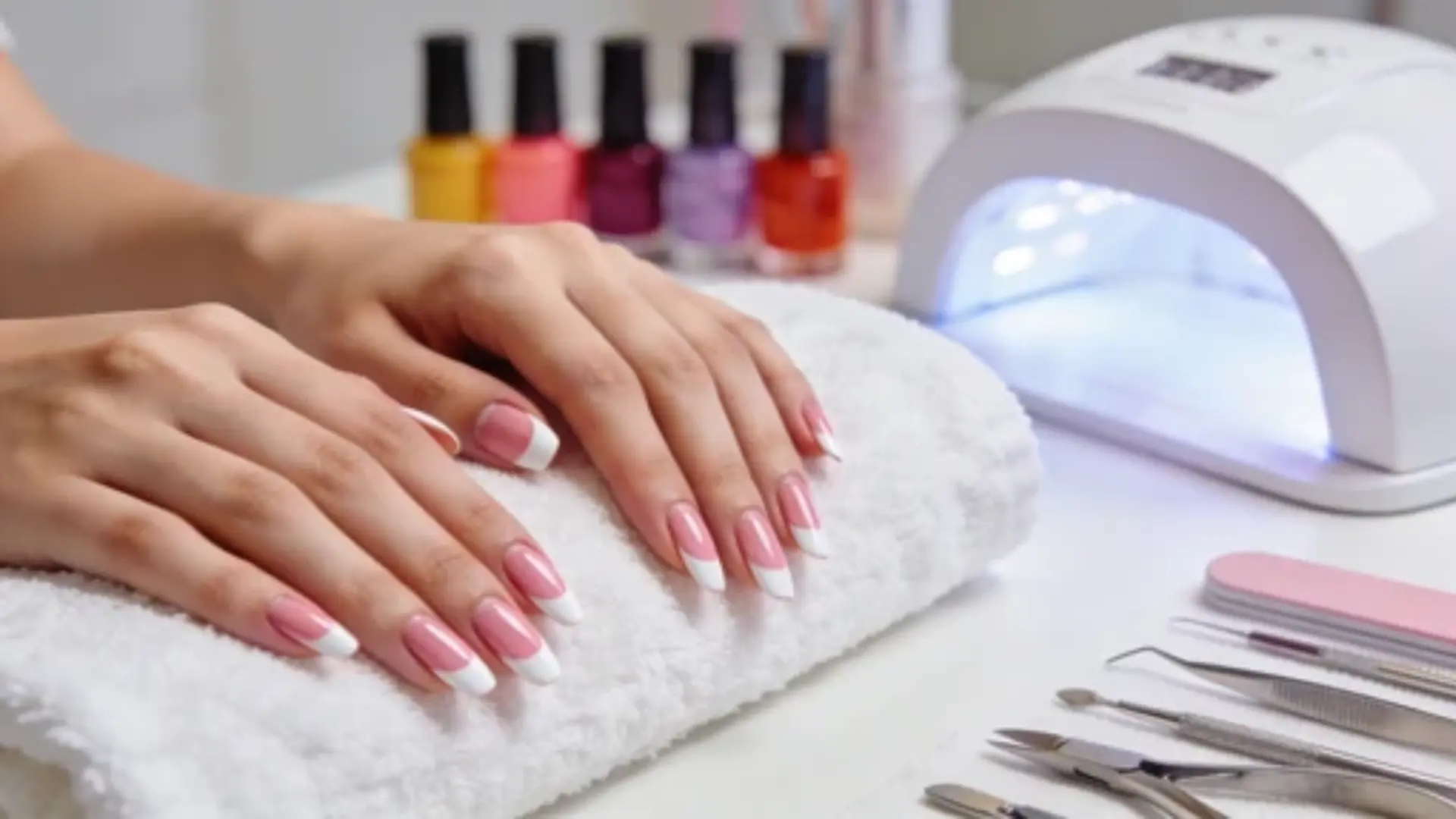
Sitting in a nail salon trying to decide between gel, dip, shellac, and five other options while your technician waits is not the ideal moment to figure this out. This guide covers every common manicure type, what each one actually is, how long it lasts, what it costs, how it affects your nails, and who it genuinely suits.
I’ll walk you through popular options like classic, gel, and dip powder manicures, sharing my experience and thoughts on nail health and maintenance along the way.
It’s not only about how your nails look, but also about keeping them strong and healthy. So, let’s dig into the best choices for you, if you’re new to manicures or a long-time fan looking for something new!
Quick Guide: Which Manicure is Right for You
Choosing the right manicure can feel confusing at first, especially with so many options available. I’ve found that keeping it simple makes the decision much easier and less overwhelming.
- Best for beginners → Classic manicure
- Best long-lasting → Gel or dip powder
- Best for added length → Acrylic or polygel
- Best natural look → Soft gel or French
- Best low maintenance → Dip powder
- Best for damaged or weak nails → Soft gel (builder gel) or silk wrap
- Best for deep hydration → Paraffin wax manicure
- Best for a special occasion → Gel or shellac (polished finish, no last-minute chips)
Most Popular Types of Manicure for Every Nail Need
I came across various types of manicures, each offering different benefits to suit individual preferences.
Here’s a breakdown of the most common types, including their pros and cons:
1. Classic/Regular Manicure
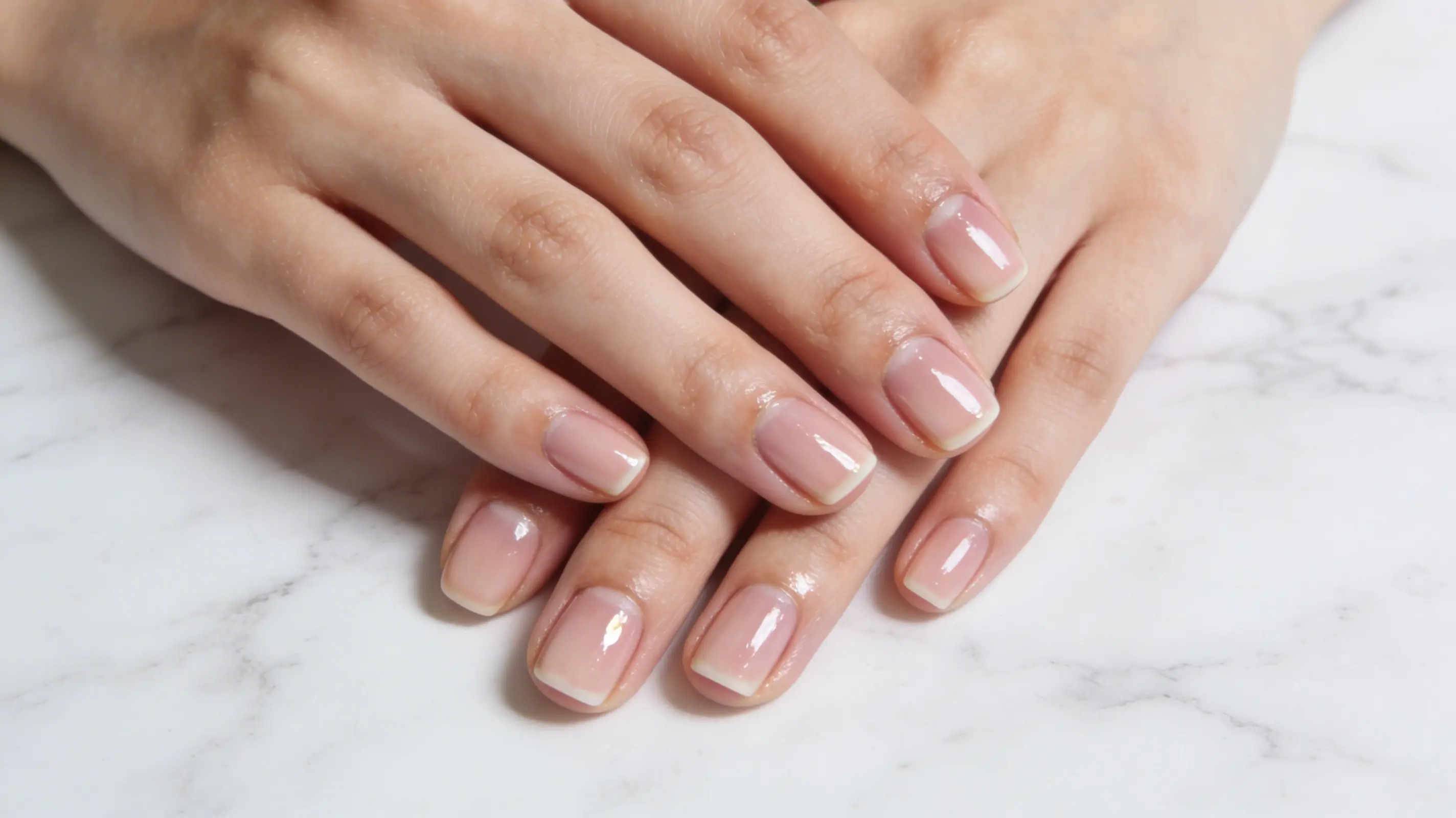
A classic manicure is the simplest and most common option, focusing on basic nail care and a clean finish. It includes trimming, shaping, cuticle care, and applying regular nail polish.
I’ve found this works best when you just want your nails to look neat without committing to long wear. It’s easy to change colors often, which is a big plus if you like variety. The downside is that it chips more quickly than other types, especially with daily use or exposure to water.
- Lasts: 3–5 days
- Key benefit: Simple and natural look
- Best for: Low-maintenance care
Nail health note: Of all the manicure types available, the classic manicure is the least invasive and the healthiest option for your nails. No UV curing, no harsh adhesives, and easy removal with standard polish remover means your natural nail plate is left fully intact.
If your nails are recovering from previous damage, rotating in classic manicures between longer-wear treatments gives the nail a chance to breathe and strengthen
2. Gel Manicure

A gel manicure uses a special polish that is cured under UV or LED light, creating a smooth and glossy finish that resists chipping.
From what I’ve seen, it’s one of the most reliable options if you want your nails to stay polished for longer without constant touch-ups. It feels lightweight and looks fresh for days. However, proper removal is important, as peeling it off can damage your natural nails over time.
- Lasts: 10–14 days
- Key benefit: Chip-resistant and shiny
- Best for: Long-lasting everyday wear
Note: Gel is my most-reached-for option when I have something coming up and need nails that will stay pristine for two weeks without touching them. I’ve found that asking the technician to do a thin application makes a genuine difference in how natural the finish looks. The thick gel looks great on day one and is obvious by day ten
3. Dip Powder
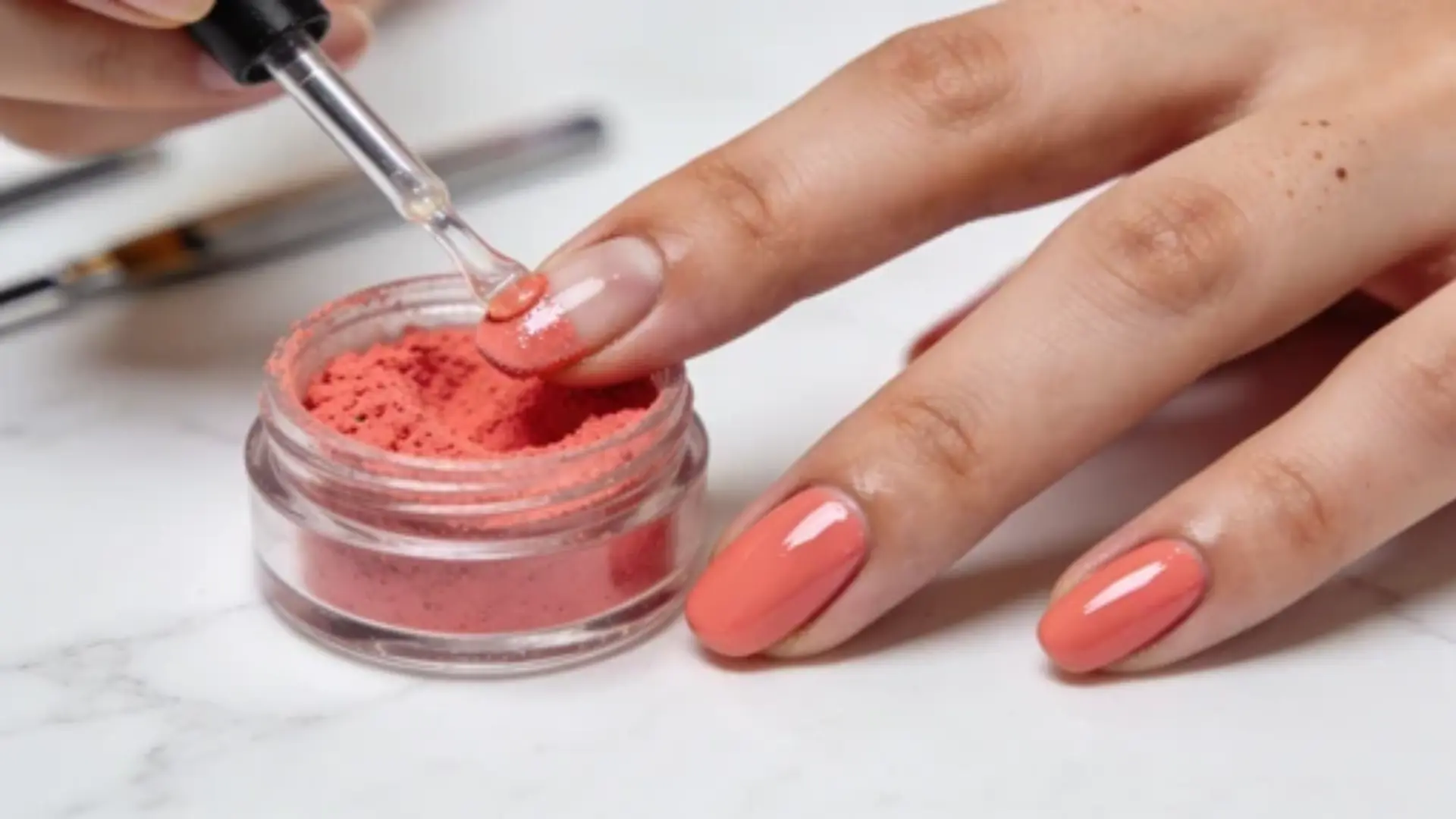
A dip powder manicure involves coating your nails with a bonding liquid and dipping them into colored powder, creating a strong layered finish. I’ve noticed this option is great if you want something durable without using UV light.
It feels thicker than gel but holds up extremely well against daily wear. It also reduces the need for frequent salon visits. The removal process takes time, so patience is needed to avoid damaging your nails.
- Lasts: 3–4 weeks
- Key benefit: Very durable without UV light
- Best for: Low-maintenance, long wear
Hygiene note worth knowing: Some salons use a communal dip powder jar, where multiple clients dip their nails into the same container. This is a sanitation concern. A reputable salon will either use your own personal jar or pour powder onto a disposable surface for each client. It’s completely reasonable to ask about their process before the service starts.
4. Acrylic Nails
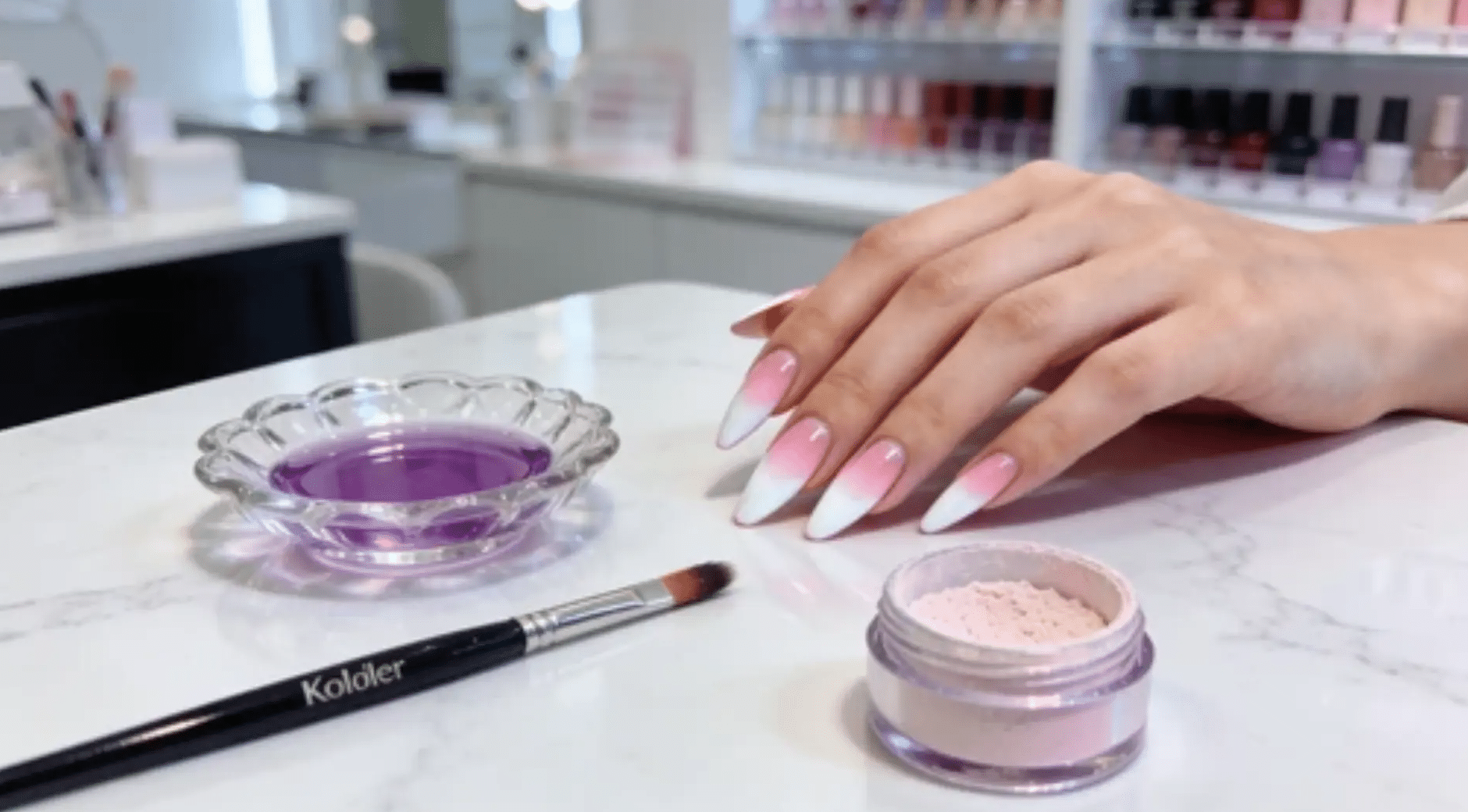
Acrylic nails are created using a mixture that hardens over your natural nails, allowing you to add length and shape.
I’ve seen people choose this when they want dramatic styles or longer nails that won’t break easily. They are very strong but require regular fills as your nails grow. If not maintained properly, they can feel heavy and may weaken natural nails underneath.
- Lasts: 2–3 weeks (with fills)
- Key benefit: Adds length and strength
- Best for: Long or shaped nails
What “fills” actually means: As your natural nail grows, a gap appears between the acrylic and the cuticle. A fill appointment (typically every 2–3 weeks) fills that gap in with fresh product rather than removing and reapplying the whole set.
Fills are less expensive than a full set and are an expected part of the ongoing commitment when you choose acrylics.
5. Shellac Manicure
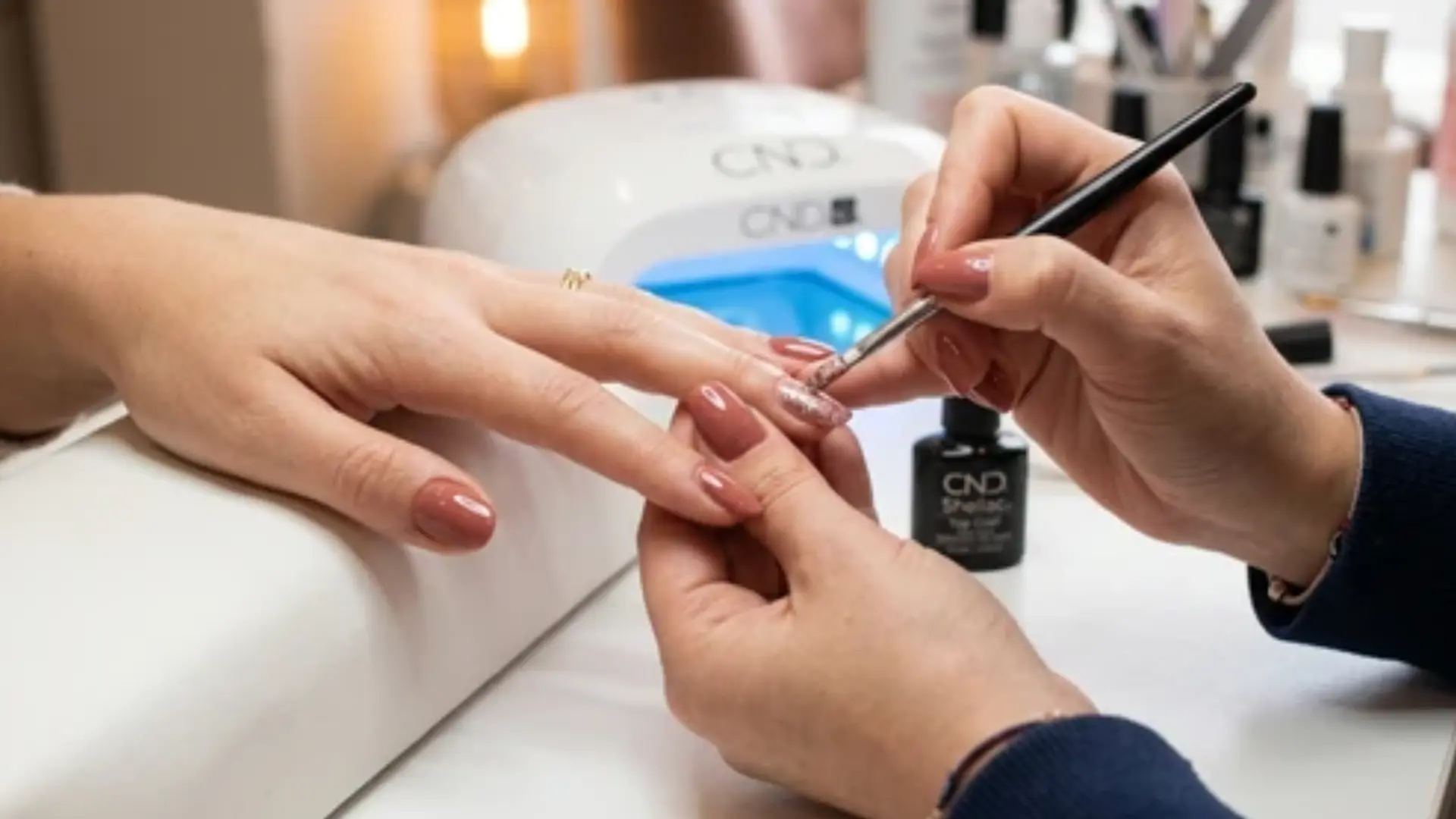
A shellac manicure combines features of gel and regular polish, giving you a finish that lasts longer than basic polish but is easier to remove than gel.
I think it’s a good middle-ground option if you don’t want something too strong or too temporary. It provides a smooth shine and decent durability. However, it doesn’t last as long as gel or dip options.
- Lasts: Up to 2 weeks
- Key benefit: Easier removal than gel
- Best for: Medium-term wear
6. Russian Manicure
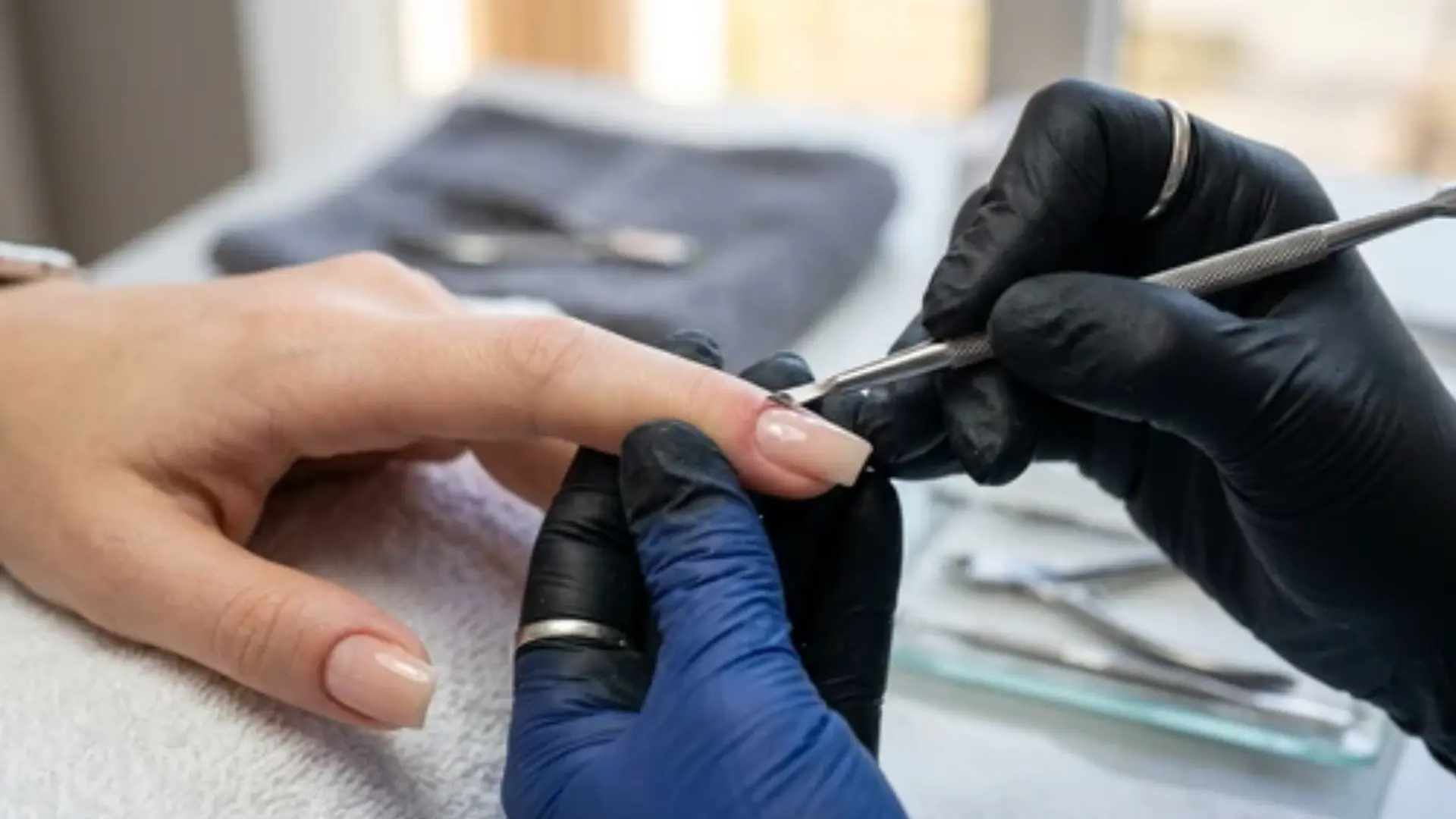
A Russian manicure focuses on detailed cuticle work using precise tools to create a very clean and defined nail base. I’ve noticed it gives a polished look that stands out because of how neat the edges appear.
It’s more technique-driven than product-driven. However, it needs to be done carefully, as aggressive cuticle work can lead to damage if not handled properly.
- Lasts: 2–3 weeks
- Key benefit: Precise, polished look
- Best for: Clean nail appearance
Russian manicures use an e-file for a cleaner finish and longer-lasting results, but require skilled technicians, as improper technique can cause nail damage or increase infection risk.
7. Soft Gel (Builder Gel)

Soft gel, also known as builder gel, is used to strengthen natural nails while keeping them flexible and natural-looking.
From my experience, this works well if your nails break easily, but you don’t want the heaviness of acrylics. It adds structure without making nails feel bulky. It also supports healthy nail growth when applied and removed properly.
- Lasts: 2–3 weeks
- Key benefit: Strength without heaviness
- Best for: Natural-looking durability
Builder gel is a great option for damaged nails, offering strength without rigidity. It protects nails, adds flexibility, and supports natural growth without the heaviness of acrylics.
8. Paraffin Wax Manicure
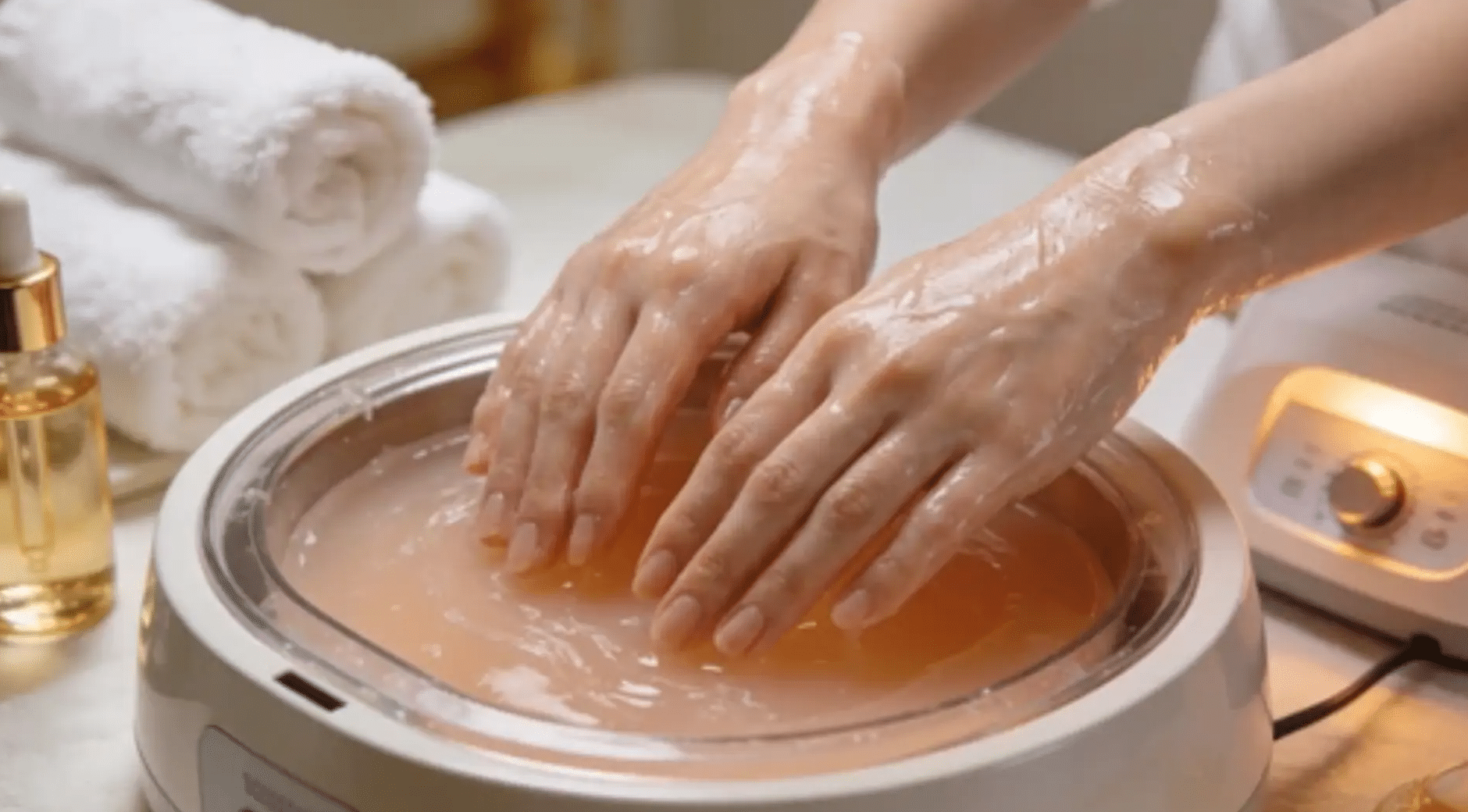
A paraffin wax manicure is more about care than polish. Warm wax is applied to your hands to deeply hydrate the skin and nails. I’ve found this especially useful when hands feel dry or rough.
It’s relaxing and helps improve skin softness quickly. However, the results are short-term and usually paired with another manicure type for better overall results.
- Lasts: 1–2 days
- Key benefit: Deep moisture and relaxation
- Best for: Dry hands and nails
Paraffin wax treatments should be avoided if you have cuts, active skin conditions, poor circulation, or diabetes affecting sensation. Always inform your technician about any conditions before getting this treatment.
9. French Manicure

A French manicure features a natural base with clean white tips, giving a simple and polished look. I’ve always seen this as a safe choice when you want something neat that works for any setting.
It doesn’t draw too much attention, but it still looks put together. The only drawback is that it chips like regular polish unless done with gel.
- Lasts: 3–5 days
- Key benefit: Clean and classic look
- Best for: Minimal style
French manicures are trending again with softer, natural looks like sheer finishes and subtle tips. Modern styles feel less harsh, making them a great option if you want a clean, updated nail look.
10. Sculpted Gel Manicure
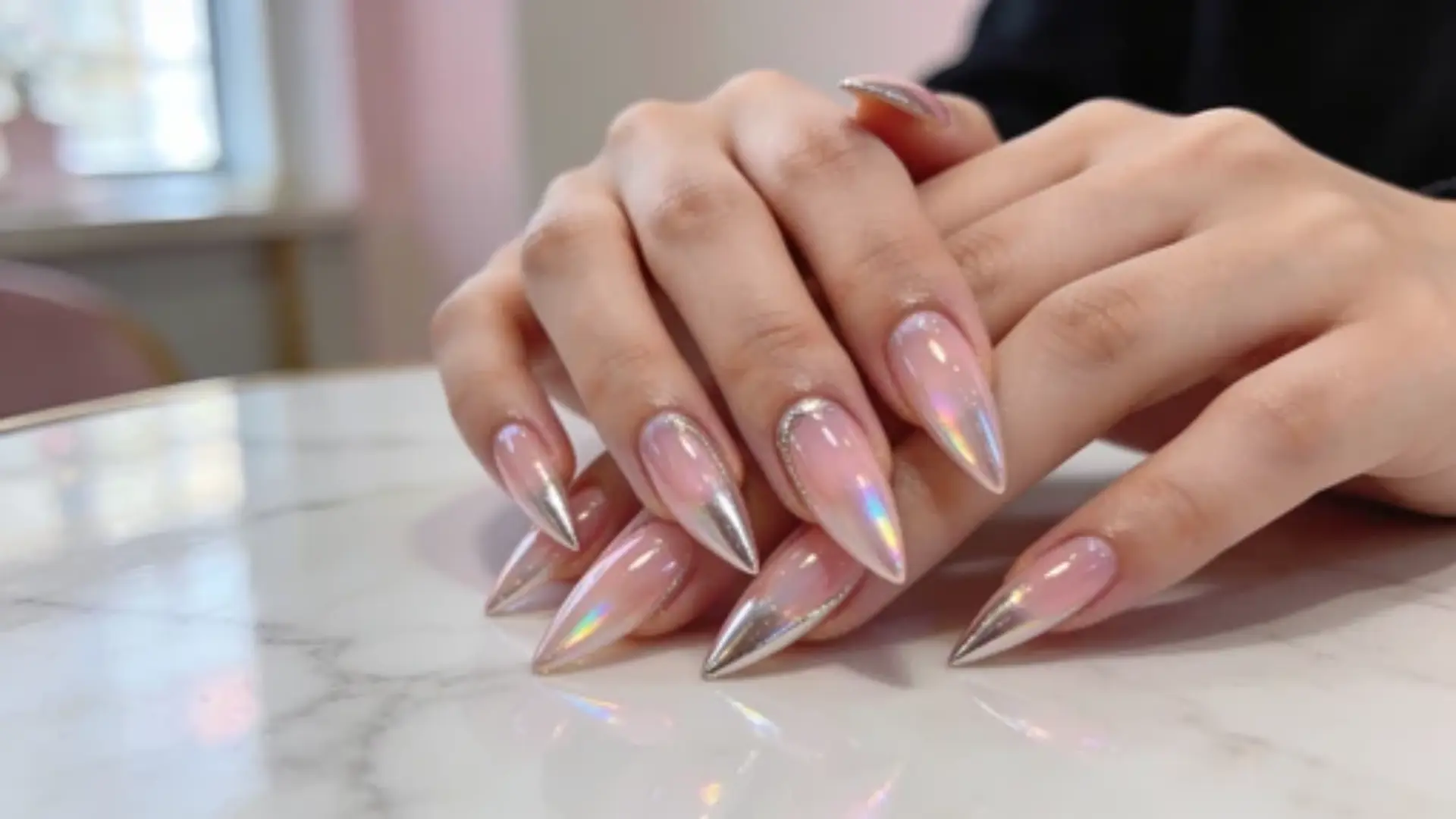
A sculpted gel manicure uses gel to build and shape nails, allowing for custom designs and extensions. I’ve noticed this is chosen by people who want flexibility in nail shape without going fully acrylic.
It gives a smoother, lighter feel while still offering strength. Proper application is key to long-lasting results.
- Lasts: 2–3 weeks
- Key benefit: Custom structure and strength
- Best for: Shaped or extended nails
11. Polygel Manicure
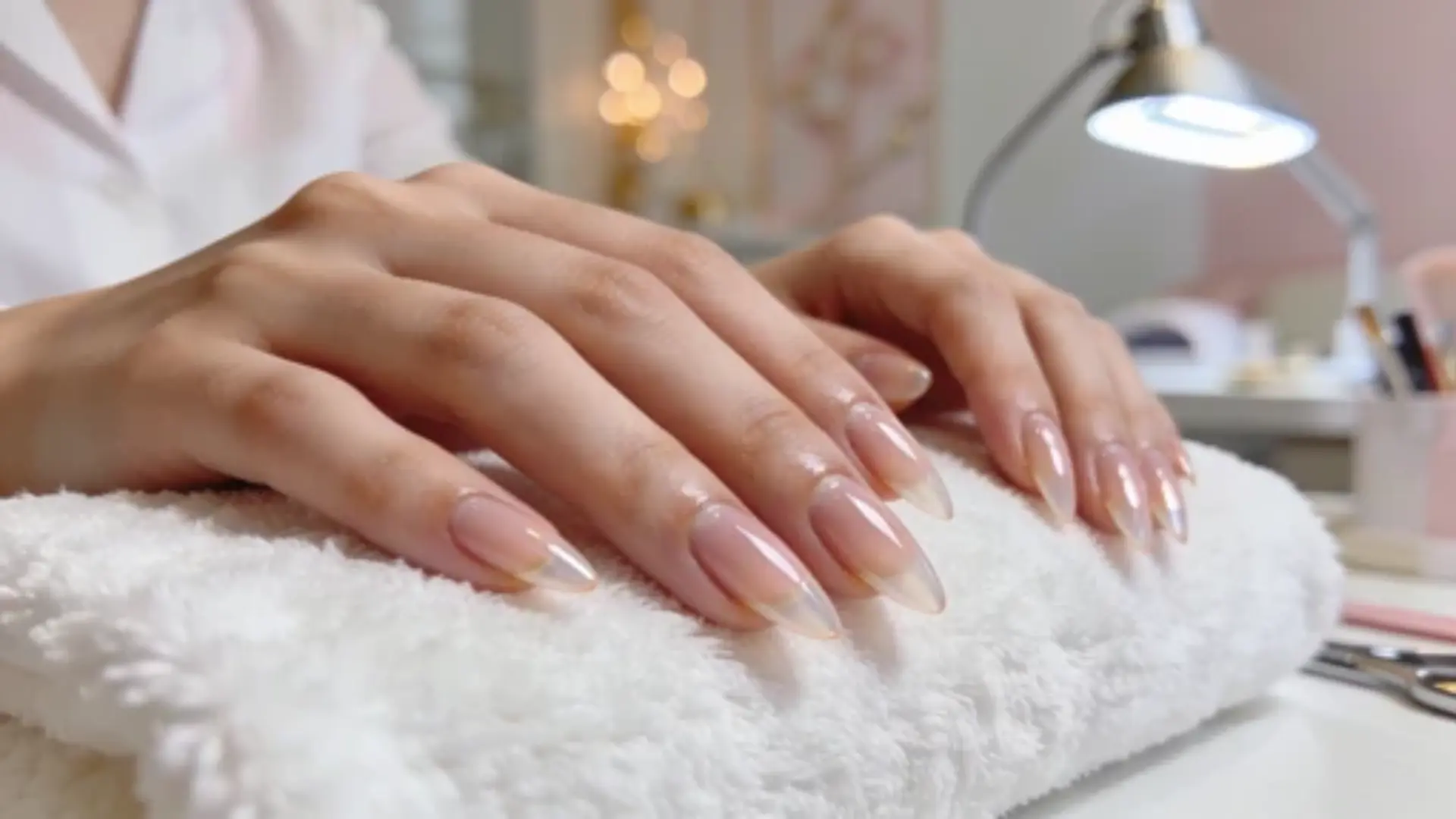
Polygel is a hybrid between acrylic and gel, combining strength with flexibility. I’ve found this to be a balanced option if you want durable nails without the weight of acrylics.
It feels lighter and is easier to shape. It also reduces the strong chemical smell often associated with acrylics.
- Lasts: 2–3 weeks
- Key benefit: Lightweight but strong
- Best for: Flexible extensions
Polygel is shaped with slip liquid before curing, giving more working time than acrylics. This allows better control, smoother application, and cleaner results, especially for detailed or dramatic nail shapes at a similar cost.
12. Silk Wrap Manicure
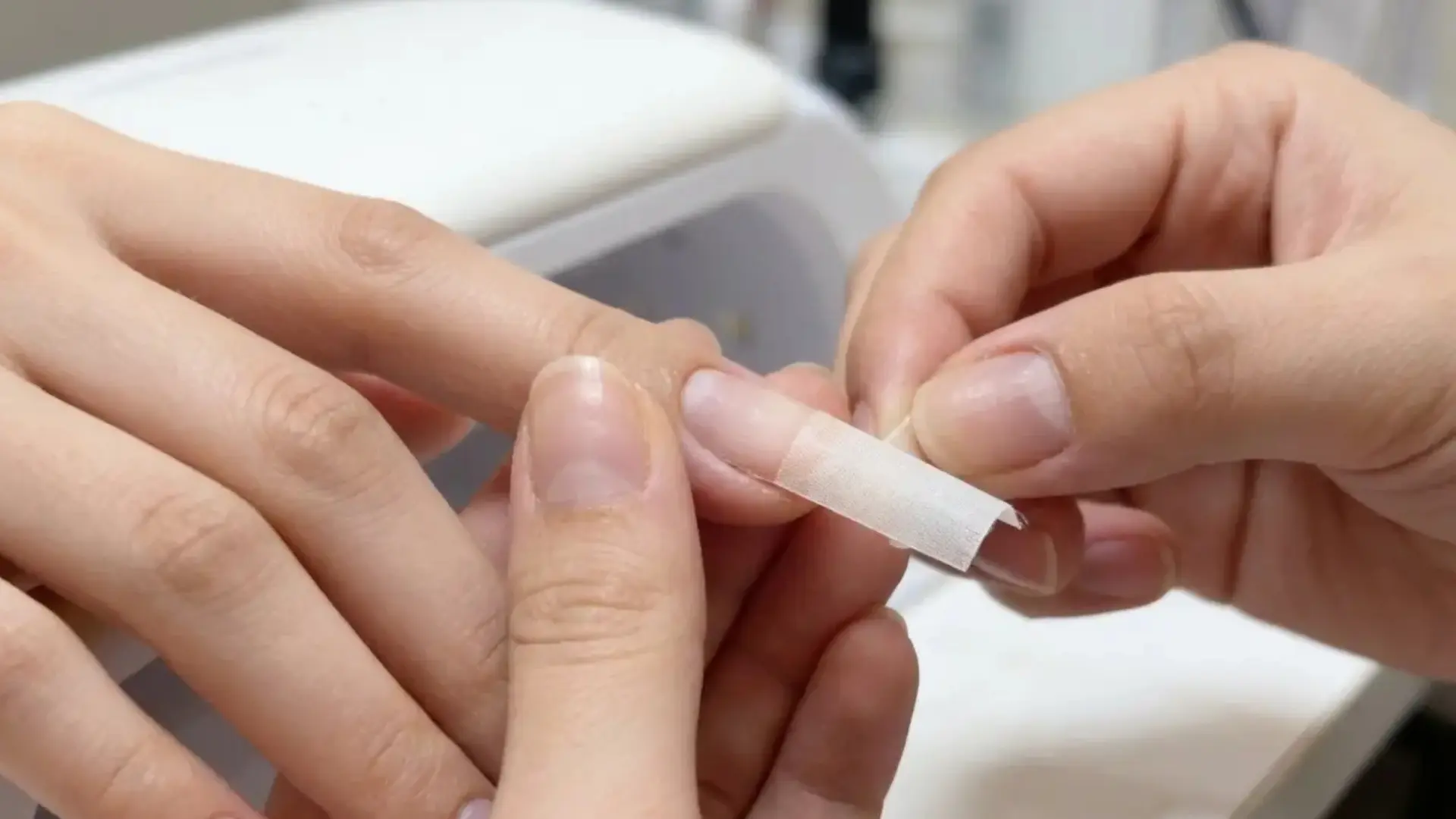
A silk wrap manicure uses thin silk or fiberglass layers to reinforce natural nails. I’ve seen this work best for repairing weak or damaged nails without adding bulk.
It feels very light and natural, but doesn’t last as long as other stronger options. It’s more about support than style.
- Lasts: 1–2 weeks
- Key benefit: Light strengthening
- Best for: Weak natural nails
Silk wraps are underused and underappreciated. They’re particularly good for repairing a single broken nail so it matches the rest of the set in length and appearance while it grows.
If you’ve ever had one nail snap and ruined the whole look, a silk wrap on that nail is a practical fix that most salons can do quickly.
Selecting the Best Manicure for You
Choosing the right manicure comes down to your lifestyle, nail health, and how much maintenance you’re willing to handle. I’ve seen that the best results come when your choice matches your daily routine, not just how the nails look on day one.
Some options last longer but need careful removal, while others are easy to manage but require frequent touch-ups. It also depends on whether you want strength, length, or a simple, clean finish. Taking a moment to think about how often you’ll maintain your nails can save you time and effort later.
- Short on time → Gel or dip powder
- Want natural nails → Classic or soft gel
- Need length → Acrylic or polygel
- Want low upkeep → Dip powder
I’ve found that when your manicure fits your routine, you’re far more likely to stay happy with the results over time.
At-Home vs. Salon Manicures
Choosing between at-home and salon manicures depends on your time, budget, and the level of finish you expect. I’ve tried both, and each has its place depending on the situation.
Here’s a quick comparison to help you decide what works best for you:
| Aspect | At-Home Manicures | Salon Manicures |
|---|---|---|
| Cost | More affordable | More expensive |
| Convenience | Can be done anytime | Requires appointment |
| Results | Depends on skill | Professional finish |
| Durability | May chip sooner | Usually longer-lasting |
| Tools | Basic or DIY kits | Professional-grade tools |
Both options can work well depending on your routine. I’ve found mixing both gives flexibility, quick fixes at home, and salon visits when you want a more polished result.
At-home gel kits can deliver long-lasting results comparable to salon treatments, but removal is more difficult. Proper soaking and careful removal are important to avoid nail damage.
Caring for Your Manicure
To keep your manicure fresh longer:
- Apply a top coat regularly to seal polish and prevent chipping.
- Avoid using nails as tools to reduce damage.
- Wear gloves when doing dishes or cleaning to protect your nails.
- Never peel off polish; this can damage your nails.
- Don’t soak nails for long periods in water.
These simple steps can extend the life of your manicure and keep your nails looking great.
Final Thoughts
Choosing the right manicure becomes easier when you understand what each option offers and how it fits your routine. I’ve seen how the right choice can save time, reduce damage, and keep your nails looking better for longer.
The key is matching durability, maintenance, and nail health with your daily habits. Some options last longer, while others are easier to maintain, and knowing that difference helps you avoid frustration later.
Whatever you choose, the two habits that matter most, regardless of manicure type, are proper removal and daily cuticle oil. Everything else is fine-tuning.
If you’re still unsure, start simple and adjust as you go. Try one option, see how your nails respond, and build from there.
If this helped, share your favorite manicure type or save this guide for your next salon visit.
Frequently Asked Question
What Nails Won’t Ruin Your Real Nails?
Any type applied thinly and removed by soaking, not peeling. Press-ons and silk wraps are gentlest; damage usually comes from careless removal, not the product itself.
Is $40 a Lot for a Gel Manicure?
No, it’s about average. Most salons charge $35–$60, depending on location and design. Under $30 is a deal; over $60 signals premium work.
What is the New Nail Gel Called?
Gel-X is the newest favorite: a soft-gel extension applied as a full-cover tip and cured, offering length like acrylics with a lighter, gentler feel.