The interior design landscape has shifted dramatically. The early 2020s were heavily defined by a clinical, stark minimalism—sharp right angles, icy gray palettes, and furniture that often looked more like modern art installations than places to actually sit and relax. As we navigate through 2026, there is a massive collective rejection of that cold, austere aesthetic. We no longer want our homes to look like sterile showrooms or dental waiting areas. We are craving warmth, organic softness, and deep, tactile comfort.
The living room is returning to its original purpose as a domestic sanctuary, but it is doing so with a highly sophisticated, engineered edge.
At the absolute center of this aesthetic revolution is the seating arrangement. The rigid, boxy sofas of the past decade are being aggressively swapped out for fluid, inviting silhouettes. If you are looking to renovate your space or simply update its foundational pieces, exploring the current evolution of modern couches for living room layouts is the only logical starting point. The specific shapes and upholstery materials dominating the market this year are not just fleeting internet fads; they represent a fundamental change in how we want our domestic environments to physically feel.
The Death of the Sharp Angle
Look around most standard living rooms, and you will see a rigid grid. Square windows, rectangular rugs, a flat-screen television, and traditionally, a perfectly rectangular sofa shoved against a flat wall. The human eye easily gets fatigued by this endless repetition of straight lines and sharp corners.
The most defining shape trend of 2026 is the biomorphic silhouette. Furniture designers are pulling inspiration directly from nature, replacing harsh geometry with sweeping, organic curves.
The Crescent and the Kidney Bean We are seeing a massive surge in crescent-shaped sofas and kidney-bean configurations. These curved pieces do something magical to a room’s floor plan. Instead of acting like a heavy wall that blocks off a section of the room, a curved sofa gently guides foot traffic around it. When placed in the center of an open-concept space, a curved back softens the harsh architecture of the room, making the entire environment feel more fluid and significantly more intimate for conversation.
The Plump, Overstuffed Armrest The ultra-thin, razor-sharp track arm is being phased out. In its place, we are seeing heavily padded, oversized, and dramatically rounded armrests. These chunky silhouettes mimic the visual of inflated pillows. They do not just look softer; they encourage you to drape your legs over the side or rest your head directly on the arm without needing an extra throw pillow. The visual weight of the furniture has shifted from looking “light and fragile” to looking “substantial and grounded.”
Hyper-Textured Upholstery
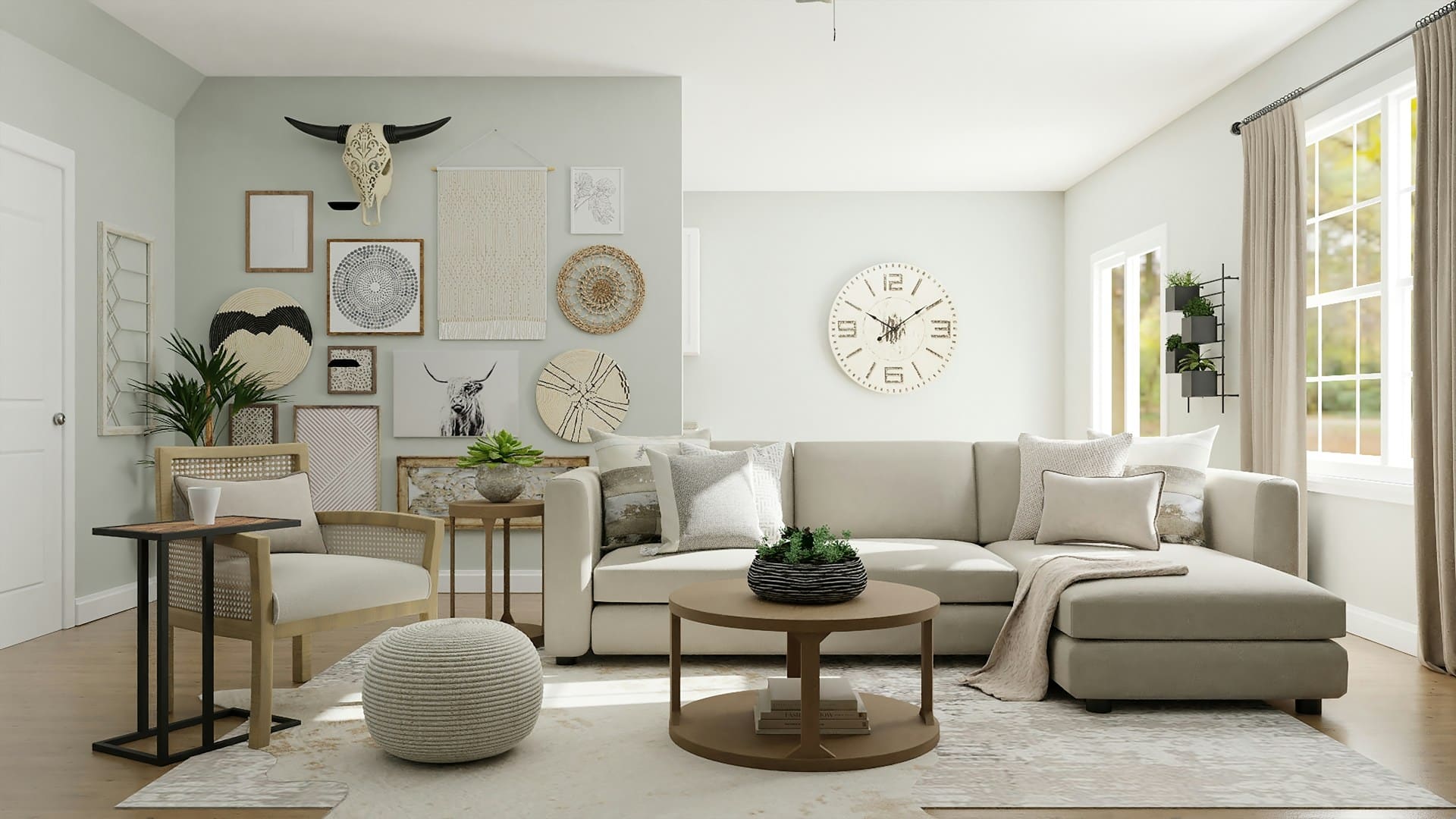
If the shape of the sofa is the architectural bones of the living room, the fabric is the skin. The trend in upholstery has forcefully pivoted away from flat, cold materials. Flat-weave cottons, stiff linens, and shiny, cold-to-the-touch synthetic leathers are out.
The defining mandate for 2026 fabrics is heavy, aggressive texture.
We want materials that catch the ambient light in the room, creating tiny, complex shadows that give the furniture a three-dimensional depth. This tactile revolution is dominated by a few specific material profiles:
- The Evolution of Bouclé: Bouclé had a massive moment a few years ago, but it was usually restricted to tiny, delicate accent chairs in stark white. Today, bouclé has grown up. We are seeing heavy, large-loop bouclé weaves applied to massive sectional sofas in dark, earthy tones like olive, terracotta, and deep espresso. It provides the visual coziness of a heavy winter sweater but is engineered to withstand daily wear and tear.
- Heavyweight Chenille: Chenille is making a luxurious comeback. Unlike the cheap, shiny versions of the 1990s, modern chenille is matte, incredibly dense, and feels like crushed velvet but without the dramatic, high-maintenance directional nap. It practically absorbs light, making large pieces of furniture look incredibly rich and inviting.
- Performance “Tech” Fabrics: People want the look of high-end, porous natural fibers but absolutely refuse to live with the anxiety of staining them. Advanced tech fabrics mimic the exact visual texture of raw linen or nubuck leather but are woven with microscopic, liquid-repelling synthetic fibers. You get the rugged, earthy aesthetic of a natural material with the industrial-grade stain resistance required for a house with dogs, kids, and red wine.
Low-Slung and Grounded Profiles
Height is a highly overlooked aspect of furniture design, but it radically alters the psychological feel of a room. For a long time, the trend was to buy sofas with long, spindly wooden legs to create an airy, floating effect.
The 2026 silhouette is the exact opposite. Sofas are dropping closer to the floor.
The “Lounge” Pitch Modern seating is abandoning the formal, upright seating posture. Backrests are becoming noticeably lower, and the seat cushions are dropping. This low-slung, grounded profile immediately signals to the brain that the room is a casual, relaxed space. It visually drops the center of gravity in the room.
The Architectural Illusion There is a brilliant architectural trick behind this low-profile trend. When your furniture sits closer to the ground, and the backrests do not break your line of sight, the empty wall space above the sofa expands. This optical illusion tricks the eye into believing your ceilings are significantly higher than they actually are. You create a sense of sprawling, airy volume in the room simply by lowering the height of your main seating block.
The Era of Deconstructed Modularity
The final trend defining 2026 is a total rejection of static, unchangeable furniture. The traditional matching three-piece living room set—a sofa, a loveseat, and a chair—feels incredibly dated and restrictive.
Modern life is kinetic. One evening you might be hosting a formal book club, and the very next night you might want to push all your furniture together to create a giant, flat lounging pit for a movie marathon.
To accommodate this, the industry has embraced deep modularity. Consumers are gravitating toward “block” seating—individual, fully finished seating squares, ottomans, and corner units that can be endlessly reconfigured. These pieces are designed to look beautiful from every full 360-degree angle, allowing them to be floated in the middle of a room, split apart into individual chairs, or locked together into a massive U-shape.
By investing in organic, curved shapes, aggressively textured fabrics, and deep modularity, you stop treating your living room like a museum exhibit. You transform it into a tactile, adaptable landscape that actually responds to the way you live.