10 Essential Features to Look for in a Home Sewing Machine (A Practical Buyer’s Guide)
Choosing a sewing machine for home use can feel a bit overwhelming at first. There are dozens of models, technical terms, and features that all sound important, but not all of them actually matter for what you want to sew. If you’re currently exploring domestic sewing machines, this guide breaks things down in a simple, practical way so you can focus on what truly makes a difference: domestic sewing machines
Whether you’re a beginner learning to stitch your first straight line or someone upgrading for more advanced projects, the right features can completely change your sewing experience, from frustrating to genuinely enjoyable.
1. Stitch Options That Match Real-Life Projects
A good home sewing machine doesn’t need hundreds of stitches, but it should cover the basics well. Straight stitch, zigzag, stretch stitches, and at least one buttonhole style are essential. Decorative stitches are a bonus if you enjoy creative work like home décor or customizing clothes.
Think of stitch variety as flexibility, you don’t need everything, just enough to avoid limitations.
2. Simple Controls for Stitch Length and Width
Being able to adjust stitch settings gives you control over how your sewing looks and performs. For example, tighter stitches work better for delicate fabrics, while longer stitches are ideal for basting or heavier materials. Machines that make this adjustment easy are far more beginner-friendly.
3. Automatic Buttonhole Feature
If you’ve ever tried sewing a buttonhole by hand, you already know how tricky it can be. An automatic buttonhole function takes out the guesswork and keeps everything consistent. This is one of those features that quickly becomes something you can’t live without.
4. Built-in Needle Threader (A Small Feature That Saves Big Time)
It might sound minor, but a built-in needle threader saves a lot of frustration, especially if your eyesight isn’t perfect or you sew for long periods. It speeds up setup and makes the whole process smoother from the start.
5. Adjustable Presser Foot Pressure for Different Fabrics
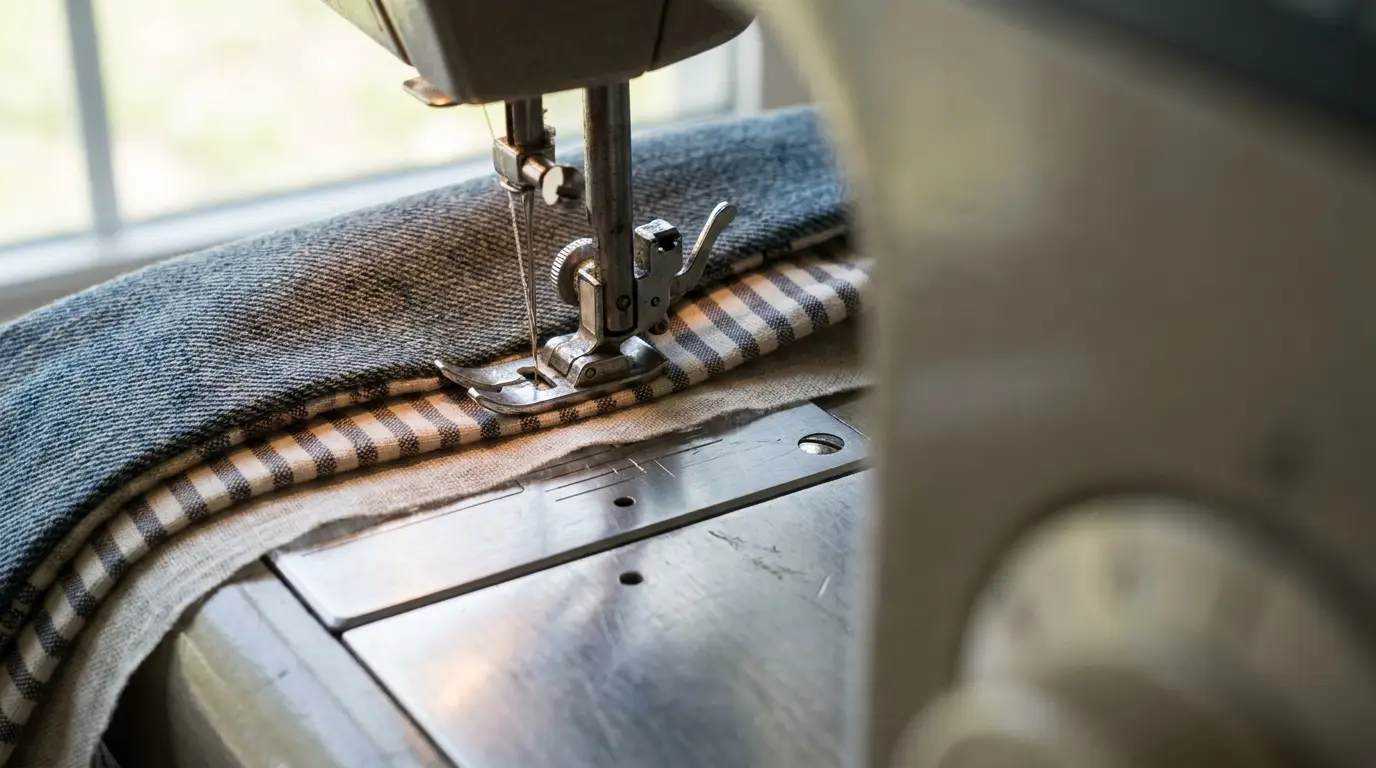
Not all fabrics behave the same way. Lightweight materials like chiffon need gentle handling, while denim or canvas needs more pressure to feed properly. Machines that let you adjust this setting give you much better control and cleaner results.
6. Free Arm for Clothing Projects
A free arm is incredibly useful for sewing sleeves, cuffs, trouser hems, and other circular items. Without it, these tasks can feel awkward and restrictive. With it, garment sewing becomes far more manageable.
7. Speed Control for Better Precision
A speed control slider or setting helps you decide how fast the machine sews. Beginners usually benefit from slower speeds, while experienced users may prefer faster stitching for long seams. It’s all about control and confidence.
8. A Strong, Reliable Motor
If you plan to sew thicker fabrics or multiple layers, motor strength really matters. A reliable machine should handle denim, upholstery fabric, and layered seams without struggling or skipping stitches.
Well-known manufacturers such as Singer, Brother, and Janome have built strong reputations for balancing power with user-friendly design in their home sewing machines.
9. Easy-to-Load Bobbin System
A top-loading bobbin system is generally easier to manage and less likely to tangle. It also lets you see how much thread is left, which helps prevent interruptions mid-project, something every sewer appreciates.
10. Useful Accessories Included in the Box
A good sewing machine often comes with extra presser feet, needles, and small tools like seam rippers or quilting guides. These accessories can save you money and expand what your machine can do right away.
Final Thoughts
The best sewing machine isn’t necessarily the most expensive or the one with the most features, it’s the one that feels comfortable and supports the type of sewing you actually plan to do.
If you’re just starting out, focus on ease of use and reliability. If you already have experience, look for flexibility, stronger motor performance, and more control options. Either way, choosing wisely will make your sewing projects smoother, faster, and much more enjoyable in the long run.