Ever come across a plant you liked but had no idea what it was? Plant identification helps you name and understand it, and this article explains how it works and how modern tools make the process accessible to anyone.
The Meaning of Plant Identification
It is the process of determining the name and species based on its visible characteristics, such as leaves, flowers, or growth pattern. It may seem simple, but many types share similar features, making accurate identification challenging without experience or reliable references.
Knowing exactly what it is becomes important when you need proper care instructions, want to avoid toxic species, or are studying plants in nature.
5 Features Are Used to Identify a Plant
When trying to recognize a plant, observe several visible characteristics rather than relying on just one detail. Botanists and enthusiasts typically look at a combination of features to narrow down the possibilities.
Plant identification key characteristics to examine include:
- Leaves: shape, size, edges (smooth or serrated), and arrangement on the stem
- Stem: woody or soft, thick or thin, smooth or hairy
- Flowers: color, shape, number of petals, and blooming pattern
- Growth habit: whether it grows as a tree, shrub, vine, or ground cover
- Veins and texture: patterns in the leaves and surface feel
No single feature is enough for accurate recognition, as many species share similar traits. To identify correctly, consider several characteristics together and look at the overall combination.
How Plant Identification Works Today
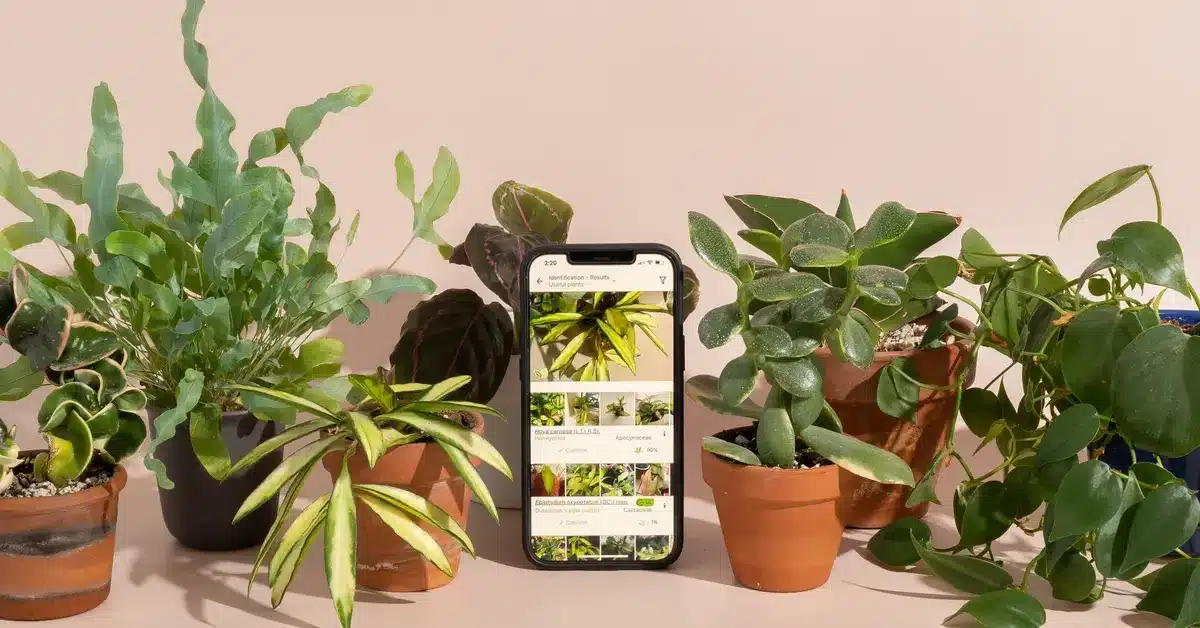
With modern technology, plant identification by photo is no longer limited to botanists or field guides. Tools like Botan botanapp.com use image recognition to analyze main features and match them with large databases, making the process fast and accessible for everyday users.
You no longer need specialized botanical knowledge to get reliable results. In just a few seconds, a simple photo can provide likely matches and basic information.
How to Use Plant Identification Apps
What is plant identification in general, and how does it work? Most such apps are designed to make the process quick and simple, even for beginners. In most cases, it only takes a clear photo and a few seconds to get a likely match.
- Take a clear photo in good natural light.
- Make sure the most visible part, such as the leaf, flower, or stem, is in focus.
- Upload the image to the special tool or app.
- Wait while the system compares the photo with its database.
- Review the suggested result and compare the details with the actual plant.
- If needed, upload another photo from a different angle for a more accurate identification.
For best results, try to capture multiple parts, not just one detail. Clear images and different angles improve the accuracy of results.
3 Common Methods for Identifying Plants
They can be identified in several ways, depending on how quickly you need results and how precise they must be. Some methods are faster and more convenient, but others provide deeper accuracy with more effort.
|
Method |
Best For |
| Plant identification app | Fast and convenient identification on the go |
| Identification key | Accurate results based on detailed features |
| Online communities | Getting help with rare or difficult plants |
Why Plant Identification Matters for Care
Correct identification is the foundation of proper care. Each species has specific needs, such as light, watering, soil, and temperature. Knowing what plant you’re dealing with allows you to create a special plan that actually fits. Without identification, general advice can be too broad or even harmful, leading to overwatering, poor growth, or stress. Accurate recognition helps you make informed decisions and maintain healthier, longer-living plants.
The Bottom Line
Now, botanical questions are no longer limited to experts. With the rise of specialized tools and apps, anyone can quickly recognize a species using simple features or a photo. While traditional methods still matter, modern solutions make the process faster, more accessible, and practical for everyday care.