Sport-inspired fashion has moved far beyond gym wear. Athletic influences now shape mainstream fashion across streetwear, luxury collections, and everyday casual outfits. Performance fabrics, oversized silhouettes, and utility-focused pieces are becoming standard in modern wardrobes.
The appeal comes from a combination of comfort, functionality, and visual identity. Consumers want clothing that works in multiple environments without sacrificing style.
As sports culture continues influencing fashion, the line between athletic wear and everyday clothing keeps shrinking.
Performance Fabrics Are Becoming Mainstream
One of the biggest shifts in fashion is the use of technical materials outside athletic settings.
Moisture-wicking fabrics, stretch materials, and lightweight construction were originally designed for sports performance. They are now widely used in everyday apparel because they improve comfort and mobility.
Consumers expect clothing to handle movement, temperature changes, and long wear periods more effectively than traditional fabrics.
Features Driving Sport-Inspired Fashion
- Breathable and moisture-resistant fabrics
- Lightweight materials for all-day comfort
- Stretch construction that improves mobility
Performance-focused design is now part of casual fashion expectations.
Oversized and Relaxed Silhouettes Continue to Grow
Sportswear has influenced how modern clothing fits. Loose cuts, relaxed tailoring, and oversized layering are now common across both menswear and womenswear.
These silhouettes originated from training apparel and team warm-up gear where movement and flexibility were priorities.
Relaxed fits also support layering, which has become a major trend in streetwear styling.
The emphasis has shifted from rigid tailoring to comfort-oriented structure.
Utility Fashion Is Expanding Beyond Outdoor Wear
Functional design elements are becoming more visible in everyday fashion. Cargo pockets, reinforced materials, and durable footwear are no longer limited to workwear or outdoor clothing.
Consumers are prioritizing versatility and durability alongside aesthetics.
This has contributed to the popularity of items such as tactical boots, which blend performance-oriented construction with streetwear styling.
Utility-driven fashion reflects a broader preference for practical clothing that still feels modern.
Team Apparel Is Influencing Streetwear
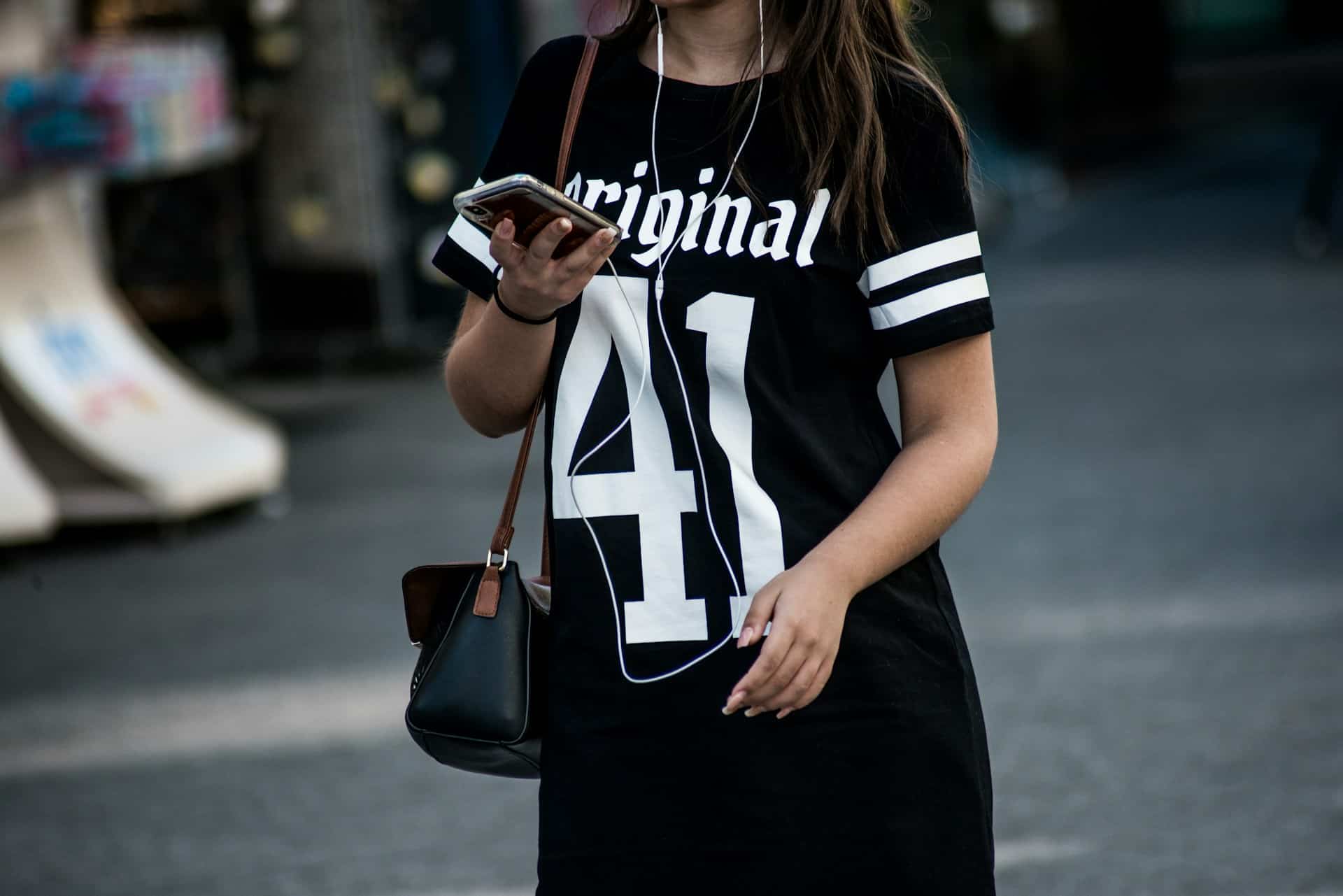
Sports uniforms have become major style references. Jerseys, warm-up sets, and athletic graphics now appear regularly in casual fashion collections.
This trend is especially visible among younger consumers who combine sports-inspired pieces with denim, oversized outerwear, and sneakers.
The appeal comes from both nostalgia and identity.
Why Team Apparel Trends Are Growing
- Strong visual branding and bold graphics
- Relaxed silhouettes that fit current fashion trends
- Connection to sports culture and community identity
Athletic aesthetics now influence both luxury and casual fashion markets.
Emerging Sports Are Influencing Fashion
Fashion trends are no longer driven only by major sports like football or basketball. Emerging sports are starting to shape apparel design as well.
Padel, for example, has introduced a more streamlined and modern athletic aesthetic. Clean cuts, lightweight materials, and minimal branding are becoming more common in fashion inspired by racket sports.
Apparel such as a custom padel jersey reflects this shift toward performance-driven but fashion-conscious sportswear.
As newer sports gain visibility, their visual identity increasingly influences mainstream apparel trends.
Sneakers Continue to Shape Outfit Styling
Sneakers remain central to sport-inspired fashion. Athletic footwear now functions as both performance equipment and statement fashion pieces.
Consumers build entire outfits around sneaker silhouettes, colorways, and collaborations.
This has also influenced how brands design apparel. Clothing is often created to complement footwear rather than function independently.
Sneaker culture continues driving crossover between sportswear and fashion.
Gender-Neutral Athletic Styling Is Expanding
Many sport-inspired fashion trends are less gender-specific than traditional fashion categories.
Oversized hoodies, track jackets, jerseys, and utility pieces are commonly styled across different demographics.
This flexibility has increased the appeal of athletic fashion because the focus shifts toward functionality and silhouette rather than strict gender rules.
Brands are responding with more adaptable sizing and styling options.
Social Media Accelerates Athletic Fashion Trends
Social media platforms have significantly increased the visibility of sport-inspired fashion.
Athletes, influencers, and creators regularly combine sportswear with luxury or casual pieces, accelerating trend adoption.
Platforms Driving Fashion Visibility
- Short-form video content showcasing outfit styling
- Athlete collaborations with fashion brands
- Streetwear and sneaker-focused online communities
Digital exposure allows trends to spread much faster than traditional retail cycles.
Consumers Want Multi-Use Clothing
Modern consumers increasingly prefer clothing that works across multiple situations.
People want outfits that transition from casual work settings to travel, errands, or social events without needing major changes.
Athletic-inspired fashion supports this demand because it prioritizes comfort and adaptability.
This practicality is one reason sport-inspired trends continue growing instead of fading quickly.
Final Take
Sport-inspired fashion continues expanding because it combines comfort, functionality, and strong visual identity. Performance fabrics, utility details, and team-inspired aesthetics now influence mainstream style across multiple categories.
Consumers are moving toward clothing that feels practical without sacrificing appearance.
As sports culture and fashion continue overlapping, athletic influences will likely remain one of the strongest drivers of modern style trends.