Medical alert systems have carried a stigma for decades. The image of a chunky plastic pendant and the phrase “I’ve fallen and I can’t get up” made many seniors resist wearing one, even when they genuinely needed the protection.
That era is over. Companies like Life Assure now offer sleek wearable devices that look more like everyday jewelry than emergency equipment. For anyone who cares about personal style and independence, today’s medical alert wearables prove you do not have to sacrifice one for the other.
What Has Changed About Medical Alert Design?
Modern medical alert devices look nothing like the bulky units of the past. Today’s options include slim pendants, minimalist wristbands, and clip-on GPS trackers that blend with any outfit.
Designers finally recognized that seniors are not willing to wear something ugly just because it is functional. The result is a new generation of devices that use lightweight materials, neutral color palettes, and compact forms that sit comfortably under a blouse or alongside a watch. Some models even come in metallic finishes that resemble fashion accessories.
The technology inside has improved just as dramatically. According to the National Institute on Aging, one in four Americans aged 65 and older falls each year. Modern alert devices now include automatic fall detection, GPS location tracking, and two-way voice communication, all packed into something small enough to wear as a necklace.
How Do You Choose a Device That Matches Your Lifestyle?
Picking the right medical alert wearable depends on how you spend your days. Here are the main factors to consider.
- Decide whether you need home-only monitoring or GPS-enabled coverage for when you leave the house. Active seniors who walk, garden, or travel benefit from mobile units.
- Consider the form factor. Pendants work well for people who prefer necklaces. Wristbands suit those who already wear a watch or bracelet daily.
- Check the battery life. Some devices last a full week on a single charge, while others need daily charging. Longer battery life means less hassle.
- Look for automatic fall detection. This feature triggers an alert even if you cannot press the button yourself after a fall.
- Ask about 24/7 monitoring services. The device is only useful if it connects to a response center that dispatches help when you need it.
- Test the comfort and weight. A device you find annoying to wear is one you will leave in a drawer.
The best medical alert device is the one you actually wear every day without thinking about it.
Why Do Seniors Resist Wearing Medical Alert Devices?
Vanity gets blamed, but the real issue is dignity. Wearing an obvious medical device signals vulnerability, and most people prefer to feel capable and independent regardless of age.
According to AARP research, more than 75 percent of adults over 50 want to remain in their own homes as they age. Aging in place requires safety measures, but those measures work best when they fit naturally into a person’s daily routine rather than standing out as a constant reminder of risk.
This is why design matters so much. A pendant that looks like a piece of jewelry gets worn. A clunky plastic box on a lanyard gets left on the nightstand. Manufacturers who understand this psychology are winning the market by building devices that seniors feel proud to wear, not embarrassed by.
What Features Should You Compare When Shopping?
Not all medical alert wearables offer the same capabilities. Here is what to look at side by side.
- Fall detection accuracy: Some devices use advanced accelerometers that distinguish between a real fall and simply sitting down quickly. Ask about false alarm rates.
- Range and connectivity: Home-based units work within a set range of the base station. Mobile units use cellular networks and work anywhere with coverage.
- Water resistance: If you want to wear the device in the shower, where many falls happen, check the waterproof rating.
- Monthly monitoring cost: Subscription plans typically range from $20 to $50 per month. Compare what each tier includes before committing.
- Caregiver app access: Many systems now let family members check the wearer’s location and receive alerts through a smartphone app.
Comparing these features across two or three providers gives you a clear picture of which device delivers the best combination of safety, comfort, and value.
How Can You Style a Medical Alert Wearable?
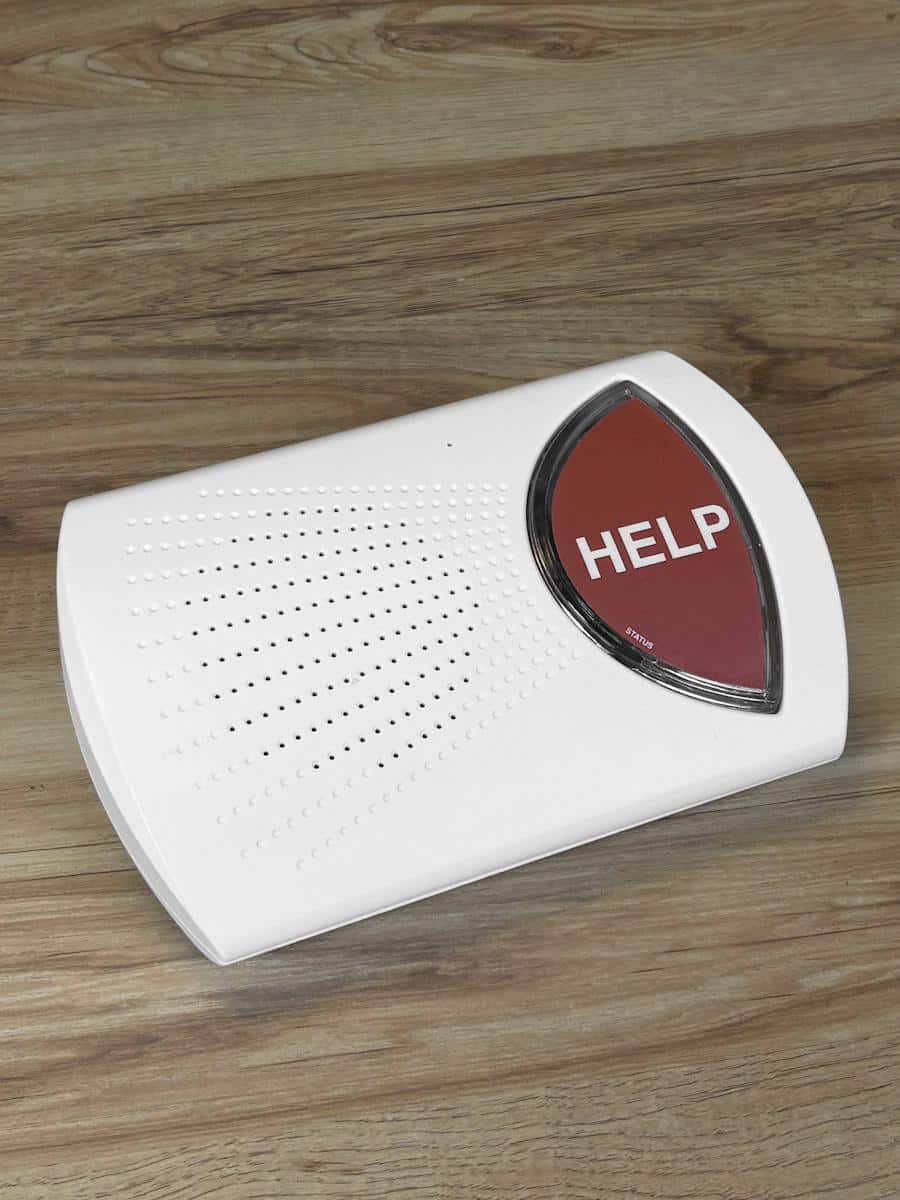
Image courtesy of Life Assure
The trick is treating the device the same way you would any other accessory. Pendant-style alerts pair naturally with longer necklaces or scarves. Wristband models layer well next to a favorite bracelet or watch.
Choose a device color that complements your wardrobe staples. White and silver models work with cool-toned outfits. Gold or rose gold options pair better with warm palettes. Some brands even offer interchangeable covers or bands so you can switch the look seasonally.
The goal is not to hide the device. It is to make it part of your overall look so it feels intentional rather than medical. When friends ask about your “new pendant,” that is when you know the design is doing its job.
What Matters Most
- Modern medical alert devices are designed to look like everyday jewelry and accessories.
- Choose a form factor (pendant, wristband, or clip) that matches how you dress and live.
- Automatic fall detection and GPS tracking are the two most valuable safety features.
- More than 75 percent of seniors want to age in place, making wearable safety devices essential.
- Compare monthly monitoring costs, water resistance, and caregiver app access before buying.
- Style the device like any accessory by matching it to your wardrobe palette.
Safety That Fits Your Style
Medical alert technology has finally caught up with what seniors have always wanted: protection that does not come at the cost of personal expression. The best device is the one you forget you are wearing until the moment you actually need it. Choose one that fits your life, your look, and your peace of mind.
FAQ
Do Medical Alert Devices Work Outside the Home?
Yes, mobile models with GPS and cellular connectivity work anywhere with network coverage. Home-only units are limited to the range of their base station, typically 400 to 1,000 feet.
How Much Does a Medical Alert System Cost per Month?
Monthly monitoring plans typically range from $20 to $50 depending on the features included. Some providers offer annual payment discounts that reduce the monthly cost.
Can You Wear a Medical Alert Device in The Shower?
Many modern devices carry a water-resistant rating that allows shower use. Check the specific IP rating of your device, as not all models offer this feature.
Are Medical Alert Wearables Covered by Insurance?
Medicare does not typically cover medical alert systems, though some Medicare Advantage plans may offer partial coverage. Check with your specific insurance provider to confirm your options.