Ever looked at a flowing gown or lace-up bodice and thought, “Could I actually wear that?” That’s usually how the interest in Renaissance clothing for women starts. I get it.
You see the look online, at a fair, or in photos, and suddenly you’re wondering if it fits your style, body, or event. You might be asking yourself: Is it costume-only, or can it feel real and wearable?
Will it suit what you’re planning, or feel over the top? Where do you even begin without getting it wrong? That’s exactly why I put this together, for you. To help you make sense of the style and feel confident about your next step.
Understanding Renaissance Era Fashion
Renaissance fashion spanned roughly the 14th through 17th centuries. This era reflected artistic rebirth and rich self-expression.
The iconic silhouette featured structured, fitted bodices that shaped the torso, paired with dramatically voluminous skirts that created an hourglass shape.
Luxurious fabrics defined the period. Silk, velvet, and richly patterned brocade served as hallmarks of refinement. These sumptuous textiles were improved through intricate embellishments: embroidery, ornate lace trim, and beadwork.
Understanding these signature elements helps modern people select period-appropriate pieces for Renaissance fairs. The period’s emphasis on craftsmanship and detail continues to inspire contemporary Renaissance festival attire.
Types of Renaissance Clothing for Women Available Today
Renaissance clothing spans from festival costumes to historically accurate reproductions. Options exist for every occasion and preference.
| Category | Description | Key Features |
|---|---|---|
| Renaissance Fair Costumes | Festival-ready noblewomen’s gowns, peasant styles, and flowing variants | Mix-and-match pieces, theatrical flair, and budget-friendly |
| Reenactment & Historical Accuracy | Period-correct reproductions with proper construction and layering | Natural fibers, hand-sewn details, accurate patterns |
| Modern Interpretations | Renaissance-inspired designs for weddings, photoshoots, and fantasy events | Fantasy fusion, cottagecore styles, contemporary comfort |
Today’s market provides diverse Renaissance clothing options for every purpose: Renaissance fairs, historical reenactments, or themed events.
Top Online Shops with Women’s Renaissance Clothing
If you’re anything like me, finding the perfect Renaissance clothing can be both exciting and overwhelming. I’ve found some great online stores that offer everything from historically accurate gowns to fantasy-inspired pieces.
Here are my top picks for women’s Renaissance clothing:
1. Ye Old Renaissance Shop

When I first stumbled upon Ye Old Renaissance Shop, I was amazed by their extensive collection of period-correct Renaissance gowns, peasant blouses, corset bodices, and layered skirts.
Their attention to detail makes it a perfect choice for anyone who wants authentic period wear for reenactments or festivals. The prices are reasonable, and the pieces are both comfortable and stylish.
- Rating: ★★★★★ (4.8/5)
- Price Range: $60–$300
2. Renaissance Wardrobe
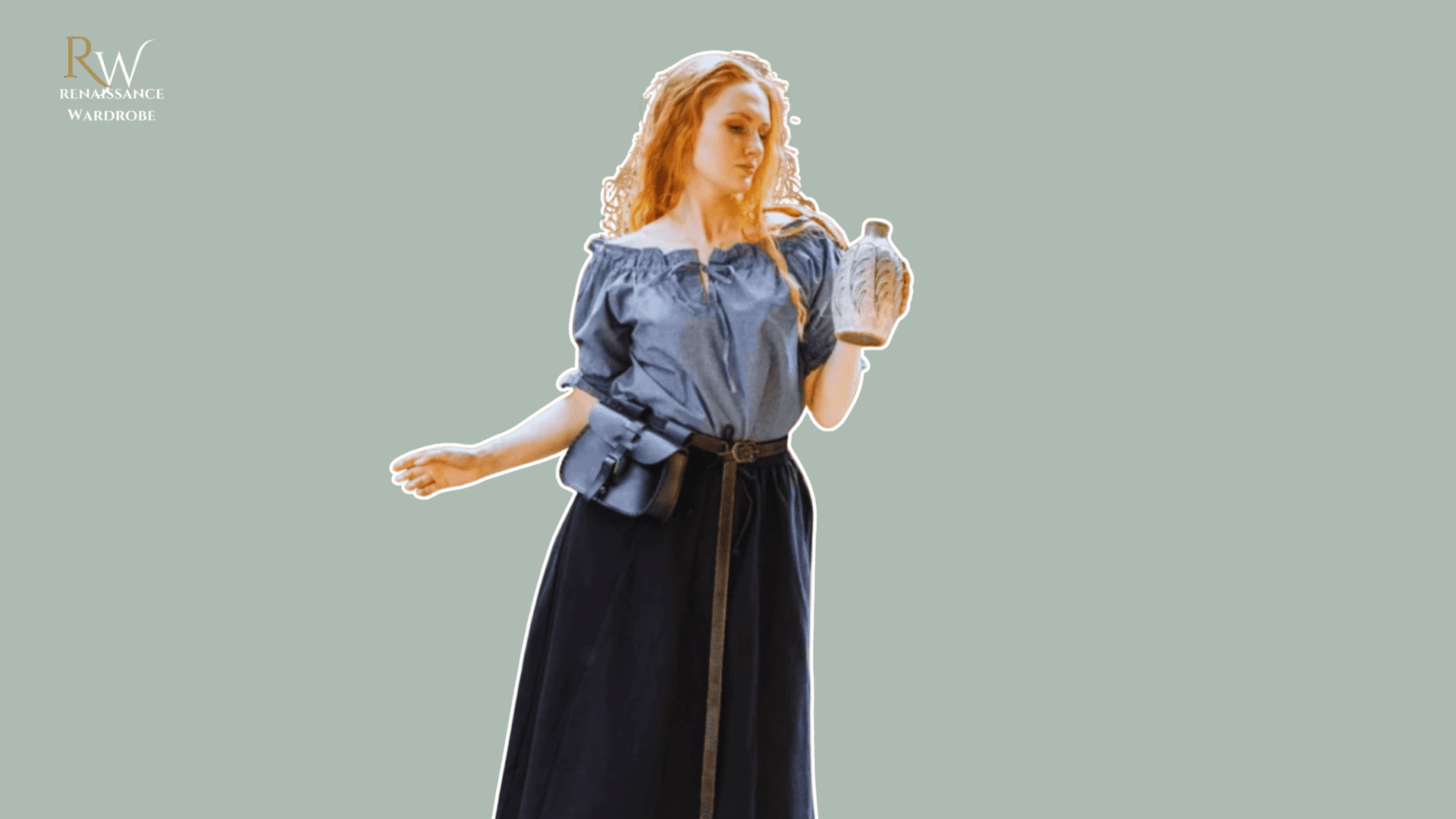
I love Renaissance Wardrobe for its beautiful collection of flowing cloaks, Renaissance dresses, and period accessories.
Their customer-friendly return policies and detailed sizing guides made my shopping experience easy, especially when I was looking for international options.
- Rating: ★★★★★ (4.7/5)
- Price Range: $80–$350
3. Museum Replicas
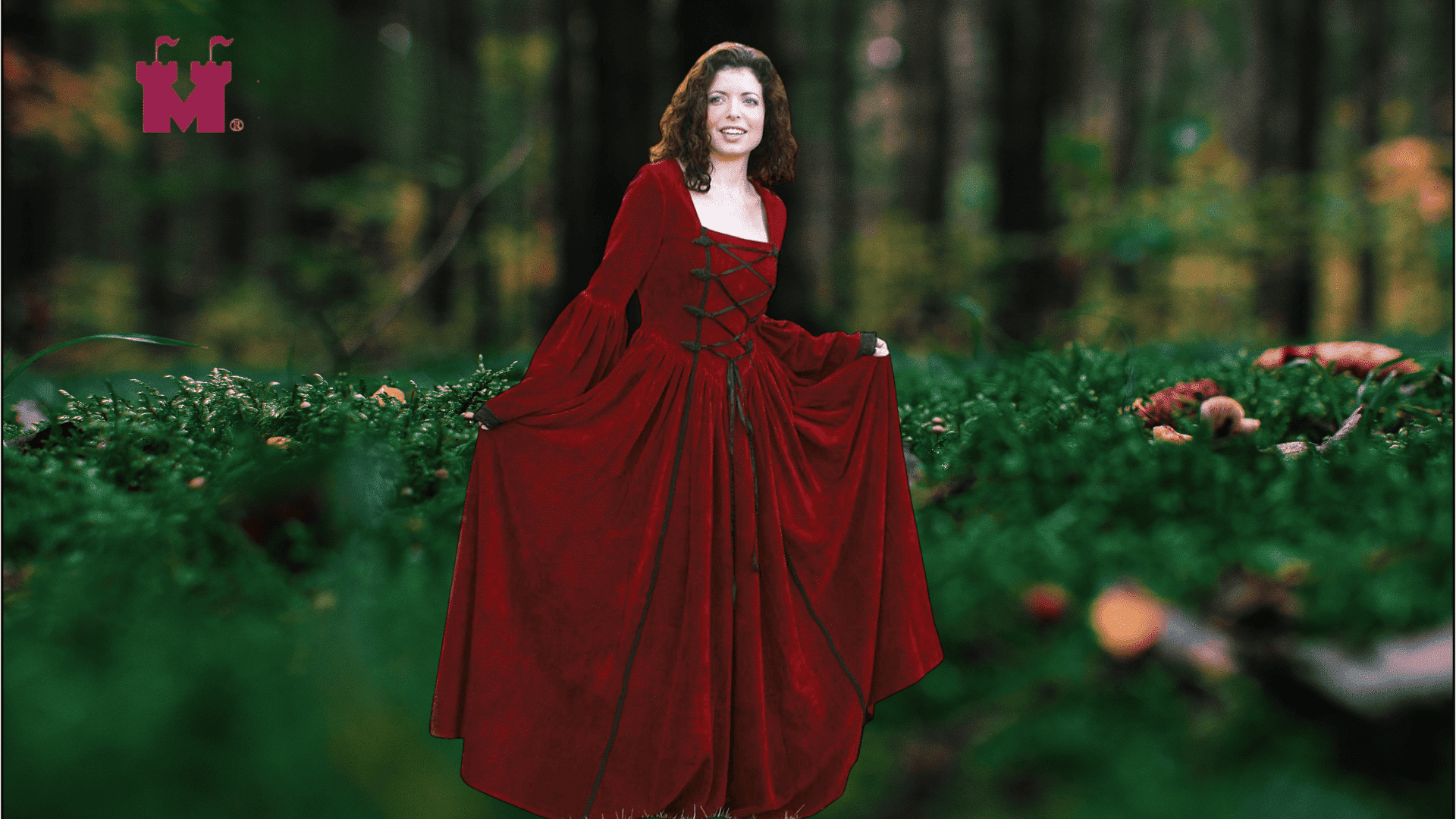
Museum Replicas made a huge difference when I wanted something more historically precise. Their collection of Renaissance gowns and accessories is top-notch, and they even offer plus-size options!
The materials and craftsmanship are exceptional, and you can tell that serious enthusiasts designed these pieces. While on the pricier side, it’s a great investment for anyone passionate about Renaissance clothing..
- Rating: ★★★★★ (4.6/5)
- Price Range: $150–$500
4.Kult of Athena
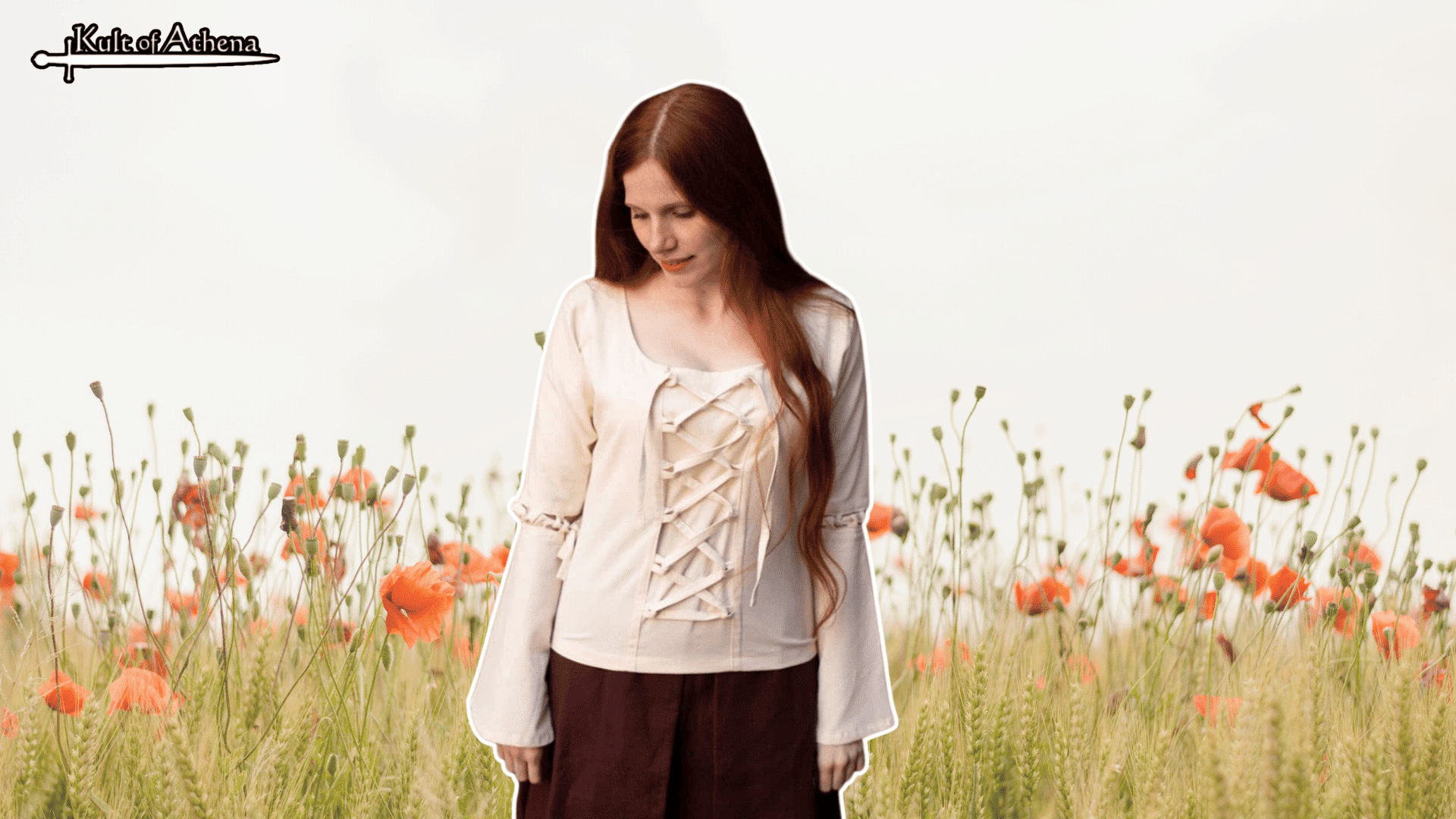
If you’re like me and want to mix and match pieces to create your own unique Renaissance look, Kult of Athena is the perfect store.
They offer a wide selection of medieval and Renaissance dresses, chemises, bodices, skirts, and accessories. I love their affordable pricing, making it easy to gradually build a wardrobe for beginners.
- Rating: ★★★★☆ (4.5/5)
- Price Range: $50–$280
5.Pearson’s Renaissance Shoppe
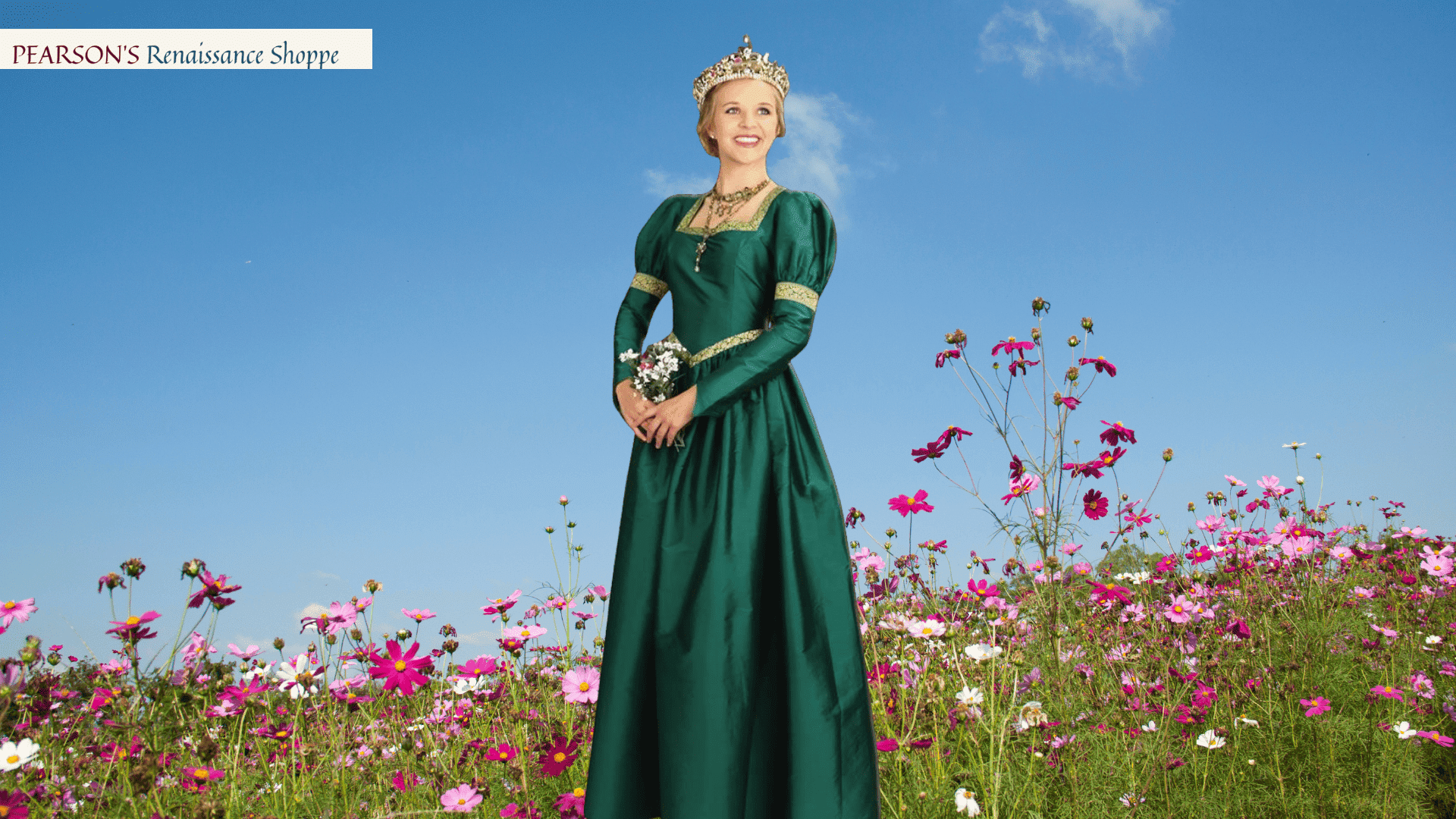
Pearson’s Renaissance Shoppe is where I found some of my favorite pieces for Renaissance faires. Their collection of dresses, dramatic capes, and period-appropriate footwear is impeccable.
They strike the right balance between historical accuracy and practicality, especially for outdoor events. I’ve relied on them for years, and their consistent quality keeps me coming back.
- Rating: ★★★★★ (4.7/5)
- Price Range: $90–$400
6. Scarlet Darkness
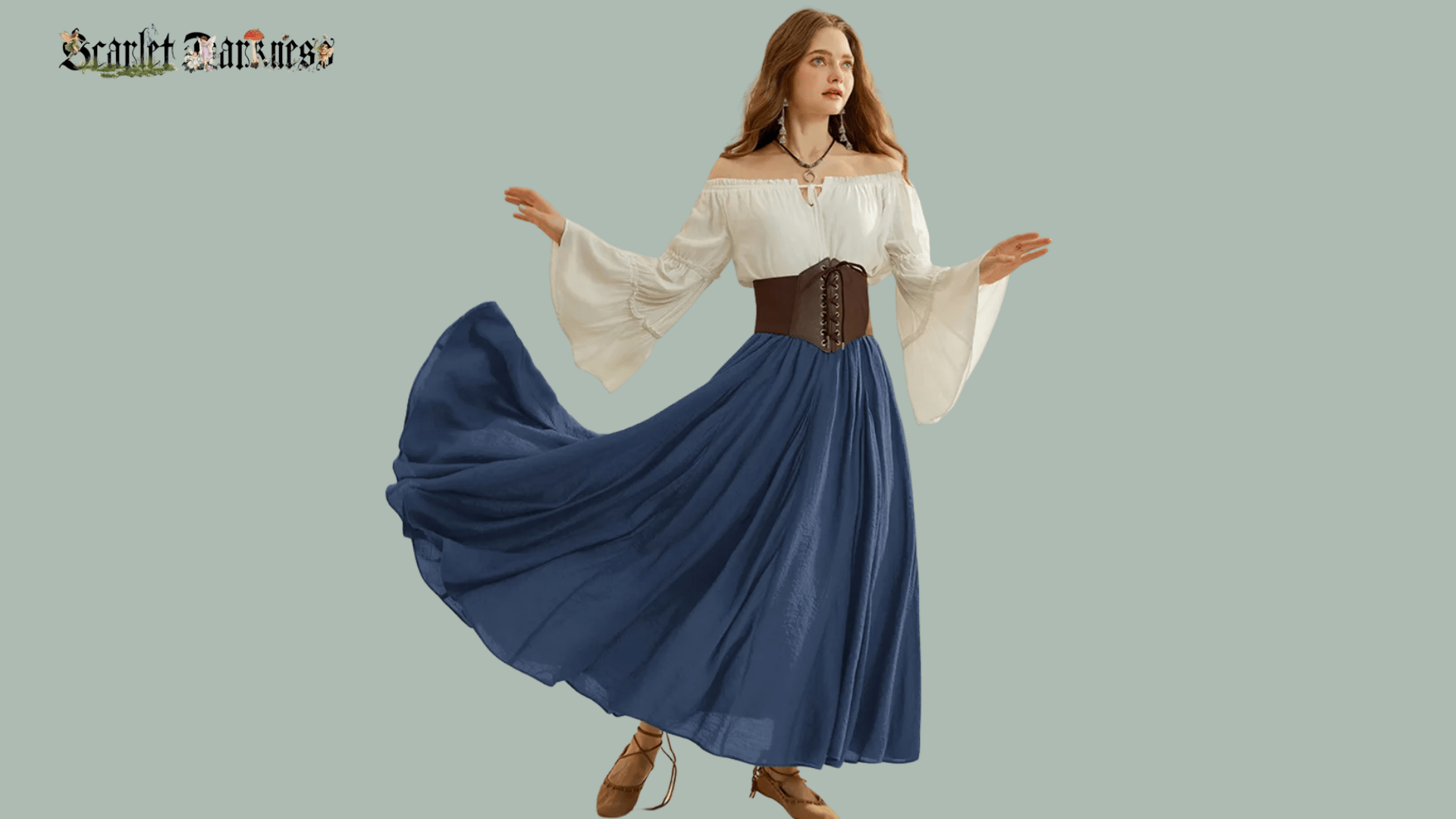
Scarlet Darkness is my go-to when I’m on a budget but still want a Renaissance-inspired look. Their pieces offer whimsy with historical aesthetics, and I love how comfortable and affordable their clothing is.
For themed parties or just looking for a casual, fun outfit, Scarlet Darkness offers the perfect combination of modern comfort and Renaissance appeal.
- Rating: ★★★★☆ (4.3/5)
- Price Range: $30–$120
These stores have helped me find the perfect balance of comfort, style, and authenticity. For something traditional or a more whimsical take, there’s a shop out there for you!
These are estimated costs that vary based on fabric, construction, and authenticity level, offering options for every budget.
Essential Renaissance Accessories for Women
Complete your Renaissance ensemble with period-appropriate accessories. They add historical detail and improve any outfit.
| Category | Accessories | Purpose |
|---|---|---|
| Clothing Accessories | Belts, girdles, detachable sleeves | Define waist, add customization |
| Headwear | Veils, coifs, flower crowns, hennins | Frame face, convey status |
| Outer Layers | Cloaks, capes, shawls | Provide warmth and drama |
| Jewelry | Pearls, rings, necklaces, earrings | Add refinement and historical accuracy |
| Footwear | Leather boots, flat slippers | Period-inspired comfort |
Thoughtful accessorizing turns simple outfits into complete Renaissance ensembles. Start with a signature piece like a belt or cloak. Then add jewelry and headwear.
How to Style Renaissance Clothing for Modern Wear
I’ve learned that incorporating Renaissance fashion into modern wear is easier than you might think. For cosplay, themed parties, or historical events, you can mix period pieces with contemporary items for a fresh look.
Try pairing a Renaissance-inspired gown with modern ankle boots or sleek flats instead of period shoes for comfort and style.
Add a leather jacket over a chemise and corset for an edgy twist, or wear a flowing Renaissance skirt with a simple fitted tee. Accessorize with modern jewelry alongside period pieces to create balance.
The key is combining historical elements with contemporary comfort, allowing you to enjoy Renaissance aesthetics without feeling overly costumed.
This approach works perfectly for festivals, photoshoots, or everyday wear with a historical flair.
Renaissance Outfit Ideas by Character and Role
Your outfit choice sets the tone for your entire Renaissance look. Whether you are dressing for a festival, a costume event, or just for fun, your character role is the best place to start. Here is a quick guide to help you put the right look together:
| Character/Role | Key Pieces | Style Notes |
|---|---|---|
| Peasant Woman | Simple chemise, earth-toned skirt, apron, and leather pouch | Keep it simple, natural, and grounded in earthy tones |
| Noblewoman or Queen | Structured bodice, rich fabric gown, statement jewelry | Focus on elegance, rich fabrics, and bold accessories |
| Tavern Maiden | Off-shoulder chemise, fitted bodice, layered skirt | Relaxed yet feminine with a playful, layered silhouette |
| Sorceress or Witch | Dark hooded cloak, fitted black gown, mystical accessories | Go for dramatic, dark tones with an air of mystery |
| Lady in Waiting | Modest bodice, flowing skirt, delicate hair accessories | Graceful but understated, with soft colors and clean lines |
| Warrior or Huntress | Leather armor, fitted tunic, sturdy boots, and belt | Functional and bold with a strong, combat-ready silhouette |
I always say pick the role that feels most like you and build your outfit around it. Once you find your character, pulling the whole look together becomes so much easier and more fun.
How to Choose the Right Renaissance Outfit
Selecting the perfect Renaissance ensemble requires careful consideration of several key factors. You want to ensure historical accuracy, comfort, and appropriateness for your occasion.
- Consider Your Event Type: Match your outfit to the occasion. Fairs need durability, weddings need refinement, and cosplay allows fantasy interpretations.
- Determine Your Desired originality Level: Decide between historically accurate reproductions with period fabrics or modern interpretations offering contemporary comfort and flexibility.
- Measure Properly for Layered Garments: Measure bust, waist, and hips carefully. Choose adjustable lace-up bodices and drawstring skirts for a better fit.
- Select Appropriate Fabrics and Colors: Choose linen for warm weather, velvet for formal events. Rich jewel tones convey nobility, earth tones suggest peasant style.
- Complete Your Look with Period Accessories: Add leather belts, cloaks, flower crowns, and antique jewelry to turn basic pieces into complete Renaissance ensembles.
Following these steps helps you create an authentic, comfortable Renaissance outfit perfect for any occasion.
Care & Maintenance of Renaissance Clothing
Proper care ensures your Renaissance garments remain beautiful for years.
- Follow Fabric-Specific Cleaning: Hand wash silk and velvet. Machine wash cotton on gentle. Check care labels first.
- Air Dry Away from Sunlight: Hang or lay flat to dry. Never machine-dry delicate fabrics or embellishments.
- Protect Embroidery and Trims: Turn inside out, use mesh bags, and spot clean embellished areas.
- Store in Breathable Garment Bags: Hang on padded hangers away from moisture and sunlight. Keep accessories separated.
- Repair and Steam Promptly: Iron on low heat and fix loose threads immediately for longevity.
Taking good care of your Renaissance clothing preserves its beauty and extends its lifespan.
Final Thoughts
Choosing Renaissance clothing women’s styles is really about finding what feels right for you and the moment you’re dressing for.
Simple or detailed, you now know how to approach it with confidence. I wanted this guide to help you feel clearer, not overwhelmed, when picking pieces that match your taste and plans.
If you enjoyed this and want to go deeper, I’ve written other blogs that break down related styles, outfit ideas, and practical tips you can actually use.
Take a look around, see what catches your eye, and keep building a look that feels true to you. Your next outfit might be closer than you think.
Frequently Asked Questions
What did women typically wear during the Renaissance?
Renaissance women wore layered outfits built around a linen chemise as the base layer, topped with a fitted bodice and a full, floor-length skirt. Wealthier women added a kirtle, an overgown, and detachable sleeves, sometimes up to five layers in total. Fabrics like silk, velvet, and brocade signaled high status, while peasant women wore simpler linen and wool in earth tones. The signature look was an hourglass silhouette: structured at the torso, voluminous at the skirt.
What is the difference between a Renaissance costume and historically accurate Renaissance clothing?
A Renaissance costume is designed for festivals, cosplay, or themed events. It captures the look and feel of the era without strict adherence to period construction methods or materials. Historically accurate Renaissance clothing, on the other hand, uses natural fibers like linen, wool, and silk, follows period-correct patterns, and often includes hand-sewn details. For most Renaissance fairs and events, a well-made costume is perfectly appropriate. Historical accuracy matters more for reenactments or living history presentations.
What should a beginner wear to a Renaissance fair?
A chemise (the loose linen underdress) paired with a lace-up bodice and a full skirt is the easiest starting point for a first-time attendee. This combination works for a peasant, tavern maiden, or noblewoman look depending on the fabric and accessories you choose. Add a leather belt and a flower crown and you have a complete outfit without needing to spend a lot. Many shops sell starter sets under $100 that include all three pieces, making it simple to dress the part without overthinking it.
What fabrics are used in Renaissance clothing?
Historically, Renaissance garments were made from natural fibers: linen for base layers and chemises, wool for everyday wear, and silk, velvet, or brocade for nobility and formal dress. For modern Renaissance clothing, you’ll find these same materials in higher-end pieces, while budget-friendly options often use polyester blends that mimic the look at a lower cost. If you’re buying for a fair or costume event, the fabric doesn’t need to be period-accurate. If you’re buying for reenactment, stick to natural fibers; they’re cooler, more comfortable, and more authentic.
Can Renaissance clothing be worn outside of festivals and fairs?
Yes, and it’s more common than you might think. Renaissance-inspired pieces like corset bodices, full skirts, and flowing chemise tops have crossover appeal for weddings, cottagecore outfits, fantasy photoshoots, and even casual wear when mixed with modern basics. Pairing a Renaissance skirt with a fitted tee, or layering a bodice over a simple dress, gives you the aesthetic without a full costume. Modern interpretations sold by brands like Scarlet Darkness are specifically designed for everyday wearability alongside the historical look.