I used to think combining strong skincare ingredients would give faster results, but it actually did the opposite. If you’ve ever wondered whether you can use glycolic acid with retinol.
Most people asking this question are looking for real answers, not just theory. From what I’ve seen in skincare forums and discussions, this confusion comes up a lot, especially because both ingredients are powerful and popular.
This topic matters because using them the wrong way can lead to irritation instead of better skin. I’ve seen how confusing the advice online can get, so I wanted to break it down in a simple and practical way.
Here, I’ll walk you through whether you can use both, how they work, the safest way to add them to your routine, and the mistakes you should avoid.
Glycolic Acid And Retinol in Skincare Routines
Glycolic acid and retinol are both widely used in skincare routines because they target common concerns like dullness, acne, uneven texture, and signs of aging.
While glycolic acid works on the surface to remove dead skin cells and improve brightness, retinol works deeper to support skin renewal and improve long-term texture and tone.
Because both are strong active ingredients, using them correctly is important to avoid irritation. Many people get confused about how to include them in the same routine without damaging their skin barrier.
The key is understanding their roles and giving your skin enough time to adjust. When used in a balanced way, they can complement each other and deliver better overall results without causing unnecessary stress to the skin.
Can You Use Glycolic Acid and Retinol Together?
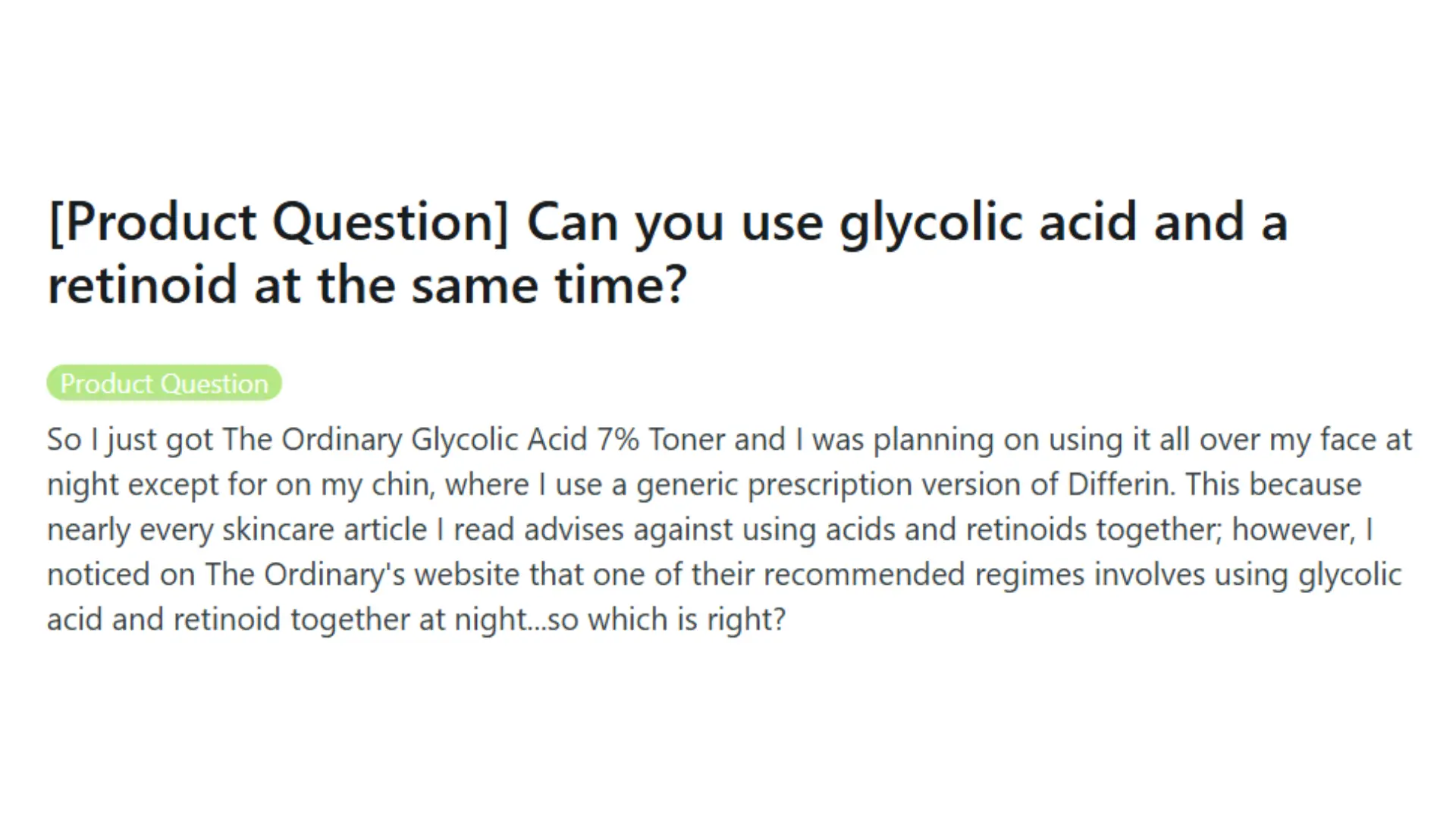
Most people in skincare communities avoid using glycolic acid and retinol in the same routine because it often leads to irritation instead of better results.
Yes, you can use both, but not at the same time. Since both increase skin cell turnover, combining them can cause dryness, redness, or peeling.
A safer approach is to keep them separate.
- Use them on different nights
- Or use glycolic acid in the morning and retinol at night (if your skin tolerates it well)
From real discussions on r/SkincareAddiction,many people share similar experiences:
- Using both on the same night often leads to irritation, dryness, and peeling within a few days
- Alternating nights helps improve skin texture without causing redness
- Starting both together can damage the skin barrier, but spacing them out helps the skin recover
- Some people find that using glycolic acid in the morning and retinol at night works well after building tolerance
In most cases, people who tried using both together reported irritation, while those who spaced them out saw better and more stable results.
Some experienced users with very tolerant skin can use both, but this usually comes after months of building tolerance. If you’re just starting out, spacing them out is the safest and most reliable approach.
Glycolic Acid vs. Retinol
Both ingredients work differently, so understanding how they compare helps you use them correctly. This makes it easier to choose the right one for your skin’s needs.
| Use / Concern | Glycolic Acid | Retinol |
|---|---|---|
| Exfoliation | Removes dead skin from the surface | Works deeper, not a surface exfoliant |
| Skin Brightening | Helps fade dullness quickly | Improves tone over time |
| Acne | Clears pores and reduces buildup | Prevents acne and reduces breakouts |
| Dark Spots | Fades marks on the surface | Fades deeper pigmentation over time |
| Skin Texture | Smooths rough skin fast | Improves texture slowly but deeply |
| Fine Lines | Mild improvement | Strong effect on fine lines |
| Oil Control | Helps reduce excess oil | Regulates oil production |
| Product Absorption | Helps other products absorb better | Does not directly affect absorption |
| Speed Of Results | Faster visible results | Slower but longer-lasting results |
| Skin Depth Action | Works on the top layer of skin | Works in deeper layers |
This comparison shows that glycolic acid gives faster surface results, while retinol works deeper over time. Using them separately allows you to get the benefits of both without irritation.
Why You Should Not Use Glycolic Acid and Retinol Together

Using glycolic acid and retinol together in the same routine can overload the skin, leading to irritation, dryness, and a weakened barrier.
- Using both in the same routine can overwhelm the skin
- There is no recovery time between two strong active
- Redness and a burning or stinging feeling may appear
- The skin can start to feel tight and uncomfortable
- Dry patches and peeling can develop over time
- Sensitivity to sunlight can increase
- Irritation may become more noticeable instead of the results
- It is better to use them on separate days to reduce these effects
To avoid these issues, it’s best to keep them separate so the skin has time to adjust and recover.
Simple Weekly Routine You Can Follow
This routine helps you use both ingredients in a balanced way, without over-stressing your skin. It gives your skin enough time to recover, reduces the risk of irritation, and supports better, more consistent results over time.
| Day | Night Routine | What to Pair With |
|---|---|---|
| Mon | Glycolic acid | Moisturizer + hyaluronic acid |
| Tue | Rest | Gentle cleanser + ceramides |
| Wed | Retinol | Moisturizer + niacinamide |
| Thu | Rest | Hydrating serum + ceramides |
| Fri | Glycolic acid | Moisturizer + hyaluronic acid |
| Sat | Retinol | Moisturizer + niacinamide |
| Sun | No actives | Barrier repair (ceramides + hydration) |
Glycolic acid works best with hydrating ingredients to prevent dryness, while retinol pairs well with calming and barrier-supporting products to reduce irritation.
What to Use Alongside These Ingredients
Using the right supporting ingredients helps reduce irritation and keeps your routine balanced when using strong actives, so your skin stays hydrated, calm, and better able to handle these treatments over time.
- Niacinamide helps calm the skin and reduce irritation that can come from glycolic acid and retinol.
- Hyaluronic acid adds hydration and prevents dryness or tightness after applying actives.
- Ceramides help repair and protect the skin barrier, keeping it strong and stable.
Adding these ingredients can support your skin, making it easier to use both actives without discomfort.
Best Way To Use This Combo For Your Skin Type
Using glycolic acid and retinol depends on how your skin reacts. Adjusting frequency and support products helps reduce irritation and improve overall results.
1. Oily Skin
Oily skin usually tolerates active ingredients better because of higher sebum production, which offers some natural protection. You can use glycolic acid and retinol more frequently compared to other skin types, but still avoid using them in the same routine.
Alternate days work best to prevent irritation. Keep your routine simple and consistent. Even if your skin feels strong, overuse can still lead to sensitivity or breakouts over time.
2. Dry Skin
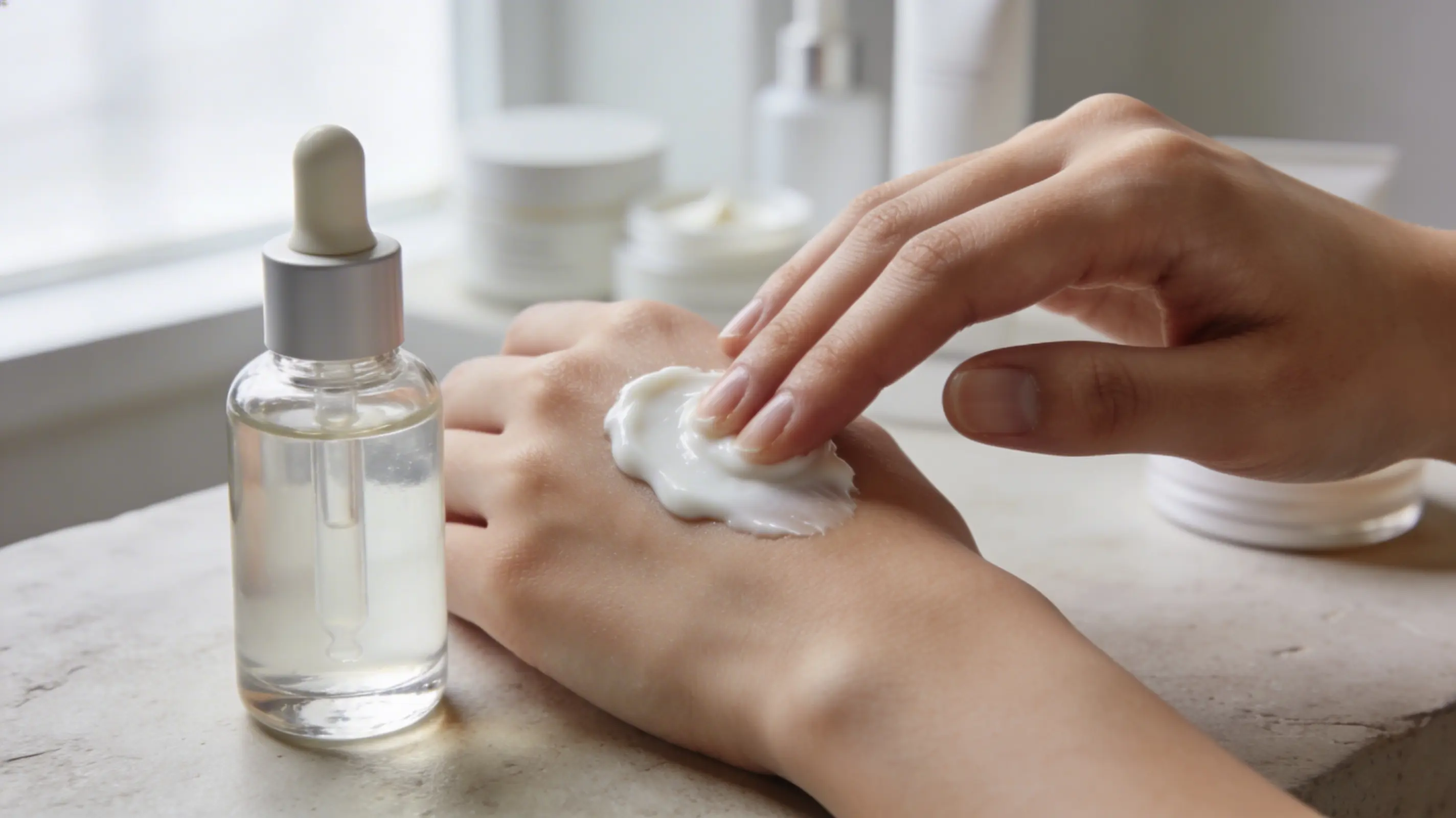
Dry skin needs a more careful approach when using strong actives like glycolic acid and retinol. Limit how often you use them to avoid excessive dryness and flaking. Focus on hydration by adding ingredients like hyaluronic acid and ceramides.
Always follow up with a good moisturizer to lock in moisture. Giving your skin enough recovery time between uses helps maintain balance and prevents your barrier from becoming weak or irritated.
3. Sensitive Skin
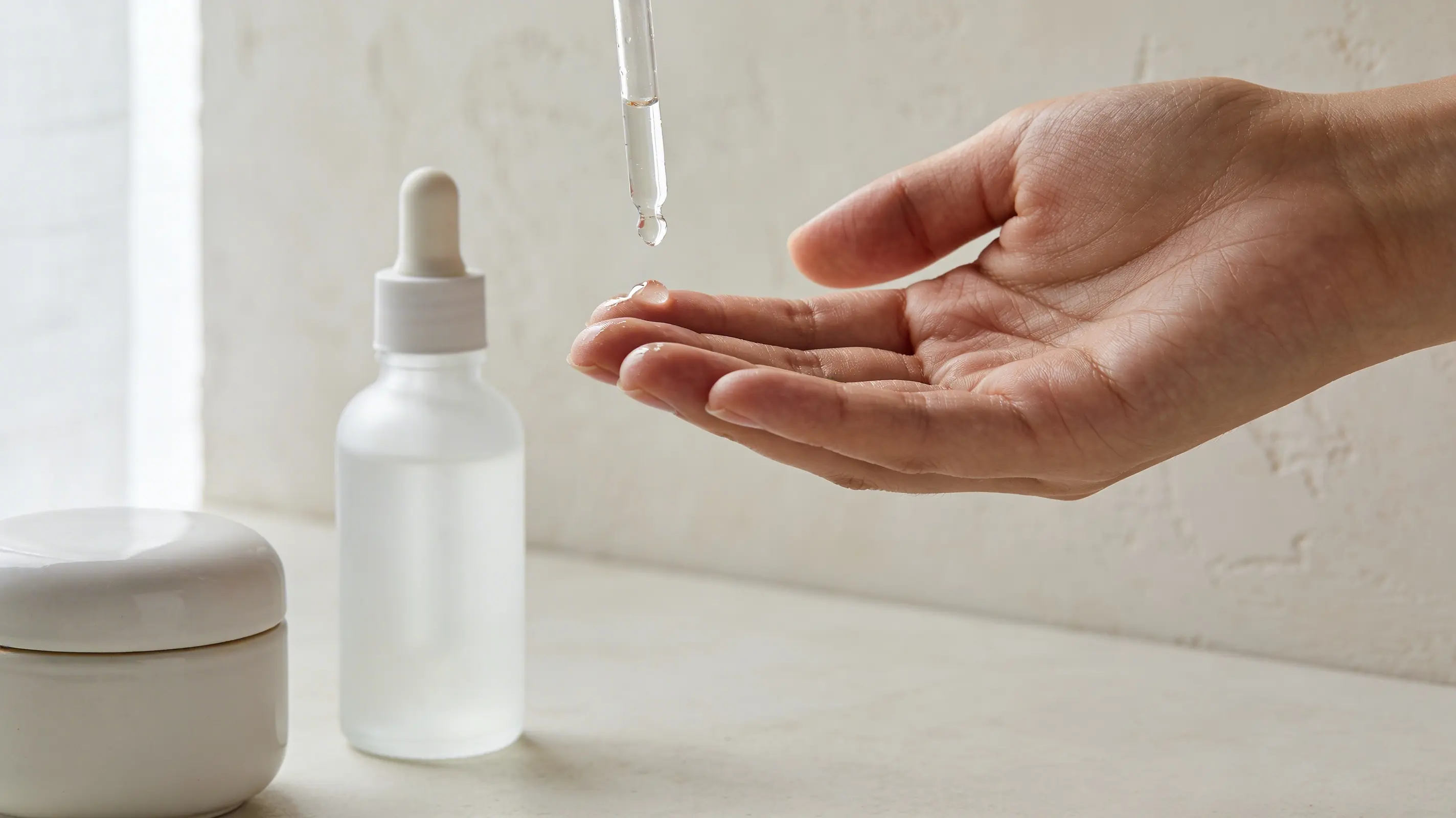
Sensitive skin reacts quickly to strong ingredients, so it’s important to start slow and keep things simple. Begin with one active ingredient and use it once or twice a week.
After your skin adjusts, you can slowly introduce the second ingredient on separate days. Avoid combining them in the same routine. Pay close attention to signs like redness or burning, and reduce usage if needed to keep your skin calm and stable.
Common Mistakes to Avoid
Using glycolic acid and retinol the wrong way can lead to irritation instead of results, and I’ve seen this happen more often than you’d think. If you rush or use too much too soon, your skin can react badly.
When you slow down and stay consistent, you’ll notice better and more stable improvements.
- Using both on the same night can overload the skin and lead to redness, dryness, and peeling
- Using them too often at the start does not give the skin enough time to adjust
- Skipping sunscreen increases the risk of sun damage and sensitivity
- Adding too many strong actives can weaken the skin barrier
- Not allowing adjustment time can cause discomfort and slower results
- Ignoring irritation signs like redness, burning, or stinging can make things worse
Avoiding these mistakes helps keep the routine simple, safer, and more effective.
How Long Does it Take to See Results?

Results don’t show up overnight, and that’s completely normal. Your skin needs time to adjust and respond to active ingredients like glycolic acid and retinol.
Week 1–2: You may notice slight dryness or mild irritation as your skin gets used to the routine. This phase is part of the adjustment process.
Week 3–4: Your skin can start to feel smoother, and the texture may begin to look more even. You might also notice a slight improvement in brightness.
Week 6–8: Clearer changes in tone, clarity, and overall appearance become more visible. Staying consistent, while avoiding overuse, helps your skin improve steadily and gives you more stable, long-term results.
Common Myths About Glycolic Acid and Retinol
There’s a lot of mixed advice around these ingredients, which often leads to confusion.
Myth: You can never use glycolic acid and retinol together
Fact: They can be used together if you space them out properly in your routine
Myth: Using more will give faster results
Fact: Overusing them can lead to irritation instead of better results
Myth: Higher strength products always work better
Fact: Stronger products can damage the skin if not used carefully
Understanding these myths helps you use both ingredients in a safer and more effective.
Final Thoughts
After going through everything, it’s clear that you can use glycolic acid and retinol, but only when you space them out properly.
I’ve learned that keeping things simple, starting slow, and paying attention to how your skin reacts makes a big difference.
Using both the right way can improve texture, tone, and overall skin health without causing damage. What matters most is consistency and not rushing the process.
If you found this helpful, take a look at my other blogs for more simple skincare tips, and feel free to share your thoughts or experience in the comments.
Frequently Asked Questions About Glycolic Acid and Retinol
Can you use glycolic acid and retinol on the same night?
Technically, yes, but most people shouldn’t — especially beginners. Both ingredients increase skin cell turnover, so layering them in the same session doubles the exfoliation load and often leads to redness, dryness, and peeling rather than better results. The safer approach is to alternate nights: glycolic acid one night, retinol the next. Only people who have used both ingredients for months and have built up solid tolerance tend to handle same-night use without irritation.
Which should you use first — glycolic acid or retinol?
Since they work best on separate nights, the order question mostly comes down to routine structure. When you do use glycolic acid, apply it after cleansing and before moisturizer. On retinol nights, apply retinol after cleansing and follow with a moisturizer to buffer any dryness. Never apply glycolic acid directly before retinol in the same session — the acidic pH can increase skin sensitivity and make retinol feel far more irritating than it would on its own.
Is retinol or glycolic acid better for anti-aging?
Retinol is generally considered the stronger anti-aging ingredient because it works in the deeper layers of the skin to stimulate collagen production, which reduces the appearance of fine lines and wrinkles over time. Glycolic acid gives faster visible improvements to surface texture, tone, and brightness, but its anti-aging effects are more superficial. For most people, using both — alternated on separate nights — covers more ground than either one alone.
Do you need sunscreen when using glycolic acid and retinol?
Yes, and it’s non-negotiable. Both ingredients make the skin more sensitive to UV exposure, which means skipping sunscreen while using them actively works against your results and increases the risk of sun damage and hyperpigmentation. Apply a broad-spectrum SPF 30 or higher every morning, regardless of whether it’s cloudy or you’re mostly indoors. This is especially important in the first few months when your skin is still adjusting to the routine.
How long does it take to see results from using glycolic acid and retinol?
Glycolic acid tends to show surface improvements — brighter tone, smoother texture — within two to four weeks of consistent use. Retinol takes longer; most people notice meaningful changes in texture, fine lines, and clarity around the six to eight week mark, with deeper improvements continuing for several months. The biggest mistake people make is switching products or adding more actives before giving the current routine enough time to work. Consistency over two to three months gives a much clearer picture of what’s actually happening.