Still breaking out even after doing everything “right”? I’ve seen this happen a lot, and that’s usually when a facial for acne starts to make sense.
You’re cleansing, using actives, staying consistent, yet those clogged pores and inflamed spots don’t fully clear. That’s because some buildup sits deeper than your daily routine can reach.
I get how frustrating that feels. You start questioning your products when the real issue is what’s happening inside your pores.
Here, you’ll understand how acne facials actually work, what happens during a session, which type suits your skin, and how to avoid common mistakes so you get real, visible results.
Understanding Acne: What Causes It and How Facials Help
Acne is a complex condition, and several factors contribute to breakouts. Here’s a breakdown of how facials can help address the root causes.
- Clogged Pores and Excess Oil: Overactive sebaceous glands produce excess oil, which mixes with dead skin cells, clogging pores.
- Bacteria and Inflammation: Bacteria feed on the buildup inside the pore, causing redness and swelling.
- Contributing Factors: Hormonal shifts, genetics, stress, and lifestyle choices all influence acne frequency and severity.
- Facials Target the Root Cause: Deep cleansing, exfoliation, and professional extractions clear buildup, while ingredients like salicylic acid and niacinamide reduce redness and regulate oil production.
I’ve noticed that once you stop blaming products and start understanding what’s happening inside your pores, your treatment decisions become much clearer. Building a consistent hair, skin and nail care routine alongside professional treatments is usually what makes the real difference long term.
Do Acne Facials Actually Work?
Acne facials can work, but the results depend on the type and severity of your acne. They are most effective for mild to moderate concerns like blackheads, whiteheads, and surface congestion.
These treatments help clean pores, reduce buildup, and improve overall skin texture when done correctly. However, for severe or cystic acne, facials alone are not enough.
A dermatologist-led treatment plan should come first, with facials used as a supporting step rather than a solution. It’s also important to set the right expectations.
One session won’t clear your skin. Real improvement comes with consistent treatments every two to four weeks, along with proper at-home care and a simple, supportive routine.
Acne Facial vs. Regular Facial: The Actual Difference
Not every facial works the same way. A standard facial maintains skin health, while an acne facial addresses a specific concern.
I’ve seen many people go for regular facials expecting acne to improve, only to feel disappointed. The difference becomes clear once you see how each treatment actually works.
Here’s a side-by-side look at exactly how the two differ:
| Feature | Regular Facial | Acne Facial |
|---|---|---|
| Primary Goal | General skin health and hydration | Clearing breakouts and preventing new ones |
| Key Ingredients | Hydrating, soothing, and moisturizing agents | Salicylic acid, benzoyl peroxide, sulfur, niacinamide |
| Extractions | Light, surface-level only | Deep, precise extractions using sterile tools |
| Inflammation Control | Minimal | Targeted anti-inflammatory ingredients |
| LED/Blue Light Therapy | Rarely included | Commonly used to kill acne-causing bacteria |
| Suitable For | General maintenance, all skin types | Acne-prone, oily, and congested skin |
| Frequency | Once a month for maintenance | Every 2–4 weeks during active breakout phases |
| Products Used | May include heavy or comedogenic ingredients | Non-comedogenic, oil-balancing formulas only |
Knowing which one your skin actually needs is the first step toward getting real results from any professional treatment.
Note: I booked a “deep cleanse” facial early on, but it clogged my pores. That’s when I learned to always ask if products are non-comedogenic and suitable for acne-prone skin.
Facial Treatments for Acne: Matched to Your Skin Concern
Choosing the wrong facial can slow your skin’s progress. Here’s a breakdown to help you match the right treatment to your specific concern.
This is where most people get it wrong. I’ve seen cases where the right facial made a visible difference in weeks, and the wrong one made things worse.
1. Classic Acne Facial with Gentle Extractions and Exfoliation
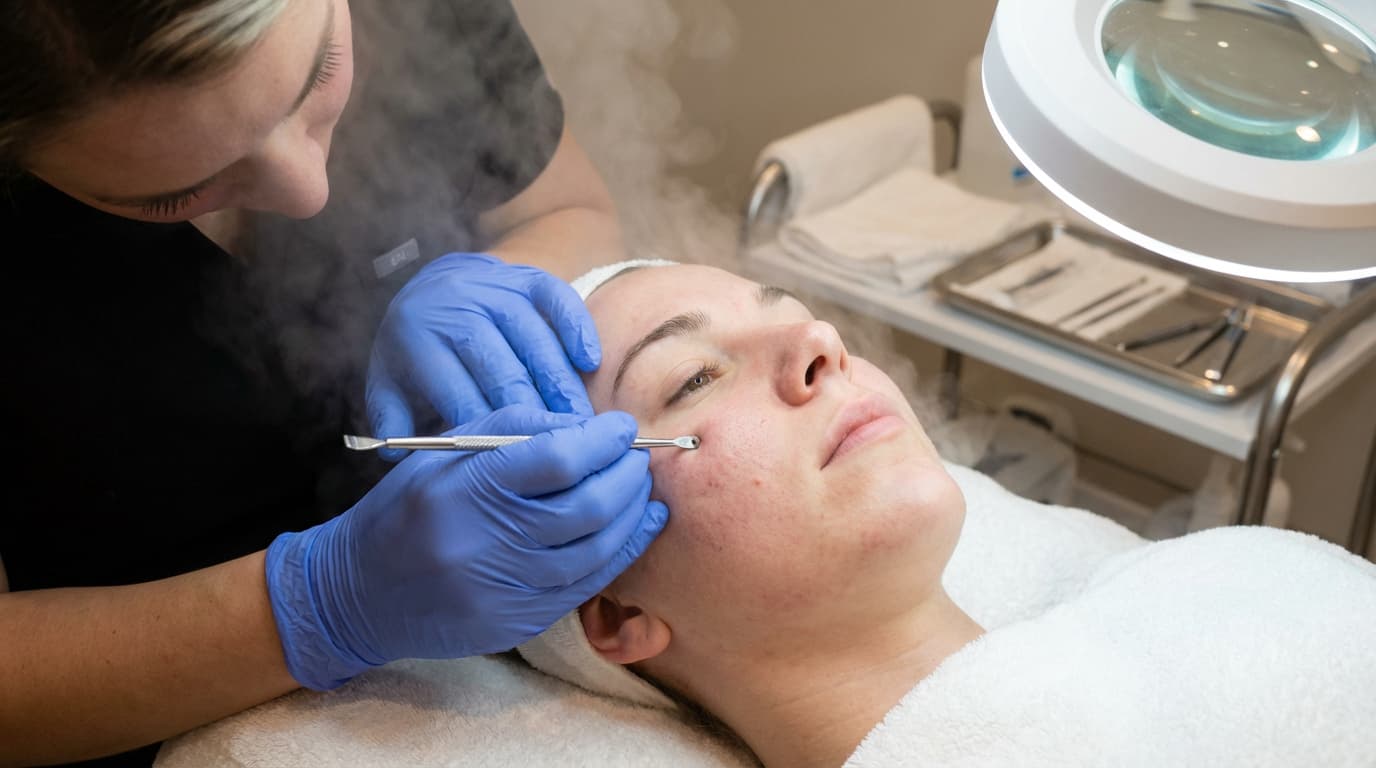
A classic acne facial covers cleansing, exfoliation, steam, and professional extractions. It physically clears clogged pores, removes dead skin buildup, and reduces the congestion that triggers new breakouts.
Consistent sessions keep pores clear between visits and reduce breakout frequency over time, making it the most straightforward starting point for anyone new to professional acne treatment.
Best For: Blackheads, whiteheads, and mild comedonal acne
Not Ideal For: Active cystic or nodular acne
What to ask before booking: Confirm that the esthetician will leave cysts and nodules alone. Any technician who attempts to extract active cysts is increasing their risk of scarring and deeper bacterial infection. A trained professional knows this and will not touch them.
2. Chemical Peels: Glycolic, Salicylic, or Lactic Acid

An acid solution loosens and lifts dead skin cells, clears blocked pores, and signals the skin to produce fresher cells underneath.
Salicylic acid peels penetrate deeper into the pores, making them particularly effective for oily skin. Over multiple sessions, peels gradually fade dark spots and shallow scars that linger after breakouts heal.
Best For: Papules, pustules, acne scarring, hyperpigmentation
Not Ideal For: Sensitive or compromised skin barriers
Note: Peel strength matters for acne treatment. Superficial peels work for breakouts, while medium-depth peels target scarring. If stronger peels are suggested without clear aftercare guidance, ask detailed questions before proceeding.
3. LED Light Therapy: Blue or Red Light
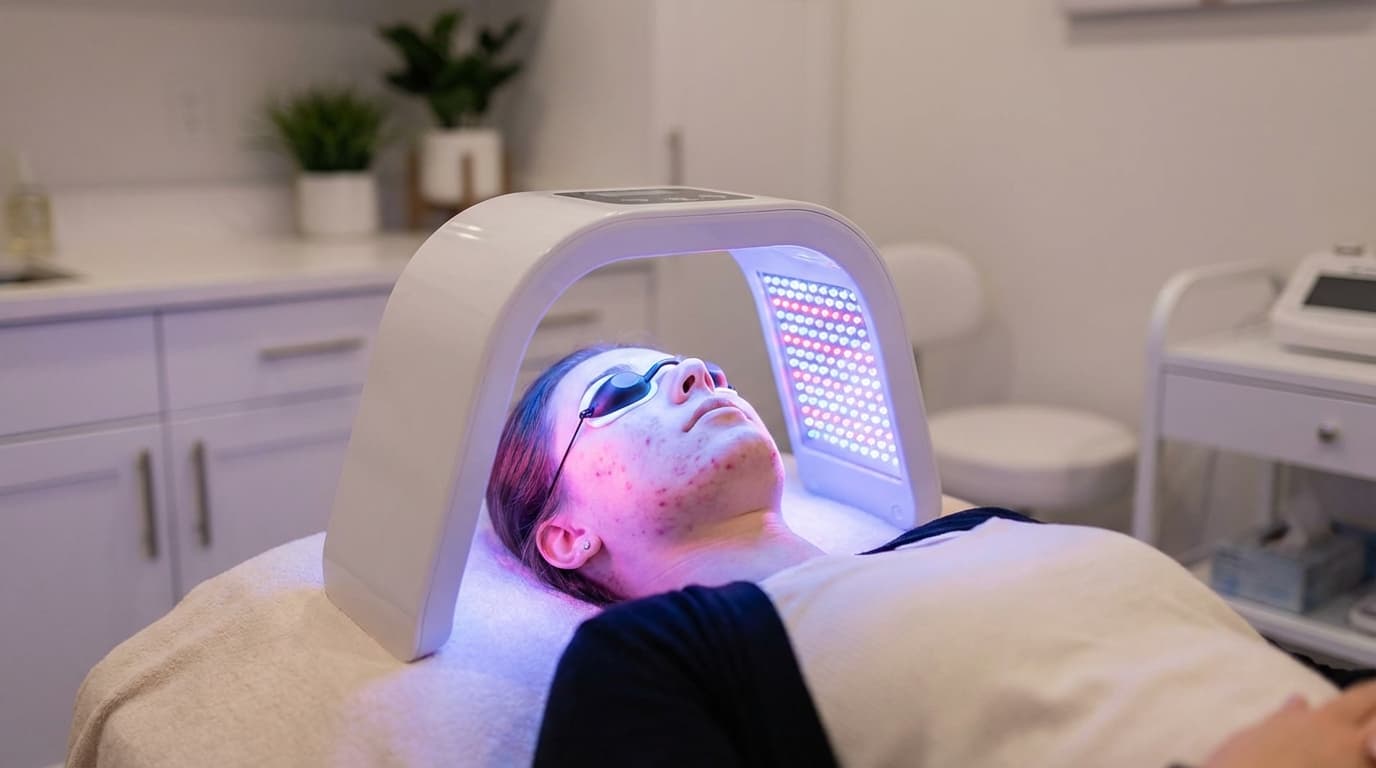
Blue light targets and destroys acne-causing bacteria inside the pore. Red light calms inflammation and supports the skin’s repair process.
The treatment is painless, non-invasive, and well-suited for skin too sensitive for extractions or chemical exfoliation. It’s commonly added at the end of a facial session for additional results.
Best For: Inflammatory acne, pustules, papules, acne-related rosacea
Not Ideal For: Standalone treatment for comedonal acne or deep scarring
LED light therapy is the treatment I’d point anyone with very reactive skin toward first, before anything involving extractions or acids. It requires no downtime, poses no risk of irritation, and addresses the bacterial load in active breakouts without disrupting the skin barrier.
This growing interest in gentle LED-based skincare has also increased demand for the Best Red Light Therapy Devices for Rosacea, particularly among people managing persistent redness and inflammation-prone skin.It’s also commonly underpriced relative to how consistently it delivers.
4. HydraFacial
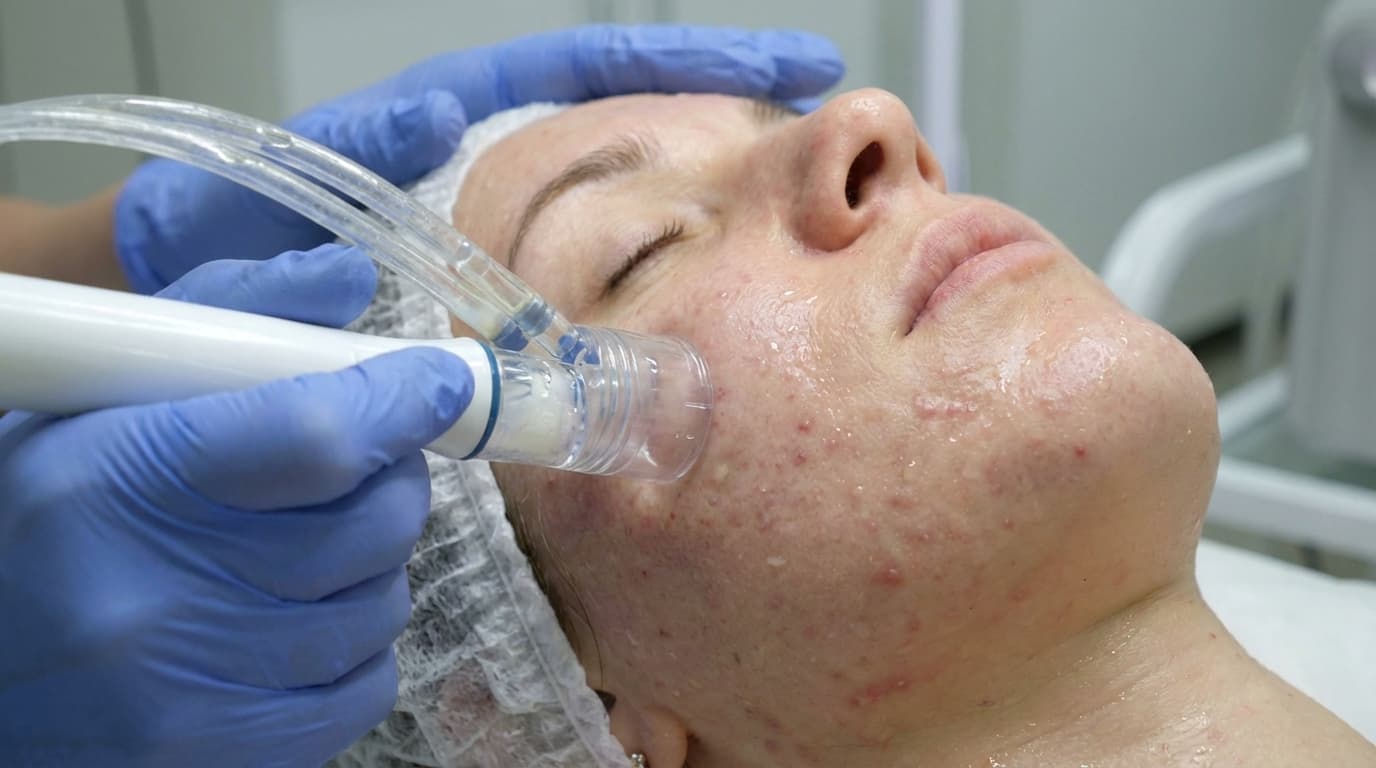
The HydraFacial combines cleansing, exfoliation, suction-based extraction, and serum infusion in one session. It clears pores and hydrates simultaneously, without stripping or irritating the skin barrier.
Active ingredients are delivered directly into freshly cleansed pores, enhancing absorption compared to topical application alone.
Best For: Comedonal acne, post-acne marks, acne scarring
Not Ideal For: Severe inflammatory or cystic acne without prior medical management
HydraFacial works well for acne-prone skin because it uses gentle suction instead of harsh extraction. It reduces irritation, suits sensitive skin, and allows you to return to normal activities the same day.
5. High-Frequency Facial
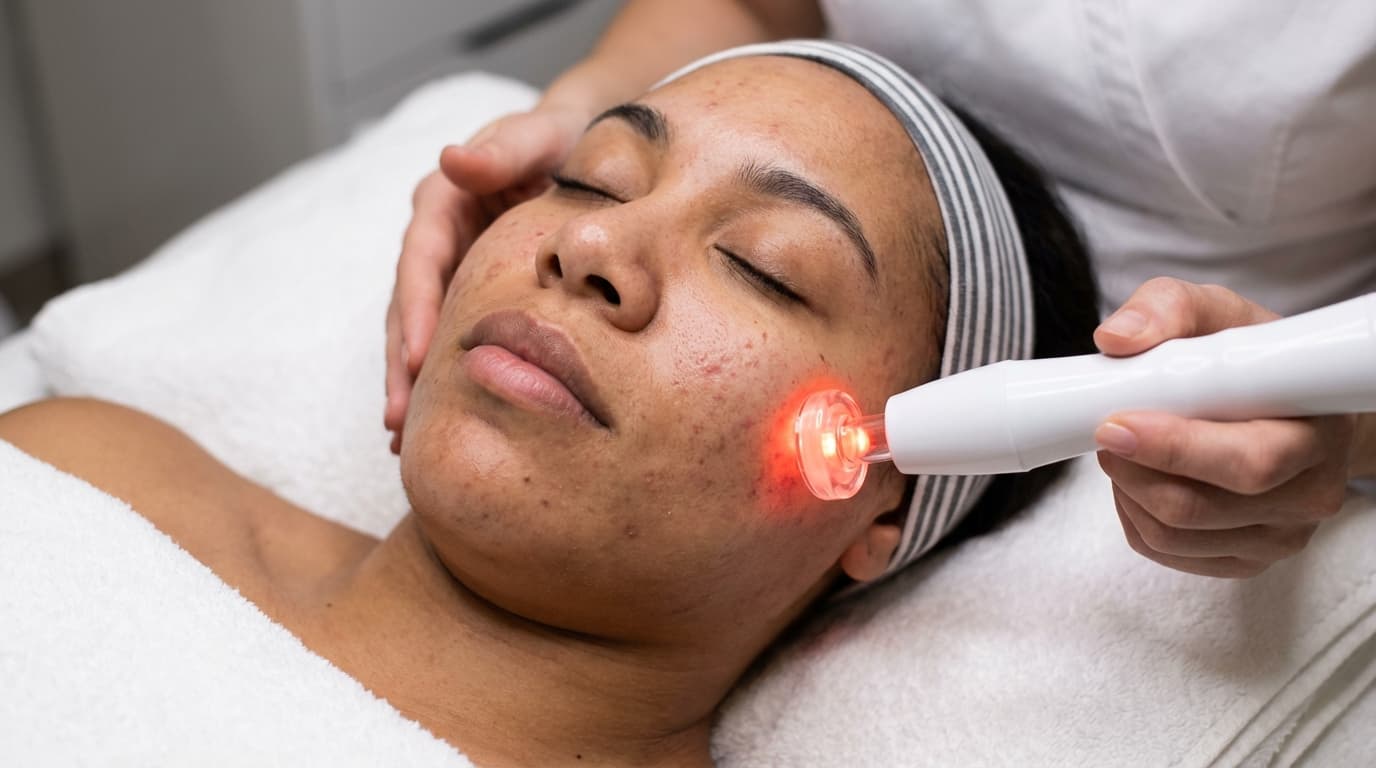
A mild electrical current passes through a glass electrode just above the skin, producing ozone with natural antibacterial properties.
It kills acne-causing bacteria on contact, reduces inflammation around active breakouts, and increases circulation to speed up healing between sessions.
Best For: Inflammatory papules, pustules, frequent surface-level breakouts
Not Ideal For: Those with pacemakers, epilepsy, or broken skin
6. Brightening Facial with Vitamin C or Antioxidants
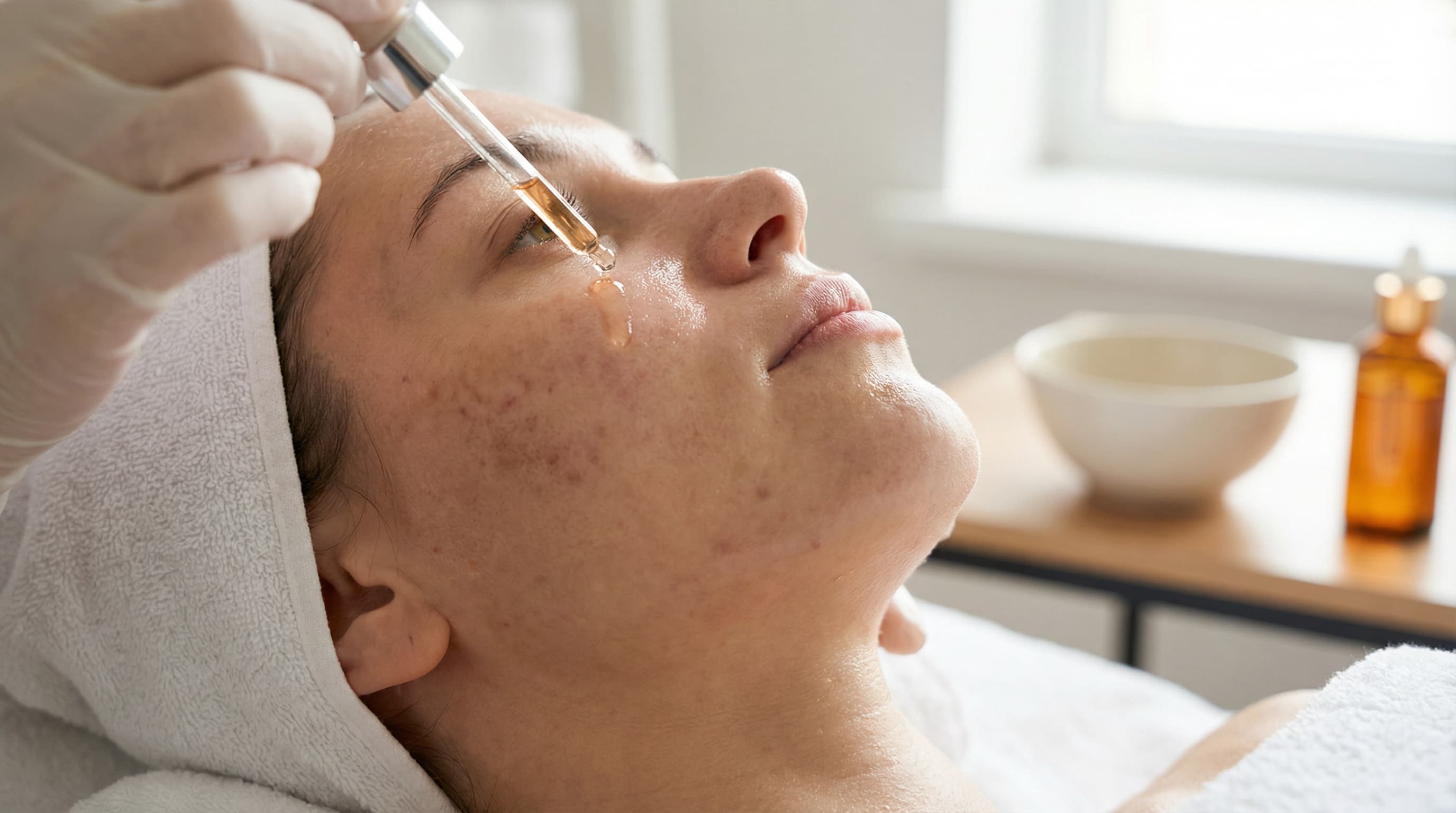
Brightening facials target what acne leaves behind. Vitamin C and antioxidants slow melanin production, fading the dark marks that form after a pimple heals.
Regular sessions refine skin texture and improve skin tone, working best once active breakouts are under control. If you’re exploring natural alternatives that complement this approach, it’s worth reading about how essential oils can support skin healing as part of a broader wellness routine.
Best For: Post-acne hyperpigmentation, dark spots, uneven skin tone
Not Ideal For: Active, inflamed breakouts
What the Consultation Should Actually Cover
A proper consultation before an acne facial isn’t a quick scan of your skin. Your provider should ask about:
- Current medications, especially isotretinoin (Accutane), antibiotics, or any topical retinoids, which affect how your skin tolerates treatment
- Any recent laser, peel, or professional treatments in the past 2–4 weeks
- Whether you’re pregnant or nursing — this affects which ingredients and treatments are appropriate
- Your current at-home routine, specifically any active ingredients you’re using
- Allergy history relevant to skincare ingredients
If a consultation doesn’t include these questions, that’s a signal to ask them yourself — or to reconsider the provider.
Acne Facial Process: A Full Walkthrough
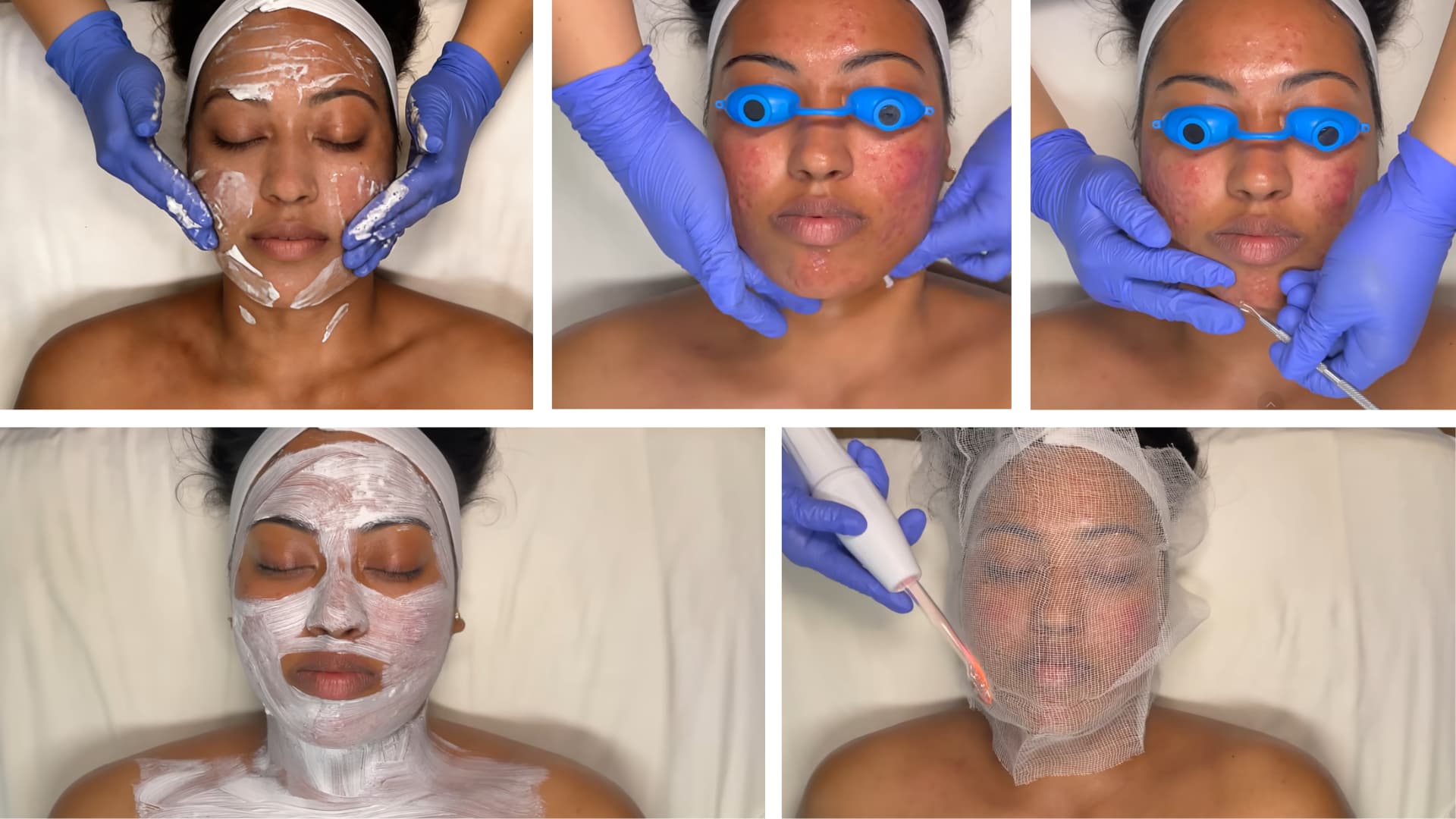
If you’ve never had a professional acne facial before, I know the idea of extractions or treatments can feel a bit intimidating at first. But once you understand what happens step by step, it feels much more controlled and predictable.
Your provider starts with a consultation, assessing your acne type, current routine, and medications before applying anything to your skin.
Step 1: Cleansing: Removes makeup, oil, and surface debris without stripping your skin barrier.
Step 2: Exfoliation: An enzyme or mild acid loosens dead skin cells and opens your pores for what follows.
Step 3: Extractions: Sterile tools safely clear your blackheads and whiteheads. Cysts and nodules are left alone.
Step 4: Calming Mask: Sulfur, clay, or niacinamide helps settle redness and draw out remaining impurities from your skin.
Step 5: Add-On Treatment: LED therapy, high-frequency current, or a serum infusion may be added based on your skin’s needs.
Mild pinkness after your session is normal and fades within hours. Your provider will leave you with a personalized aftercare plan to keep your skin clear between visits.
Acne Facial Aftercare Tips
From what I’ve seen, most people lose their results not because of the facial, but because of what they do (or don’t do) afterward.
Your skin needs a little extra attention in the hours after your facial. Here’s what to keep in mind:
- Mild pinkness and tightness after your session are normal, and both settle within a few hours
- Minor sensitivity around extraction areas may last a day or two
- Skip intense exercise, steam, and heavy sweating for 24 hours post-treatment
- Avoid heavy makeup for the first 24 hours to let your skin recover
- Follow the at-home plan your provider gives you; consistency between sessions is what keeps your skin clear
- Book your next session before leaving. Regular facials deliver far better results than one-off treatments
Sticking to your aftercare plan is what separates a good result from a lasting one. Just as you’d maintain a nail treatment between salon visits, the care you put in between facial sessions is what keeps your skin on track.
Real-Life Success Stories: Acne Facials in Action
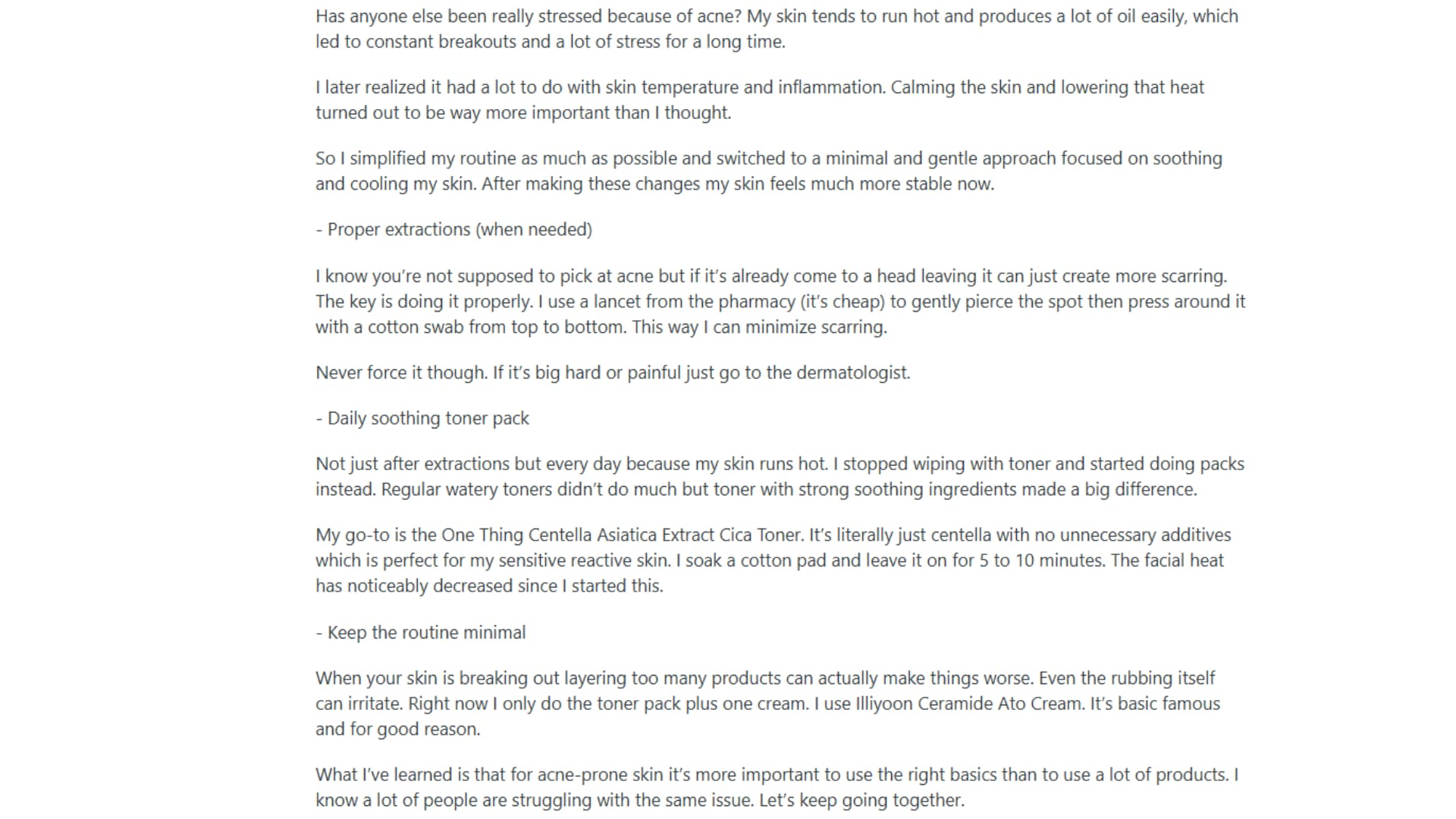
A Reddit user, u/Pretty-Library9426, shared that simplifying their routine and focusing on calming the skin helped reduce breakouts. This highlights an important point about acne care.
Facials work best when your acne type actually calls for them. If your skin deals with blackheads, whiteheads, or clogged pores, deep cleansing and professional extractions can clear what your daily routine leaves behind.
Chemical peels and LED therapy step in for active inflammation, reducing redness and bacteria directly on your skin. Deep cystic acne, on the other hand, needs medical treatment first before any facial delivers meaningful results for you.
The Risks and Side Effects of Acne Facials
Acne facials are safe when performed correctly, but knowing the risks before your appointment helps protect your skin from setbacks.
Potential Risks to Know Before You Book
I’ve seen how quickly things can go wrong when treatments are too aggressive or mismatched to the skin. That’s why this part matters more than most people expect.
- Aggressive extractions can worsen inflammation and damage your skin barrier
- Extracting active cysts pushes bacteria deeper, raising your scarring risk
- Wrong peel strength causes burning and prolonged sensitivity on your skin
- Post-facial purging may temporarily make your breakouts look worse before clearing
Knowing these risks doesn’t mean avoiding facials; it means walking in informed enough to ask the right questions.
How to Keep Your Skin Safe
Most risks are avoidable with the right provider and preparation. Here’s what to do on your end:
- Consult a dermatologist first, especially if your acne is cystic or severe
- Choose a licensed provider with specific acne-skin training
- Share your full medication list and skincare actives beforehand
- Speak up during your session if anything feels painful or uncomfortable
Your skin’s safety comes down to one thing: preparation before you walk through the door matters as much as the treatment itself.
Do’s and Don’ts for Managing Acne with Facials
A facial for acne only delivers real results when you treat your skin right before and after your session. Here’s exactly what to do, and what to skip:
| Do’s | Don’ts |
|---|---|
| Choose facials designed for acne-prone skin | Book random “glow” facials not meant for acne |
| Visit a licensed, trained provider for safe extractions | Pick or squeeze your skin after a facial |
| Follow a gentle, simple routine after treatment | Use harsh scrubs or strong actives immediately |
| Stay consistent with sessions for better results | Expect clear skin after just one session |
| Apply broad-spectrum SPF daily post-treatment | Skip consultation for severe or cystic acne |
| Change your pillowcase the night of treatment | Use retinol, AHAs, or BHAs within 48 hours |
| Share all details with your provider (medications, treatments, concerns) | Book a facial while on Accutane or with active cystic breakouts |
Small habits before and after your facial session make a real difference to your skin. Get them right, and your results last significantly longer.
Frequently Asked Questions About Facials for Acne
How many acne facials do you need to see results?
Most people start noticing a difference after two to three sessions, but meaningful, lasting improvement typically comes after four to six consistent treatments spaced two to four weeks apart. One session clears surface congestion, but it takes repeated visits to retrain oil production, reduce bacterial levels, and prevent new breakouts. Think of it like any other skincare habit — the results compound over time, not overnight.
Can you get an acne facial if you have sensitive skin?
Yes, but the approach needs to be adjusted. Sensitive acne-prone skin responds best to LED light therapy or HydraFacial, both of which deliver results without the inflammation risk that extractions or chemical peels can cause on reactive skin. Always tell your provider about your sensitivity before the session starts so they can modify the treatment — a good esthetician will never apply a one-size-fits-all protocol to sensitive skin.
What should you not do before an acne facial?
Avoid using retinol, AHAs, BHAs, or any strong exfoliating actives for at least 48 to 72 hours beforehand. Don’t wax, shave, or undergo any other facial treatment in the days leading up to your session. Skip heavy moisturizers or oils on the day itself, and arrive with clean, makeup-free skin. If you’re on Accutane or any photosensitizing medication, let your provider know before booking — some treatments are contraindicated.
Is purging normal after an acne facial?
Yes, and it’s one of the most misunderstood parts of the process. Post-facial purging happens because professional extractions and exfoliation bring congestion to the surface faster than it would emerge on its own. This can make your skin look temporarily worse in the 48 to 72 hours after a session. It’s not a reaction or a sign that the treatment didn’t work — it’s evidence that the treatment did its job. The purge phase is short and usually settles well before your next appointment.
Can an acne facial help with acne scars?
It depends on the type of scarring. Chemical peels and brightening facials are effective for post-inflammatory hyperpigmentation — the flat, dark marks left after a breakout heal. For textural or pitted scarring, results from standard facials are limited; microneedling or laser treatments typically produce more significant improvements. The best approach is to clear active acne first through consistent facial treatments, then address scarring once breakouts are under control.
Conclusion
Getting clear skin isn’t just about stacking products, and I’ve learned that the hard way. A facial for acne works differently because it targets what your routine can’t fully clear, like deep congestion, excess oil, and inflammation.
Once you understand your acne type and match it with the right treatment, everything starts to make more sense. The key is choosing the right facial, staying consistent, and supporting it with simple aftercare. That’s what actually moves the needle over time.
If this helped you figure things out, try applying what fits your skin and see how it goes. You can also check my other guides or share your experience below.