There is a point during certain therapies where your body stops bracing and simply lets go, not gradually, but all at once. If you have never experienced that moment, it is likely because most therapies never get deep enough to reach it.
Muscle tension built up over months does not always respond to pressure alone. Sometimes your body needs sustained, penetrating warmth, the kind that softens tissue before it releases, reaching layers that hands alone rarely access.
I find it remarkable how something this simple can create a shift that regular massage cannot replicate, leaving you feeling fundamentally different on the way out than you did when you walked in. What makes that possible is more specific than most people expect.
What is Hot Stone Therapy?
This therapy uses smooth, heated basalt stones to relieve muscle tension, improve circulation, and promote relaxation. It has earned its place in both wellness and physiotherapy as a practice with lasting, measurable outcomes, not as a trend but as a treatment that consistently delivers.
What I find most compelling is how it addresses the body and mind together, easing chronic tension physically while reducing anxiety and improving sleep mentally.
The benefits linger long after the session ends. Trusted across spas and physiotherapy clinics alike, I believe that recognition is well deserved. For anyone seeking something deeper than a standard massage, this therapy treats the body as a whole rather than in isolated parts.
How Hot Stone Therapy Works?
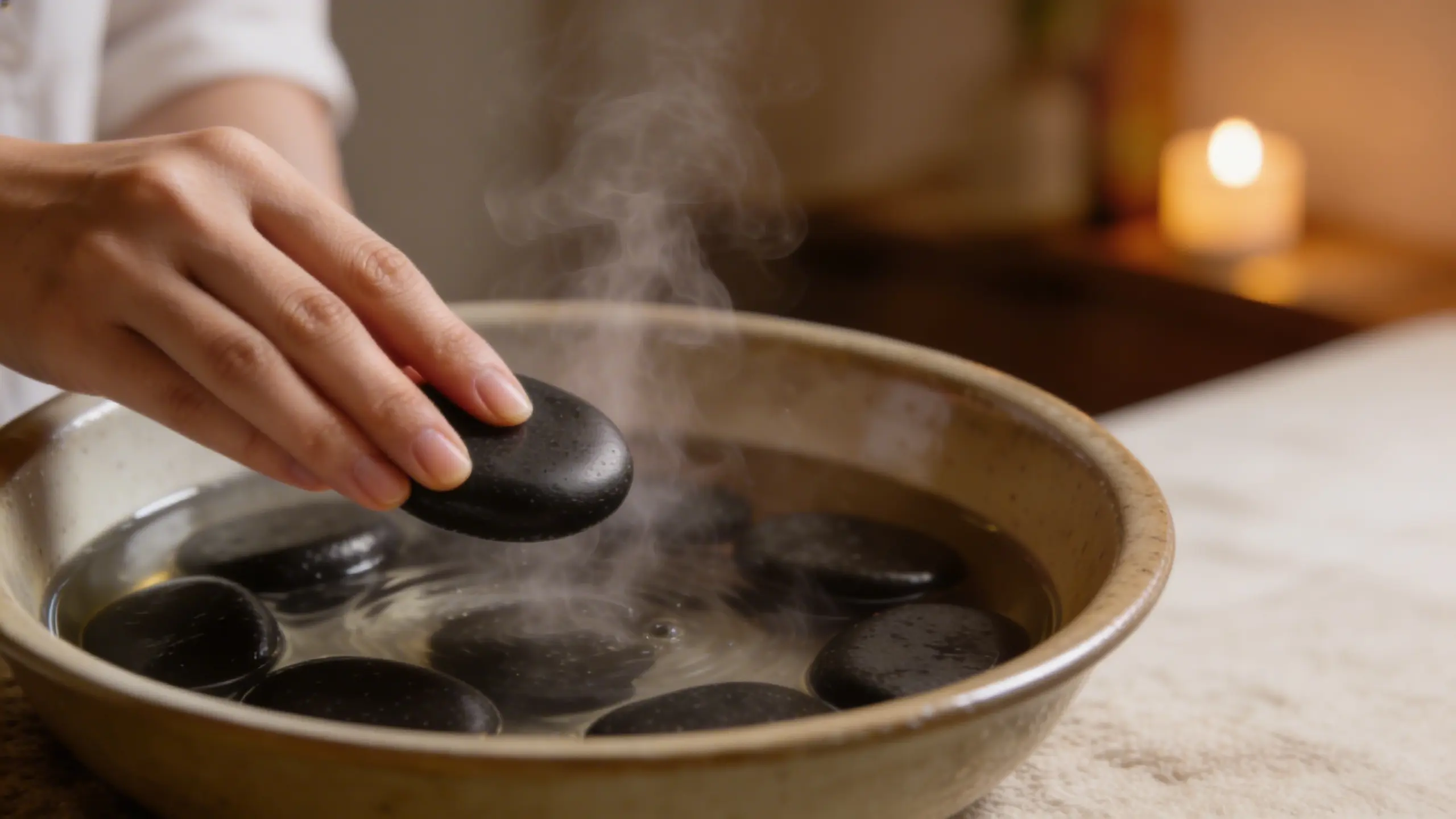
This Therapy is far more deliberate than most people realize. I find that once you understand exactly what happens during a session, the results stop feeling like magic and start making complete sense.
Every movement in this process has a purpose, and understanding it makes the experience far more intentional than most people expect.
Smooth basalt stones are heated to 130°F–145°F, chosen specifically for their ability to retain heat longer than any other stone. Each stone is tested before placement; temperature control at this stage is everything.
Stones are then strategically positioned along the spine, shoulders, chest, and palms, penetrating muscle layers before a single stroke is applied.
The therapist uses warm stones for long strokes, kneading, and circular movements, with heat and pressure working together to access layers that conventional techniques often miss. Every step carries a clear therapeutic purpose
Techniques Used in The Therapy
The techniques used in this therapy set it apart from other massage treatments. I have always found that the combination of heat and skilled manual technique is where the real results are made.
| Technique | What It Does | Why It Works | Ideal Outcome |
|---|---|---|---|
| Effleurage | Smooth gliding strokes with warm stones | Relaxes outer muscles and circulation | Surface relaxation |
| Petrissage | Rolling and squeezing movements | Loosens knots and mid-layer tightness | Knot and stiffness relief |
| Circular Movements | Rotating pressure using the stone surface | Stimulates blood flow through tension points | Targeted pain relief |
| Swedish Integration | Classic techniques combined with heat | Amplifies every stroke’s therapeutic effect | Deep stress relief |
This Therapy delivers benefits that go far beyond a standard massage, physically, mentally, and emotionally. I have seen it transform how the body feels and functions.
The Benefits of a Hot Stone Session
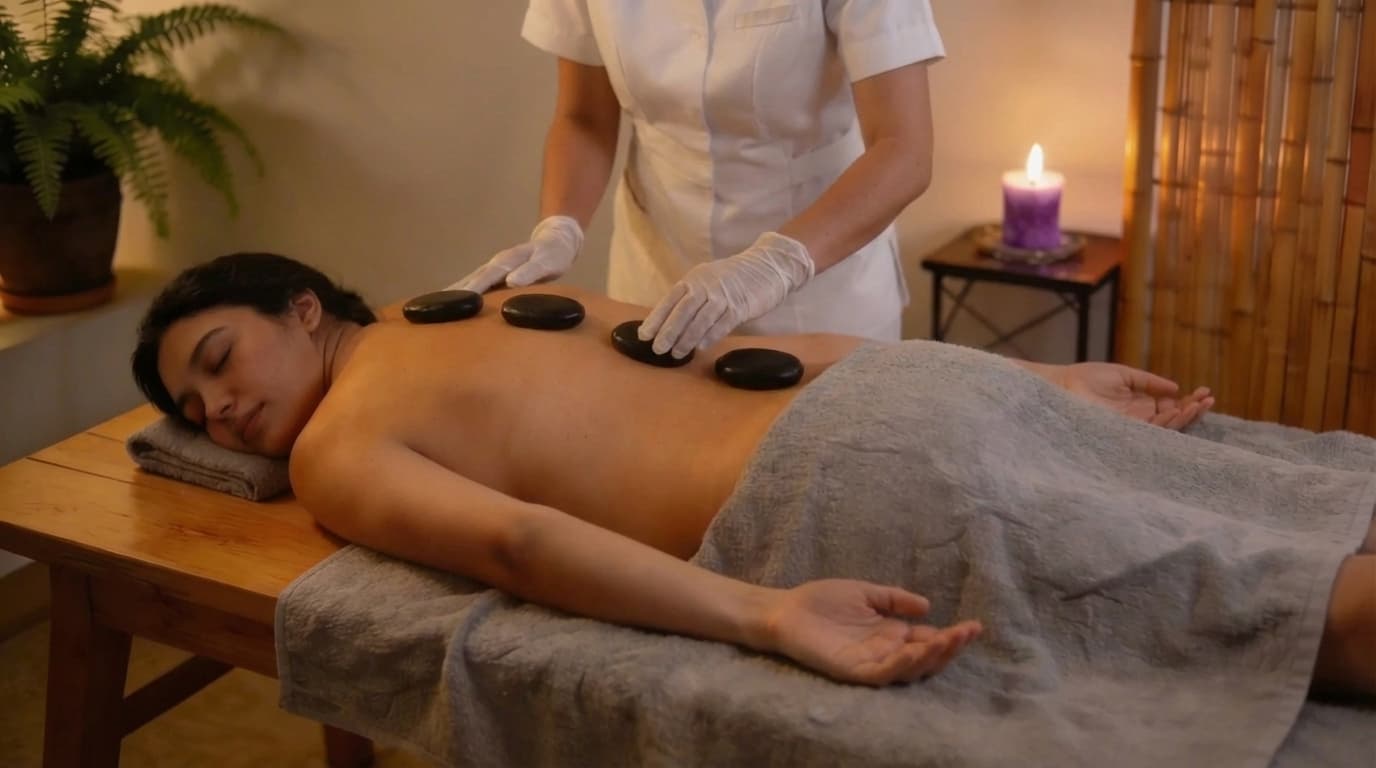
This session offers unique benefits, combining soothing heat and targeted pressure to relieve muscle tension, reduce stress, and improve overall well-being for a truly transformative experience
1. Muscle Relaxation and Pain Relief
Sustained heat from basalt stones penetrates deep muscle layers, easing spasms, relieving chronic pain, and improving flexibility in ways that regular massage simply cannot match.
Unlike standard pressure techniques, the heat softens tissue before a single stroke is applied, allowing the therapist to work deeper with far less force.
I find this is where this therapy truly earns its reputation. The combination of heat and deliberate pressure delivers results felt both during and after the session.
2. Stress Reduction and Mental Health Benefits
The warmth of the stones calms the nervous system directly, lowering cortisol levels and reducing anxiety with every passing minute of the session.
What I appreciate most is the mental clarity that follows, deep relaxation clears mental noise in a way that rest alone rarely achieves, leaving the mind still.
If you are carrying mental fatigue from a demanding routine, this benefit alone makes therapy worth considering seriously.
3. Improved Sleep Quality
This therapy resets the body’s natural sleep patterns by slowing the nervous system and releasing tension that has been held far too long.
The deep relaxation signals the brain that it is safe to fully switch off, something stress and overstimulation make increasingly difficult.
4. Improved Circulation and Detoxification
Heat from the stones causes blood vessels to expand, significantly improving circulation and supporting the lymphatic system in flushing out built-up toxins more efficiently.
I think of it as giving the body the precise conditions it needs to heal itself naturally. Better blood flow means faster muscle recovery, improved oxygen delivery to fatigued tissue, and a noticeable sense of lightness and energy that builds progressively with each consistent session.
5. Relief from Autoimmune Conditions
For those living with autoimmune conditions, this therapy offers a gentle yet effective way to manage flare-ups and reduce widespread discomfort across the body.
The sustained heat soothes inflamed tissue, calms an overactive nervous system, and provides consistent relief that medication alone often cannot deliver reliably.
6. Improved Joint Mobility and Flexibility
As heat softens surrounding muscle tissue, joints are gradually freed from the tension that has been restricting their natural range of motion for months or even years. Movement that once felt forced and uncomfortable begins to feel effortless and natural again.
I have seen this benefit stand out most for those recovering from injury or going through age-related stiffness; the Practice restores flexibility progressively without placing unnecessary strain on already sensitive and compromised joints.
7. Nervous System Regulation
This therapy actively shifts the body out of a state of chronic stress and into genuine, sustained rest and recovery.
I find this one of the most medically significant benefits the treatment offers, particularly for those whose nervous systems have been overstimulated by prolonged stress or unresolved trauma.
The shift is not just felt during the session itself; it carries meaningfully into daily life, making stress responses noticeably less intense and recovery noticeably faster over time.
8. Reduction in Headaches and Migraines
Tension stored in the neck, shoulders, and upper back is one of the most common and overlooked drivers of chronic headaches and recurring migraines.
This therapy targets these areas directly, releasing the deep muscular tightness at the root of persistent head pain.
It is found that regular sessions significantly reduce both the frequency and intensity of tension headaches, making this one of the most immediately noticeable and practically valuable benefits the therapy consistently delivers.
9. Emotional Balance and Mood Improvement
As cortisol drops and endorphins rise naturally during a session, mood lifts steadily and without effort.
What I find most notable about this benefit is that it never feels forced; the emotional shift happens naturally as the body releases accumulated tension.
For anyone guiding through low mood, burnout, or emotional exhaustion, this is the benefit that genuinely surprises people the most.
10. Boosted Immune Function
Improved circulation, consistently reduced stress hormones, and more efficient lymphatic drainage collectively work to strengthen the immune system in meaningful ways over time.
I consider this one of the most valuable long-term benefits of committing to regular therapy sessions: the body gradually becomes more resilient and recovers faster from illness.
The Drawbacks of the Therapy
Every therapy has two sides, and this therapy is no different. I find that understanding the limitations upfront helps set realistic expectations and makes the experience far more rewarding. Here is a closer look at where therapy falls short:
| Drawback | What It Means | How to Overcome |
|---|---|---|
| Risk of burns | Incorrect temperature causes burns | Verify therapist certification |
| Temporary relief | Does not resolve root conditions | Combine with long-term treatment |
| Needs a certified therapist | Untrained therapists risk injury | Always check credentials |
| Higher cost | Specialized equipment costs more | Book less but consistently |
| Aftercare required | Skipping rest reduces benefits | Hydrate and rest after |
| Needs regularity | Single sessions lack lasting impact | Commit to monthly sessions |
Few treatments address this many concerns simultaneously, but knowing its limitations ensures you approach it with the right expectations and get the most out of every session.
Risks and Safety during the Therapy
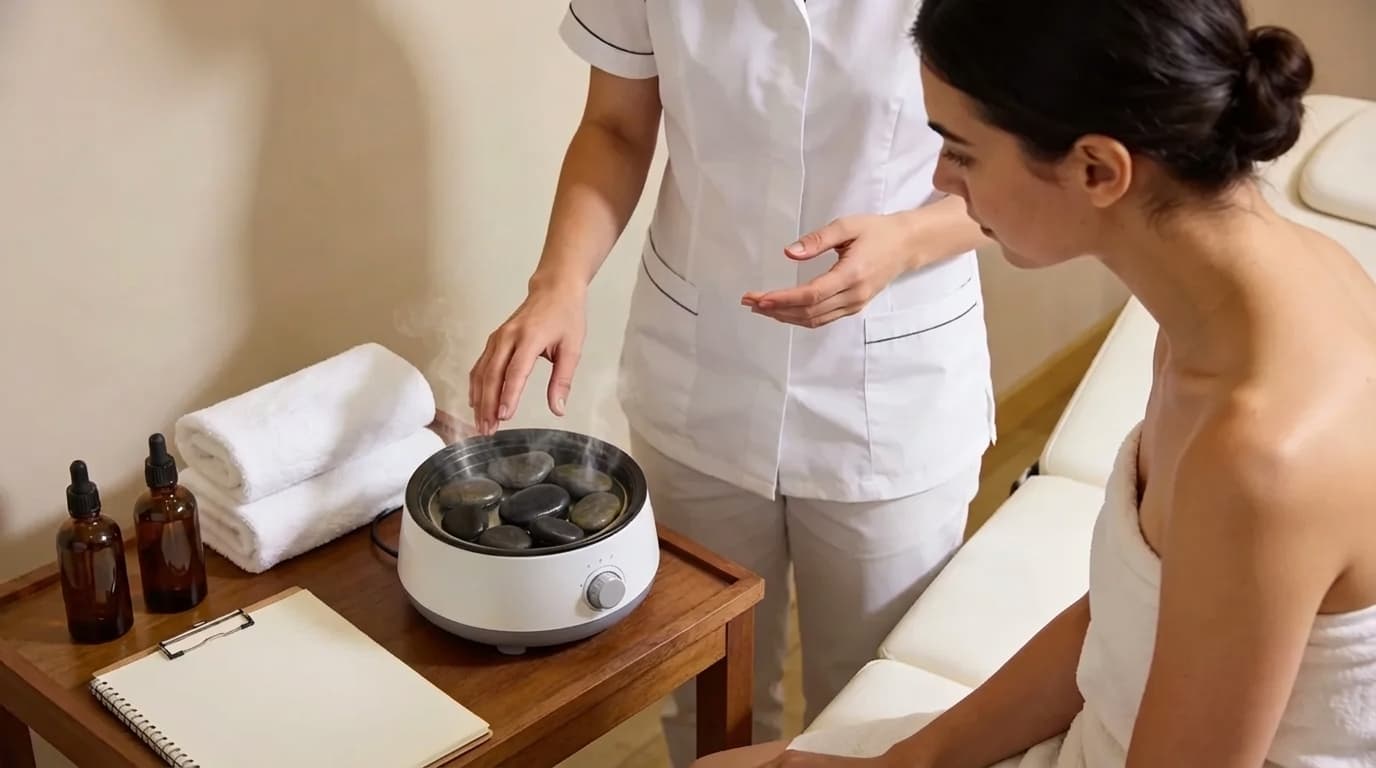
Temperature control is the most critical safety factor in the Practice, and I find that the difference between a deeply healing session and a harmful one comes down entirely to how carefully it is managed.
- Verify certification: Always confirm your therapist is professionally trained before booking.
- Use a protective barrier: A towel or sheet must always sit between the stone and bare skin.
- Monitor temperature: Stones must be checked and adjusted regularly throughout.
- Avoid damaged skin: Stones should never be placed over bruised or broken skin.
A therapist who consistently prioritizes your comfort is the single most important factor in keeping the experience both safe and effective.
Who Should Avoid This Therapy
This Therapy suits most people, but certain conditions make it unsuitable or require medical clearance beforehand. I would strongly recommend consulting a doctor before booking if any of the following apply to you. Here is a clear breakdown of conditions that make therapy a risk:
| Condition | Risk | Alternative |
|---|---|---|
| Diabetes or nerve damage | Unnoticed burns | Swedish massage |
| Heart disease | Cardiovascular strain | Medical clearance first |
| Active skin conditions | Worsens inflammation | Wait until healed |
| Recent surgery | Disrupts healing | Full recovery first |
| Pregnancy | Unsafe temperature rise | Pregnancy-safe massage |
| Blood clotting disorders | Clotting interference | Medical advice first |
When in doubt, always prioritize your health over the session. A good therapist will never proceed without understanding your full medical background, and neither should you.
What to Do Before and After a Hot Stone Massage
Knowing what happens before, during, and after a session removes the uncertainty and lets you focus entirely on the experience. I have walked through every stage below, so you arrive fully prepared.
Preparing for Your Session

The quality of your session begins well before you lie on the table. I always find that clients who prepare properly absorb the benefits far more deeply.
- Hydrate well: Drink plenty of water before your appointment.
- Inform your therapist: Share any medical conditions or areas of discomfort.
- Eat light: Avoid heavy meals at least two hours prior.
- Arrive early: Give yourself ten minutes to settle and decompress.
- Wear comfortable clothing: Loose, easy-to-remove clothing works best.
Small preparations like these signal to your body that it is safe to relax, and that makes every difference once the session begins.
After the Session
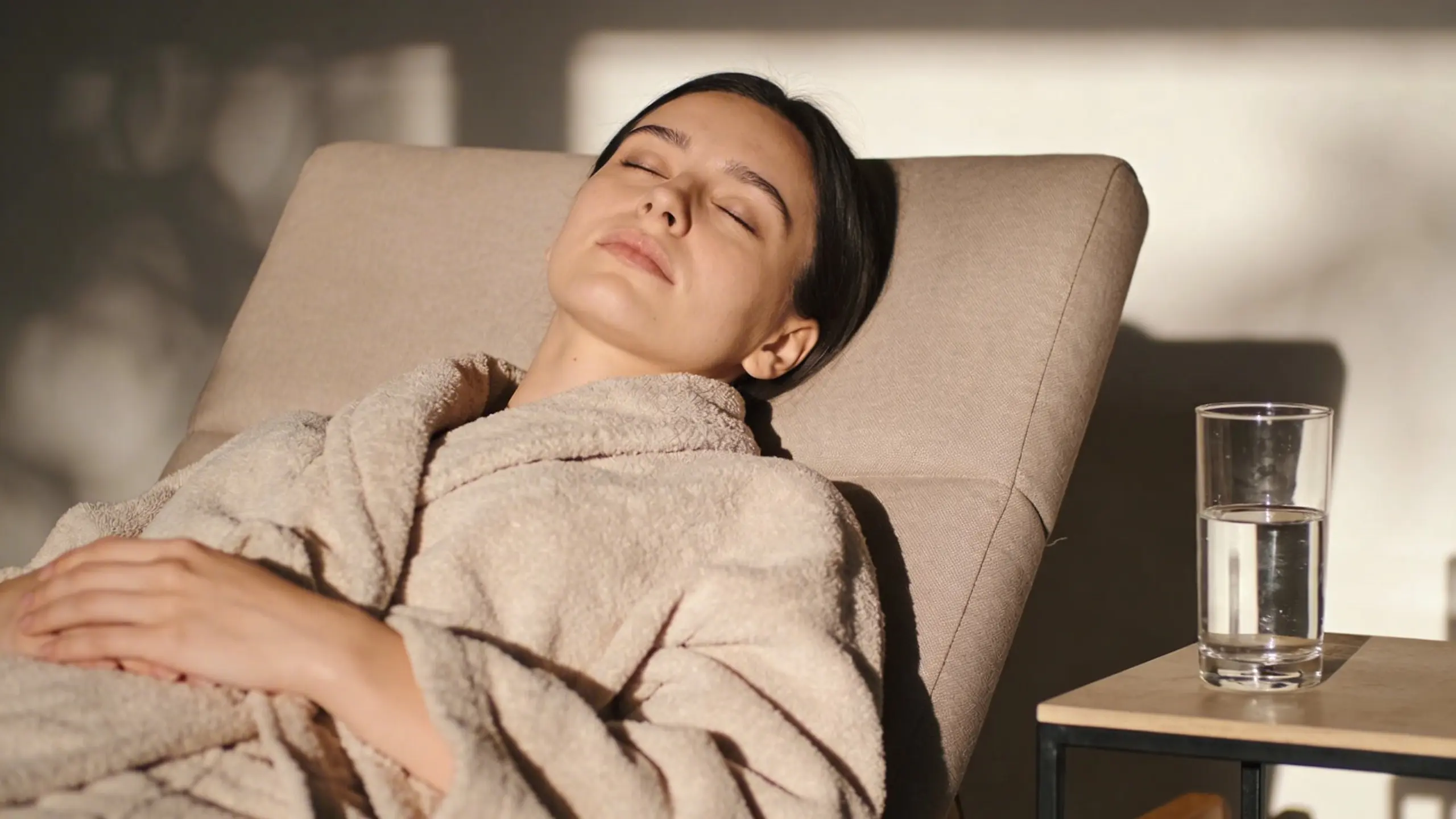
The session ending does not mean the therapy stops working. I always remind clients that aftercare is just as important as the session itself.
- Expect deep relaxation: A profound sense of calm settles in immediately after.
- Mild tenderness is normal: Slight soreness in areas of deep tension resolves within twenty-four hours.
- Hydrate immediately: Flush out toxins released during the treatment.
- Rest before resuming activity: Allow at least an hour before any physically demanding activity.
- Avoid alcohol: It dehydrates and works against the recovery process.
Your body continues processing long after you leave the table, and the right aftercare ensures the benefits last far longer than the session itself.
Hot Stone Therapy vs Other Massage Treatments
This therapy is highly effective, but it is not the only option available. I find that understanding the alternatives helps you make a more informed decision about which treatment best suits your body and goals. Here is how it stacks up against its closest alternatives:
| Treatment | How It Works | Key Benefits | Best For |
|---|---|---|---|
| Hot Stone Therapy | Heated basalt stones with massage | Deep relaxation, circulation | Chronic pain, fatigue |
| Swedish Massage | Long strokes on surface muscles | General relaxation | First-timers, mild tension |
| Deep Tissue Massage | Firm pressure on deep muscles | Chronic pain relief | Persistent pain, injury |
| Aromatherapy Massage | Touch with essential oils | Emotional balance, anxiety | Stress, emotional fatigue |
| Cold Stone Therapy | Chilled stones reduce inflammation | Reduces swelling | Athletes, post-workout |
| Reflexology | Pressure on feet, hands, and ears | Stress relief, energy | Those avoiding a full massage |
Understanding your alternatives ensures you always walk into the right treatment for your body, and get the most out of every session you invest in.
Final Thoughts
Hot stone therapy is not just a wellness trend; it is a treatment with real, measurable results that I believe more people deserve to know about.
From deep muscle relief and improved circulation to better sleep and emotional balance, every benefit covered in this blog points to one thing: a therapy that genuinely works when approached correctly.
Knowing what to expect, who it suits, and how to prepare makes all the difference between a good session and a great one.
You now have everything you need to walk in informed and walk out feeling the full benefit. If this helped, share it with someone who needs it or drop your thoughts in the comments below.
Frequently Asked Questions
Is hot stone therapy suitable for elderly clients?
Yes, but medical advice is strongly recommended beforehand, as older clients are more likely to have underlying conditions that should be considered before proceeding.
Can therapy help with weight loss?
Not directly, but it supports better circulation, improved sleep, and reduced cortisol, making it a valuable complement to a broader fitness routine.
How often should you get it for the best results?
Once a month for general wellness. For chronic pain or specific conditions, bi-weekly sessions are recommended initially.
Does it leave any marks on the skin?
No, temporary redness is normal and fades within hours. Persistent marks indicate improper technique or excessive heat from an undertrained therapist.