A well-planned poultry shelter helps keep birds healthy and supports steady egg production. It also shapes how birds rest, eat, and stay safe every day. Many people start with excitement, but they miss small details. These small things later affect comfort and daily care more than expected. A careful start can prevent such problems and make the routine easier.
When setting up a chicken coop, many owners focus only on looks or size. They forget other important parts that matter in the long run. Planning needs attention to airflow, layout, and easy access for feeding and cleaning. Small mistakes can cause stress for birds and more work for owners. This article talks about common planning mistakes and simple ways to avoid them.
Poor Location Selection Can Affect Daily Care
Choosing the right spot really matters. It sets the base for everything that comes later. Many people pick a place that looks easy, but it may not have good drainage or enough sunlight. A low area can collect water, which makes the ground damp and uncomfortable for birds. Less sunlight also means less warmth, especially in cooler months.
A better option is to choose slightly higher ground. It should get natural light during the day. This helps keep the space dry and more comfortable. Easy access from your home also makes daily care quicker. You save time and effort, too. A good location makes a big difference, even if it seems small at first.
Ignoring Proper Ventilation and Airflow
Fresh air is very important for a clean space. Some shelters don’t have enough openings. This leads to stale air and moisture build-up. Over time, it can make the place uncomfortable for birds.
Air should move freely but not too strongly. Balanced airflow works best. Openings near the top can help remove heat and moisture. At the same time, they keep birds safe. Good ventilation supports better living conditions and helps keep the space stable through different seasons.
Overcrowding Limits Comfort and Movement
Space is something people don’t think about much in the beginning. But it has a direct effect on bird behavior. When too many birds stay in a small area, stress increases. Movement becomes limited, and birds may not feel relaxed.
Each bird needs enough space to move and rest properly. They should also reach food without struggle. Enough space keeps things cleaner too, since waste builds up faster in tight areas. Planning the right number of birds from the start saves trouble later.
Weak Structural Design Reduces Durability
A poultry shelter should stay strong in different weather. Some people focus more on how it looks. Strength gets ignored, which can cause issues later. Weak frames or poor materials may not handle rain, wind, or heat changes well.
A solid structure needs proper support. Strong walls, firm roofing, and stable flooring all matter. These parts work together to give long-term durability. When these are done right, the shelter stays safe and useful for a long time.
Nesting and Roosting Areas Need Proper Planning
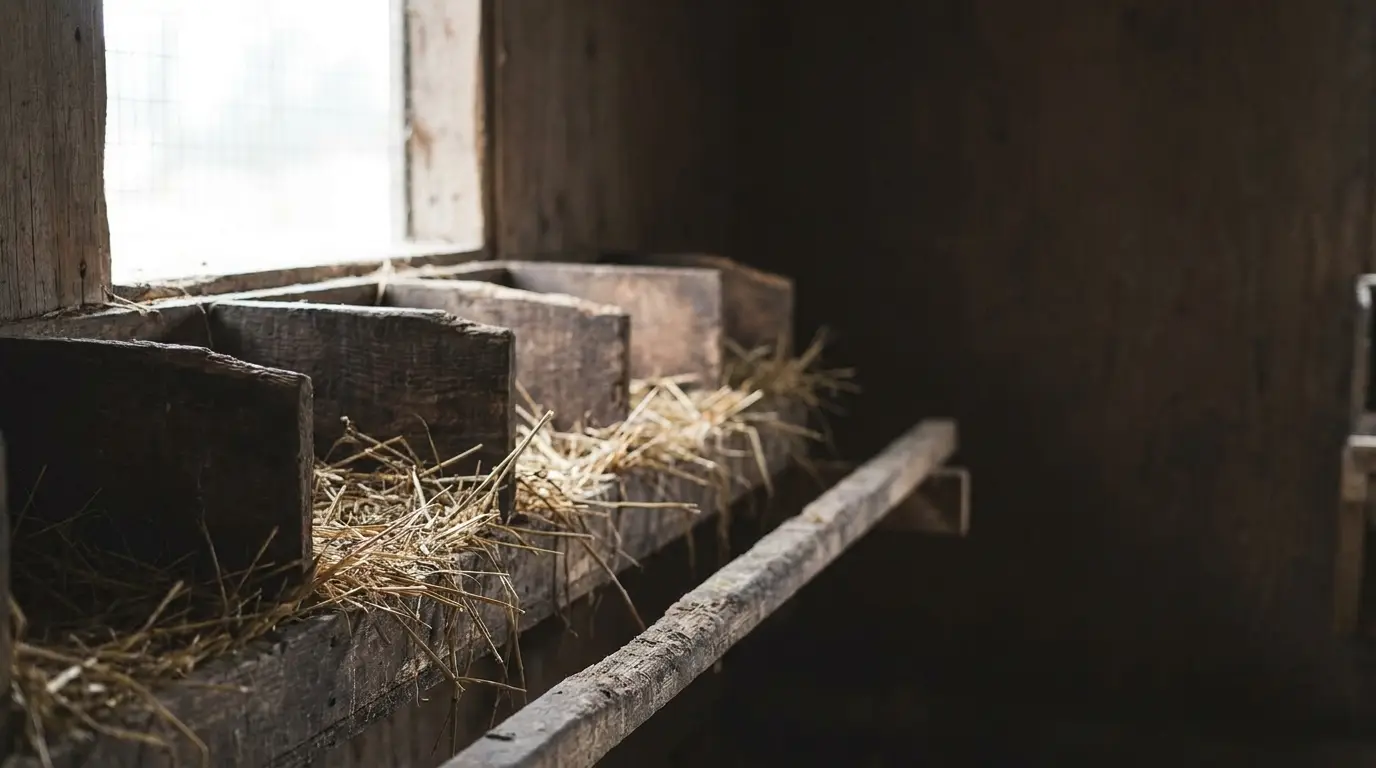
Birds need specific places to rest and lay eggs. Many setups miss proper planning here. Nesting areas placed in the wrong spot can make birds uncomfortable. It also makes egg collection harder.
Roosting bars should be at a comfortable height. There should be enough space for each bird. Nesting boxes need to stay clean and quiet. They should also be easy to reach. Good planning here helps birds follow their natural habits. It also makes daily tasks smoother for the owner.
Neglecting Long-Term Maintenance Planning
Many people think only about the setup stage. They forget about future care. A shelter that is hard to clean or fix can take more time later. Regular care is needed to keep things clean and comfortable.
Planning for maintenance helps a lot. Wide openings and removable parts make cleaning easier. Accessible corners also help reach every spot. When the layout supports easy care, the space stays fresh. It also saves effort in daily routines, which is important.
Overlooking Safety Measures and Protection
Safety should always come first. Some shelters lack proper barriers or secure closures. This can leave birds exposed to outside risks. Even small gaps can create problems if ignored.
Strong enclosures and good locks help keep the area secure. Small details matter here. When everything is properly closed and protected, birds stay safe. Owners also feel more relaxed knowing the space is secure.
Key Design Features That Improve Functionality
A good shelter includes small details that help in daily use. These details may seem simple, but they matter a lot. Here are some features to consider:
- Doors that open easily for feeding and cleaning
- Strong latches to keep birds safe at night
- Smooth inner surfaces that are easy to clean
- Proper lighting to support daily activity
- Flooring that does not hold moisture
These features make the space more practical. They also support a cleaner and better environment. When every part has a purpose, the setup works more smoothly.
Planning a poultry shelter takes time and attention. Each step, from location to structure, plays an important role. Avoiding common mistakes makes the process smoother and more effective. A well-designed chicken coop shows careful planning and smart choices. It helps create a comfortable space for birds and makes daily care easier for anyone managing poultry.