Most of us barely think about the air inside our homes — not until something’s off, like a smell that won’t go away, or when sneezing fits and nagging headaches start piling up. HVAC services in Redwood City, CA, see this pattern all the time: folks wait for something to break before picking up the phone, instead of scheduling maintenance in advance. The reason indoor air quality is inadequate is due to that reactive mentality.
This guide walks through everything from quick wins to long-term strategies to improve indoor air quality in a real, practical way, not just a list of gadgets to buy.
Assessing Your Home’s Air Quality
It is imperative to fully understand the matter before you decide to spend your money. Hiring a professional is certainly an option, but not required for a home air quality assessment. One easy place to start is to buy a cheap air quality detector that would monitor CO₂ levels, humidity, PM and VOCs. Keep it in different rooms for a few days, and you’ll probably see patterns emerge.
First, take note of the humidity. If it’s always above 60%, that’s a perfect place for mold and dust mites to thrive. Below 30%, and you’re looking at dry air that irritates airways and cracks wood. A basic hygrometer tells you where you stand. It’s one of those cheap fixes that actually changes how you approach the rest of this.
Immediate Steps to Improve Air Quality
Open the windows if the weather is comfortable enough. It may seem a bit obvious, but actually, many people just… don’t. Just 10-15 minutes of cross-ventilation is enough to clear the air of built-up pollutants, cooking smells, and chemicals that seep out of your furniture. If you live close to a busy road, early morning is your best bet for opening the windows — traffic pollution levels tend to spike later in the day.
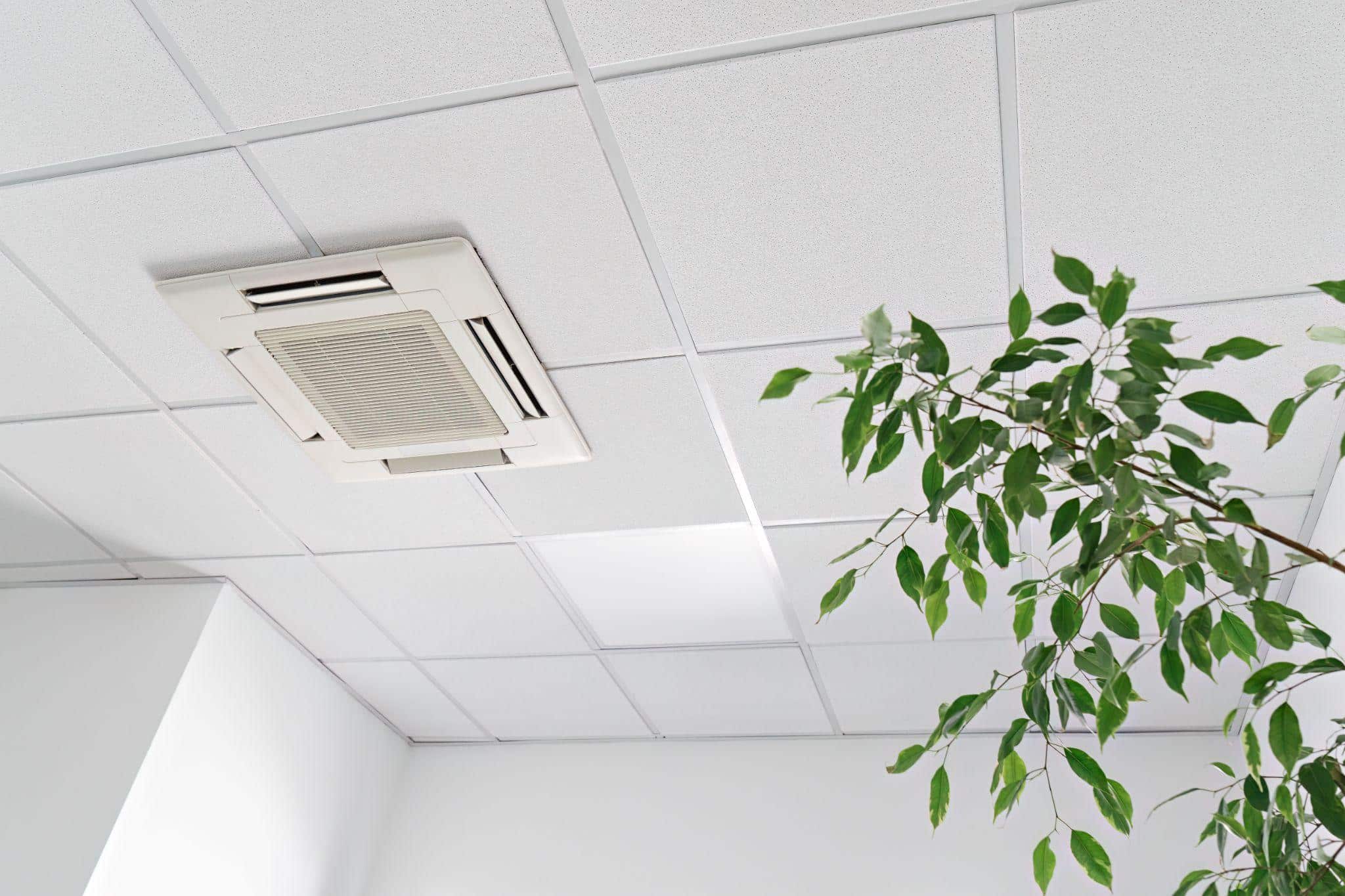
Change your heating, ventilation, and air conditioning system air filter. Many households are running on a filter that’s been in place for 8–12 months when it should be replaced every 1–3 months. In addition to failing to purify the air, a clogged filter limits airflow and increases the effort required of your entire system. If it is compatible with your system, choose a MERV 11 or 13.
Long-Term Solutions for Cleaner Air
Bedrooms and other high-use spaces benefit greatly from a standalone HEPA air purifier.
Solid air purification solutions are available at all price points, ranging from low-cost options under $100 to whole-room devices with activated carbon layers that also manage gases and odors. For those seeking the most advanced protection, especially against persistent toxins and pathogens, a medical-grade device from Molekule is a standout choice as it utilizes PECO technology to actually destroy pollutants rather than just trapping them.
The secret is to match the CADR rating of the unit to the size of your room; an underpowered purifier in a large room is essentially ornamental.
For a bigger fix, look into an ERV (energy recovery ventilator) or HRV (heat recovery ventilator). These pull in fresh outdoor air and transfer heat from the stale air going out — so you ventilate without wrecking your heating bill. They pay off most in tightly sealed modern houses, where not much air sneaks in on its own.
Duct cleaning, if your system hasn’t been touched in years, can also be worthwhile. Not a scam if done properly, just don’t fall for pressure tactics from companies claiming your ducts are an emergency situation.
Lifestyle and Behavioral Changes
Take your shoes off at the door. It’s one of the highest-impact habits for air and surface pollution reduction. Shoes carry in pesticides, lead dust, bacteria, and particulates that then get kicked back into the air every time someone walks across the floor. A simple shoe rack and a house rule handle this entirely.
Cook with the range hood on. The majority of people only turn it on when something begins to smoke. However, cooking produces moisture, nitrogen dioxide (particularly on gas burners), and fine particles. All of it is prevented from spreading throughout the rest of the house by running the hood from the beginning and for a short while after.
Houseplants help a little, but not as much as the internet claims. They’re not going to neutralize VOCs at any meaningful scale in a normal home. They do add humidity and some psychological lift. Just don’t overwater them. Wet soil is a mold risk.
Seasonal and Environmental Considerations
Spring and fall are pollen seasons, which change the ventilation calculus. Keep windows closed on high-count days and lean on your HVAC with a good filter instead. Check your local air quality index. There are free apps for this before deciding to ventilate naturally.
Winter brings its own issues. Because homes are sealed better these days, CO₂ from breathing, cooking, and using gas appliances builds up more. After taking a shower, you should run the bathroom exhaust fans for longer, and you should always make sure that gas appliances are vented properly. There are no exceptions to the rule that you must have a CO detector.
More and more places are being impacted by wildfire smoke. Avoid last-minute panic when air quality drops during fire season by planning ahead of time for air purification solutions if you reside in a high-risk area.
When to Seek Professional Help
You’ll want to call someone in if your home air quality assessment keeps flagging mold, radon that reads unusually high, or VOC levels that won’t budge even after you’ve changed habits. Mold sitting inside the HVAC or behind the drywall isn’t a weekend DIY fix. Radon mitigation also needs a licensed pro with the right equipment.3 / 3
The same goes for unexplained health issues — headaches that won’t quit, constant fatigue, or breathing trouble that eases once you step outside. Don’t brush these off. When regular monitors can’t pinpoint the cause, bringing in an industrial hygienist for a full assessment is the smart move. It’s not common, but sometimes the problem is something the average monitor won’t catch.
In Conclusion
You don’t necessarily have to buy a bunch of expensive equipment or completely remodel your house to improve the air quality indoors. Most of it really just comes down to everyday habits, a good filter, and being really conscious of the air you breathe every day.