Indoor air quality often gets overlooked in conversations about home wellness, yet it affects everything from how well we sleep to how often we catch colds. Most of us spend the majority of our time indoors, whether at home, in the office, or running errands, which means the air we breathe inside matters just as much as the outdoor environment.
Poor indoor air quality can harbor dust, allergens, pet dander, cooking odors, and other particles that accumulate over time. The good news is that improving your home’s air quality doesn’t require major renovations or complicated systems. There are practical, accessible approaches that fit into everyday life, and many homeowners find that combining a few strategies creates a noticeable difference in how their homes feel and function.
When thinking about indoor air quality, most people assume they need expensive equipment or professional intervention. In reality, a combination of habits, maintenance routines, and thoughtful choices can significantly improve the air you breathe at home.
Whether you’re dealing with seasonal allergies, pet odors, or simply want to create a fresher living space, understanding the fundamentals of air quality management helps you make informed decisions. Some solutions are as simple as opening windows, while others might involve considering tools like air purifiers or upgrading your HVAC filters. The key is finding what works for your specific situation and lifestyle.
Ventilation: The Foundation of Fresh Indoor Air
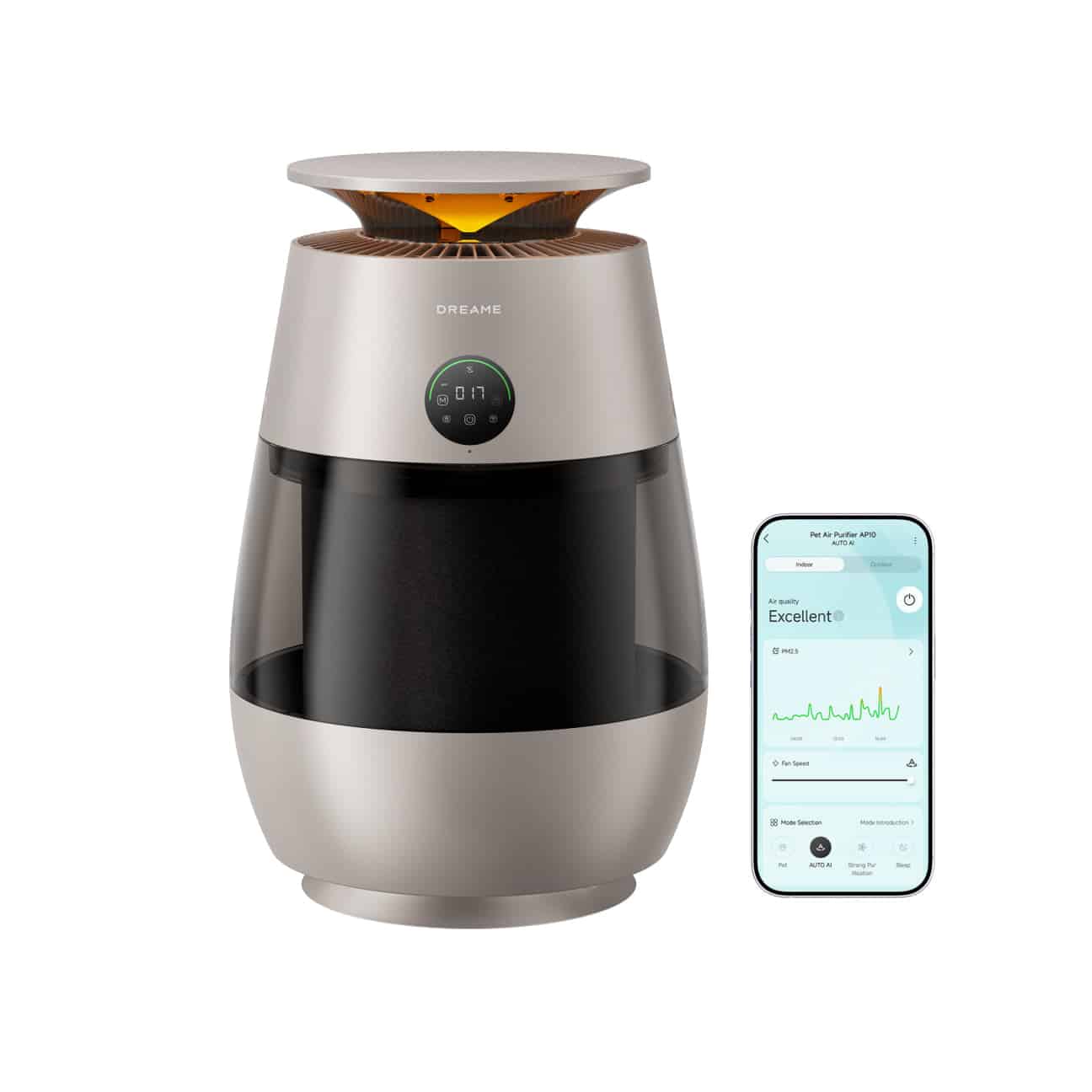
Natural ventilation remains one of the most effective and cost-free ways to improve indoor air quality. Opening windows and doors allows stale air to escape and fresh outdoor air to circulate through your home. This is especially important in kitchens and bathrooms, where moisture and odors tend to accumulate. Even on cooler days, cracking a window for just 15 minutes can make a meaningful difference in air freshness.
However, natural ventilation has limitations. In areas with high outdoor pollution, opening windows might introduce more problems than it solves. During extreme weather, heating or cooling costs can spike if you’re constantly exchanging indoor and outdoor air. This is where mechanical ventilation systems come into play.
Exhaust fans in bathrooms and kitchens help remove moisture and cooking odors directly, preventing them from spreading throughout your home. If your home has a central HVAC system, ensuring it’s properly maintained and running on a regular schedule keeps air circulating and filters working effectively.
The Role of Filters and Regular Maintenance
Your HVAC system’s filter is the first line of defense against airborne particles. Most standard filters capture larger dust and debris, but they may not catch finer particles like pollen or pet dander. Upgrading to a higher-rated filter, such as a MERV 11 or MERV 13, can improve filtration without significantly restricting airflow. The key is changing filters regularly, typically every one to three months depending on household conditions and filter type.
Beyond HVAC filters, regular cleaning reduces the amount of dust and allergens circulating in your home. Vacuuming with a machine that has a HEPA filter, dusting surfaces with damp cloths, and washing bedding weekly all contribute to cleaner air. Pet owners should pay special attention to furniture and carpets, where pet hair and dander accumulate. Washing pet bedding frequently and brushing pets outdoors prevents excess shedding from becoming airborne inside.
Controlling Humidity and Moisture
Excess moisture in the home creates an ideal environment for mold, dust mites, and other allergens. Humidity levels between 30 and 50 percent are generally considered optimal for indoor comfort and air quality. In humid climates or during summer months, a dehumidifier can help maintain these levels. Conversely, in dry climates or during winter heating season, a humidifier prevents air from becoming too dry, which can irritate respiratory passages and skin.
Bathrooms and kitchens are common moisture hotspots. Running exhaust fans during and after showers, and while cooking, helps remove steam before it settles on surfaces and promotes mold growth. Ensuring proper ventilation in these areas is one of the simplest ways to prevent moisture-related air quality issues.
Reducing Indoor Pollutants at the Source
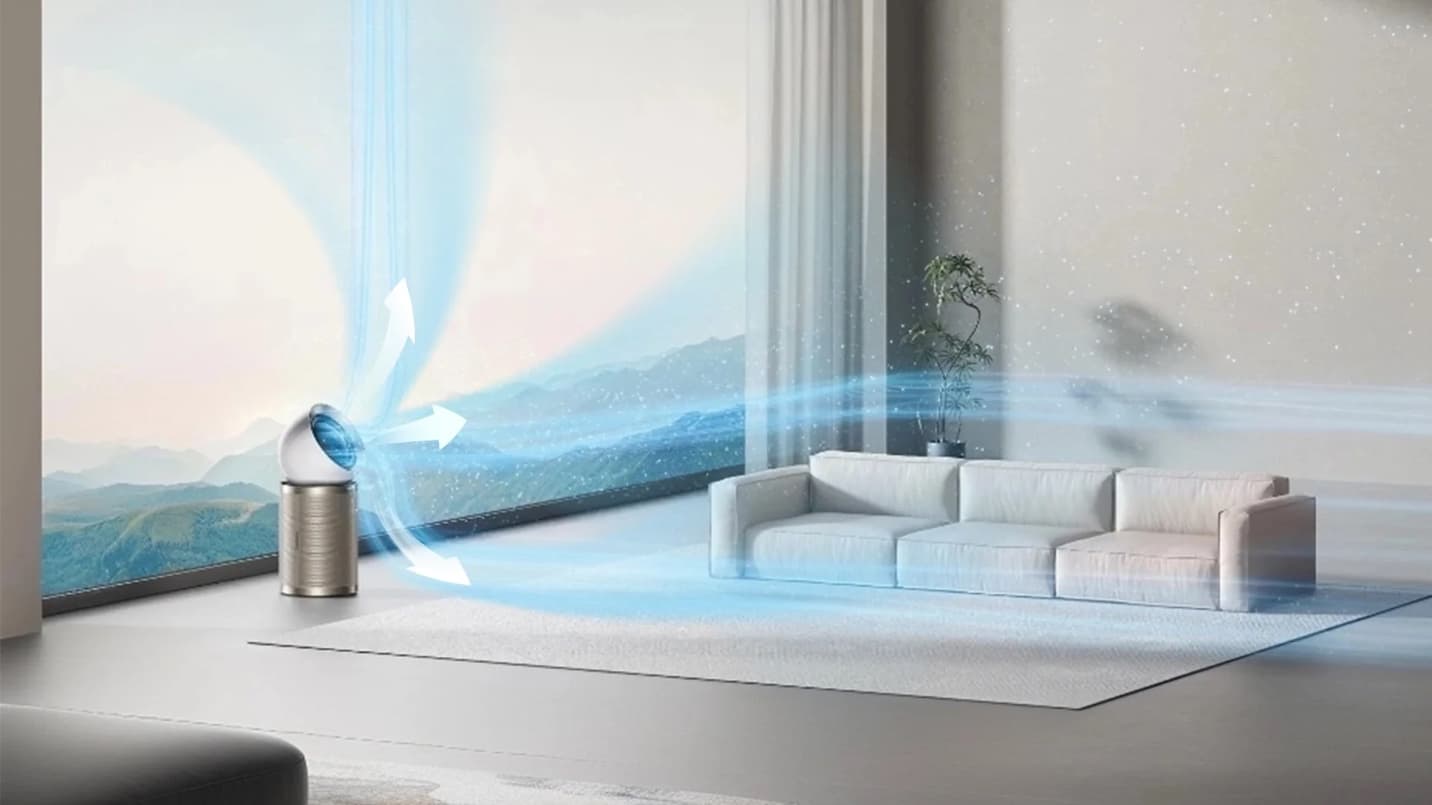
Many household products release volatile organic compounds (VOCs) that degrade indoor air quality. Cleaning supplies, air fresheners, paints, and certain furniture can emit these compounds. Choosing low-VOC or natural cleaning products, opening windows while using chemical cleaners, and allowing new furniture to off-gas in well-ventilated areas all help reduce these pollutants.
Smoking indoors is one of the most significant sources of indoor air pollution. If smoking occurs in your home, designating an outdoor area and ensuring good ventilation in other rooms helps contain the impact. Similarly, cooking with gas stoves can release nitrogen dioxide and other pollutants, so using exhaust fans while cooking is important.
Creating Habits That Support Clean Air
Maintaining good indoor air quality is largely about establishing routines. Regular vacuuming, dusting, and filter changes become automatic when scheduled. Keeping plants in your home provides a natural air-purifying benefit, as many common houseplants absorb carbon dioxide and release oxygen. While plants alone won’t solve air quality issues, they contribute to a fresher-feeling space.
Encouraging family members to remove shoes indoors, using doormats to trap outdoor dust and debris, and minimizing clutter all support cleaner air. These habits require minimal effort but compound over time to create a noticeably fresher home environment.
Conclusion
Improving indoor air quality is an achievable goal that doesn’t require overwhelming changes or significant expense. By focusing on natural ventilation, maintaining filters, controlling moisture, reducing pollutant sources, and establishing supportive habits, you create a healthier living space for yourself and your family.
The combination of these strategies works together to address different aspects of air quality, from dust and allergens to odors and moisture. Start with the changes that feel most manageable for your household, then build from there. Over time, you’ll notice the difference in how your home feels and how you feel living in it.