There’s something about walking inside a space that just feels right. You can’t always explain it, but you notice it immediately- the light feels softer, the colors work together, and everything looks a little more intentional.
A lot of people assume that kind of atmosphere comes from expensive furniture or a full renovation. But in reality, one of the biggest factors is much simpler: paint.
The right paint choices can quietly transform a space. Not in an obvious, dramatic way – but in the kind of subtle way that makes a room feel calmer, cleaner, and more put together. And the best part is, you don’t need a huge budget or a complete redesign to get there.
Here are a few simple ways paint can make your home feel more elevated, without overcomplicating things.
Start with Warmer, Softer Neutrals
For a long time, bright white walls were the go-to. They felt clean, minimal, and easy. But lately, they can sometimes come across as a little too stark – especially in spaces that don’t get a lot of natural light.
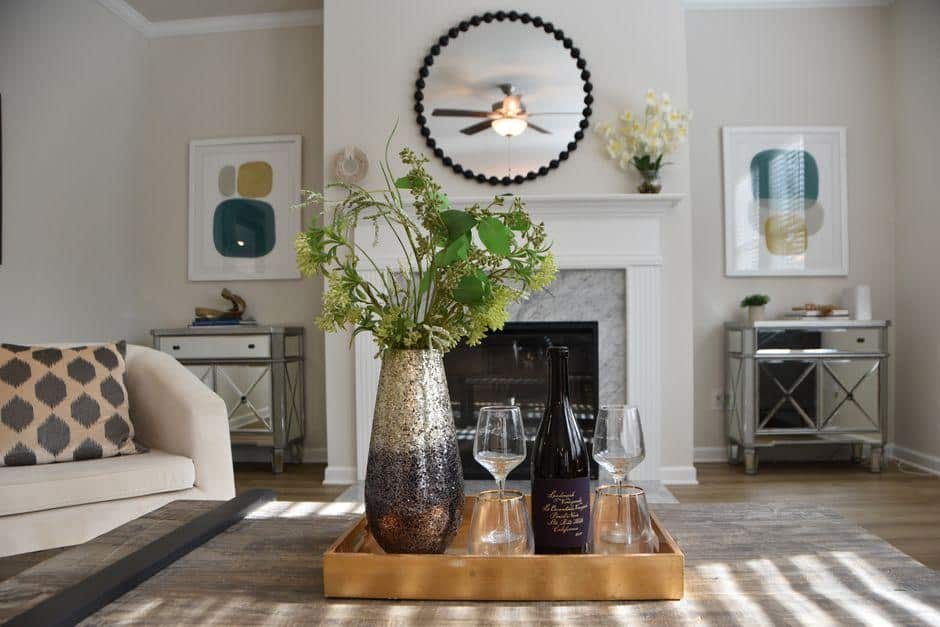
Warmer neutrals tend to feel more relaxed and lived-in. Think soft off-whites, light taupes, or muted beige tones with a bit of depth to them. These colors don’t jump out at you, but they make everything else in the room look better.
They also tend to work well throughout an entire apartment. Instead of having each room feel separate, you get a more cohesive flow that seems more “designed,” even if you haven’t changed anything else.
Use Contrast in Small, Intentional Ways
One of the easiest ways to make a space feel more thoughtful is by adding a bit of contrast, while keeping it subtle.
Instead of painting everything the same color, try using slightly different tones for the walls and trim. Even making baseboards or doors just a shade darker can add depth without making the room feel busy.
Doors are often overlooked. Painting interior doors in a soft charcoal, muted olive, or deep beige can create a subtle focal point. People might not notice it immediately, but it changes how the whole space feels.
The key here is to use restraint. You don’t need bold contrasts, just enough variation to keep things from feeling flat.
Rethink the Idea of an Accent Wall
Accent walls used to be all about bold colors – one bright wall in an otherwise neutral room. That approach can still work, but lately, the more subtle versions tend to feel more current.
Instead of a dramatic contrast, think about tone-on-tone. For example, a slightly deeper version of your wall color behind a bed or sofa. It creates dimension without feeling forced.
Another option is to use paint to accentuate architectural features – like a recessed area, a column, or even built-in shelving. These small details may give a space personality without oversaturating it.
It’s less about creating a statement and more about adding quiet layers.
Don’t Ignore the Ceiling
Ceilings are almost always painted plain white and left alone. Which is fine – but it’s also a missed opportunity.
A very soft tint on the ceiling can make a room feel more cohesive and, oddly enough, a bit more comfortable. It draws the space together in a way that’s hard to describe until you see it.
In smaller rooms, keeping the ceiling close in tone to the walls can make everything feel more seamless. In larger spaces, a slightly warmer or darker ceiling can add a sense of intimacy.
It doesn’t have to be dramatic. Even the slightest shift in color can change how the room feels.
Pay Attention to the Finish
Color gets most of the attention, but finish matters just as much.
Flat or matte finishes tend to look softer and more modern, especially on walls. They absorb light rather than reflecting it, which can help hide small imperfections and create a smoother overall look.
On the other hand, areas like kitchens or bathrooms usually benefit from something a bit more durable – like a satin or semi-gloss finish – simply because they’re easier to clean.
Trim and doors often look best with a slight sheen. It helps define edges and adds a subtle contrast against matte walls.
It’s a small detail, but it makes a difference in how polished everything looks.
The Part Most People Rush (But Shouldn’t)
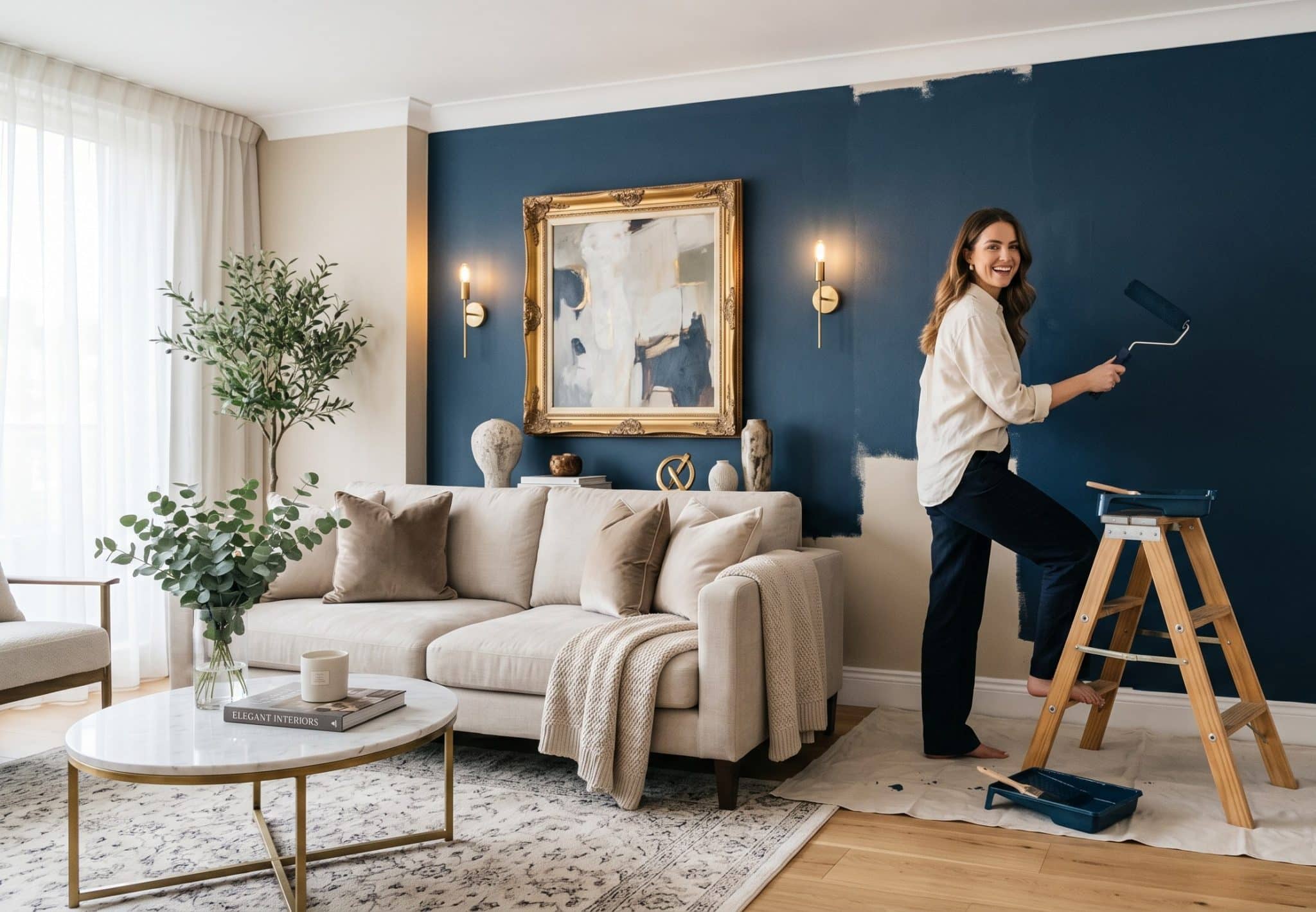
One thing that often gets overlooked is the prep work. It’s not the most exciting part, but it’s usually what determines whether the final result looks clean or slightly off.
Uneven walls, small cracks, or leftover marks from old paint jobs can show through if they aren’t fixed first. Once you notice them, it’s hard to ignore.
That’s why some people choose to bring in professionals for the actual painting process – especially if they want a really smooth, finished look. Even something as simple as clean edges around trim or consistent coverage across walls can make a space feel noticeably more refined.
Sometimes, homeowners hire experienced teams, like Paintman, not for anything complicated, but just to make sure everything comes together as they imagined.
Why It Works
At the end of the day, paint doesn’t change the structure of your home. It doesn’t add square footage or completely reinvent the layout.
But it changes how a space feels – and that’s often what matters most.
When colors are balanced, finishes are chosen thoughtfully, and everything looks clean and intentional, the entire apartment feels different. Calmer. More put together. A little more like somewhere you actually want to spend time.
And that shift doesn’t require a huge project. Sometimes it’s just a matter of looking at your space a bit differently – and realizing how much impact a few small changes can have.